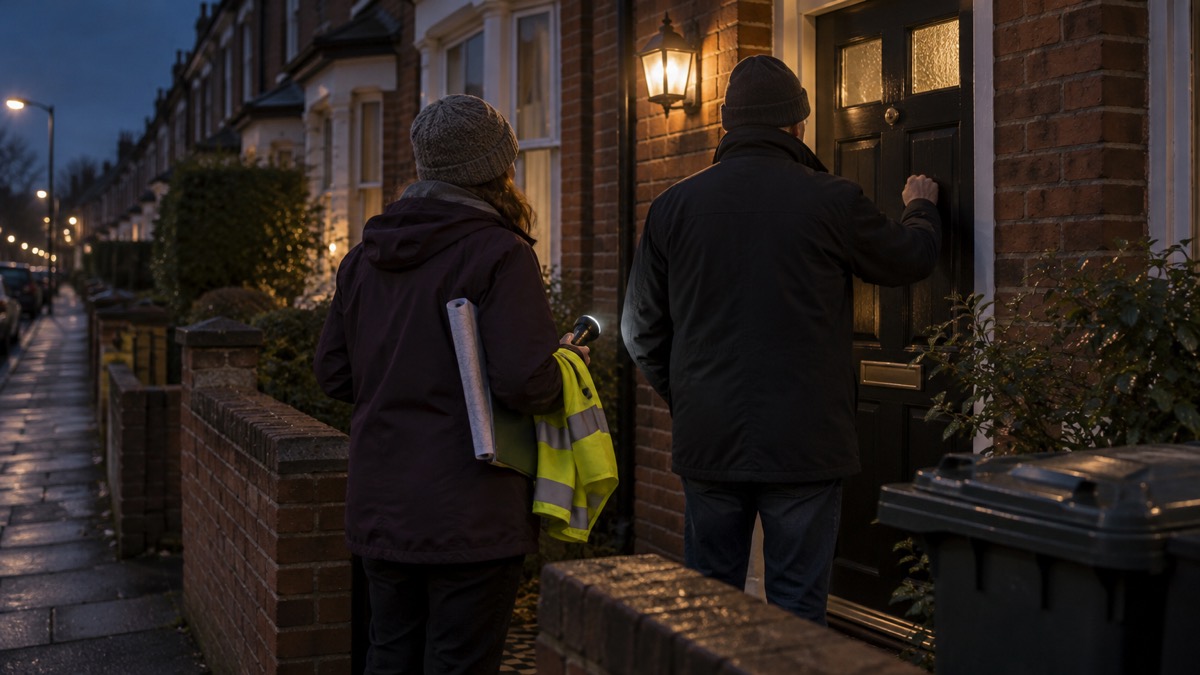
A community emergency group is a small band of neighbours who agree, before anything goes wrong, who will do what when it does. The Lancashire Resilience Forum defines such a group as "an identifiable and contactable group of people living in a discrete geographic area, who together; plan and train, gather resources, and develop partnerships to be able to respond to emergencies affecting their community"1. In practice that means a handful of residents who keep a list of who has a chainsaw, who is at home during the day, who needs checking on, and who holds the keys to the village hall.
Starting one is simpler than most people expect. The first step in almost every council's guidance is the same: contact your local authority, which may be able to provide advice and assistance, and find out whether a plan or group already exists2. You do not need a constitution, a committee or a bank account to begin, and you do not need to invent a new organisation, because these groups usually build on something that already exists, such as a community council, residents association, Neighbourhood Watch or Rotary Club3.
What a community emergency group is
A community emergency group goes by several names across the UK: a community resilience group, a flood action group, a community emergency hub, or simply the people with the plan. Whatever the label, the idea is the same. It is a group of people with roles and responsibilities that can be used during an emergency or disruption4, leading the community's preparations and coordinating its actions with the emergency responders in the area3.
The Scottish Government's community emergency planning guide, published in March 2026, is written for "groups that want to help their communities cope better in an emergency and become more resilient by making a Community Emergency Plan together"7. Nottinghamshire Council puts the same idea more plainly: it is good practice for a community to identify local hazards and make plans on how to assist the emergency services and other responding agencies8. The group exists to fill the gap between what a household can do alone and what the emergency services can reach in the first hours of a flood, storm or power cut.
Two features matter more than any structure. First, the group must be identifiable and contactable, so that responders and neighbours know who to call1. Second, it needs community support: official guidance is blunt that "you need to have support from your community for a plan to work. People need to be prepared to sign up and offer to help if an emergency happens"3. A plan written by two people that nobody else has read is not a community plan.
Start by contacting your local council
Before you recruit anyone, find out what already exists. The national Prepare campaign advises community groups to contact their local council, which may be able to provide advice and assistance2. Essex Prepared's step by step guidance says the same: find out whether your community already has an emergency plan by contacting your district, borough, city or unitary authority or your community group leader, and if not, think about developing one9. If your parish has a plan, become familiar with it rather than duplicating it10.
Councils across the four nations offer different levels of support, and it is worth knowing what your area provides:
| Nation | What the council offers | How to make contact |
|---|---|---|
| England | Advice and assistance to community groups; some run hub schemes with kits | Contact your local council; Buckinghamshire hubs are requested by emailing the council2 |
| Scotland | A national community emergency planning guide and plan templates | Contact your local authority or community council7 |
| Wales | Step by step guidance; Ceredigion asks groups to contact ccu@ceredigion.gov.uk to complete community plans11 | Contact your county council12 |
| Northern Ireland | Belfast City Council takes enquiries about starting a community emergency plan by email13 | Email the council's community safety team13 |
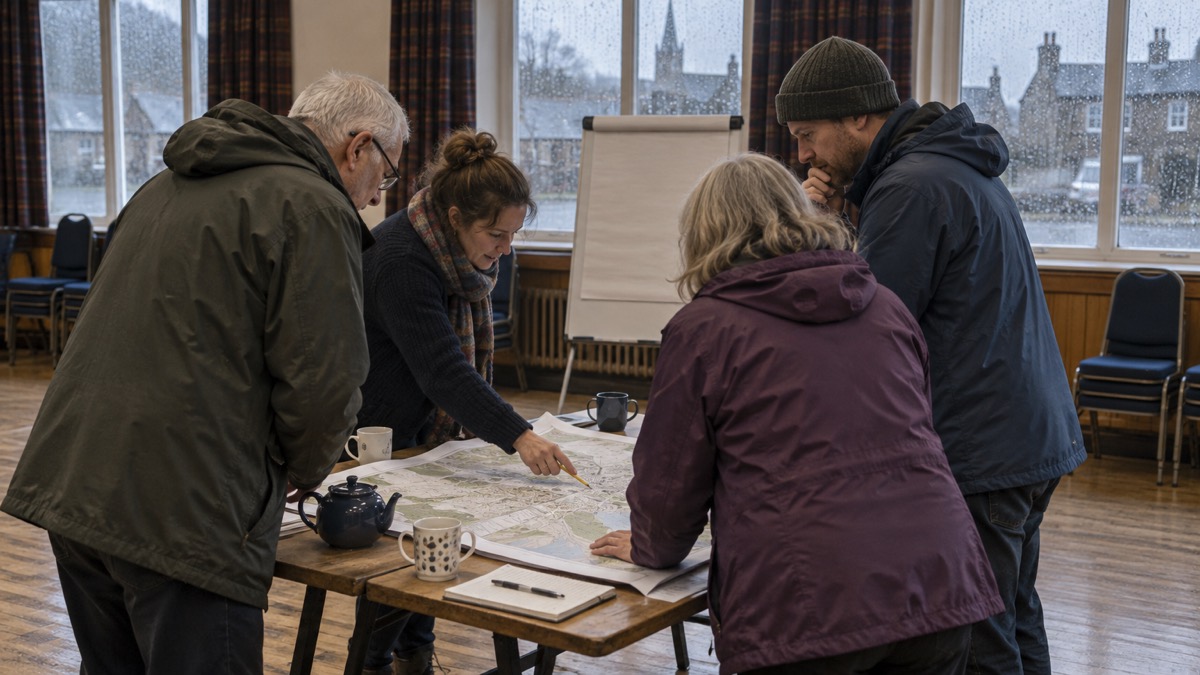
Surrey County Council runs a Community Emergency Information Hub scheme with a clear joining sequence: get together as a community and decide you want to be part of the scheme, agree the key principles, decide on a building, then contact the council to register interest14. Suffolk's flood guidance sets out six steps for community emergency plans: liaise with your local emergency planning officer, set up a community planning group, identify local skills and resources, work with others in your community, ensure your local emergency planning officer has a copy, and review your plan on an annual basis15.
Beyond the council, the Scottish guide suggests talking to your community council or local councillors, as well as local organisations like the Police, Fire and Rescue Service, Ambulance Service, and voluntary organisations active in your area such as mountain rescue teams, St Andrews First Aid, the Royal Voluntary Service or the British Red Cross3. Our page on how councils and emergency services work with local groups explains these relationships in more detail.
Who joins: local volunteers with a shared interest
A community emergency group is usually made up of local people acting in a voluntary capacity to promote and represent the interests of a particular community5. The Scottish guide suggests beginning by considering who your community is and which communities you belong to: people living close to you are the obvious choice, but other communities, such as those sharing an interest in a particular topic or sport, are valid groups to prepare6.
Recruitment is ordinary community work rather than anything formal. The Scottish guide lists the methods groups use to raise awareness3:
- Talking about the idea at meetings of your community groups, and with other community groups in the area
- Delivering leaflets to local households
- Putting leaflets in local shops, pubs or other services, and using community websites, newsletters, papers and social networking
- Including information in letters sent home with school children
- Making use of social contacts to spread the word
Who should you look for? The Environment Agency's community flood plan guidance is written for people active in the local community, leaders of community groups, local responders, people working in the voluntary sector, and any other interested members of the community16. Highland Council's Ready Together approach helps communities identify the people, skills, places and resources they already have and consider how they could work together before, during and after an emergency17. That skills audit is the single most useful thing a new group can do: a register of who can drive in snow, who has first aid training, who is at home during working hours, and who has a four wheel drive or a generator.
Some members may want to take on a defined volunteering role. The national Prepare campaign notes that people can be trained as Community First Responders, who support their local community by attending emergency calls ahead of an ambulance18; our page on community first responders covers that route. Others may prefer to join or support an existing local volunteering or community group before an emergency happens, such as a local charity, a flood action group or a Neighbourhood Watch19.
One point on expectations: volunteers are unpaid. The Gavinton, Fogo and Polwarth resilient community plan in the Scottish Borders notes plainly that its arrangements "would not involve payment as the community council do not have any budget for this"20. Say this early, so nobody joins expecting otherwise.
A constitution is optional unless you want funding
This is the question that stalls more new groups than any other, and the answer is reassuring. Orkney Islands Council's guidance on starting a community resilience group states: "It is not necessary to adopt a constitution to be identified as a legitimate community body but it does help and can have many benefits"5. The same guidance adds: "Remember that if you are going to apply for funding or raise monies it is usually necessary to adopt a constitution and open a bank account"5.
So the decision tree is simple. If your group will never handle money, you can remain informal indefinitely: Orkney's guidance describes an informal group as interested residents working in their community with no structure, aims or committee, possibly as a subgroup of an existing community body5. The moment funding enters the picture, formalise. Our page on whether a local group needs a constitution and our page on funding for local resilience groups take these questions further.
Formality exists on a spectrum. A formal group, in Orkney's definition, is an elected group of interested residents with structure, aims, a committee and a constitution, and it can be a subgroup of an existing community body5. Carmarthenshire's guidance makes the same point from the other direction: step four of its process is to establish a community emergency group, and you do not have to establish a new group, since you may instead build on existing community groups12.
What to put in your constitution
If you do adopt a constitution, Orkney's guidance lists the main points any constitution should cover5:
| Section | What it covers |
|---|---|
| Name of group | The name you will be known by formally |
| Aims of group | What the group exists to do |
| Membership | Who can join and how |
| Committee structure | Officers and how they are arranged |
| Roles and responsibilities | Who does what |
| Financial arrangements | How money is held and spent |
| Annual general meetings | The yearly meeting of all members |
| Changes | What happens if changes need to be made |
| Dissolution | What happens if the group wishes to dissolve |
| Running the group | How the group will be run |
| Meetings | Internal arrangements for meetings |
None of this is emergency specific: it is the standard skeleton of any small voluntary body, and a model constitution from an existing community council or residents association can be adapted. The practical habits matter as much as the document. Orkney advises groups to set dates for regular meetings several months in advance, which reduces the chance of double booking yourselves5. An annual general meeting, required by most constitutions, is also a natural moment to review the emergency plan, which Suffolk's guidance says should be reviewed on an annual basis anyway15.
Roles your group can take in an emergency
What do these groups actually do when the water rises or the power fails? Surrey's guidance on how emergency services can help sets the boundary clearly: community emergency plan volunteers help keep the community safe where the incident does not pose an immediate threat to life, which can involve helping out in a power cut or storm and informing neighbours of a flood warning21. Their role is to help keep the community safe where the incident does not pose an immediate threat to life21.
Argyll and Bute Council lists the tasks groups commonly take on22:
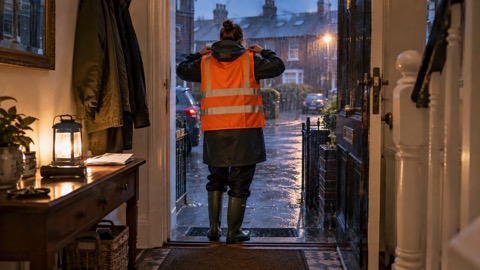
- Door knocking or delivery of emergency messages
- Looking after people in a rest centre
- Identifying those who may need extra help to move to safety
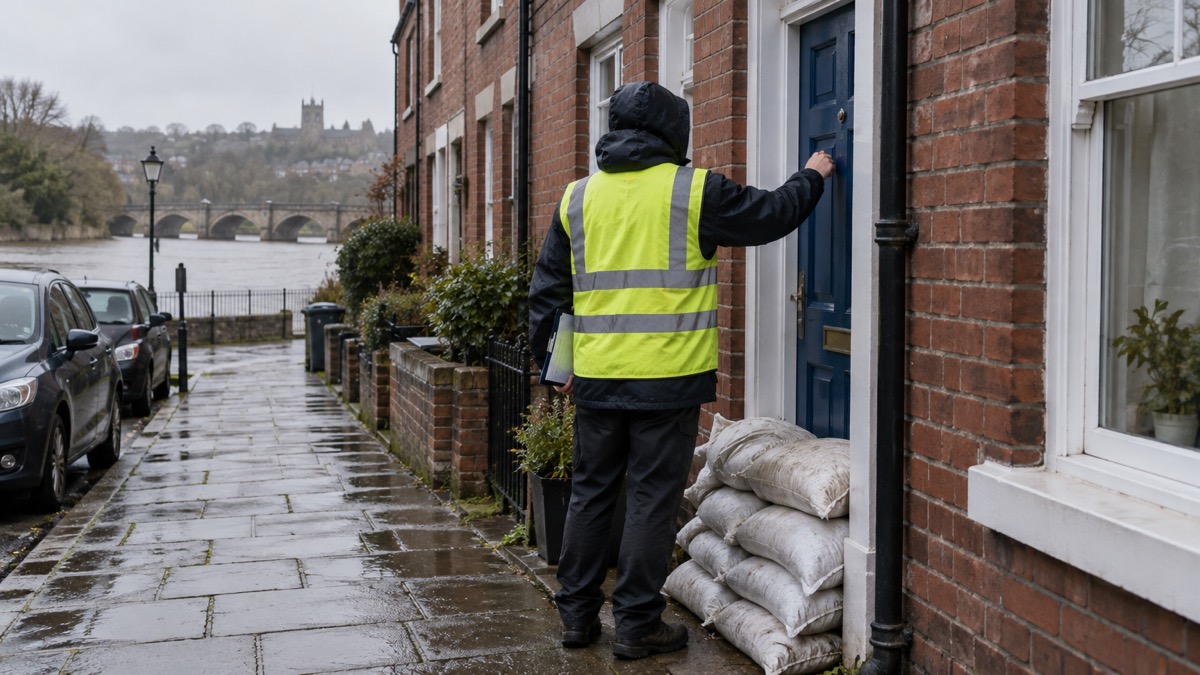
The Scottish guide adds the quieter, preparatory work: help individuals and families to think about what they would do in the event of an emergency23. Wiltshire and Swindon Prepared describes Emergency Contact Hubs as places where community members can help themselves, but also have a linkage into the emergency services and other responding agencies in the local area24. That linkage is the heart of the model: the group is a bridge between neighbours and responders, not a substitute for either.
You do not need to assign these roles in advance. Surrey's hub guidance states: "You do not need to give people these roles before an incident. When an incident occurs a hub can be established and roles assigned"14. Even so, a written plan that records who holds which skills makes assigning roles on the day far quicker, which is why the skills register described earlier matters.
"door knocking or delivery of emergency messages"
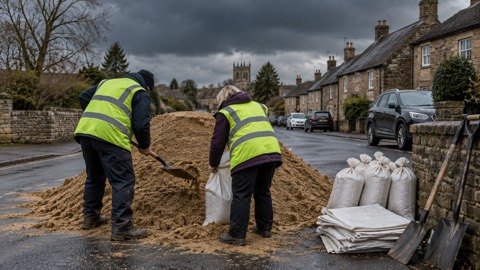
For severe weather specifically, our severe weather tasks checklist and the page on what volunteers can safely do, and where to stop set out the detail.
Write a community emergency plan
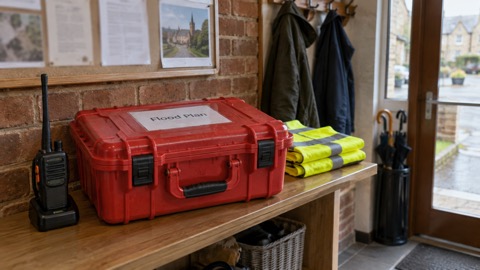
The group's main product is a written community emergency plan. Greater Manchester's guidance summarises why: "When an emergency happens, it is best to have a plan in place so you know who to contact and how your group will support your community and the emergency response"19. The national Prepare campaign adds that a community emergency plan template provides an outline of the key information plans should include2.
Templates and toolkits are freely available, and there is no reason to start from a blank page:
| Resource | What it gives you | Source |
|---|---|---|
| Community Emergency Plan Toolkit | A step by step guide to filling out the Community Emergency Plan Template | Lancashire Prepared1 |
| Community flood plan template | A template for dealing with flooding emergencies in your community | Environment Agency, via Herefordshire Council25 |
| Argyll and Bute plan templates | Templates you can change in whatever way suits your community, including adding your community name and logo | Argyll and Bute Council26 |
| Preparing for emergencies guide for communities | Five suggested steps from considering who your community is through to developing a plan | Cabinet Office guide6 |
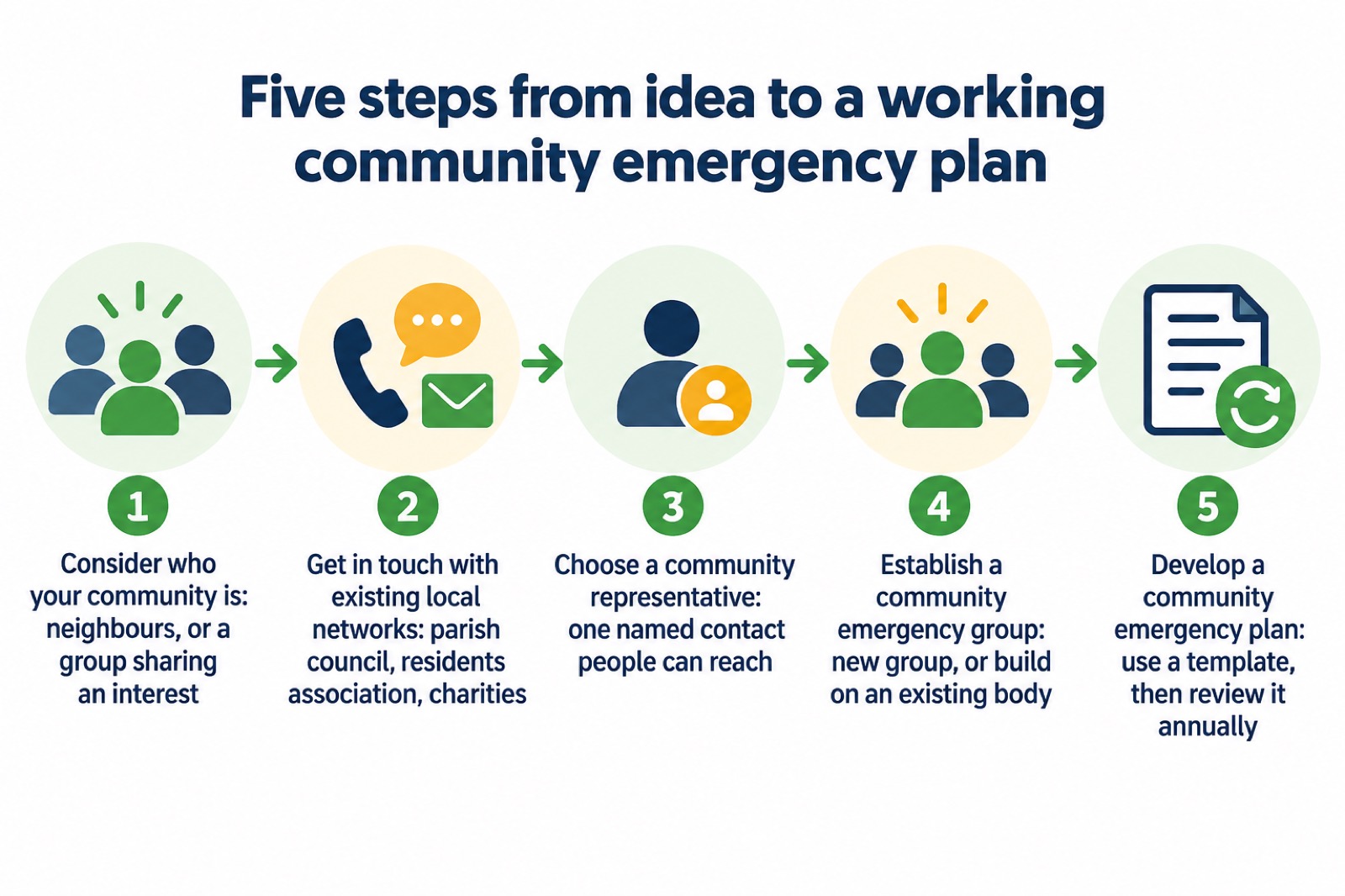
The Cabinet Office guide for communities suggests five steps: consider who your community is, get in touch with existing local networks, choose a community representative, establish a community emergency group, and develop a community emergency plan6. Ceredigion's advice is simply to have a community emergency plan11, and Herefordshire lists what community groups can usefully do: being aware of the risks the community might face, keeping an emergency contacts list, identifying vulnerable members and developing an emergency plan25.
A plan only works with people behind it. The Scottish guide warns that you need support from your community for a plan to work, and that people need to be prepared to sign up and offer to help if an emergency happens3. Once written, make sure your local emergency planning officer has a copy, and review it annually15. Our pages on how to test and review a community emergency plan and when to activate a community emergency plan cover the next stages.
Flood resilience groups
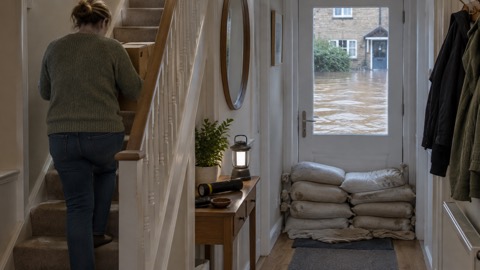
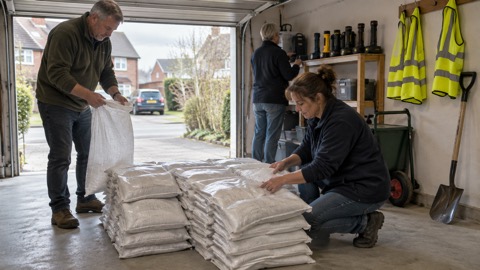
Flooding is the most common reason communities form these groups, and it has the most developed support. A community resilience plan for a flood group details the actions a group can take in an emergency incident such as flooding, and supports the community to prepare, respond and recover5. Such groups are usually made up of local people acting in a voluntary capacity to promote and represent the interests of a particular flood risk community5.
Cambridgeshire publishes a step by step guide to creating a flood action group, aimed at anyone thinking of starting one, and containing the key elements around what a flood group is, how to form one and how they operate27. The Environment Agency's community flood plan template lets you develop a plan for dealing with flooding emergencies in your community25. In Northern Ireland, the Regional Community Resilience Group was set up in 2013 to help local communities across Northern Ireland prepare for and respond to weather related emergencies13.
Our pages on starting a flood action group, community flood plans and flood wardens cover this territory in depth.
Helping during an evacuation, and rest centres
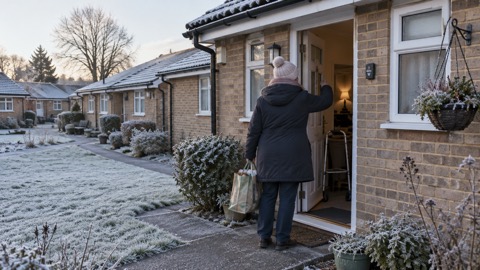
Evacuation is where the boundary between community help and professional response matters most. Community groups can assist with door knocking or delivery of emergency messages, look after people in a rest centre, and identify those who may need extra help to move to safety22. Identifying people who need extra help is preparation work as much as response work: it means knowing, before an emergency, which neighbours would struggle to leave their home unaided. Our page on checking on vulnerable neighbours in an emergency covers this.
Rest centres themselves are a council responsibility. Nottinghamshire's emergency accommodation plan details how the council provides emergency accommodation, including setting up and running a rest centre when homes and communities need to be evacuated in an emergency, and how it will work with other agencies including Police, Fire, Ambulance, District and Borough Councils and Voluntary Agencies where a rest centre needs to be set up28. Your group's role is to support that operation, for example by looking after people in the rest centre22, not to run it.
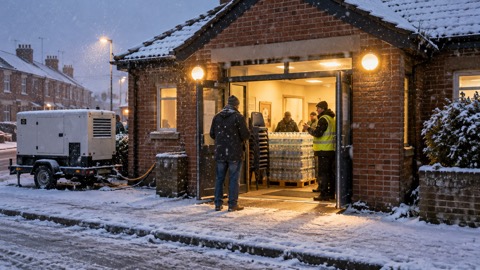
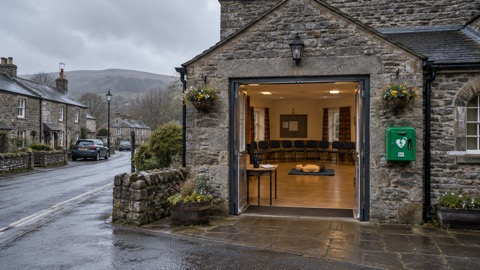
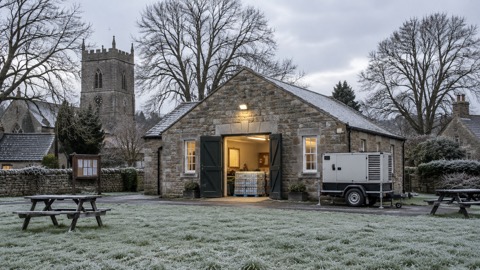
If your group is choosing a building that could serve as a meeting point or hub, Buckinghamshire's guidance on Community Emergency Hubs advises: "You should choose a location which is already being used by the community, accessible to all users, not culturally excluding, big enough and with multiple (separate) rooms"4. Our page on setting up and running a community emergency hub and the emergency hub kit checklist take this further.
One consent point worth knowing: for people who need help to evacuate their home, a Residential Personal Emergency Evacuation Plan can be prepared, but "You do not have to get an RPEEP, and one can only be created and shared with your consent"29. Nobody in your group should assume a neighbour wants to be on a list: ask first.
What the group is not responsible for
This section is the most important one on the page, because it protects your volunteers. Buckinghamshire Council states it directly: "There is no statutory responsibility for these groups to plan for, respond to, or recover from emergencies"4. The same applies to parish and town councils: they are not an emergency service and have no statutory responsibility to plan for, or respond to, emergencies, and they are not trained, equipped, empowered or resourced to carry out the functions of an emergency service25.
That principle, never put yourself or your community at risk, comes from the Cabinet Office guide for communities6, and it should appear in your written plan. It means volunteers do not enter flood water, do not approach damaged buildings or live cables, and do not take on tasks they are not trained for. The professional response, and the limits of what volunteers should attempt, are covered in our page on what volunteers can safely do, and where to stop.
It also means the group is a support to responders, not a rival to them. The Scottish guide describes the community emergency group as leading your preparations and coordinating the action you take with the emergency responders in your area3. Coordination, not replacement. When the incident is beyond the group, the group's job is to pass information to the right agency quickly, which is exactly what the contact lists and responder relationships built in the first months are for.
Sources (30)
- Protect Your Community, Lancashire Prepared, 2026
- Information for Communities and Community Groups, UK Prepare campaign, 2026
- Community Emergency Planning Guide: Who to Work With, Scottish Government Ready campaign, March 2026
- Community Resilience, Buckinghamshire Council, 2026
- Starting a Community Resilience Group, Orkney Islands Council, 2026
- Preparing for Emergencies: Guide for Communities, Cabinet Office, 2016
- Community Emergency Planning Guide: Why, Scottish Government Ready campaign, March 2026
- Community Resilience, Nottinghamshire County Council, 2026
- Community Resilience, Essex Prepared, 2026
- Developing Community Resilience, Essex Prepared, 2026
- Community Resilience, Ceredigion County Council, 2026
- Emergency Planning, Carmarthenshire County Council, 2026
- Emergency Planning, Belfast City Council, 2026
- Set Up a Community Emergency Information Hub, Surrey County Council, reviewed 1 June 2026
- Flood Smart Living, Suffolk County Council, November 2024
- Community Flood Plan Template, Environment Agency, 2012
- Emergency Planning: Ready Together, The Highland Council, 2026
- Volunteering and Helping Others, UK Prepare campaign, 2026
- Prepare Your Community, Greater Manchester Combined Authority, 2026
- Gavinton, Fogo and Polwarth Resilient Community Plan, Scottish Borders Council, 2018
- How Emergency Services Can Help, Surrey County Council, 2026
- Responding and Recovering, Argyll and Bute Council, 2026
- Community Emergency Planning Guide: Prepare, Scottish Government Ready campaign, March 2026
- Emergency Contact Hubs, Wiltshire and Swindon Prepared, 2026
- Community Resilience, Herefordshire Council, 2026
- How to Make a Community Emergency Plan, Argyll and Bute Council, 2026
- Community Flood Group Resources, Cambridgeshire County Council, 2026
- Council Emergency Plans, Nottinghamshire County Council, 2026
- Residential Personal Emergency Evacuation Plan: A Guide, London Fire Brigade, 2026
- Community Emergency Plan Toolkit, Cabinet Office, September 2016
 Emergency Hub Kit Checklist
 Severe Weather Tasks for Groups
 Flood Warden Checklist
 Volunteering in Emergencies
 What Volunteers Can Safely Do
 Community Flood Plans
 Flood Wardens
 Starting a Flood Action Group
 Clearing Snow and Ice
 Community Emergency Hubs
 Checking Vulnerable Neighbours
 Neighbourhood Phone Trees
 Registering and Looking After a Village Defibrillator on The Circuit
 Funding Resilience Groups
 Voluntary Organisations