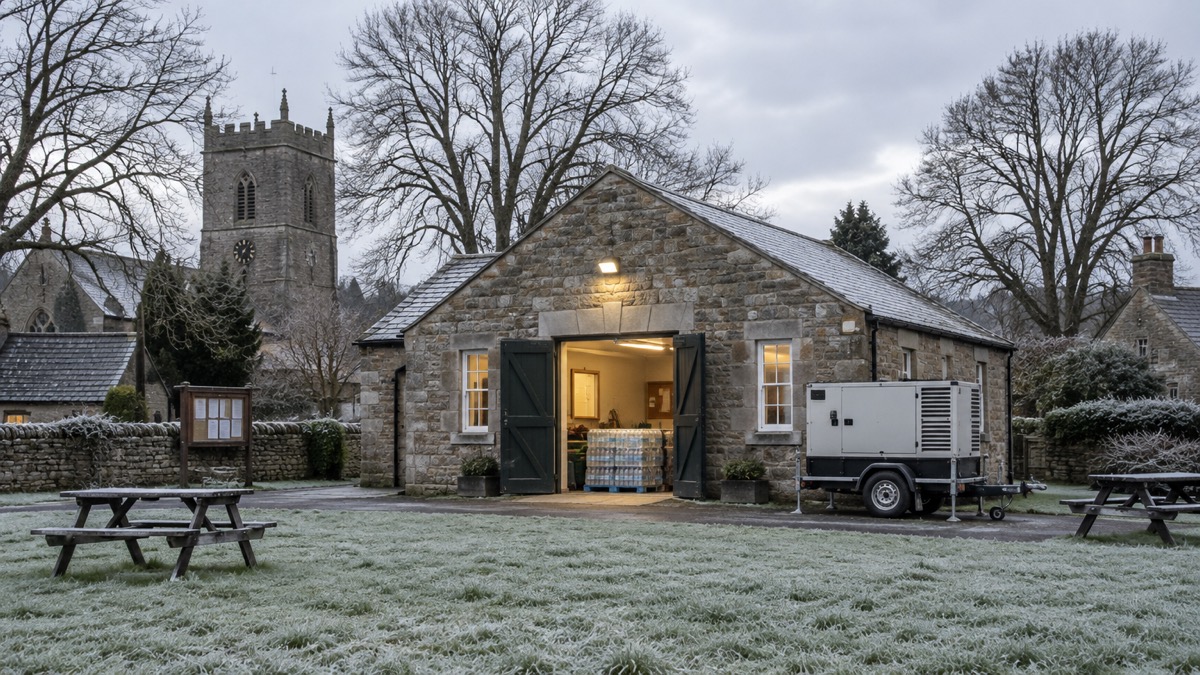
A community emergency hub is a place where you can go, in times of crisis, to get support, offer help, or find out reliable information1. In practice it is an ordinary community building, a village hall, a faith group meeting place, a sports club or a parish hall, that your community has agreed in advance to open when something goes badly wrong1. It is run by the community for the community, staffed by community volunteers, and it works alongside the council and the emergency services rather than replacing them1.
Setting one up is deliberately simple. You get together as a community and decide you want to be part of a scheme, agree some key principles, choose a building, and then contact your council to register your interest1. The council then supplies a kit: a guide, a safety briefing, lanyards for roles, maps of the community, a radio and stationery3. Roles do not need to be assigned in advance; they are decided on the day, depending on who turns up1.
This page explains what a hub is, how to set one up, how to run it during a power cut or a flood, and how it differs from the council-run rest centres used when households are evacuated.
What a hub is, and who it is for
A Community Emergency Information Hub is defined by Surrey County Council as "a place where you can go, in times of crisis to get support, offer help, or find out reliable information"1. Wiltshire and Swindon Prepared describe their version, the Emergency Contact Hub, in much the same terms: "your community's place to go and help one another in an emergency", with a linkage into the emergency services and other responding agencies in the local area2. Buckinghamshire Council describes a Community Emergency Hub as a group of people with roles and responsibilities that can be used during an emergency or disruption, cooperating with the council and emergency services and usually operating out of a chosen location3.
The names differ slightly between areas, but the idea is the same. Community Emergency Hubs are a national initiative3, and the Emergency Contact Hub concept is now being adopted in other regions across the UK to strengthen local resilience and build whole-society preparedness8. Whatever the label, a hub is a community asset, run, designed and owned by the community4.
A hub is not only for people in trouble. The hubs are designed for everyone, those that want to help out and those that need help5. Someone who arrives wanting to be useful can be given a role on the spot; someone who arrives cold, frightened or without information can be warmed, reassured and pointed to reliable sources. Beyond its emergency role, a hub can also act as a safe shelter, a cool or warm hub, or an assembly point for the community1.
Communities also use their hubs between emergencies. Some meet regularly at their hub to develop emergency and flood plans, practise how they would set the hub up, and spread the word about its role8. Others, particularly in urban areas, use a different approach: signposting, messaging and raising awareness through local events like fetes or markets8. The result, as one case study puts it, is that "people really do know where to go in an incident where they may get information or need support"9.
Why a hub matters when help cannot reach everyone straight away
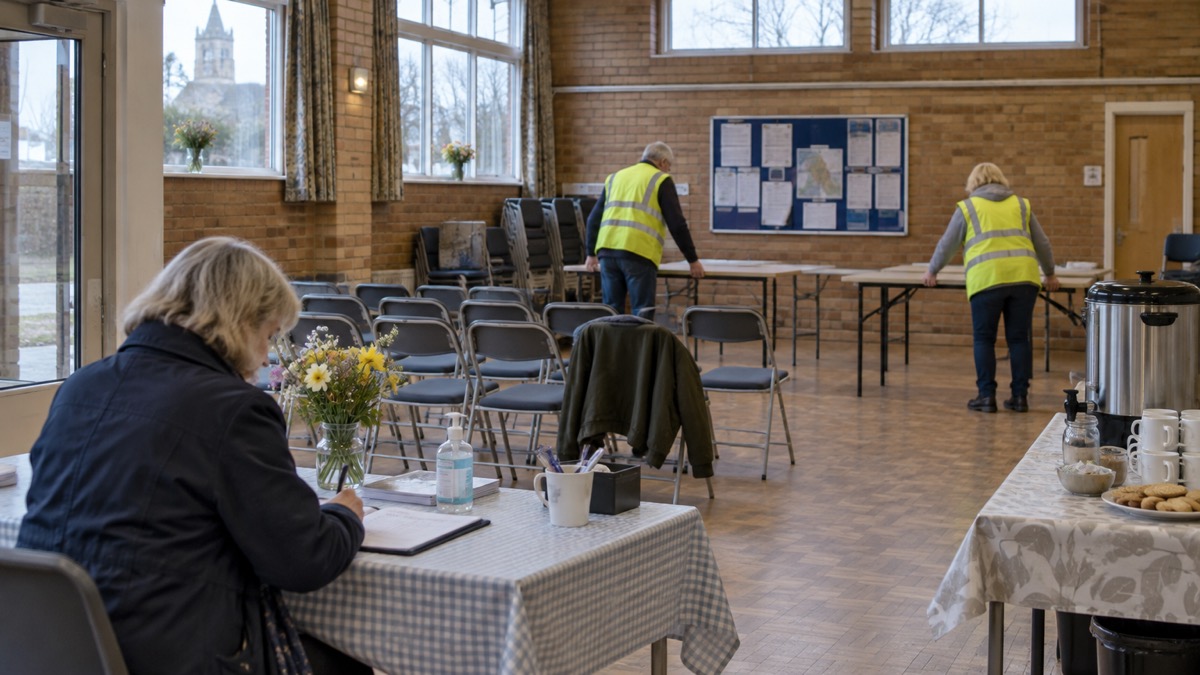
The honest reason hubs exist is that emergency services cannot be everywhere at once. West Yorkshire Prepared states it plainly: if the emergency is widespread, such as flooding, heavy snow, or a power outage, priority will be given to the most vulnerable, so there may be a delay in support reaching your community10. A hub gives a community something useful to do, and somewhere to gather, during that delay.
The National Risk Register makes the same point from the other direction: during an emergency or crisis, the public can help, if it is safe to do so, by checking on neighbours and vulnerable people in the community to see if they need any help or assistance11. A hub is the natural base for that kind of organised neighbourliness. It turns scattered goodwill into a place with a door, a radio, a list of who needs what, and a phone line to the council.
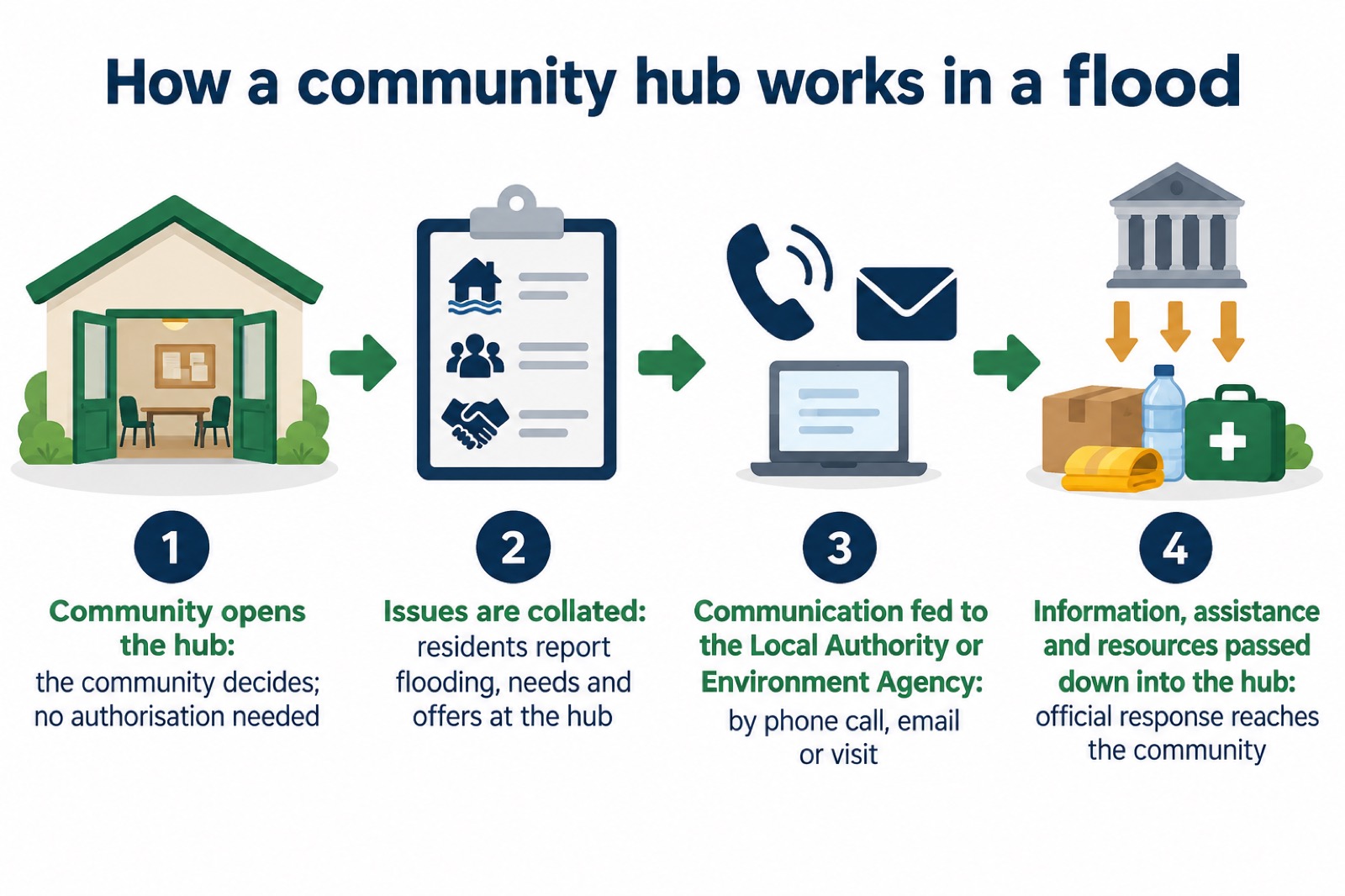
The hub also carries information in both directions. In a flooding event, the community collates issues and feeds communication into the local authority or the Environment Agency by phone call, email or visit, and information, assistance and resources are passed back down into the hub7. In a widespread power outage, the hub can act as the focus point to report medical emergencies if 999 is not operational2. That two-way link is what separates a hub from people simply gathering in a hall: it is plugged into the responding agencies.
Crucially, opening a hub is the community's own decision. The hubs are only opened when the community feel the need in an emergency; you do not need authorisation from emergency responders5. That means a hub can open within minutes of a storm, a flood or a power cut, long before any official response has reached your street. If you are thinking about the wider picture of how local groups fit into the response, see how councils and emergency services work with local groups.
Setting up a hub: from a community decision to registering with the council
Surrey County Council sets out the setup steps for a Community Emergency Information Hub in four moves: get together as a community and decide you want to be part of the scheme, agree the key principles, decide on a building, and then contact the council to register your interest1. The key principles themselves are simple: to be a hub for all the local community to come together in an emergency for help and information, to be a community-run facility which predominantly looks after itself, and to provide contact details to Surrey Prepared and agree to be on its database1.
Registering is a matter of an email. In Surrey, you send an email to community.resilience@surreycc.gov.uk to register interest, after which the council will visit the premises to explain the process and collect details to keep on file1. In Buckinghamshire, to request a kit or set up a hub you email the council3. In Wiltshire and Swindon, communities are invited to look at Wiltshire and Swindon Prepared and join the growing network of Emergency Contact Hubs8. The exact address differs by area, but every scheme works through your local authority or local resilience forum, so start there.
Before you set up a hub, it is worth checking what already exists. Find out whether your community already has an emergency plan by contacting your district, borough, city or unitary authority or your community group leader12. Become familiar with your local community emergency plan, and if your community does not have one, encourage local representatives such as the parish council to create one13. Nottinghamshire County Council, for example, provides guidance to parish councils and other community groups to help communities prepare for emergencies14, and parish and town councils work with the lead local flood authority to involve local communities in flood risk management, emergency planning and flood recovery at a local level15.
The wider community planning advice follows a similar pattern wherever it comes from. The Cabinet Office's guide for communities suggests five steps: consider who your community is, get in touch with existing local networks, choose a community representative, establish a Community Emergency Group, and develop a Community Emergency Plan16. Carmarthenshire County Council starts at the same place: begin by considering who your community is and which communities you belong to, since people living close to you are the obvious choice, but communities sharing an interest in a topic or sport are valid groups to prepare too17. Suffolk's flood guidance adds six steps for a community emergency plan: liaise with your local emergency planning officer, set up a community planning group, identify local skills and resources, work with others in your community, ensure your local emergency planning officer has a copy, and review your plan on an annual basis18.
If your community is starting from nothing, the natural order is to form the group first, then the plan, then the hub. Our guides on setting up a local emergency group and community flood plans cover those earlier steps, and funding for local resilience groups covers grants.
Choosing a venue: what helps and what is a bonus
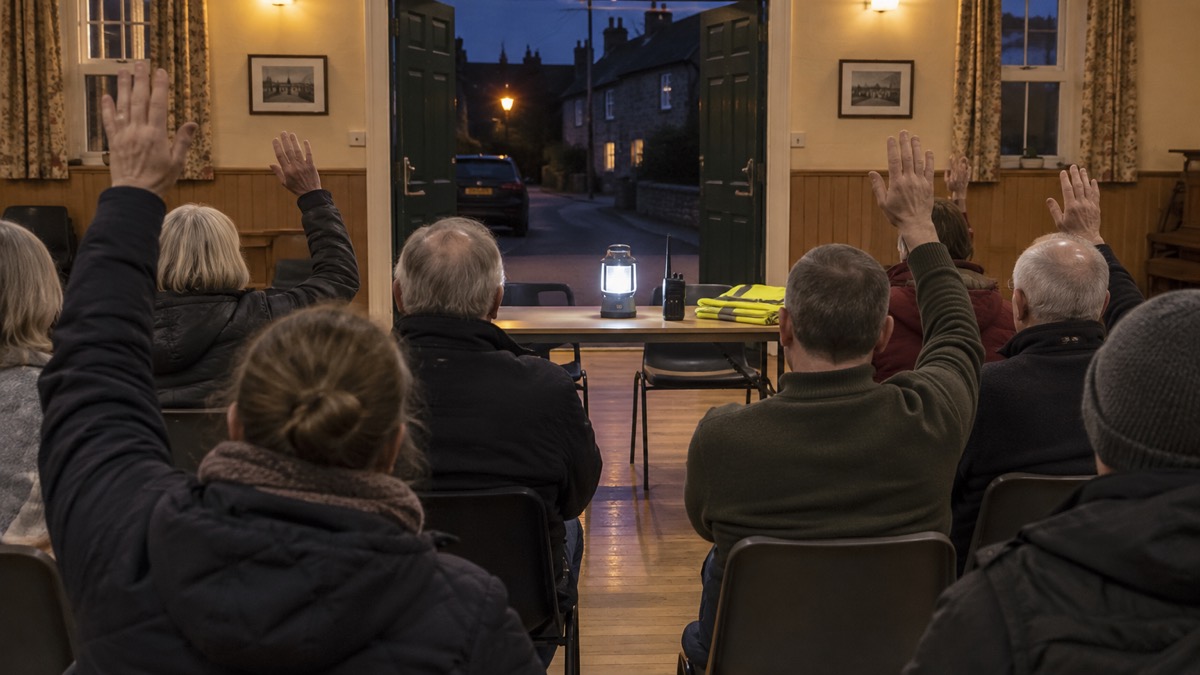
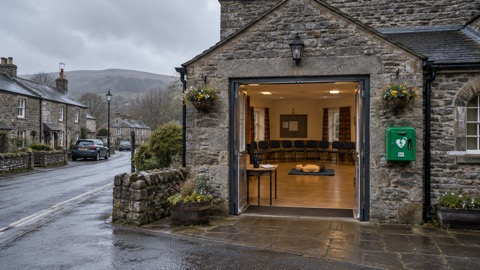
Here is the liberating fact: there is no required list of facilities for a Community Emergency Information Hub, allowing it to be as accessible as possible to the community1. Almost any community building can serve. Surrey aims to establish a network of hubs in community venues such as village halls, faith group meeting places, sports clubs, or parish halls1.
That said, some facilities genuinely help. Surrey lists the helpful ones as: a building, running water with a sink to wash up in and fill water bottles, toilets, chairs and tables, and heating1. If you are choosing between two buildings, those are the differences that matter. A hall with a toilet and a tap can keep people comfortable for hours; one without cannot.
Some hubs go further. Extra facilities at some hubs include a kitchen, showers, display equipment, books and games, and power generators1. These are bonuses rather than requirements: a kitchen lets you serve hot drinks and food, showers matter if people have been in flood water, and a generator keeps the hub working through a power cut. Display equipment, books and games sound minor, but a hub may be open for a long stretch and families with children will notice the difference.
The venue also needs to be somewhere people already know. Wiltshire and Swindon Prepared advise that your local newspaper, magazine, noticeboard, website, or social media should have the highlighted destination for the hub, and the building will also have a sticker in the window5. A building everyone can find without directions is worth more than a better-equipped one nobody knows.
| Facility | Status | What it does for the hub |
|---|---|---|
| A building | Helpful1 | Somewhere dry, safe and identifiable to gather |
| Running water and a sink | Helpful1 | Washing up and filling water bottles |
| Toilets | Helpful1 | Keeps people comfortable over a long opening |
| Chairs and tables | Helpful1 | Rest, warmth and a surface for information and lists |
| Heating | Helpful1 | Warmth in cold-weather emergencies |
| Kitchen | Extra, at some hubs1 | Hot drinks and food |
| Showers | Extra, at some hubs1 | Useful after flooding |
| Display equipment | Extra, at some hubs1 | Showing maps, lists and official information |
| Books and games | Extra, at some hubs1 | Occupying families during a long wait |
| Power generators | Extra, at some hubs1 | Keeping the hub running in a power cut |
The hub kit and role cards: what the council sends
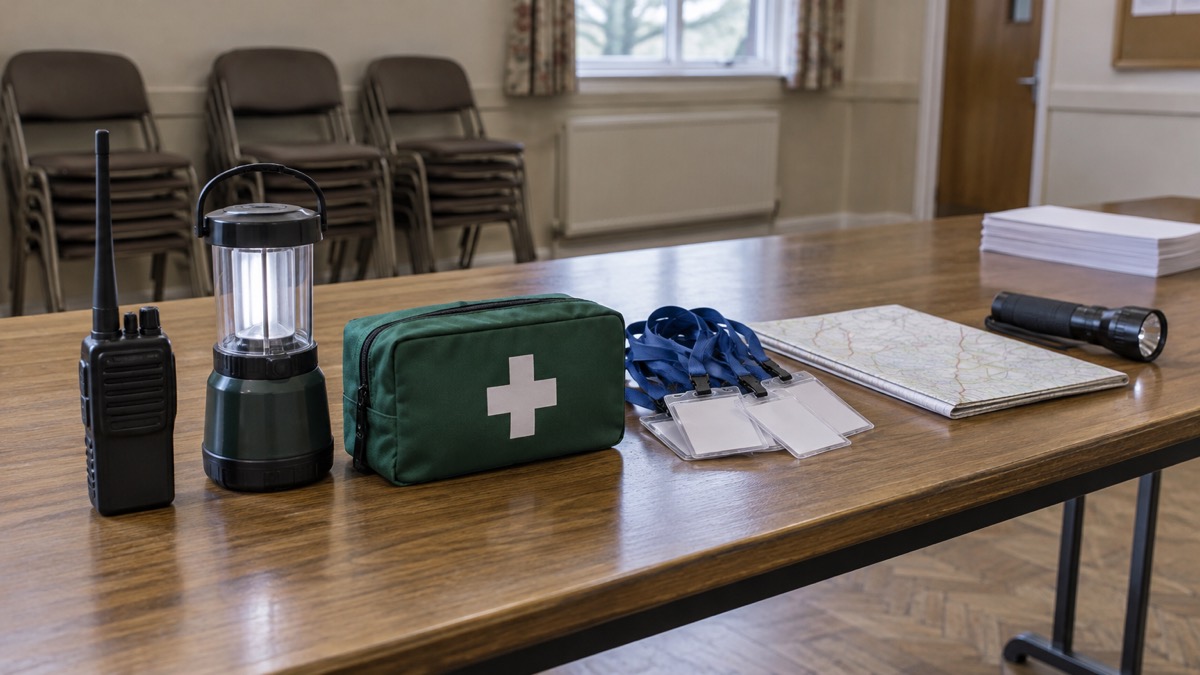
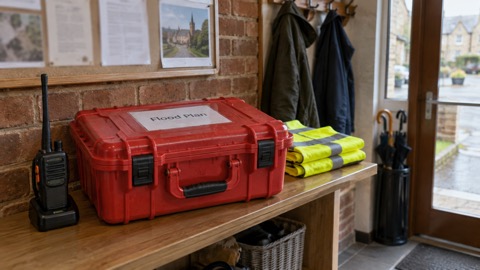
Once you register, the council sends a kit. Buckinghamshire Council's kit contains a guide to Community Emergency Hubs, a safety briefing, lanyards for roles, maps of the community, an AM/FM/DAB radio and stationery3. Surrey's version is a toolbox containing essentials such as stationery and information about the hub, including suggested roles1. Wiltshire and Swindon's emergency pack gives suggestions on roles to help the hub operate effectively, such as supervisor and welfare, which do not need to be adhered to and can be altered to suit the group or situation7.
The radio deserves a mention: in a power cut or a phone network failure, an AM/FM/DAB radio is often the only way to hear official broadcasts, which is why the council puts one in the kit3. Paper and pencil matter for the same reason, and Lincolnshire's emergency kit advice includes them for households as well19. A hub that can write down who needs what, and read out what the radio says, is doing its core job.
The suggested roles are the heart of the pack. Wiltshire and Swindon Prepared suggest three pre-defined roles for each Emergency Contact Hub: a Supervisor, a Welfare Officer and a Needs and Offer Officer6. The roles come with lanyards to help easily identify the staff6. The Needs and Offer Officer's job is captured in the name: matching what people need with what other people are offering, which is the essential trade of a hub.
None of this is fixed. The pack's role suggestions can be altered to suit the group or situation7, and there is no requirement to predefine people to the roles; the system works so that you can open up and get started from there7.
Roles are assigned on the day, by whoever turns up
This is the feature that surprises most people, and it is deliberate. You do not need to give people roles before an incident; when an incident occurs a hub can be established and roles assigned then1. Wiltshire and Swindon Prepared put it the same way: the way this works best is that the people in the roles are decided on the day depending on who turns up rather than pre-defined4.
The reasoning is practical. A hub might open at two in the afternoon on a weekday, when the retired committee treasurer is available, or at midnight during a flood, when the off-duty nurse and the farmer with a 4x4 are the ones on the spot. Pre-assigning roles to named people means the hub depends on those specific people being free, fit and reachable. Assigning roles on the day means the hub works with whoever walks through the door.
The lanyards make this work under pressure. When roles are handed out as people arrive, the lanyards let everyone see at a glance who is the Supervisor and who is handling welfare6. A newcomer who wants to help does not have to work out who to ask; they look for the lanyard.
Communities can also gather skills in advance without fixing roles to people. The Calne Emergency Contact Hub case study describes encouraging people to sign up with skills like first aid, nursing, or even offering 4x4 vehicles to help when hubs need to open during an incident8. That is the useful middle ground: a list of who has what skills, and roles decided on the day from whoever turns up. One warning from Wiltshire and Swindon Prepared is worth repeating to every volunteer: "The Emergency Contact Hub will only work with your community working as a team"4.
If your group wants to go further on volunteer roles, see volunteering in emergencies and what volunteers can safely do, and where to stop.
Check the site is safe before you open it
Before anything else, on every opening, check the building and its surroundings. Buckinghamshire Council's guidance is that after arriving you should check that the environment is safe and move somewhere else if it is not, looking for flooding, cordons, fires and the smell of gas3. A hub is no use if it has been set up inside the hazard it is meant to help people escape.
The same principle applies to households the hub is helping. Greater Manchester's advice is to avoid entering a dangerous area until the emergency services tell you it is safe to do so; the best option is to stay with friends or relatives, but the local authority may open a rest centre20. Hub volunteers should pass that on rather than encouraging anyone to return to an unsafe home.
Before anyone opens the doors, check the environment is safe and move somewhere else if it is not, looking for flooding, cordons, fires and the smell of gas5. Fire safety basics apply to any crowded hall: after escaping a fire, stay at the agreed meeting point, keep back from the building to allow emergency services access, account for everyone, and seek medical attention if anyone has been affected by smoke21.
Running the hub in a power cut or a flood
The two worked examples in the official guidance are a widespread power outage and a major flooding incident, and they show how a hub actually functions.
In a power outage, the community opens the hub and information is passed between responders and community via PCSOs; vulnerable people are identified; food is dropped at the hub for distribution; torches and lighting are shared out; information on safe processes is available; and the hub is a focus point to report medical emergencies if 999 is not operational7. Surrey's guidance gives the hub the same focal-point role for medical emergencies when 999 is not working1. Wiltshire and Swindon's leaflet adds that the community can use the hub to help identify and assist vulnerable people, share out any torches and lights to the most vulnerable, use any heating resources to keep as many people warm as possible, work together to solve local issues deemed appropriate for community response, and liaise with the power company and responders on site5.
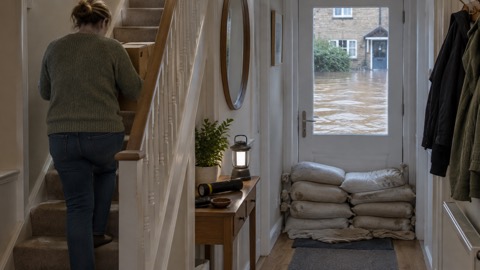
In a flooding event, the flow reverses: the community collates issues, and communication is fed into the local authority or Environment Agency via phone call, email or visit, with information, assistance and resources then passed down into the hub2. Surrey describes the same loop: community issues are shared with the local authority or the Environment Agency via phone or email, or when a representative visits the hub1.
Both patterns depend on the hub being known and practised. Communities can run table top exercises or physical exercises to test their emergency or flood plan and their hub, from a simple discussion to setting the hub up with a scenario such as flooding9. Testing matters: a hub that has never been opened will take an hour to find the torches and argue about who is in charge. Our guide on how to test and review a community emergency plan covers exercises in more detail, and when to activate a community emergency plan covers the decision to open.
For the household side of these emergencies, see power cuts, flooding and staying informed.
Getting the word out, and reporting problems
Publicity is the community's own job. If the hub becomes active in an incident, it is up to your own community to publicise this, though any notification of activation will be published on the corresponding local authority's web page5. Use the local newspaper, magazine, noticeboard, website or social media, and rely on the sticker in the hub's window5. Agree in advance who posts what and where, so the first hour of an incident is not spent deciding.
For urgent matters, the numbers are the usual ones. Dial 999 in an emergency; for non-emergency police reporting, dial 10122. Remember that Emergency Alerts are just one of many tools the government has to communicate with the public about emergency situations; the media, community organisations and local emergency services also spread the word, and those without a mobile will still be made aware through those channels23. The government also advises identifying someone living nearby who can inform you of any Emergency Alerts being sent, which is exactly the kind of arrangement a hub can support23.
Police Community Support Officers could visit the site with important updates and report any urgent issues you have to the responding agencies1. Treat a PCSO visit as a scheduled information drop: gather the questions residents have raised so they can be passed on in one go.
Community shelters and council rest centres: what a hub is not
A hub is not a rest centre, and the difference matters when households are evacuated. A rest centre is a building designated by a local authority for the temporary accommodation of evacuees, and this may include overnight accommodation24. Rest centres provide short-term shelter, warmth, food and refreshment, and are usually in local venues such as a leisure or community building25. Argyll and Bute Council keeps a list of emergency centres which can provide shelter for displaced members of the public on a temporary basis, and if you are evacuated or directed to one of these centres you will be asked to register by providing your name and address26.
A community hub, by contrast, is community-run and predominantly looks after itself1. It is a meeting and information point, not designated temporary accommodation. Some community plans bridge the gap: Aberaeron's Community Emergency Plan includes providing refreshments at a non-local-authority rest centre, such as the Memorial Hall or Church Hall24. In other words, a community building can support an evacuation by feeding and warming people while the council runs its own rest centre elsewhere.
| Community emergency hub | Council rest centre | |
|---|---|---|
| Who runs it | The community, for the community1 | The local authority24 |
| Main purpose | Support, help and reliable information1 | Temporary accommodation of evacuees, possibly overnight24 |
| What it provides | Information, signposting, shared resources, warmth1 | Short-term shelter, warmth, food and refreshment25 |
| Registration | No formal visitor registration; open to everyone5 | You will be asked to register with your name and address26 |
| Typical venue | Village hall, faith meeting place, sports club, parish hall1 | Usually a leisure or community building25 |
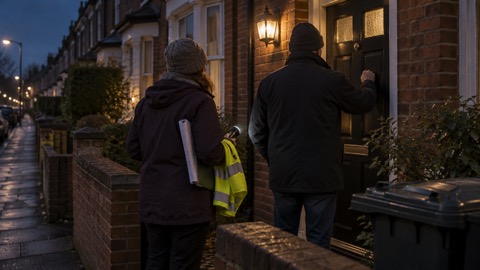
Councils across the four nations make buildings available in this way. Belfast City Council's emergency role includes making buildings such as leisure and community centres available to people27. Local authorities generally work with communities and support local residents to ensure support is coordinated, reaching out to those in most need of help and thinking ahead to the community's needs in order to recover28. A community emergency group may assist with door knocking or delivery of emergency messages, looking after people in a rest centre, or identifying those who may need extra help to move to safety29.
Pets at a shelter
Plan ahead for pets, because not every shelter will take them. Some emergency shelters cannot accept pets, and it may be difficult, if not impossible, to find shelter for your animals in the midst of a disaster30. Some emergency shelters only permit animals that assist people20. West Yorkshire Prepared advises that not all shelters are suitable for pets, so consider where you might take them in an emergency, and ask friends or family if they would be able to look after your pet25. If you and your pet cannot stay together, call friends, family members, veterinarians or boarding kennels in a safer area to arrange safe foster care30. Keep pet food and treats in your emergency kit19, and listen to local emergency services when asked to evacuate or shelter at home31. Our pets and animals guide covers this in full.
Where to get help and training
Your first port of call is your local authority or local resilience forum: that is who registers hubs, sends kits and runs the schemes1. Individuals can also find out how to get involved with their community before, during and after an emergency by visiting a local volunteer centre or searching online11. Greater Manchester advises joining or supporting a local volunteering or community group before an emergency happens, such as a local charity, a flood action group or a Neighbourhood Watch32.
Training and practice events exist. Ceredigion's community resilience advice includes having a community emergency plan as a feature of a resilient community33, and Cornwall's Community Gateway works closely with the Community Hubs across Cornwall and with the NHS and Cornwall Council34.
For the surrounding work a hub supports, see checking on vulnerable neighbours, neighbourhood phone trees and calling lists, good neighbour schemes and parish and town councils in an emergency. If you are simply preparing your own household rather than a whole community, start with getting started: preparing your household for an emergency.
Sources (34)
- Set up a Community Emergency Information Hub, Surrey County Council, reviewed 1 June 2026
- Emergency Contact Hubs, Wiltshire and Swindon Prepared, 2026
- Community resilience: Community Emergency Hubs, Buckinghamshire Council, 2026
- Teamwork and roles, Wiltshire and Swindon Prepared, 2026
- Emergency Contact Hub leaflet, Wiltshire and Swindon Prepared, 2025
- What will you find at the hub, Wiltshire and Swindon Prepared, 2026
- Emergency Contact Hub guidance, Wiltshire and Swindon Prepared, 2026
- Spotlight on Emergency Contact Hubs, Wiltshire and Swindon Prepared, 2026
- Spotlight on Emergency Contact Hubs (ECHs) scheme, Wiltshire and Swindon Prepared, 2026
- Community response planning, West Yorkshire Prepared, 2026
- 2023 National Risk Register, Cabinet Office, 2023
- Community resilience in Essex, Essex Prepared, 2026
- Developing community resilience, Essex Prepared, 2026
- Our role in emergency planning, Nottinghamshire County Council, 2026
- Flooding responsibilities, Derbyshire County Council, 2026
- Preparing for emergencies: a guide for communities, Cabinet Office, September 2016
- Emergency planning: community resilience, Carmarthenshire County Council, 2026
- Flood Smart Living, Suffolk County Council, November 2024
- Get help and advice in an emergency, Lincolnshire County Council, 2026
- Prepare yourself, Greater Manchester Combined Authority, 2026
- Escape - Fire Kills, Fire Kills
- Community Resilience Plan, Wiltshire and Swindon Prepared, 2025
- Emergency Alerts factsheet, Saltford Parish Council, April 2023
- Aberaeron Community Emergency Plan, Aberaeron Town Council, 8 May 2024
- Pets, West Yorkshire Prepared, 2026
- Preparing for civil emergencies in Argyll and Bute, Argyll and Bute Council, 2026
- Emergency planning, Belfast City Council, 2026
- Partnership working in emergency management, Ready Scotland, March 2026
- Responding and recovering, Argyll and Bute Council, 2026
- How you prepare for an emergency: pets and livestock, Slough Borough Council, 2026
- Your pets, Wiltshire and Swindon Prepared, 2026
- Prepare your community, Greater Manchester Combined Authority, 2026
- Community resilience, Ceredigion County Council, 2026
- Winter support and Community Hubs, Cornwall Council, 14 January 2025
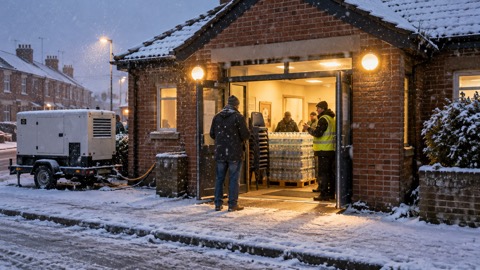 Emergency Hub Kit Checklist
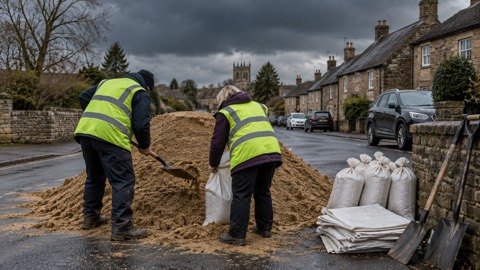 Severe Weather Tasks for Groups
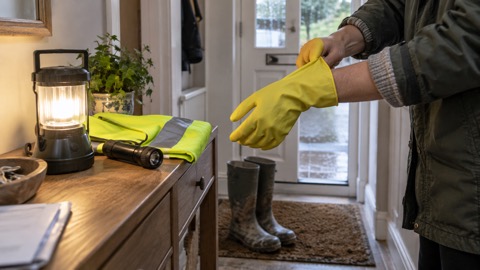 Flood Warden Checklist
 Setting Up an Emergency Group
 Volunteering in Emergencies
 What Volunteers Can Safely Do
 Community Flood Plans
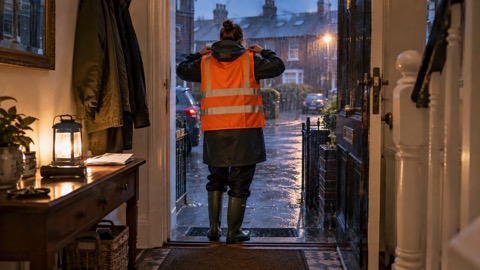 Flood Wardens
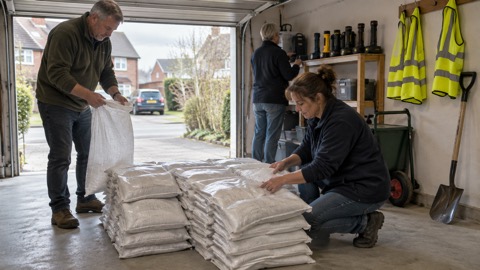 Starting a Flood Action Group
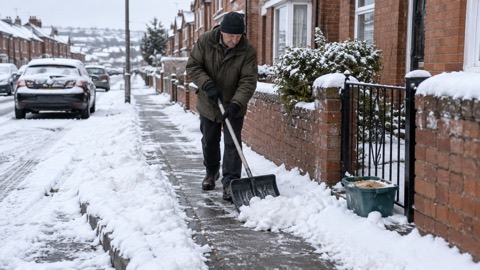 Clearing Snow and Ice
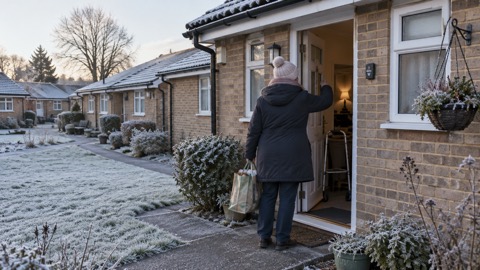 Checking Vulnerable Neighbours
 Neighbourhood Phone Trees
 Registering and Looking After a Village Defibrillator on The Circuit
 Funding Resilience Groups
 Voluntary Organisations