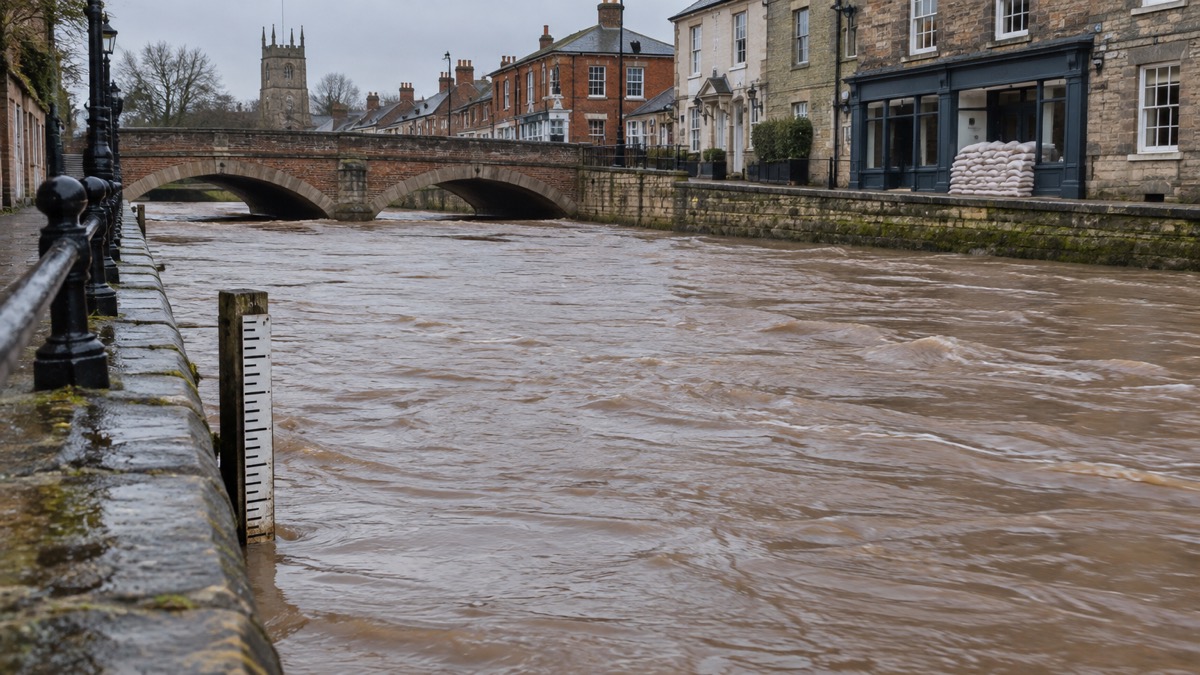
Most community emergency plans are switched on by a call from the emergency services. The plan should say, before anything happens, how responders will reach your group and how you reach them, so that when an incident starts you know whether you are being asked to help1. That call is the usual trigger, and it is the one to plan around.
Not every activation waits for it. Some communities run a building, such as an emergency hub, that opens when local people judge the need, without waiting for authorisation from responders2. And whatever your plan says, the first action in an emergency is the same: if life is in danger, call 999 if you have not already been alerted3.
This page covers who decides to activate a plan and when, how to tell people it is running, what a plan covers, and where to get advice on writing, testing or joining one in your area.
Most plans start with a call from the emergency services
The working assumption in official guidance is that your group and your local responders have agreed, as part of planning, how they will contact you and how you can contact them. The guidance puts it plainly: it may be that you will activate your plan in response to a call from them1. That single arrangement decides most activations, and it is worth checking that your plan records it: who rings whom, on what number, and what the caller will ask you to do.
The reason to settle it in advance is that an emergency is the worst time to exchange contact details. When an emergency happens, it is best to have a plan in place so you know who to contact and how your group will support your community and the emergency response6. A template gives you the outline of the key information to capture7.
Two things follow for the household reader who is not in the group. First, if a responder or a community volunteer contacts you, they are working to a plan, and you can ask which organisation they represent. Second, if you are in the group, the contact arrangement belongs in the plan in writing, not in someone's memory.
"agreed how they will contact you, and how you can contact them, so it may be that you will activate your plan in response to a call from them"
Who decides, and what counts as a trigger
The decision to activate sits with whoever your plan says it sits with, and the plan should name them. Argyll and Bute's guidance is built around helping you decide how and when you should activate your plan and manage communications, and what to consider when it is activated8. If your plan does not answer "who decides", that is the first thing to fix.
A trigger is an event with a local impact that needs direct action. The Aberaeron Community Emergency Plan describes its response phase as triggered when an incident occurs which has an impact on the community which requires direct action to be taken4. That is a useful test for any group: not "is this serious in the news" but "does it require us to act here".
| Situation | Who usually decides | What to do |
|---|---|---|
| Responders ask for your group's help | The responder who calls, working to the agreed arrangement1 | Follow the plan's contact route and record what you are asked to do |
| A hub is needed for information or warmth | The community, through the hub coordinator2 | Open it, make the coordinator known, and publicise the opening2 |
| Life is in danger | Anyone present | Call 999 if not already alerted3 |
For a hub, the guidance is to establish a hub coordinator and make sure everyone knows who that is; the role can be given to several people and swapped between them10. That matters when the first named person is unavailable, which is common in a local incident.
Telling people the plan is running
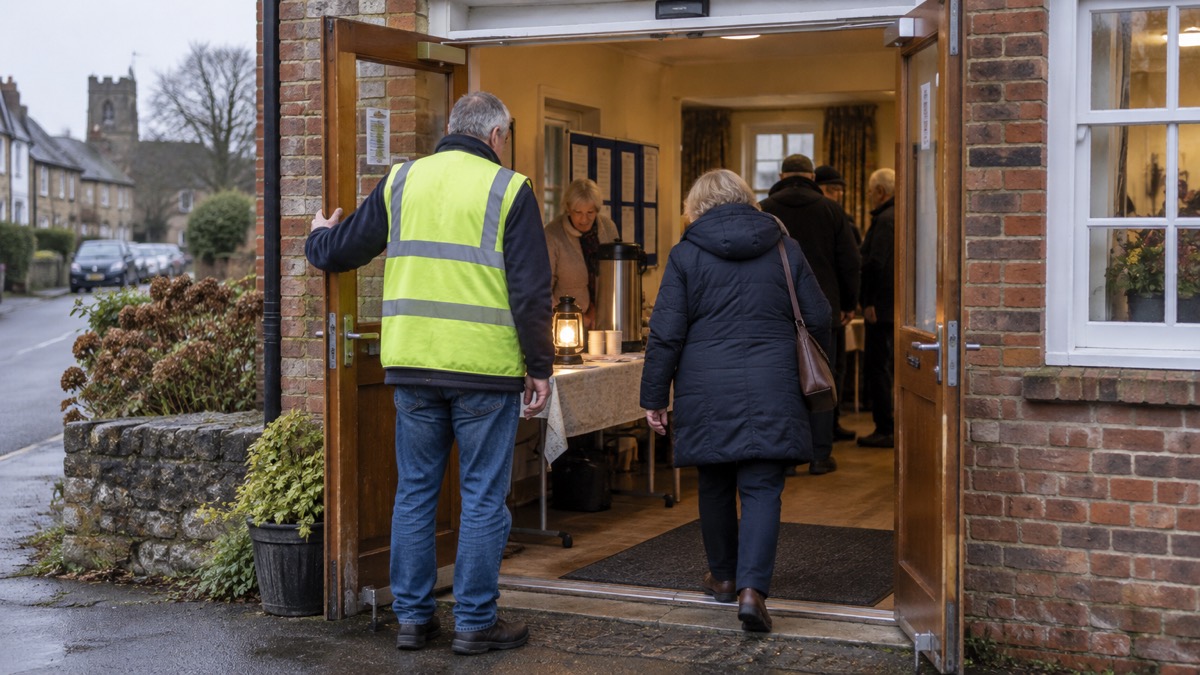
Activation is only half the job; the other half is communication, and the plan should cover how you manage it8. Where a hub is involved, the responsibility is explicit: if the hub becomes active in an incident, it is up to your own community to publicise this, and any notification of activation will be published on the corresponding local authority web page2. So the community does the local telling, and the council page carries the official notice.
Practical ways to spread the word about a community plan, from Scottish guidance, include11:
- raising it at meetings of your community groups and with other groups in the area
- delivering leaflets to local households, and leaving them in shops, pubs and other services
- using community websites, newsletters, local papers and social networking
- sending information home with school children
- using social contacts to spread the word
The same channels serve an activation. Keep a short, plain message ready: what has happened, where the hub or information point is, what people should bring, and what they should not do. Do not rely on a single method. Natural Resources Wales advises community flood plans not to rely on a mobile phone as the only means of communication12.
What a community emergency plan covers
A plan helps a community prepare for, respond to and recover from emergencies using its own strengths, its skills, knowledge and resources, while complementing official efforts15. It is not a rival to the emergency services; it is the local part of the response.
Nottinghamshire sets out what a plan is for: providing a coordinated response from the local community, identifying key contacts and resources in the locality, identifying places of safety if residents need to evacuate, identifying vulnerable people or groups who may need additional assistance, identifying local hazards, and helping keep residents informed16. A North Yorkshire template splits the document into 11 sections: the emergency action group, liaison roles, local risks, a local rest centre, vulnerabilities and assets, local resources, communication, emergency contact details, training and exercises, useful information, and plan updates and data protection17.
That list is a good checklist for a group reviewing its own plan. If any section is blank, the plan will struggle at the moment it is needed. For households, the vulnerable-neighbours section is the one that most often matters: knowing who may need help, and who has agreed to check, is the difference between a plan and a document.
Getting help with your community's plan
Start by finding out whether a plan already exists. Essex's guidance is to contact your district, borough, city or unitary authority or your community group leader, and if there is no plan, to think about developing one5. Becoming familiar with the existing plan comes first; if your community does not have one, encourage local representatives such as the parish council to create one18.
If you are starting from scratch, build support before paperwork. Scottish guidance is clear that you need support from your community for a plan to work, and that people need to be prepared to sign up and offer to help if an emergency happens11. A plan written by two people and unknown to everyone else will not activate.
Then make contact with your council's resilience team. The routes differ by area, so use the one that covers you:
| Area | Route for advice or to register a plan |
|---|---|
| Belfast | Email the council for more information about starting a community emergency plan in your area19 |
| Ceredigion | Email ccu@ceredigion.gov.uk to complete your own community or family emergency plans20 |
| Buckinghamshire | Email the resilience team for guidance or to tell the council about your plan10 |
| North Yorkshire and City of York | Send plan updates to the resilience and emergencies team by email17 |
| West Yorkshire | Register through the community response plan page and a community resilience officer will send a plan to fill in21 |
For a flood plan specifically, Herefordshire offers a template to develop a plan for dealing with flooding emergencies in your community22. Central Bedfordshire suggests a plan could include signing up for flood alerts, knowing how to turn off utilities in an emergency, and having sandbags or other flood barriers ready to deploy23. At household level, the advice is simpler still: sign up for flood warnings24. You can find your nearest flood action group, community flood wardens or community hub through your council or the National Flood Forum25.
Hubs, flood plans and testing: keeping the plan ready
A community emergency hub is a building the community has chosen and prepared, and setting one up follows a sequence: get together as a community and decide you want to be part of the scheme, agree the key principles, decide on a building, then contact the council to register interest9. In Buckinghamshire, a community can email the council to request a kit or set up a hub10.
Hubs earn their place in a power cut. Wiltshire's guidance describes a community using the hub to identify and assist vulnerable people, share out torches and lights to the most vulnerable, use heating resources to keep as many warm as possible, work together on local issues appropriate for community response, and liaise with the power company and responders on site2.
A flood plan is a separate document worth having where flooding is a risk. Wiltshire's flooding pages advise creating a community flood plan26. Cambridgeshire's community flood group resources include a webinar covering what to include in a community flood plan, GDPR implications, warning triggers, equipment and insurance, and reviewing, updating and testing the plan27. A second webinar covers warning triggers for flooding, flood planning, flood insurance, property flood resilience and community resilience27.
Testing is what turns a plan into something people can use. Argyll and Bute's guidance covers practising and checking the plan and who to keep in touch with while doing so8. Wiltshire case studies describe communities running table top exercises or physical exercises to test their emergency or flood plan and their hub, from a simple discussion to setting the hub up with a flooding scenario28. Some communities meet regularly at their hub to develop plans, practise setting it up and spread the word about its role29.
For the wider picture of how local groups fit with councils and responders, see Community Resilience: A Guide for Neighbours and Local Groups and How Councils and Emergency Services Work With Local Groups. If you are forming a group, start with Setting Up a Local Emergency Group; if you are writing the flood section, see Community Flood Plans; and to rehearse the plan, How to Test and Review a Community Emergency Plan.
Sources (29)
- Respond and recover, Ready Scotland, 2026
- Emergency Contact Hub leaflet, Wiltshire and Swindon Prepared, 2025
- Your Home Emergency Plan, Royal Borough of Windsor and Maidenhead, 2025
- Aberaeron Community Emergency Plan, Aberaeron Town Council, 2024
- Community resilience, Essex Prepared, 2026
- Information for communities and community groups, Prepare, 2026
- Prepare your community, Greater Manchester Combined Authority, 2026
- How to make a community emergency plan, Argyll and Bute Council, 2026
- Set up a Community Emergency Information Hub, Surrey County Council, 2026
- Community resilience, Buckinghamshire Council, 2026
- Who to work with, Ready Scotland, 2026
- Community flood plan, Natural Resources Wales, 2026
- Emergency alerts service, Croydon Council, 2026
- Wildfires: protecting your home and garden, London Fire Brigade, 2026
- Why make a plan, Ready Scotland, 2026
- Community resilience, Nottinghamshire County Council, 2026
- Community Emergency Plan template, North Yorkshire Local Resilience Forum, 2025
- Developing community resilience, Essex Prepared, 2026
- Emergency planning, Belfast City Council, 2026
- Community resilience, Ceredigion County Council, 2026
- Community Response Planning, West Yorkshire Prepared, 2026
- Community resilience, Herefordshire Council, 2026
- Homeowner flood protection responsibilities and prevention tips, Central Bedfordshire Council, 2026
- Personal flood plan, GOV.UK, 2023
- Prepare for flooding, GOV.UK, 2026
- Flooding, Wiltshire and Swindon Prepared, 2026
- Community flood group resources, Cambridgeshire County Council, 2026
- Spotlight on Emergency Contact Hubs, Wiltshire and Swindon Prepared, 2026
- Spotlight on Emergency Contact Hubs, Wiltshire and Swindon Prepared, 2026
 Emergency Hub Kit Checklist
 Severe Weather Tasks for Groups
 Flood Warden Checklist
 Testing an Emergency Plan
 Emergency Volunteer Insurance
 How Long to Wait for Help
 RAYNET Emergency Radio
 Volunteer Shopping Delivery
 Local Group Constitution
 GoodSAM Responder Alert App