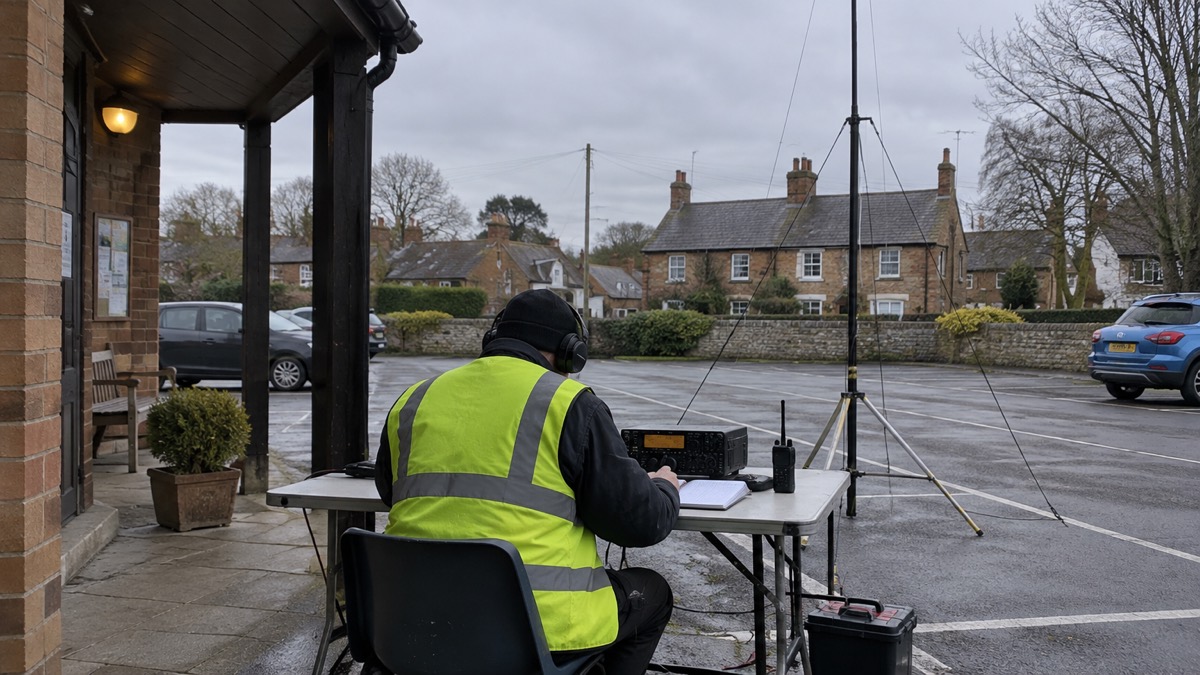
RAYNET is the Radio Amateurs' Emergency Network: a national body of amateur radio operators who have all pledged to provide communications in times of emergency1. Official guidance names RAYNET-UK alongside Communities Prepared, the British Red Cross, REACT and 4X4 Response UK as one of the specialist national organisations that work with volunteers to respond to local and national emergencies2. In practice, that means trained radio operators who can pass messages between the emergency services, councils and community groups when ordinary phone networks are stretched or down.
For your household, the practical points are simple. RAYNET does not replace 999, and you cannot call it for help. What it does is keep communications running behind the scenes during floods, power cuts and major incidents, so that the people coordinating the response can talk to each other. If volunteers are working nearby, your job is the same as in any emergency: look after your own household, check on neighbours, and get your information from official channels.
The sections below explain what the network does when phones and power fail, how it has supported communities during floods, what to do if you see volunteers at work, and how to join or support a local group.
A volunteer radio network that supports the emergency services
RAYNET's full name is the Radio Amateurs' Emergency Network, usually shortened to RAYNET6. It is made up of amateur radio operators, people who hold radio qualifications and keep radio equipment at home, who have pledged to use those skills for public benefit when something goes wrong1. The network is organised nationally through RAYNET-UK, with local groups covering their own areas.
The reason a network like this matters is that modern emergency response depends on communications. When a flood, storm or power failure knocks out phone lines and mobile coverage in an area, the organisations responding need a way to talk to each other that does not depend on the same infrastructure everyone else is using. Amateur radio fills that gap: it needs no phone network, no internet connection and no mains power at the point of use.
Official guidance for community emergency planning puts RAYNET in context. It lists the specialist national organisations that work with volunteers to respond to local and national emergencies, and RAYNET-UK is one of them, alongside Communities Prepared, the British Red Cross, REACT and 4X4 Response UK2. Scottish guidance makes the same point in its own words, describing how amateur radio groups like the Radio Amateurs' Emergency Network can be used to communicate with each other, alongside receiving information via radio stations7.
That places RAYNET firmly in the "supporting" role rather than the "responding" role. Volunteers are not firefighters, medics or rescue technicians. They are communicators, and their value is greatest exactly when the usual ways of communicating have failed.
What RAYNET does when phones and power fail
The scenario RAYNET is built for is the one where the phones stop working. Power cuts are the common cause. Official guidance notes that if your landline will not work during a power cut, your landline provider might offer you a free solution, such as a back-up battery unit, for a minimum of one hour, that would enable you to call the emergency services if you needed to5. It also advises contacting your landline provider to check whether your phone will work during a power cut, especially if it is your only way of making emergency calls or you have a telecare kit connected5.
The digital phone switchover adds a further wrinkle. Guidance on the change explains that if you have a mobile phone this can still be used, but if you have no other means of calling the emergency services, your telecoms provider will offer a solution to allow calls to be made8. In other words, the systems most households rely on have fallbacks, but those fallbacks are not guaranteed to cover a long outage or a wide area.
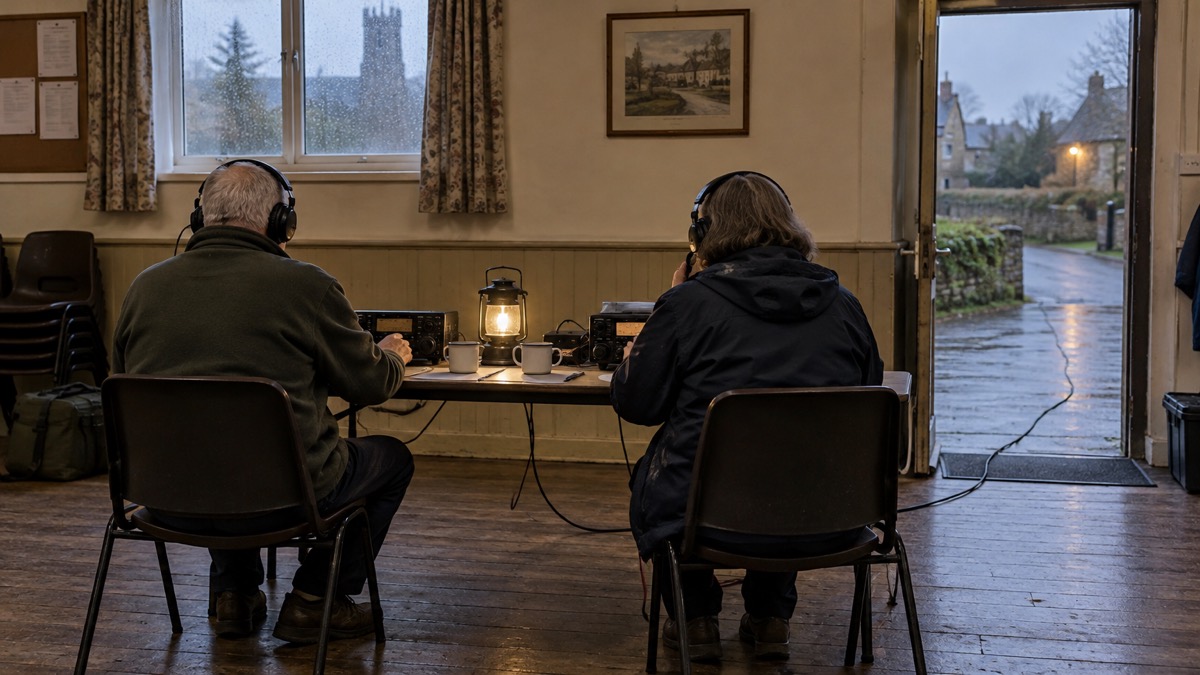
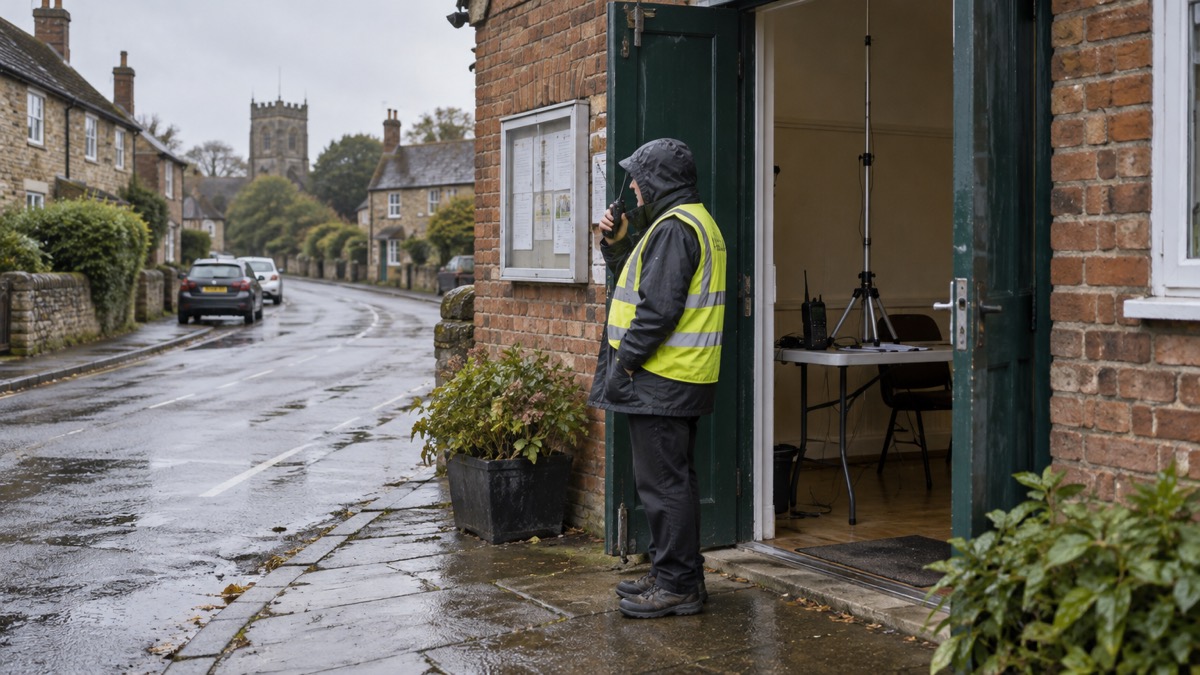
That is where radio comes in. Amateur radio needs no exchange, no mast and no mains supply at the operating point. A volunteer with a battery-powered set and an antenna can pass messages when the mobile network is congested or down. The network's role is to keep the response coordinated: passing situation reports, requests for resources and welfare messages between the organisations that need them.
For a household, the lesson is not to buy radio equipment. It is to understand that communications may fail, and to prepare for that:
- Keep an FM radio that is battery or wind up powered, and write down the frequencies of the national or local stations you use for news4.
- If a power outage is prolonged, a wind up radio is a good purchase, often with a point to plug your mobile phone in to keep the battery topped up9.
- Write down important numbers on paper, so they are available when a phone battery dies.
- Know how to report a power cut to your network operator; in Northern Ireland, the NIE Networks Customer Helpline is the number to use if your power is off and you want to report it or get more information10.
How RAYNET has helped during floods
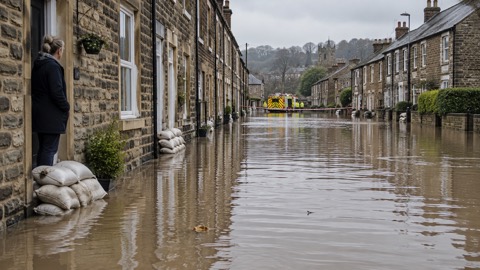
Floods are the emergency where radio communications most often prove their worth, because flooding tends to take out the same infrastructure that communities rely on: roads, power and phone lines. Official flood guidance for households is built around warnings and local contacts, and radio operators fit into that picture as a way of keeping messages moving when other channels fail.
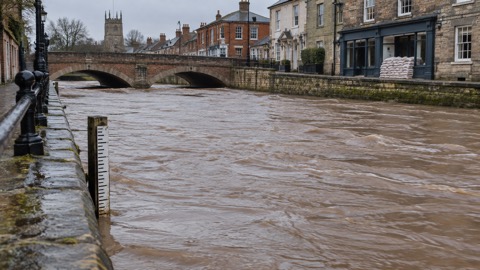
The formal structure for flood response in England and Wales runs through the Environment Agency's flood warning system, which is for properties at risk of river, tidal or groundwater flooding11. The Floodline service is a 24-hour service12, and it uses gauges at strategic locations in main rivers to identify rivers rising past specific thresholds13. In Scotland, SEPA runs its own arrangements: if your property is within an area covered by a SEPA flood monitoring system, you will be able to sign up to receive a targeted Flood Warning message for your local area14.
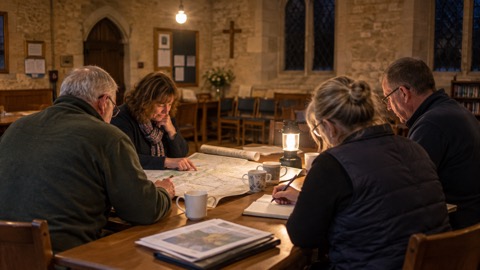
Where RAYNET and similar groups come in is at the community level, alongside the formal warning systems. Community flood plans are expected to set out how information is shared within the community, and a plan should include details about the flood risk in your area, a list of contacts including the community flood lead and flood volunteers, how to report an incident, actions to take before, during and after a flood, when you should take action, how to share information within the community, and how often the plan will be tested and reviewed15. Radio operators can be listed among those contacts where a local group uses them.
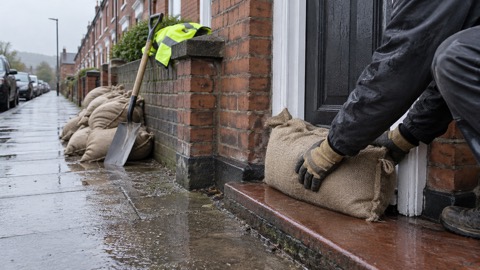
Flood wardens are the other volunteer role that works alongside this. In one Welsh community scheme, flood wardens can help keep streams and culverts near your home clear if you are unable to do so, provided they are not running fast or deep, contact you if there is a flood risk, keep in touch during a flood, advise where you can get sandbags, deliver sandbags if not busy elsewhere, advise about flood planning, work with you to keep an eye on streams, culverts and drains, and support the local authority if they close roads or open a rest centre16. The Environment Agency runs a Flood Warden scheme which flood risk communities can volunteer to join13, and the network is keen to expand into larger towns and cities, with volunteers likely linked to parishes, wards or existing community groups17.
What your household should do when RAYNET volunteers are working nearby
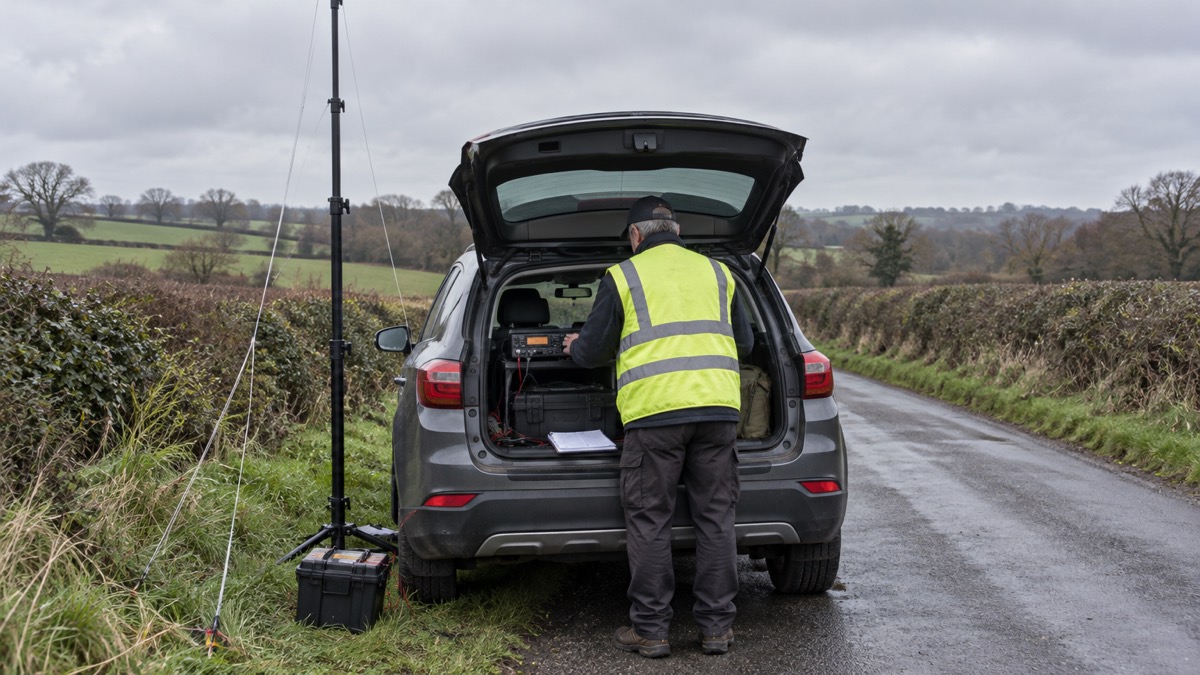
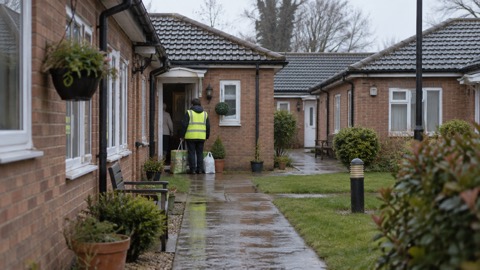
If you see radio operators setting up in a community hall or car park during an incident, the right response is to leave them to their work and get on with your own preparations. Their job is to keep the responding organisations talking; they are not there to answer household queries.
What you should do is the same as in any emergency, and the official guidance is consistent across the UK:
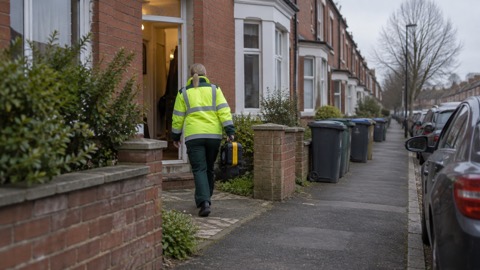
- Be a good neighbour and consider whether anyone in your local community might require assistance in an emergency, including older people and families with young children or pets18.
- If you have vulnerable neighbours, make sure they know what they need to do in an emergency19.
- Help them by preparing their home before an emergency, picking up extra food, water, toiletries or medications, making sure they have important numbers written down, and keeping in contact by phone or visiting them if it is safe to do so20.
- Swap contact details with neighbours and consider creating an instant messaging group or other closed online social network for your street or building, an important source of information and support during an emergency4.
- Find out if any elderly or vulnerable neighbours might need your help21.
Households should also understand local risks such as flooding, identify family members needing extra assistance, have insurance and somewhere to go, know the location of useful items such as torches and a battery powered or wind up radio, and have working smoke alarms22.
If you need information during an incident, use official channels: your council, your utility provider, the flood warning service for your nation, and local radio. The Staying Informed and in Touch in an Emergency guide covers how to set up those channels before you need them.
Joining or volunteering with RAYNET
RAYNET is a volunteering route for people who already hold, or are willing to gain, amateur radio qualifications. The published guidance describes RAYNET-UK as a national body of amateur radio operators who have all pledged to provide communications in times of emergency1, so the starting point is radio competence rather than emergency response training.
If you are interested, the practical steps are:
- Contact RAYNET-UK, the national body, and ask which local group covers your area and what they need from new members.
- Consider the wider volunteering landscape. Official guidance advises joining or supporting a local volunteering or community group before an emergency happens, such as a local charity, a flood action group or a Neighbourhood Watch2.
- Look at other routes into emergency volunteering. The British Red Cross runs a Fire and Emergency Support Service, and you can find more information on volunteering in emergencies on its website22.
There are other volunteer roles that suit people who want to help but do not want to take up radio. The Volunteering in Emergencies guide sets out the range. Examples in official guidance include the Fire and Emergency Support Service provided by the British Red Cross, which has its own volunteering information23, and ResusReady, which you can register for through the Resuscitation Council UK website to add yourself to the growing network of people24. Local volunteer centres also help: one example supports individuals to find rewarding volunteering opportunities and helps charitable organisations gain volunteers and look after them, through general guidance or training courses25.
Where RAYNET fits in a community flood plan
A community flood plan is the document that sets out who does what before, during and after a flood. Official guidance says a plan should include details about the flood risk in your area, a list of contacts including the community flood lead and flood volunteers, how to report an incident, actions to take before, during and after a flood, when you should take action, how to share information within the community, and how often the plan will be tested and reviewed15. A resilient community is expected to have a community emergency plan26.
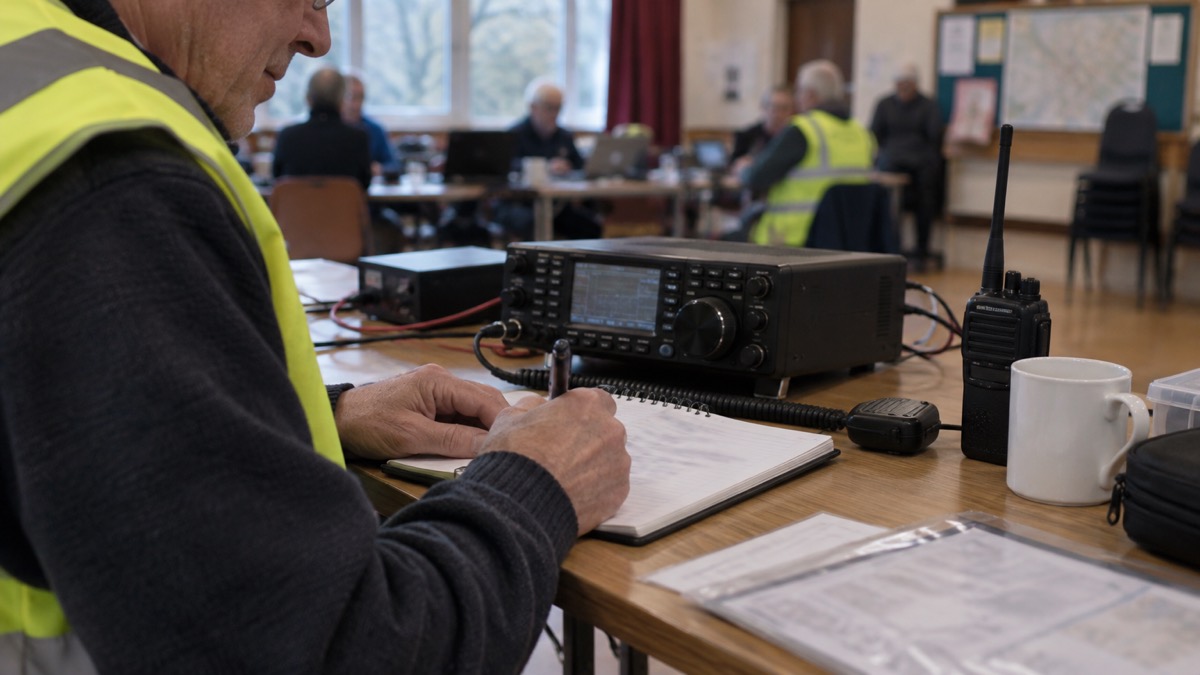
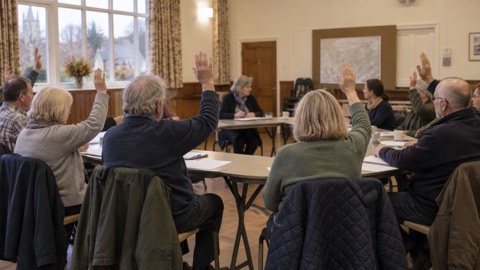
Radio communications belong in the "how to share information" part of that plan. If your community has a RAYNET group or another radio operator willing to help, list them among the contacts and agree in advance how they will be reached and what they will do. The Community Flood Plans guide covers the full structure.
The plan should also connect to the formal warning systems. In England, the Environment Agency's flood warning system is for properties at risk of river, tidal or groundwater flooding11. In Scotland, SEPA's system covers properties within an area covered by a SEPA flood monitoring system14. Your local council is your lead local flood authority for surface water flooding and may have further information and advice on their website11.
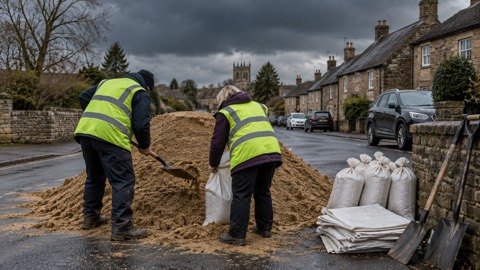
Flood signage is one of the practical jobs a resilient community can take on: official guidance for resilient communities includes activating flood signage in their areas27. Flood wardens and radio operators can work alongside each other on days like that, with wardens on the ground and radio keeping the messages moving.
Sources (27)
- Volunteering and helping others, Prepare (UK Government), 2026-10-19
- Prepare your community, Greater Manchester Combined Authority, 2026-10-29
- When to call 999, Northern Ireland Ambulance Service, 2026-10-29
- Get prepared for emergencies, Prepare (UK Government), 2026-10-21
- Power cuts, Be Ready (UK Government), 2026-10-21
- Responding and recovering, Argyll and Bute Council, 2026
- Community emergency planning guide: respond and recover, Ready Scotland, 2026-03
- Digital phone switchover, Argyll and Bute Council, 2026
- Failure of national electricity, Wiltshire and Swindon Prepared, 2026-10-25
- Thunderstorms weather warning: advice and information, nidirect, 2026-08-30
- Preparing yourself for flooding incidents, London Resilience Partnership, 2026-10-25
- Check flooding, GOV.UK, 2026-10-29
- Preparing for flooding, Nottinghamshire County Council, 2026-10-29
- Sign up to Floodline | Floodline, SEPA (beta.sepa.scot)
- Community flood plan, Natural Resources Wales, 2026-10-29
- Adverse weather events, Llangattock Community Council, 2026-10-25
- Flood wardens, Wiltshire and Swindon Prepared, 2026-10-25
- Preparing yourself for emergencies, London Resilience Partnership, 2026-10-25
- Preparing for a flood, London Fire Brigade, 2026-10-25
- Make an emergency plan for your home - Ready Scotland, Ready Scotland
- Emergency advice for residents, Warwickshire County Council, 2026-10-29
- Community resilience | Oxfordshire County Council, Oxfordshire County Council
- Fire and Emergency Support Services, Northern Ireland Fire and Rescue Service, 2026-04-03
- Cardiac arrest, East of England Ambulance Service, 2026-10-29
- Community involvement, Dorset Prepared, 2026-03-25
- Community resilience, Ceredigion County Council, 2026-10-29
- Resilient communities, Scottish Borders Council, 2026-10-29
 Emergency Hub Kit Checklist
 Severe Weather Tasks for Groups
 Flood Warden Checklist
 Testing an Emergency Plan
 Activating an Emergency Plan
 Emergency Volunteer Insurance
 How Long to Wait for Help
 Volunteer Shopping Delivery
 Local Group Constitution
 GoodSAM Responder Alert App