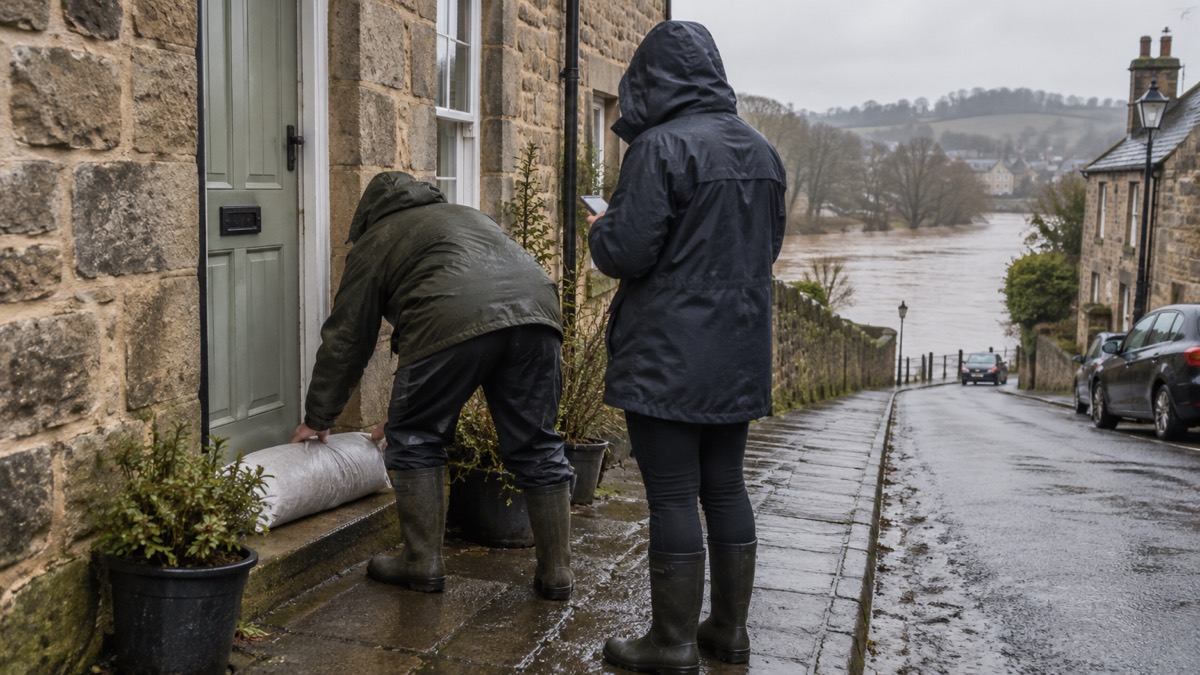
Flood warnings in the UK come in three levels: a flood alert, meaning flooding is possible so be prepared; a flood warning, meaning flooding is expected so take action; and a severe flood warning, meaning severe flooding is expected and there is a danger to life1. The levels are the same across England, Scotland and Wales, though each nation's environment body issues them under its own name1.
The difference between the levels is the difference between an early heads-up and an emergency. A flood alert can arrive 2 to 48 hours ahead, and the issuing bodies aim to send it around 24 hours before flooding is expected3. A flood warning is aimed at 3 to 6 hours before flooding, and in some areas where rivers respond very quickly to rainfall that time may be shorter3. A severe flood warning has no fixed notice period at all, because it depends on what is actually happening on the ground3.
The single most useful thing you can do is sign up for the free warning service, which sends warnings direct to your mobile, home phone or email6. If you live in an area at risk of flooding, you can get messages about flooding from rivers, the sea or groundwater, depending on your area6. Warnings cannot be sent for surface water, or flash flooding, so for that you need the Met Office's severe weather alerts instead6.
The three levels side by side
Across England, Scotland and Wales the warning codes work the same way. The Environment Agency issues them in England, SEPA in Scotland and Natural Resources Wales in Wales10. Each level has a plain meaning, a timescale and a set of actions attached to it.
| Level | What it means | Typical notice | What to do |
|---|---|---|---|
| Flood alert | Flooding is possible. Be prepared4 | 2 to 48 hours, aimed at around 24 hours3 | Stay alert and vigilant, make early preparations11 |
| Flood warning | Flooding is expected. Take action4 | Aimed at 3 to 6 hours, sometimes less3 | Immediate action: protect yourself and your property11 |
| Severe flood warning | Severe flooding is expected. Danger to life4 | No fixed notice period3 | Call 999 if in immediate danger, follow emergency services' advice12 |
One point matters more than any other: the three levels are not always used in sequence. In a flash flood, a severe flood warning may be issued immediately with no preceding alert or warning13. Never wait for the "next step up" before acting, and never assume that because you have only had an alert, a warning will follow before water arrives.
Flood alert: flooding is possible, so be prepared
A flood alert is the first and earliest level. It means flooding is possible, and it is issued to raise awareness of flood risk over a wide area before anyone can say which streets will actually get wet4. In Scotland, SEPA describes it as providing an early indication of potential flooding from coasts, rivers or surface water14. It is issued for all sources of flooding, including fluvial (river), coastal and surface water flooding4.
Alerts cover large geographical areas, usually the boundaries of local authorities11. Scotland is covered by 19 flood alert areas for the whole country3. Because an alert is broad, it does not mean your home will flood. It means the conditions are such that flooding somewhere in that area is possible, and you should use the time to get ready.
What "be prepared" looks like in practice:
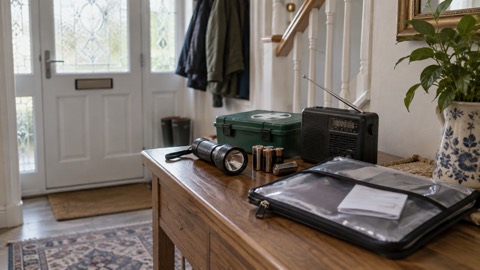
- Prepare a flood kit of essential items, including medicines and insurance documents12
- Monitor local river levels and check the five-day flood risk forecast12
- Farmers should consider moving livestock and equipment away from areas likely to flood12
- Stay alert and vigilant, and make early preparations for potential flooding11
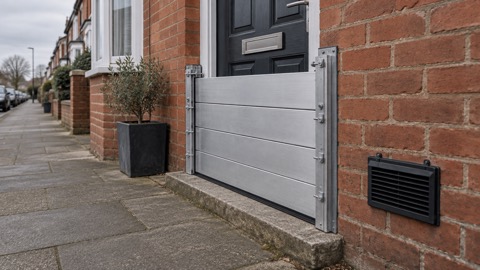
The value of the alert is time. Community flood wardens in Derbyshire are advised to sign up for both alerts and warnings precisely because the alert, often sent first, gives more time to prepare13. Use that time to check your household flood plan and to get any flood protection equipment, such as door barriers or airbrick covers, out of storage and ready to fit.
Alerts are usually issued between 7am and 9pm, but there may be occasions where they are issued at any time of day, for example when there is a change in the forecast3. In England, flood alerts are usually issued during waking hours where possible1.
Flood warning: flooding is expected, so take action
A flood warning means flooding is expected, and immediate action is required to protect yourself and your property4. This is the level at which the warning stops being a general heads-up for a whole county and becomes specific: in Scotland, warnings cover a smaller area, usually community level, with 326 fluvial and coastal flood warning areas across the country, of which 207 are fluvial3. Targeted flood warnings go to properties located in affected areas, if the residents are signed up11.
A flood warning is issued at any time of the day or night3. SEPA aims to issue it 3 to 6 hours in advance of expected flooding, but in some areas rivers respond very quickly to rainfall, so this time may be shorter3. One local resilience guide puts the range at half an hour to one day in advance of flooding7. Treat the shorter end as your planning assumption, especially if you live near a fast-responding river.
When a flood warning arrives, act immediately:
- Turn off gas, water and electricity supplies if it is safe to do so12
- Move things upstairs or to safety, and move family, pets and your car to safety15
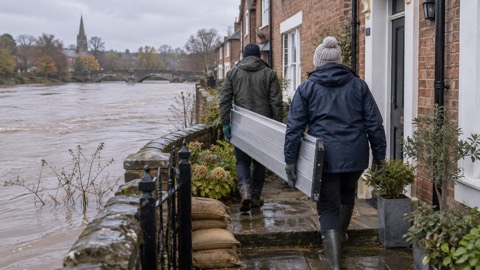
- Put flood protection equipment in place12
- Follow the checklist for when a flood warning is issued
For detailed step-by-step guidance on each of these actions, see what to do during a flood at home and turning off gas, electricity and water before a flood.
Severe flood warning: danger to life
A severe flood warning means severe flooding is expected and there is a danger to life4. It is issued when flooding will pose a significant risk to life3. In Wales, Natural Resources Wales states it plainly: "Severe Flood Warning. Danger to life."12
Severe flood warnings are triggered by real events, not just forecasts. They are issued for actual flooding where conditions pose a significant risk to life or widespread disruption to communities, for on-site observations from flooded locations, and for a breach in defences or the failure of a tidal surge barrier or dam that is likely to cause a significant risk to life7. In Scotland they are issued in consultation with local authorities and other responders3.
The conditions described at this level are serious: deep and fast flowing water, debris in the water causing danger, potential or observed collapse of buildings and structures, communities isolated by flood waters, critical infrastructure for communities disabled, a large number of evacuees, and military support17. A severe flood warning may also mean significant disruption to essential services such as water and electricity supplies5.
If a severe flood warning is issued for your area:
- Call 999 if you are in immediate danger12
- Stay in a safe place with a means of escape, and be ready to leave your home12
- Cooperate with the emergency services, and leave the area if they tell you to evacuate12
- Keep yourself and your family safe, and follow advice from the emergency services15
Severe flood warnings may be issued at any time of the day, for any of the flood warning areas3. Because of their exceptional nature, no service level target exists for how far in advance they are issued: it depends on external factors and expected impacts3. A severe flood warning can also be the first warning you receive, with no alert or warning before it13.
How much notice each level gives
The notice periods are not guarantees. They are what the issuing bodies aim for, and the real gap can be shorter, particularly where rivers rise fast after rain.
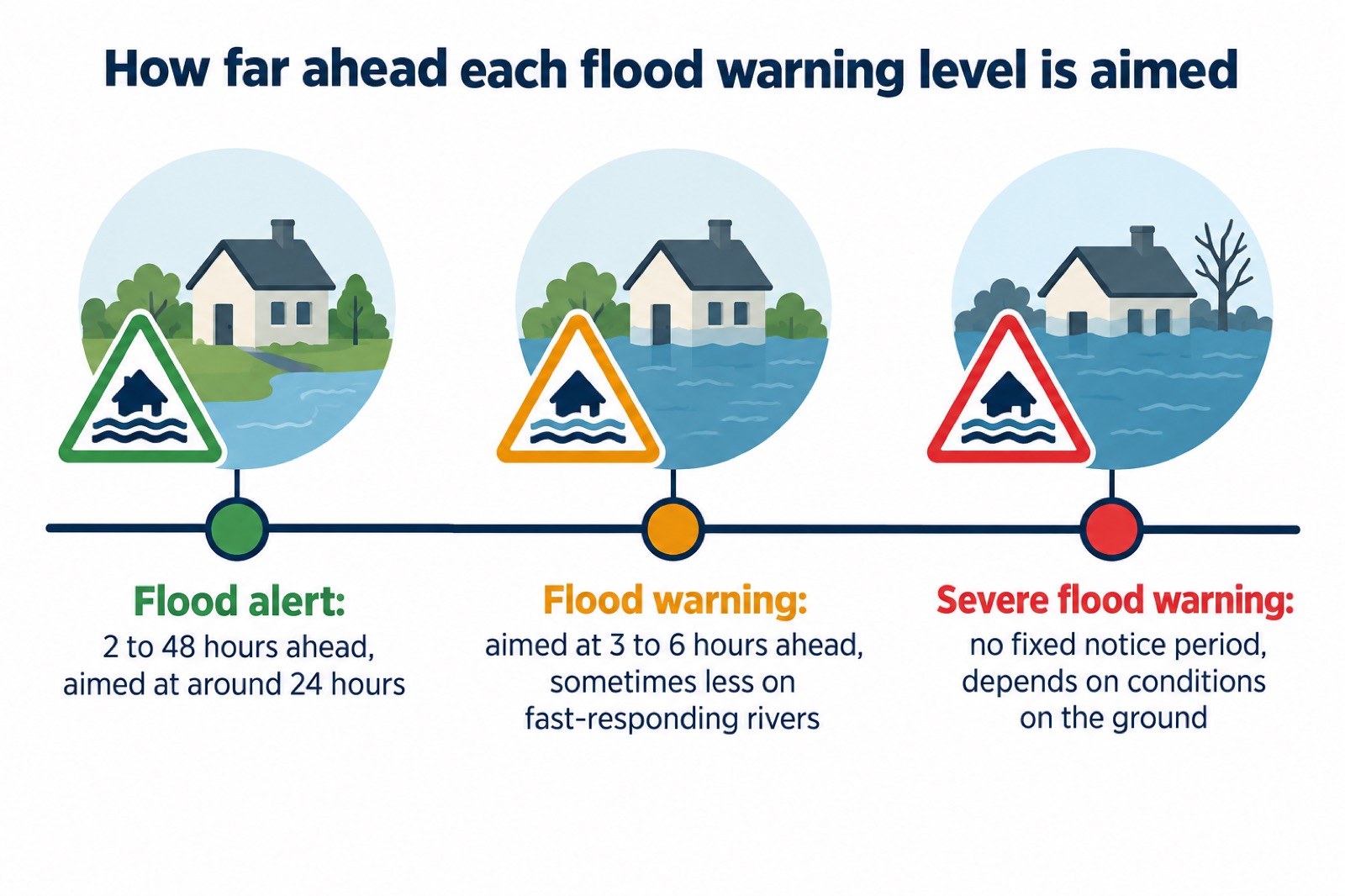
Three things can shorten your notice. First, fast-responding rivers: in some areas rivers respond very quickly to rainfall, so the 3 to 6 hour aim for flood warnings may not be met5. Second, the sequence is not fixed: a severe flood warning can be issued immediately, with no preceding code, for example in a flash flood13. Third, the time of day: flood warnings and severe flood warnings are issued at any time, day or night3, so a warning that arrives while you sleep still expects you to act.
Because of this, plan around the shortest realistic gap, not the longest. If your area can go from alert to water at the door in under an hour, your flood kit and protection equipment need to be reachable within minutes, not assembled after a warning arrives. The household flood plan page sets out how to write one.
What each level covers, from fields to deep fast water
Each warning level describes the kind of flooding expected, and the descriptions get steadily more serious. Knowing what each level covers helps you judge your own risk from a warning, because an alert for your area may describe flooding that never reaches your street.
| Level | Area covered | Flooding described |
|---|---|---|
| Flood alert | Large areas, usually local authority boundaries11; 19 areas across Scotland3 | Fields, recreational land and car parks, minor roads, farmland, and coastal areas affected by spray or waves overtopping1 |
| Flood warning | Smaller areas, usually community level3 | Flooding of homes and businesses, rail infrastructure, roads with major impacts, significant waves and spray on the coast, extensive flood plain inundation including caravan parks or campsites, and flooding of major tourist and recreational attractions17 |
| Severe flood warning | Any flood warning area3 | Deep and fast flowing water, debris causing danger, potential or observed collapse of buildings, communities isolated, critical infrastructure disabled, large numbers of evacuees, military support17 |
Two cautions come with this. First, a flood warning area is not a statement that every property in it will flood: the monitoring schemes send targeted flood warnings to properties located in affected areas, and only if the residents are signed up12. Second, the map categories that underpin these areas describe the chance of flooding in any given year, not flooding happening right now; for current flooding you need the live warning services. To understand what the map categories mean, Natural Resources Wales defines them by annual chance: very low means less than 1 in 1000 (0.1%) each year, low means between 1 in 1000 (0.1%) and 1 in 100 (1%), and high means greater than 1 in 30 (3.3%)19. Our page on checking your home's flood risk by postcode explains how to look your own property up.
Sign up for free flood warnings by phone, text or email
The warning service is free. If you live in an area at risk of flooding, you can get flood warnings direct to your mobile, home phone or email6. The service is free for individuals and small businesses with up to 10 locations, and sends warnings directly to you by phone, text or email20. Messages cover flooding from rivers, the sea or groundwater, depending on your area6.
How to register in each nation:
- England: sign up online to the Environment Agency's Flood Warning Service, or call Floodline on 0345 988 118821
- Scotland: register with SEPA to receive free advance notice of flooding direct to your phone by calling Floodline on 0345 988 118823. If your property is within an area covered by a SEPA flood monitoring system, you can sign up for a targeted Flood Warning message for your local area; if it is not, you can sign up for a more general Flood Alert message for the wider geographical area24
- Wales: sign up with Natural Resources Wales. You can register more than one location, such as your home address, a business, another property you own, or another location of interest, for example a relative's house26
Floodline, 0345 988 1188, is a 24 hour service22. In Scotland, when you call Floodline you can enter your area's quick dial code to hear recorded flood messages for your area directly27. Our pages on how to sign up for free flood warnings, getting warnings without email or for several addresses and Floodline numbers for England, Scotland and Wales cover the practical details.
One Welsh caveat is worth knowing wherever you live: some locations will only receive flood alerts, not flood warnings, because flood alerts cover large areas and are issued earlier and more often than flood warnings26. If your property only qualifies for an alert, treat every alert seriously, because it may be the only direct message you get.
Businesses with more than 10 properties at risk of flooding can register for the professional alert system20. For how warnings and other emergency messages reach you, including alerts sent to mobile phones, see staying informed and in touch in an emergency.
Which floods the warnings do not cover
The warning service has clear limits, and knowing them changes what you should sign up for. The government states it directly: "You cannot get flood warnings for surface water flooding (sometimes known as 'flash flooding')."6
Surface water flooding happens when heavy rain overwhelms drains and runs over the ground, and it can strike streets that no river or sea map flags as at risk. For surface water flooding, the best alert system is the Met Office's severe weather alerts, which warn you when the kind of rain that causes it is forecast9. The Met Office alerts are available as Android and Apple apps28. If you want to know whether there is surface water flooding in your area, contact your local council29. Our page on types of flooding explains the differences between river, sea, surface water and groundwater flooding.
The risk maps have gaps too. Natural Resources Wales notes that flooding from overwhelmed or blocked sewers and drains, groundwater from underground aquifers, and underground mine systems is not shown on its Flood Risk Assessment Wales map30. Reservoir flood maps show where water would go if a dam failed, but they do not indicate any likelihood of a flood occurring19. For the sources behind these gaps, see our pages on sewer flooding, groundwater flooding and reservoir flooding.
The practical rule: sign up for flood warnings for what they cover, use Met Office weather alerts for rain and storms, and check the specific maps for the risks the warning service does not reach.
Who issues flood warnings in each nation
In England, the Environment Agency provides the three types of flood warning: flood alert, flood warning and severe flood warning1. In Scotland, SEPA issues them, with 19 flood alert areas covering the whole country and 326 flood warning areas at community level3. In Wales, Natural Resources Wales issues the same three levels12. The levels, meanings and colours are consistent across the three nations, so a flood warning means the same thing whether you are in Leeds, Lanarkshire or Llandudno.
Northern Ireland is different. It does not have the same three-level service. The Northern Ireland government advises people to get flood updates in local news, weather and traffic bulletins, and to use flood maps to see if their property is at risk31. If flooding happens there, call 999 immediately if you are in danger, beware of sharp objects and pollution in flood water, listen to weather reports, and only return to evacuated buildings if you are told it is safe32.
To check what is in force right now, use the government's Check for flooding service, which shows current flood warnings or alerts, river, sea, groundwater and rainfall levels, and flood risk in the next five days29. In Scotland, SEPA's live flood information pages show current alerts and warnings27. The Met Office homepage also carries a flood warnings block whenever flood warnings or severe flood warnings are forecast in England, Scotland or Wales2.
Flood warnings and Met Office weather warnings
People often confuse the two systems, and the distinction is simple. The Met Office issues weather warnings to alert people that there is a high chance of dangerous weather, for rain, thunderstorms, wind, snow, lightning, ice, extreme heat and fog33. Weather warnings are given a colour, yellow, amber or red, depending on a combination of the impact the weather may have and how likely that impact is33.
Flood warnings are separate from Met Office weather warnings, which cover rain, snow, wind, fog and ice and are given a colour, yellow, amber or red, depending on the impact the weather may have26. A yellow rain warning can lead to no flooding at all; a flood warning can follow days of unremarkable rain if a river is full. You need both systems: the Met Office warning tells you the weather is coming, and the flood warning tells you the water is.
The two systems do meet in one place. The Met Office homepage shows a flood warnings block when flood warnings or severe flood warnings are forecast in England, Scotland or Wales, and the information in that block is updated every 15 minutes2. Remember to refresh your browser to ensure you are viewing the latest warnings2.
Behind the public warnings sits a daily planning tool, the Flood Guidance Statement, produced for England and Wales. It rates flood risk on a likelihood scale from very low to severe, and impacts on a scale from minimal, minor and significant to severe34. It is aimed at emergency responders rather than households, but it drives the five-day flood risk you can check yourself. Our page on the Flood Guidance Statement and five-day forecasts explains how to read it.
Where to get help and more to read
If you are in immediate danger from flooding, call 9999. Floodline on 0345 988 1188 is the 24 hour number for warnings and registration in England and Scotland22. During a flood, follow the advice in what to do during a flood at home, and afterwards see after a flood: returning home safely and cleaning up safely after floodwater.
To go further before anything happens, start with flooding: a household guide, then making a household flood plan and, if your home is at risk, protecting your home: resistance and resilience measures. If you live in Wales, Wales: Natural Resources Wales warnings and risk maps covers the arrangements there in detail.
Sources (34)
- Flood alerts and warnings: what they are and what to do, GOV.UK
- Flood warnings guide, Met Office
- About flood alerts and warnings, SEPA
- About flood alerts and warnings, SEPA
- Floodline service leaflet 2018, SEPA, 2018
- Get flood warnings by text, phone or email, GOV.UK
- Know your flood warnings, Wiltshire and Swindon Prepared
- Sign up for flood warnings, GOV.UK
- Be flood aware, Greater London Authority
- What are the National Severe Weather Warning Service Impact tables? - Met Office, Met Office
- Flooding FAQs, SEPA
- What to do in a flood, Natural Resources Wales
- Derby and Derbyshire flood warden handbook, Derbyshire County Council, 2019
- Flooding FAQs, SEPA
- Flooding, West Yorkshire Prepared
- Protecting your property from flooding, Met Office
- Flood warnings explained, Nottinghamshire County Council
- Help during a flood, GOV.UK
- Different types of flood risk, Natural Resources Wales
- Flooding: preparing for a flood, easy read, Nottinghamshire County Council
- Preparing yourself for flooding incidents, Greater London Authority
- Preparing for flooding, Surrey County Council
- Protecting your farm and livestock, SEPA
- Floodline register, SEPA
- Floodline, SEPA
- Sign up to receive flood warnings, Natural Resources Wales
- Live flood information quick dial codes, SEPA Floodline
- Flood awareness information, Greater London Authority
- Check for flooding, GOV.UK
- Understanding your flood risk results, Natural Resources Wales
- Preparing for a flood, nidirect
- What to do if a flood happens, nidirect
- Weather warnings, Traffic Scotland
- Flood Guidance Statement, 21 July 2026, Flood Forecasting Centre, 2026-07-21
 Flood Warning Checklist
 First Steps After a Flood
 Insurance Claim Records
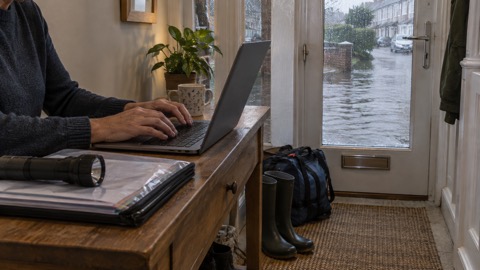 Checking Flood Risk by Postcode
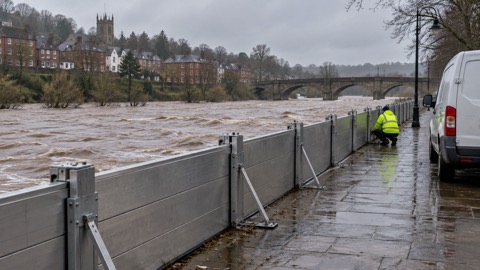 Types of Flooding
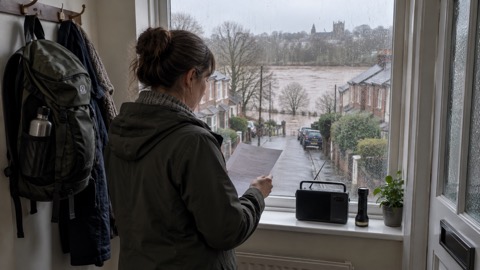 Flood Guidance Statement
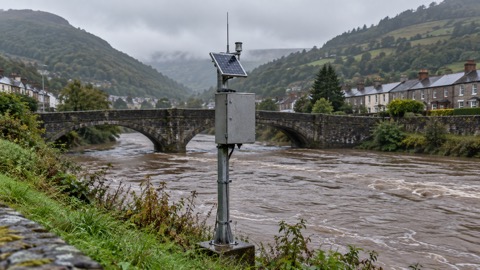 Wales Flood Warnings and Maps
 Making a Household Flood Plan
 Protecting Your Home
 Door Flood Barriers
 Sandbags and Alternatives
 Flood Doors and Windows
 Airbrick Covers
 Non-Return Valves and Bungs
 Sump and Submersible Pumps