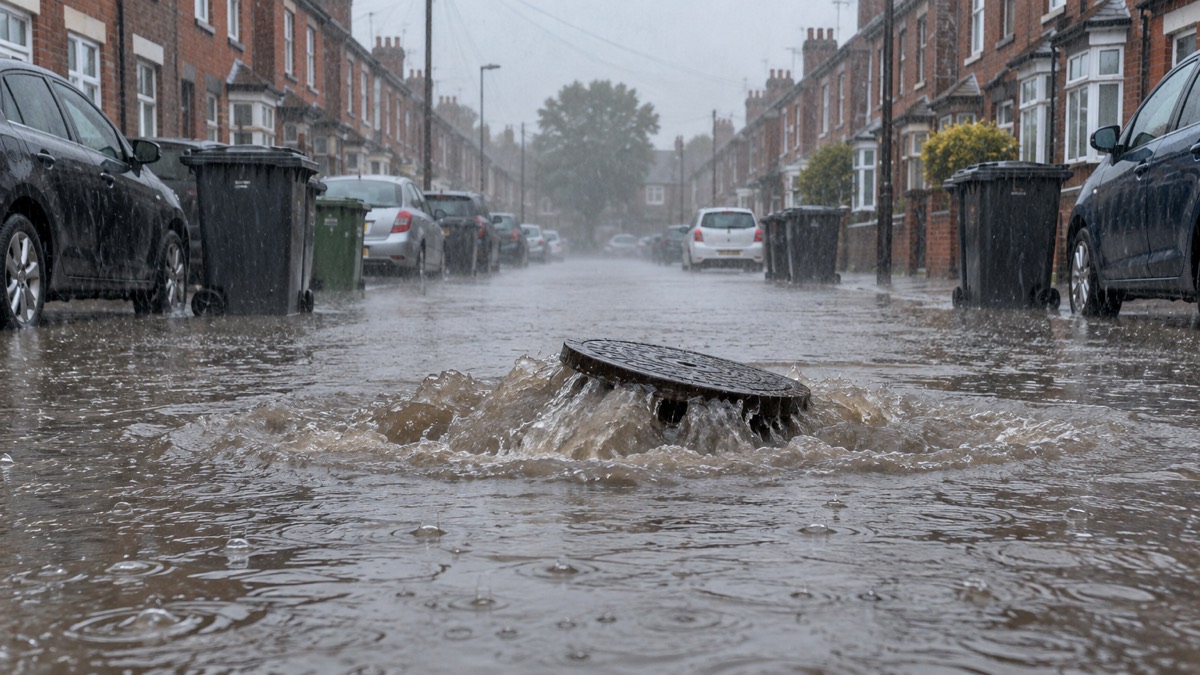
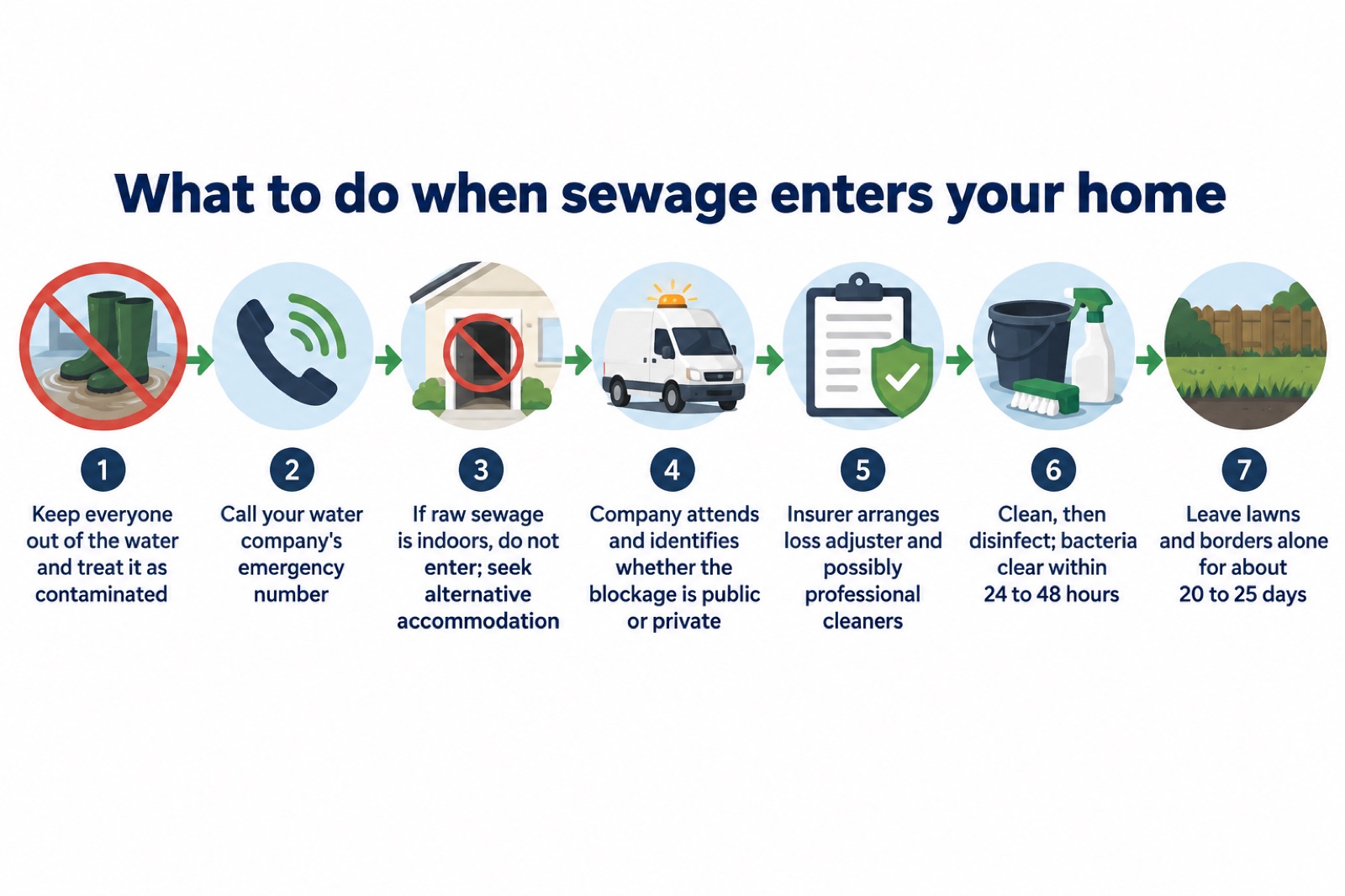
If sewage is coming up through your toilet, sink or drains and entering your home, the first two steps are simple: keep everyone out of the water and call your water company. Thames Water asks customers whose home or business is affected by sewer flooding to call 0800 316 98001, and Anglian Water gives 03457 145 145 for sewer flooding affecting a property or garden2. Water companies are responsible for managing flooding from sewers and water mains, so the overflowing public sewer is theirs to deal with3.
Treat the water as contaminated from the first moment. The fire and rescue service's advice is plain: stay away from floodwater because it could be contaminated with sewage, and if you encounter it, wash your hands and clothes well with clean water4. If there is raw sewage in your property, official guidance is that you should not enter the property at all and should seek alternative accommodation until it has been cleansed5. This page explains how to tell sewer flooding from other flooding, who is responsible for which pipe, what the water company should clean up, how to make your home safe again, and how to reduce the chance of it happening.
Sewage in your home: stay out of it and call your water company
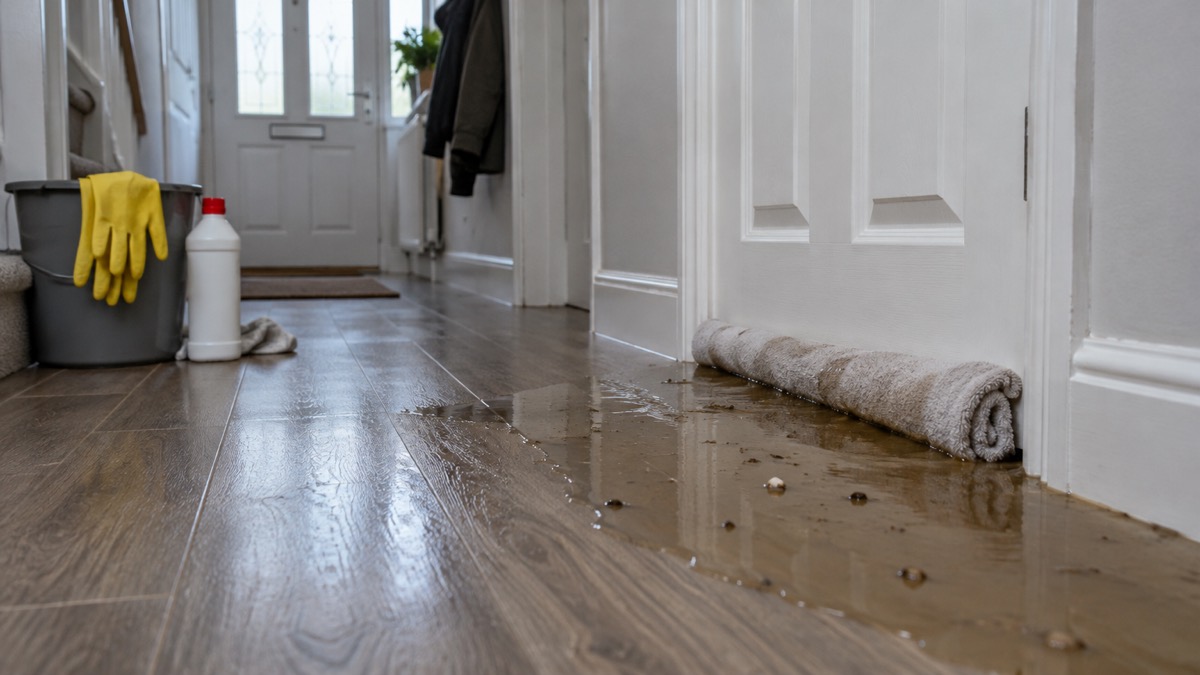
Sewage in a living space is a health hazard, not an inconvenience. During a flood, sewage can contaminate flood waters, and official guidance describes this as very dangerous to human health8. So the order of what you do matters: people first, water company second, belongings last.
Keep children and pets out of the affected area until the clean-up is complete9, and do not let children play in flood water, which is likely to be contaminated with sewage5. Wash your hands after any contact with flood water, sewage or anything contaminated by these10. If anyone in the household suffers symptoms such as diarrhoea or vomiting after contact with sewage, Thames Water's advice is to call your doctor straight away1.
Then report it. Flooding from sewers should be reported to your water company, whether the sewage is inside your home, in the garden or in the road3. If your toilet or sink is backing up during floods, call your local water company12. Follow the water company's advice once you have reported the problem, keep bottled water available, and check your water supplier's website for information and updates; if you are vulnerable or have additional needs for water, make yourself known to your local authority13.
One point worth knowing early: if there is a flood in your home and it is not obviously from the sewer, Northern Ireland's official advice is to first contact a plumber, because the source may be a burst pipe inside your own property rather than the public system14. If in doubt, describe what you can see to the water company and they will help identify the source.
How to tell sewer flooding from other flood water
You cannot tell clean water from contaminated water by looking at it, so treat all flood water as if it carries sewage. The fire and rescue service's standing advice is that floodwater could be contaminated with sewage whatever its appearance4, and community preparedness guidance makes the same point: flood water is likely to be contaminated with sewage, so do not let children play in it5.
That said, certain signs point strongly to the sewer rather than to rivers, rain or groundwater:
- Sewer flooding inside the home can come from any of the drains in the kitchen or bathroom, and it can also happen outside on private and public land13
- A foul smell in or around the property, or grey or discoloured water with visible solids
- Flooding that begins during or just after heavy rainfall, when sewers are overwhelmed2
- Neighbours in the same street with the same problem at the same time, which suggests the shared public sewer rather than your private pipes
Sewer flooding happens when sewers are overwhelmed by heavy rainfall or when they become blocked, and land and property can be flooded with water contaminated with raw sewage2. Intense rainfall causes sewers to overflow, leading to contaminated water backing up into streets or properties15. If several homes are affected at once, that points to the public network; if only your home is affected, the blockage may be in your private drains, which changes who pays, as the next section explains.
For the wider picture of how sewer flooding fits with river, sea, surface water and groundwater flooding, see types of flooding.
Who is responsible: public sewer, private drain, landlord or developer
The split of responsibility in England and Wales comes down to which pipe the problem is in. The water company owns and manages the network of public foul and surface water sewers16. Private drains and sewers are the responsibility of the property owner, and floods caused by private drains are the property owner's to deal with17. In practice, if your private drains or sewers are overflowing, you will need a drainage contractor to deal with any blockage, and a plumber for water service pipes or internal pipe work16.
| Where the problem is | Who is responsible | Who to call |
|---|---|---|
| Public sewer (in the road or shared by several properties) | The water company3 | Your water company's emergency number1 |
| Private drains or sewers on your property | The property owner17 | A drainage contractor16 |
| Water service pipes or internal pipe work | The property owner | A plumber16 |
| Rented home, structure and sanitation | The landlord18 | Your landlord, as soon as possible19 |
The practical difficulty is that you usually cannot see where the blockage sits. The water company should be able to determine whether a blockage is in the public or private sewers once they are on site, and they may then recharge you the cost of any work if it turns out to be in a private sewer16. So reporting to the water company first is usually the right move even if you are unsure: they attend, diagnose, and either fix it or tell you it is yours.
If you rent, the position is different. Tell your landlord as soon as possible if the home has flooded and needs repairs; they must complete repairs within a reasonable time19. The landlord is responsible for repairs to your home if you have flood damage18, including fixing damage to the structure and making sure water, gas, electricity, sanitation and heating are working19. Your own contents are your concern: if you live in rented accommodation, the landlord will deal with the structure of your home, and for contents claims you contact your own insurer10.
Homeowners are responsible for safeguarding their home from flooding, including property-level protection measures, private drainage upkeep, and maintenance of cesspools and septic tanks20. Somerset Council puts the same duty on homeowners, tenants in private rented houses and housing association properties, and businesses: each is responsible for protecting their own property from flooding21. Keep private drains on your property clear and in good working order, and if they become blocked, call a drainage contractor22. For the wider map of which agency does what, see who manages flood risk.
Reporting sewer flooding and how quickly the water company comes
Report sewer flooding to your water company as soon as you see it, and be ready to describe what is happening: whether sewage is inside the property or outside, how deep it is, whether neighbours are affected, and whether it started during rainfall. Blocked sewers are among the faults your local water company should be contacted to fix17, and an overflowing sewer should be reported to your water company23.
Two useful numbers from water companies' own guidance: Thames Water, 0800 316 9800 for homes or businesses currently affected by sewer flooding1; Anglian Water, 03457 145 145 when a property or garden has been affected by sewer flooding2. If you are with another company, the emergency number is on your bill and on its website. In Northern Ireland, if your home is flooded you should contact your utility suppliers24.
Response times depend on the scale of the event. In a single-property blockage the company will usually send someone to diagnose the problem, as described above16. In severe weather, when many properties flood at once, waits are longer, and the practical advice is to follow the water company's instructions, keep bottled water available, check the supplier's website for updates, and follow the instructions of the emergency services and your local authority13. Also be clear about the source: if water is entering your property due to rainfall or leaks from a flat above you, rather than the sewer, you will need to carry out immediate repairs yourself25.
One related point: if you are pumping flood water out of your home and intend to pump it into public sewers, check with your water company first23. Overloading the sewer network during a flood can make the problem worse for you and your neighbours.
What the water company cleans up inside and outside your home
The water companies will assist where possible to reduce the amount of water escaping from the system, and will tidy up areas where sewage has been deposited once the flooding has subsided26. That is the core of their commitment: stop the flow, then clear the deposited sewage from the affected areas. After a flood, your water company or housing association can help with sewage problems if your home is on mains drainage8.
What the water company does not automatically do is restore your home and belongings. For that, the normal route is insurance. Ask your insurance company if they will organise professional cleaners to clean your home27; insurers may hire someone to do the cleaning for you, and you can otherwise use normal household cleaning products to clean up your home yourself28. Before you start to clean your home, contact your insurer, because they will arrange for a loss adjuster, and you should take photos of contents and any water damage and speak to them before acting on anything29.
Your local council may also be able to help. In Northern Ireland, official guidance lists help from the local council with the collection, retention and disposal of damaged household contents, and help with arrangements to clean up your home and garden6. Oxford City Council asks residents to use its Household Bulky Waste Collection service for disposing of contaminated or flood-damaged property30. Check your own council's website for the equivalent service in your area.
Disinfected areas take 24 to 48 hours to clear of bacteria
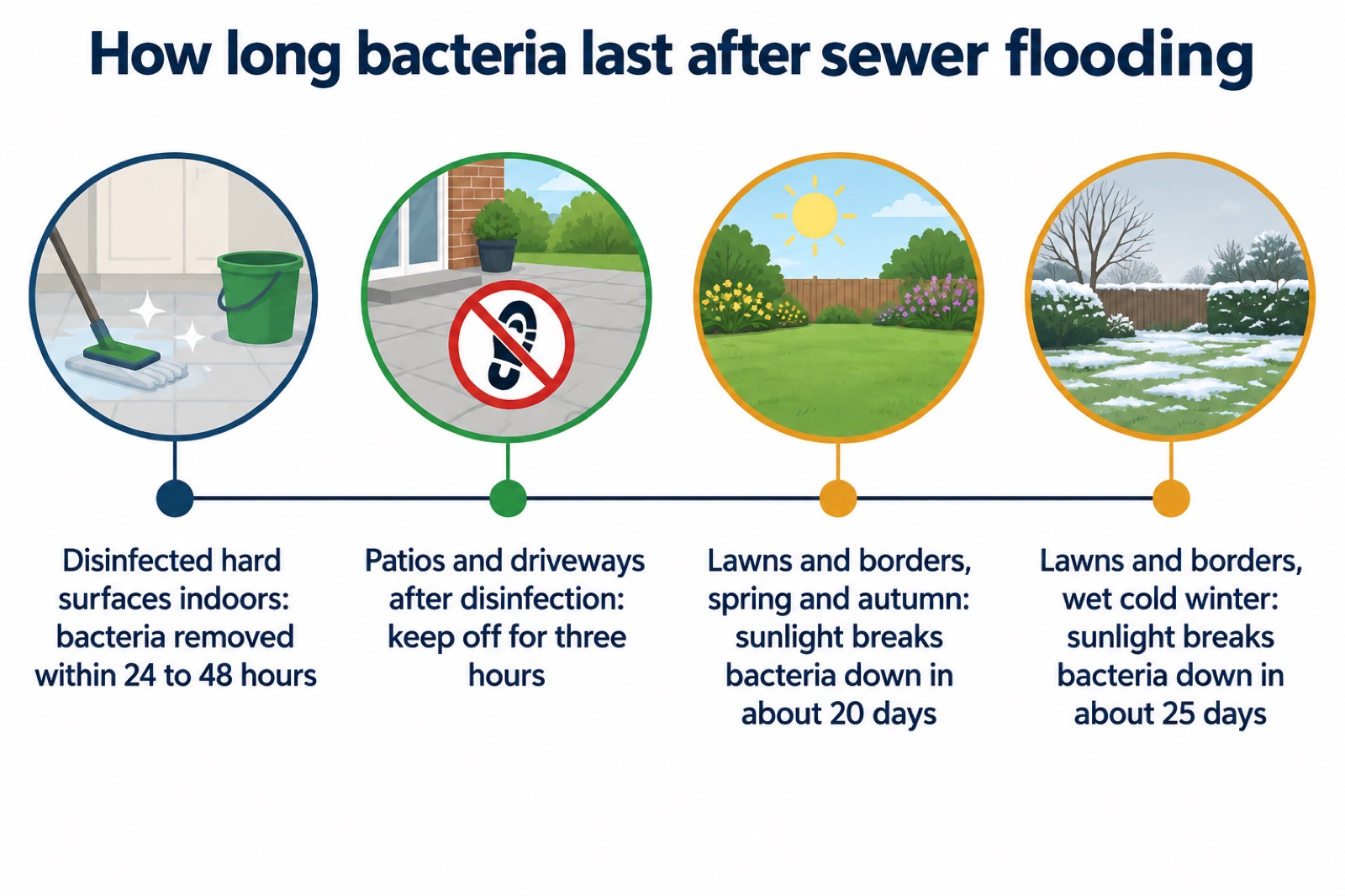
Once sewage has been cleaned off a surface, disinfection is what makes it safe again, and it works on a known timescale. Disinfectants should remove all traces of bacteria within 24 to 48 hours6. That figure is the reason for the standard advice to keep off treated areas and keep children and pets away until the clean-up is complete9.
The cleaning sequence recommended in official guidance is straightforward. Do an initial clean, then disinfect all surfaces that were contaminated by floodwater, cleaning with a brush, hot water and household cleaning fluid27. Clean all affected hard surfaces, including walls, floors and furniture, with hot soapy water using ordinary household cleaning products, and allow them to dry thoroughly, as drying also helps destroy germs left behind31. Diluted bleach can be used to mop hard floors or sprayed onto surfaces and wiped off; leave it for the contact time stated on the manufacturer's instructions to ensure disinfection, then wipe off residues32.
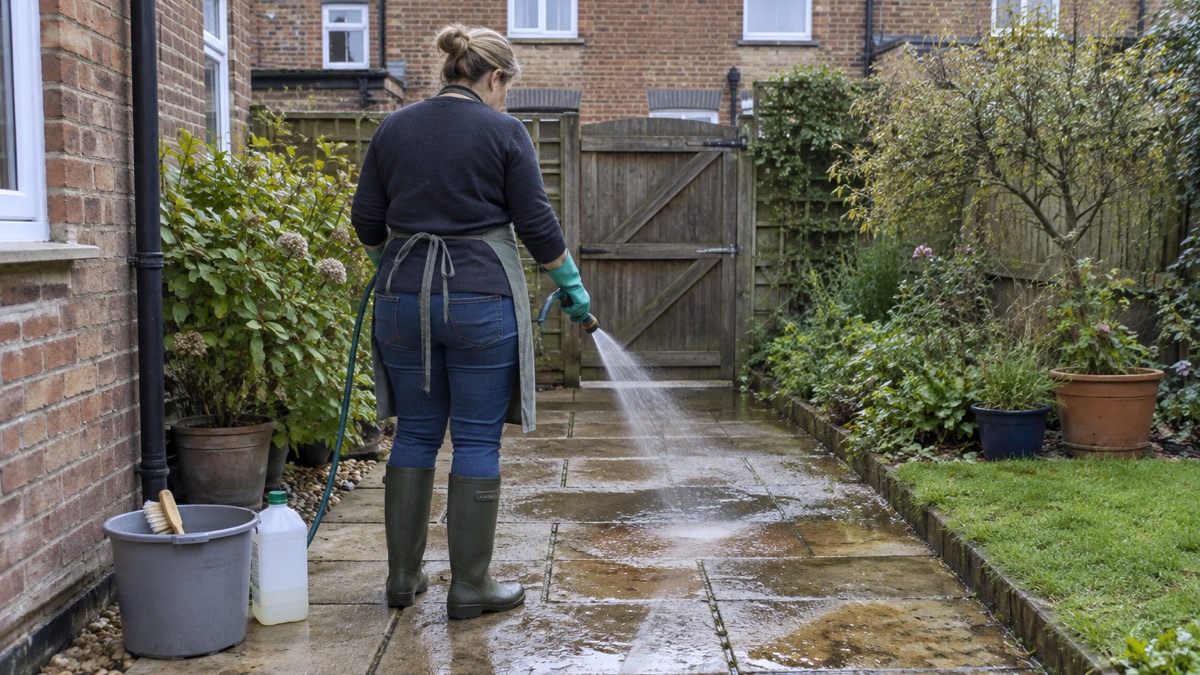
Outside, the same principles apply with a shorter waiting time. You can clean and disinfect patios and driveways, but keep off these areas for three hours after disinfection6. Hard surfaces such as paths and driveways should be washed down and disinfected, and the disinfectant left untouched for at least three hours to be most effective7.
Cleaning up safely after sewage: food, washing, electrics and gas
The clean-up itself needs care, because sewage touches the things you eat with and the systems that power your home.
Food. Throw out any food that may have been in contact with flood water, including vegetables in your garden1. For contaminated food waste, recycle your food waste or double-wrap it in plastic bags and put it in your green bin for the next refuse collection; if you do not have a green bin, do not put it out earlier than necessary, as extra food waste in plastic sacks might attract animals30.
Washing and hygiene. Wash your hands after being in contact with flood water, sewage or anything contaminated by these10. Wash hands and clothes well with clean water after any contact with floodwater4. Keep children and pets out of the affected area until the clean-up is complete9.
Electrics and gas. Avoid turning on devices that use gas or electricity, as there is a possibility they may have got wet; a registered electrician should assess affected wiring, equipment and appliances32. When returning to a flooded home, take care with the electricity and gas supplies and ensure you clean up properly to avoid contamination7. For more detail, see is it safe to turn the electricity back on? and using electrical appliances after water damage.
Water in the home. Before you can properly move back in, all standing water must be removed, particularly from the under floor area; use a pump or buckets followed by a wet/dry vacuum, then shovel out mud and hose out or use a garden sprayer29. Bear in mind that drying out your home can take several weeks or even months29. If you notice a change in the colour, taste or smell of your tap water after the flood, contact your water company18.
For the full clean-up process, see cleaning up safely after floodwater and after a flood: returning home safely.
Lawns and borders: bacteria fade over weeks, so leave the soil alone
Garden soil contaminated by sewage cannot be disinfected the way a kitchen floor can, so the approach is different: leave it alone and let daylight do the work. The sun's ultraviolet rays naturally break down the bacteria left by flooding. Runnymede Borough Council's guidance gives approximately 25 days during wet, cold winter conditions, and approximately 20 days during damper, cooler spring and autumnal conditions; the two figures come from the same guidance and differ with the season7.
The single most important instruction for gardens is what not to do. Do not dig or rake the affected area, because this will spread contamination further into the soil, where the lack of light will prolong the life of bacteria6. Runnymede's guidance makes the same point for lawns and borders: do not dig or rake the affected area, as this will spread the contamination further into the soil or turf7.
While the bacteria fade, keep people and animals off the grass. Do not let young children play on affected grass or paved areas until the area has been cleaned down and restored to its normal condition9. Throw away vegetables in your garden that may have been in contact with flood water1. For more detail, see when your garden is safe after sewage.
Compensation and insurance after a sewer flood
If sewer flooding comes inside your house, compensation may follow without you having to claim for it. Thames Water states that if the sewer flooding occurs inside your house, it will pay you compensation automatically1. For the wider framework of payments water companies must make, see guaranteed standards payments for sewer flooding.
For everything else, insurance is the route. Contact your insurer immediately if your home has been flooded19, and contact insurers if your home and possessions have been damaged; for rented properties, contact the property owner11. Before you start to clean, contact your insurer, take photos of contents and any water damage, and speak to them before acting on anything, because they will arrange for a loss adjuster29. Ask your insurance company if they will organise professional cleaners27.
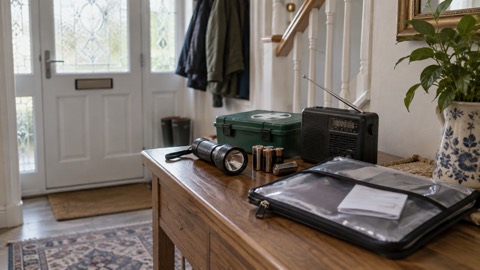
As a homeowner you are usually responsible for repair costs unless your policy covers them19. Before a flood ever happens, check that your household insurance cover is adequate and up to date26, and make sure your insurance provides cover against flood damage to property24. Keep copies of your home insurance documents in your emergency flood kit so you can reach your insurer quickly24. For a flood risk area specifically, see home insurance in a flood risk area and Flood Re, and for the claim itself, making an insurance claim after a flood.
If you have no insurance, you will most likely be responsible for covering all the costs of the flood damage yourself. Keep records of the damage, such as photos, and contact the Scottish Flood Forum as soon as possible so they can help and advise33. Your council may help with collecting and disposing of damaged household contents6. See also recovery grants and help if you are not insured.
Why sewers overflow and how to cut the risk of blockages
Sewer flooding happens for two broad reasons: sewers are overwhelmed by heavy rainfall, or they become blocked2. When intense rainfall causes sewers to overflow, contaminated water backs up into streets or properties15. This is a particular problem in urban areas where drainage infrastructure is older or not designed for high-capacity flow15. In widespread flooding, the risk of sewer flooding rises alongside surface water flooding, so it is worth knowing the flood alerts and warnings that apply to your area.
You cannot control rainfall or the age of the sewers, but you can control what goes down your drains, and blockages are the half of the problem households contribute to. The practical steps:
- Keep private drains on your property clear and in good working order22
- Do not put anything down toilets or drains that can block them; a blocked private sewer is your cost to clear17
- Know where your private drains run, so a drainage contractor can be called quickly if they block16
- If you have a septic tank or cesspool, maintain it; upkeep of cesspools and septic tanks is the homeowner's responsibility20
If your home is not on mains drainage, flooding needs different handling. If a septic tank becomes covered with water, do not use the tank at all if possible, avoid contact with standing water that may contain sewage, eliminate all non-essential water use and flush toilets as little as possible while a flood is in progress34. See toilets and septic tanks after a flood.
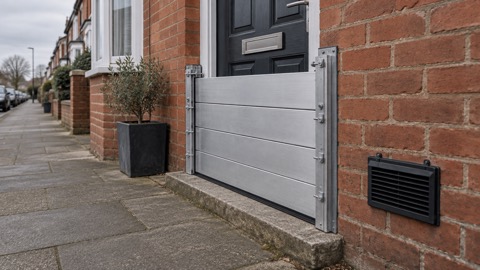
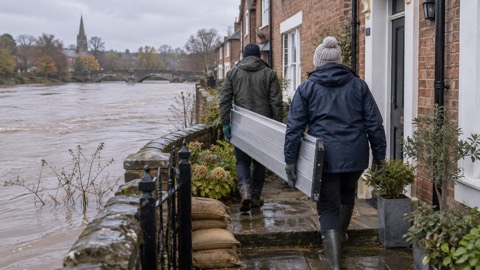
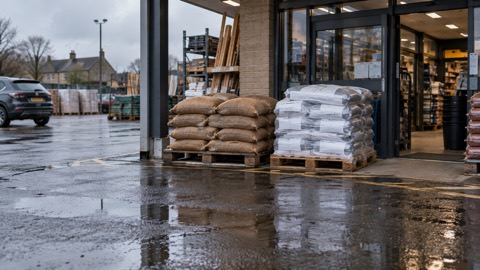
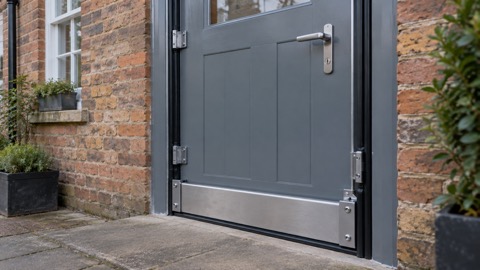
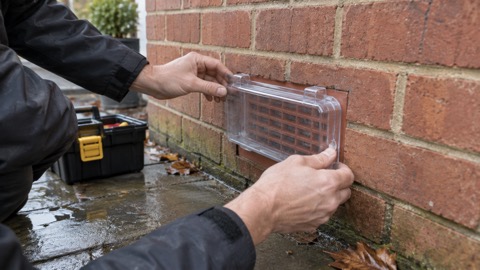
There are also steps to stop flood water, sewage included, from entering the home in the first place. Block water entering through doors and windows with pillowcases or plastic bags filled with soil or heavy objects, cover airbricks and vents, block sinks, baths and toilets and weigh them down, unplug washing machines and dishwashers and disconnect them from the water supply, and block water inlet pipes with towels or cloths12. If you do not have non-return valves fitted, plug water inlet pipes with towels or cloths and turn off any equipment that uses water, like washing machines and dishwashers6. For the permanent fix, see non-return valves and toilet bungs and protecting your home.
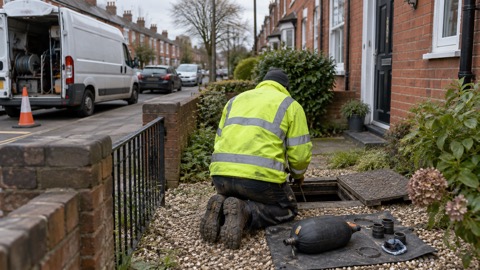
How a blocked or overwhelmed sewer pushes contaminated water back up into a home.
Sources (34)
- What to do during sewer flooding, Thames Water, 2026-10-28
- Be Flood Ready guidance for flood wardens, Harborough District Council
- Flooding responsibilities, Derbyshire County Council, 2026-10-29
- Water safety campaign, North Yorkshire Fire and Rescue Service, 2026-08-18
- Are You Ready booklet, Culham Parish Council, 2025-09
- What to do if a flood happens, nidirect, 2025-10-24
- Flooding aftercare, Runnymede Borough Council, 2026-10-26
- Adapting your home or business to the risk of flooding, GOV.UK, 2009-10-01
- Keeping children safe during a flood, nidirect, 2025-12-09
- Thunderstorms weather warning advice and information, nidirect, 2026-08-30
- During a flood, Nottinghamshire County Council, 2026-10-29
- What to do in a flood, Natural Resources Wales, 2026-10-29
- Loss of essential services, Lancashire Prepared, 2026-10-29
- Report road drainage fault, nidirect, 2026-05-11
- Flooding: ongoing risks, Essex Prepared, 2026-10-29
- Road maintenance and flooding, Derbyshire County Council, 2026-10-29
- Report flooding or burst water mains, GOV.UK, 2026-10-29
- After a flood, GOV.UK, 2026-10-25
- Housing help if your home is flooded, Somerset Council, 2026-06-04
- Homeowner flood protection responsibilities and prevention tips, Central Bedfordshire Council, 2026
- Preparing for flooding, Somerset Council, 2026-10-28
- Personal responsibility for flooding, Derbyshire County Council, 2026-10-29
- Help during a flood, GOV.UK, 2026-10-25
- Preparing for a flood, nidirect, 2025-09-11
- Safety in severe weather conditions, Devon and Somerset Fire and Rescue Service, 2026
- Flooding advice, Mid and West Wales Fire and Rescue Service, 2026-10-29
- After a flood: clearing up, nidirect, 2026-05-06
- Flooding after a flood, easy read, Nottinghamshire County Council, 2025-11-02
- Flooding: after, Surrey County Council, 2026-09-23
- Clearing up after flooding, Oxford City Council, 2026-10-29
- Flooding and health, Public Health Wales, 2026-07-31
- Cleaning up and returning home after flooding, Derbyshire County Council, 2026-10-29
- After the flood, Scottish Flood Forum, 2026-10-27
- How to recover from flooding, GOV.UK, 2023-12-19
 Flood Warning Checklist
 First Steps After a Flood
 Insurance Claim Records
 Checking Flood Risk by Postcode
 Types of Flooding
 Flood Alerts and Flood Warnings
 Flood Guidance Statement
 Wales Flood Warnings and Maps
 Making a Household Flood Plan
 Protecting Your Home
 Door Flood Barriers
 Sandbags and Alternatives
 Flood Doors and Windows
 Airbrick Covers
 Non-Return Valves and Bungs