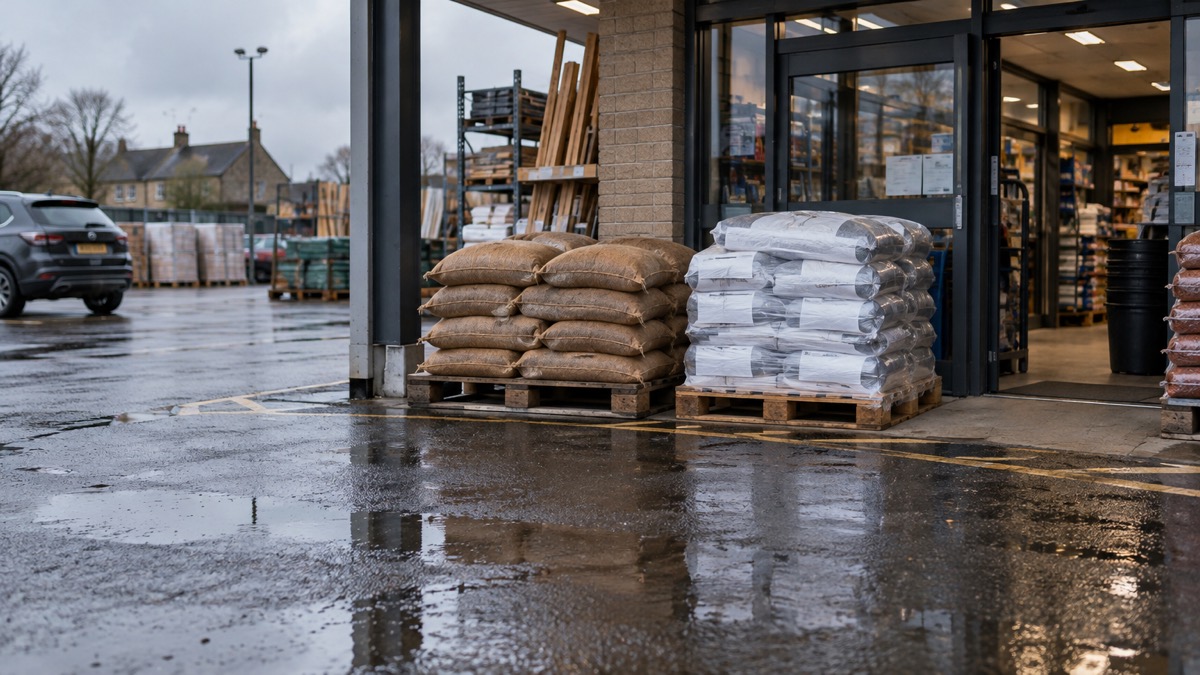
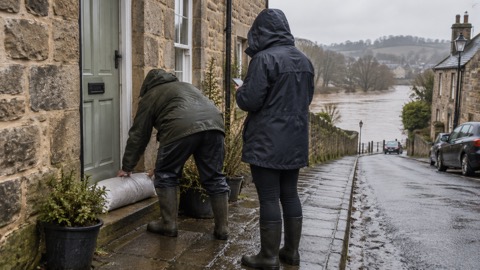
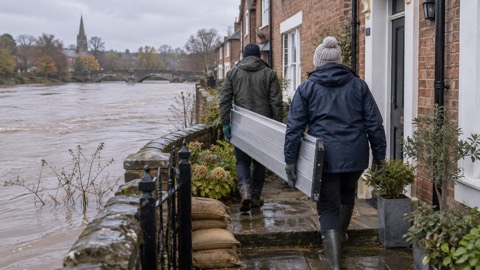
Sandbags are the flood defence most people can actually get hold of, and they do work, but only within strict limits. Derbyshire County Council puts it plainly: sandbags will stop a few inches of water for a while before water seeps through, and the deeper the water gets, the quicker it will seep through1. They are a short-term barrier for low-level water at doors, airbricks and other openings, not a wall that keeps a flooded street out of your home.
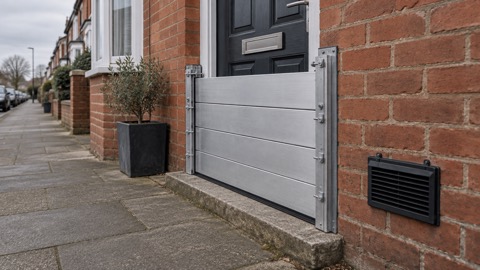
That means two things for an ordinary household. First, buy or collect your own sandbags before any flood warning is issued, because councils do not guarantee to supply them and filling them takes about an hour for every dozen bags2. Second, treat sandbags as one part of a wider plan that starts with knowing your flood risk, signing up for flood warnings and, if you can, fitting purpose-made defences such as door barriers or airbrick covers, which outperform sandbags.
What sandbags can and cannot do
Sandbags slow water down; they do not stop it. Derbyshire County Council's guidance is the clearest statement of the limit: sandbags will hold back a few inches of water for a while, but water seeps through, and the deeper the water gets, the quicker the seepage becomes1. They buy you time, and only against shallow water.
They are also, by official assessment, one of the weaker options. Nottinghamshire County Council describes sandbags as relatively ineffective when compared to purpose-designed flood protection measures5, and the Scottish Environment Protection Agency notes they can be expensive, heavy, difficult to transport and labour intensive to assemble into flood defence barriers, and that they require proper environmental disposal6. Scottish Borders Council says the sandbags in its self-help stores are for emergency use only and should not be relied upon routinely as flood protection7.
So when are they the right choice? Sandbags suit a household that faces occasional, shallow flooding at a handful of openings, that cannot yet fit permanent measures, or that wants a back-up to fitted defences. If water regularly stands deep against your property, or rises through the floor or through drains and sewers, sandbags at the door will not solve it. For those situations, look at resistance and resilience measures and non-return valves instead.
A comparison of what sandbags can and cannot handle:
| Situation | Do sandbags help? |
|---|---|
| A few inches of water against a door, for a short time | Yes, they hold it back for a while before seepage1 |
| Deeper water, or water standing for hours | Only briefly; the deeper it gets, the quicker it seeps through1 |
| Water rising through floors, drains or toilets | No; these need other measures1 |
| A property that is already flooded | No; they are of no use at that point8 |
| Repeated, routine flooding | Not recommended as routine protection7 |
Buy your own before a flood warning
Every council that says anything on the subject gives the same core advice: do not rely on the council. Nottinghamshire County Council states that sandbags are not guaranteed and recommends that residents in flood risk areas purchase their own as part of their flood preparations3. Mid and West Wales Fire and Rescue Service advises keeping a small stock of empty sandbags and sand, available from builders' merchants and hardware shops, ready to protect doorways and air vents9. Highland Council recommends taking early action if your home or business may be at risk, noting sandbags are available from most local builders' merchants10, and Derbyshire County Council says you can buy sandbags and other flood defence products for your own use from most DIY stores11. Ashford Borough Council confirms sand and sandbags are available at most builders merchants and larger DIY stores across its borough12.
How much sand to store depends on which guidance you follow. Derbyshire County Council says one sandbag requires 20kg of sand or soil1. The Environment Agency's sandbag guidance says each bag needs approximately 15kg of sand2. Storing to the larger figure, 20kg per bag, covers both. For a minimum of six bags at a standard door, that means storing roughly 120kg of sand or soil on the Derbyshire figure, and the bags themselves are heavy once filled: Nottinghamshire County Council warns that filled sandbags are heavy, and even heavier when wet, so take care when lifting or seek help13.
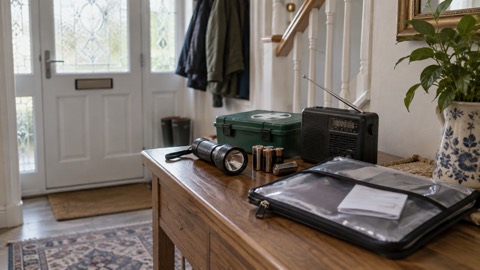
If lifting sand is a problem for your household, sandless gel bags (covered below) are worth considering, and Bradford Council suggests packable self-expanding sandbags are worth including in the flood kit for people who would benefit from having them14. Whatever you choose, store it somewhere you can reach quickly and keep it dry, and build the stock into your household flood plan.
Council sandbags: who gets them, and why supply is not guaranteed
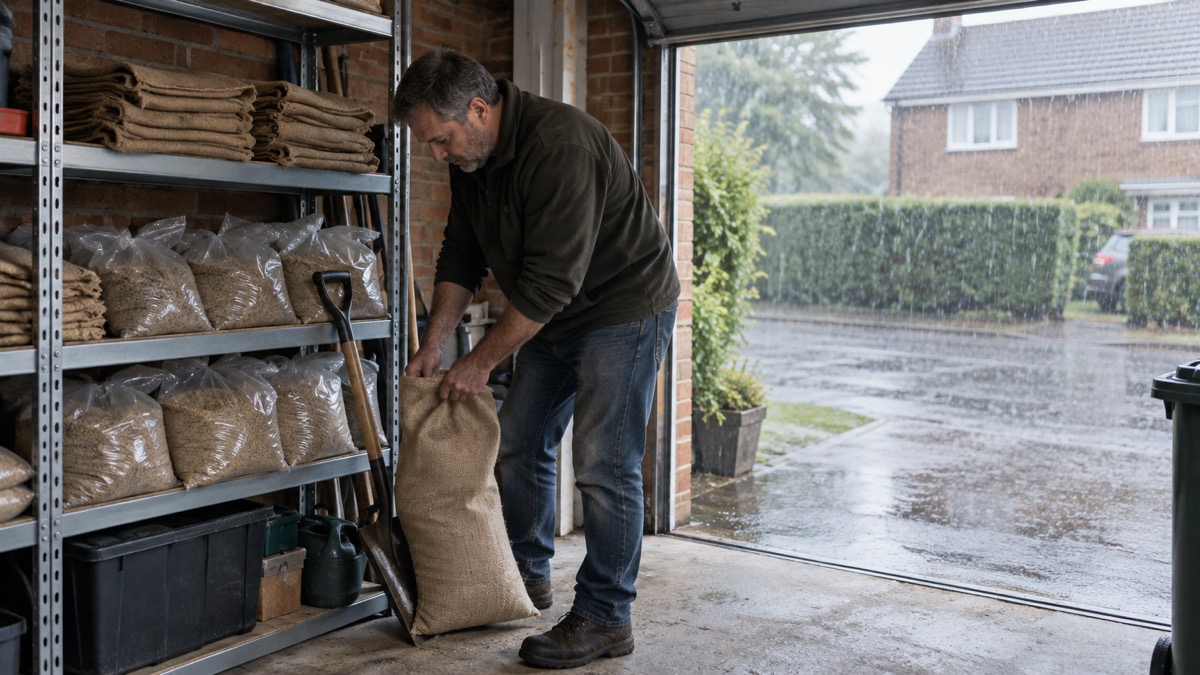
There is no duty on any council to give you sandbags. Moray Council states the responsibility for protecting property during a flood rests with the property owner, and there is no statutory duty for a local authority to provide sandbags15. Harborough District Council likewise says it has no statutory duty to provide residents with sandbags, though it maintains stocks as an emergency response and cannot accept liability for failure to supply or late delivery16. West Yorkshire Prepared puts the general position in one line: some local authorities may be able to provide sandbags to properties most at risk, but supply cannot be guaranteed as resources are limited17.
Where councils do provide sandbags, they usually restrict them to vulnerable households. Nottinghamshire County Council may have a limited emergency provision during periods of flooding for vulnerable residents, for example elderly, disabled and reduced mobility residents, who are unable to provide their own13, and it will not provide sandbags to properties at negligible risk or already flooded, to sheds, garages, gardens and outbuildings, to residents able to purchase their own or with access to a Community Resilience Store, or to businesses3. Ashford Borough Council will only issue sandbags during a flooding emergency to vulnerable residents unable to source them themselves12. Some councils provide nothing at all: South Hams, Mid Devon and Exeter councils in Devon do not provide sandbags for flood protection and direct householders to builders merchants or their town and parish council18.
The Environment Agency's guidance adds an important caveat about priorities: your local council may have some sandbags ready to deploy at times of flooding, but their priority is to protect the public at large, so check with your local authority in advance2.
Self-collection and community stores
Where sandbags are offered, expect to collect them yourself. Lancashire County Council states that where sandbags are offered, they will be available for self-collection only and on a first come, first served basis20. Derbyshire County Council runs a distributed model: it supplies empty sandbags to district, town and parish councils to give to residents at flood risk, and each of those councils has its own policy on giving sandbags to residents and businesses11. Some Derbyshire libraries hold packs of empty sandbags which residents can collect21, and the council welcomes working with parish councils or local flood groups willing to store a supply of sandbags close to vulnerable areas22. If your area has a flood group or community store, find out now where it is and how you access it; that is covered in more detail in community resilience.
Out of hours
Night-time and weekend supply is patchy. Lancashire County Council says sandbags may be made available outside normal working hours only when the forecast is received during standard hours20. In other words, a flood that develops overnight may not trigger sandbag distribution until the next working day, which is another reason to hold your own stock. Moray Council adds that it will not generally provide sandbags in advance to communities at risk as a precautionary measure unless the forecast conditions or SEPA indicate a high level of risk15.
How many sandbags you need
The Environment Agency's guidance gives the working figures. You will need at least 6 sandbags to keep out a 20cm depth of water for a standard door opening2. If you want to build a sandbag wall up to 60cm high by 1 metre in length, that requires approximately 80 filled sandbags2. The jump from 6 to 80 tells you how quickly the work scales: doubling the height of protection multiplies the bags, the sand, the lifting and the time.
Count every opening, not just the front door. Mid and West Wales Fire and Rescue Service reminds you to block airbricks and other low-level openings as well as doors9, and Belfast City Council advises keeping sandbags to block doorways and short wooden boards to nail over airbricks19. A typical house with one door, a back door and several airbricks needs more than the bare six. Work out your own count door by door, opening by opening, and buy bags and sand to match, using the 15kg to 20kg per bag figures above.
Filling sandbags: two people, two thirds full
The Environment Agency's guidance sets out the method2:
- Work in pairs. Filling is a two-person job: one holds the bag open and one fills.
- Fill each bag about two thirds full. The guidance says do not fill bags more than half full; other official advice says about two thirds. Either way, an overfilled bag cannot be shaped to seal against the next one.
- Do not tie the end of the bag. You do not need to.
- Fill close to where you will position them. Bags get heavy quickly, so do not overfill or fill them too far away from where you want to position them.
- Pace yourselves. Filling sandbags and building a wall is physically demanding, so everyone involved needs to be fit enough to do the work.
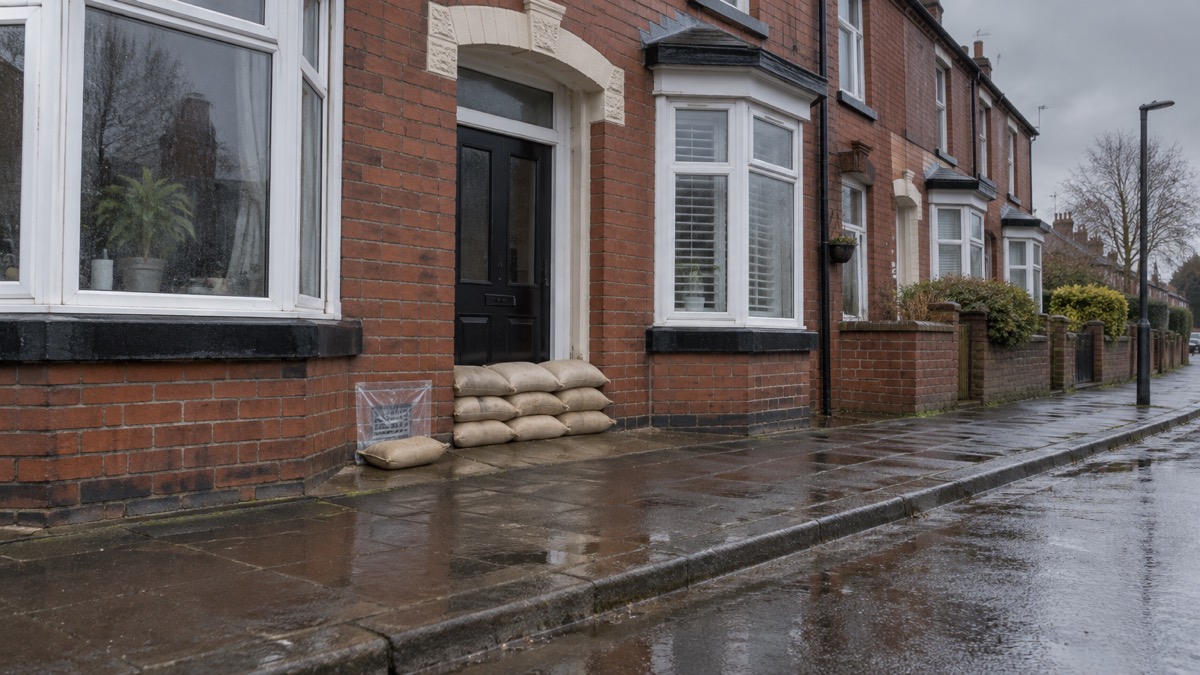
Time is the hidden cost. The Environment Agency states it takes approximately one hour to fill 12 sandbags2. Six bags for one door is therefore around half an hour of work by two people, before you have laid anything, and an 80-bag wall is close to seven hours of filling. That is why the same guidance says to prepare before flooding is forecast, and why councils keep telling residents to buy their own in advance3.
Laying sandbags with plastic sheeting
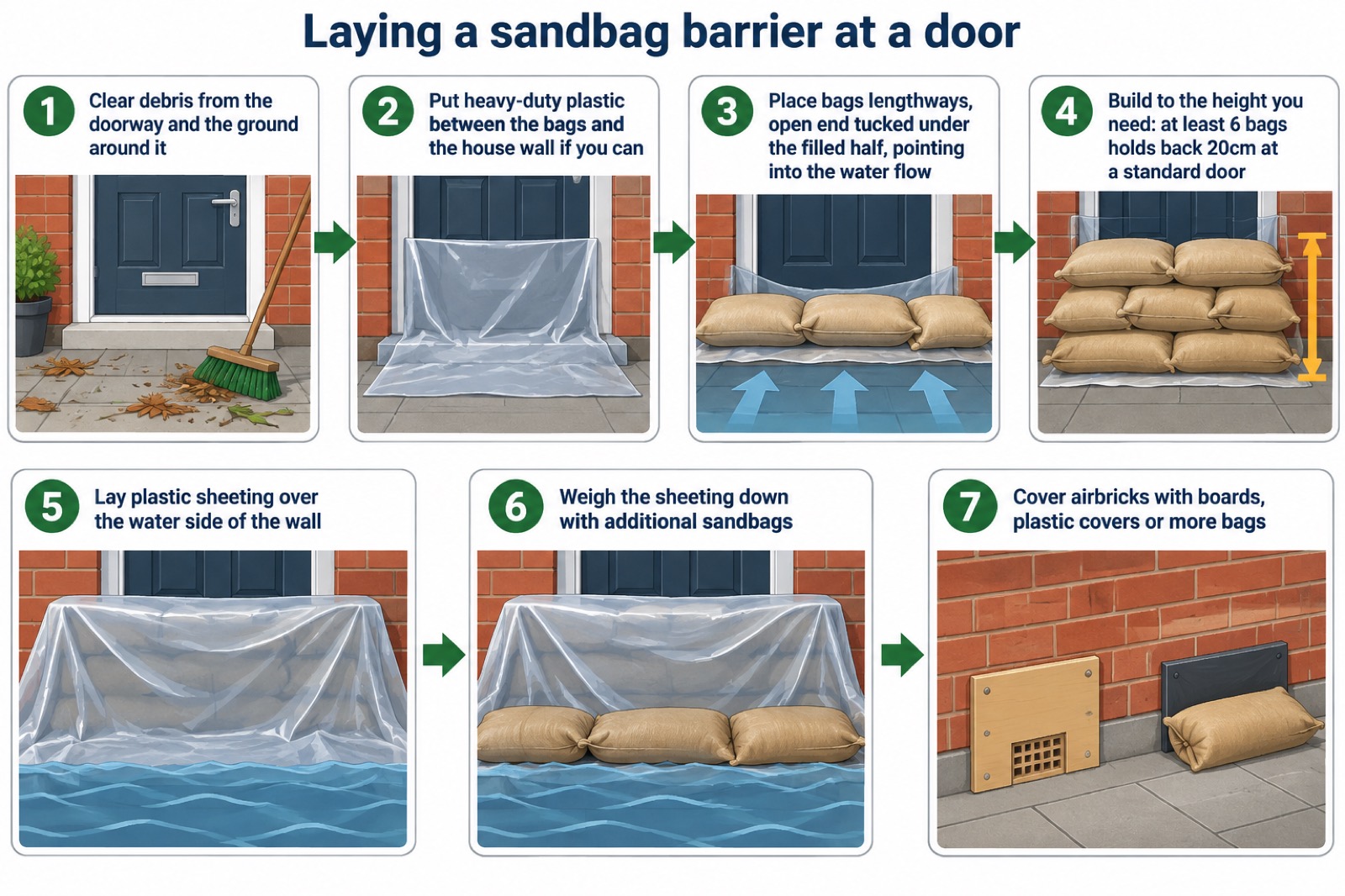
Laying the bags well matters as much as filling them. The Environment Agency's guidance gives the technique: clear any debris from the area, put a large sheet of heavy-duty plastic between the sandbags and the wall of your house if you can, and place the bags lengthways, tucking the open end under the filled half of the bag, positioned pointing into the direction of water flow2. Lay plastic sheeting across the side of the sandbag wall on the water side, and weigh it down with additional sandbags2.
The plastic sheeting is doing much of the work. Sandbags alone still let water seep between bag and wall; a sheet held against the wall by the weight of the bags, and extended down the water side, gives the water a smooth path over the barrier instead of a route through it. Mid and West Wales Fire and Rescue Service combines the two in its warning-stage advice: block doors, with floodboards if available, and airvents with plastic sheeting and sandbags9.
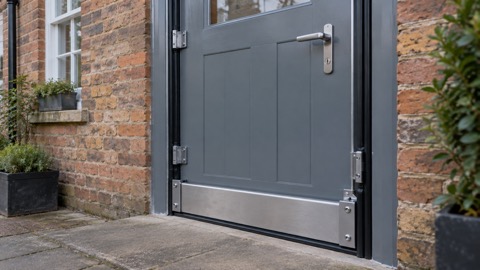
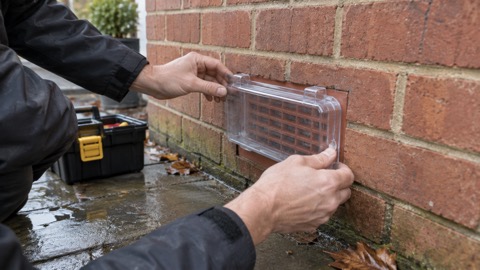
Cover airbricks as well. Belfast City Council suggests short wooden boards nailed over airbricks19, and the Environment Agency's flood leaflet notes plastic covers can stop flood water coming in through your airbricks23. Purpose-made airbrick covers are quicker to fit than sandbags at every opening. West Yorkshire Prepared lists the wider options, including flood gates, flood sacks, specialist doors and seals for airbricks17, and the government's help-during-a-flood page advises using flood protection products if you have them, for example flood barriers or air brick covers24.
Sandless sandbags: how gel flood bags work
A modern alternative does away with the sand. Somerset Council describes sandless sandbags as a modern type of sandbag which does not contain sand; they work using super absorbent polymer technology, and they can absorb over 200 times their own weight in water4. You store them flat and light, and when flood water reaches them the gel inside swells and the bag becomes a heavy, squashed block that sits in place like a filled sandbag.
The practical advantages line up with the weaknesses of traditional bags. There is no sand to buy, store, shovel and lift: a gel bag weighing a few grams in storage becomes a full-weight barrier on contact with water, which suits anyone who cannot handle 15kg to 20kg of dry sand repeatedly. Bradford Council notes packable self-expanding sandbags are worth including in the flood kit for people who would benefit from having them14. Somerset Council adds that the gel used in the bags is harmless and fully biodegradable4.
The limits are the mirror image. A gel bag only activates where water reaches it, so it works laid in the path of shallow water at a door, and it still cannot hold back deep or long-standing water any better than sand can. Disposal also differs: Somerset Council tells residents to take bags of sand or gel to any of its 16 recycling sites and put them in the landfill/non-recyclable skip4. Weigh up the two options against your own circumstances in sandbags or absorbent bags, and against fitted barriers in sandbags or door barriers.
| Traditional sandbags | Sandless gel bags | |
|---|---|---|
| What you store | Empty bags plus sand or soil, about 15kg to 20kg per bag1 | Flat, light bags with dry gel inside4 |
| What activates them | You fill them, two people, about an hour per 12 bags2 | Contact with water; they absorb over 200 times their own weight4 |
| Lifting before use | Heavy, and heavier when wet13 | Minimal until activated4 |
| Suitability | Anyone able to fill and lay them | Households that cannot handle sand; a useful flood kit item14 |
| Disposal | Proper environmental disposal required6 | Landfill/non-recyclable skip at recycling sites in Somerset4 |
When sandbags are no use
There is a point at which sandbags stop being an option at all. Nottinghamshire County Council states they are of no use if a property is already flooded; instead, residents should concentrate their efforts on protecting family members and belongings8. Once water is inside, a barrier at the door is closing the stable door, and your attention belongs on people, pets, valuables and safety. Follow the steps in what to do during a flood and, once the water recedes, after a flood.
Sandbags are also the wrong tool for water that does not come through the door. Rising groundwater, sewer backflow and water coming up through floors need different answers, covered in groundwater flooding and non-return valves. And if you have left it too late to buy anything, there are improvised options: Mid and West Wales Fire and Rescue Service says pillowcases filled with soil can be used as makeshift sandbags9, and Devon and Somerset Fire and Rescue Service suggests getting sandbags to block doors and airbricks from a builders' merchant or your local council, or making your own using old pillow cases or carrier bags filled with sand or earth25. Somerset Council adds more substitutes: compost bags, carrier bags or pillowcases filled with sand or earth, rolled-up mats or carpets, bags of garden compost, and timber boards possibly screwed to door frames and sealed with mastic, with a plastic sheet put down first as an extra seal4. Improvised bags are weaker and leak more, but in shallow water they are far better than an unprotected doorway.
Drying, storing, reusing and disposing of sandbags
What happens to the bags afterwards depends on whether flood water touched them. Oxford City Council advises that if the floodwater did not reach the sandbags, they can be stored for future use26. Bags that did meet flood water are a different matter: Oxford's guidance is to discard floodwater-exposed sandbags as they may be contaminated, and dispose of them in the landfill containers at your nearest waste recycling centre26.
The contamination is real. Northern Ireland's nidirect guidance warns that sandbags may contain sewage and oils when they have come into contact with floodwater, so wear gloves and wash your hands thoroughly when handling them27. It sets out the disposal options: at your local recycling site; or empty the sand and keep it for garden or other uses and place the bags in your normal waste bin; or empty the sand, take it to your local reuse and recycling centre and place the bags in your normal waste27. Belfast City Council asks residents to tell recycling centre staff if the sandbags met flood water19. The UK Health Security Agency's guidance for flood recovery goes further on contaminated bags: do not place used sandbags or their components, sand or sack, in household waste, do not allow children or pets to come into contact with the sand as it may be contaminated, and take contaminated sandbags to the local household waste recycling centre and inform staff28. Where your council's guidance and this differ, follow your own council's instruction and always tell staff the bags met flood water.
After the flood, remember to remove what you put up. Devon and Somerset Fire and Rescue Service advises opening doors and windows to ventilate the property and removing any sandbags across airbricks so the building can dry out25. The Environment Agency's flood leaflet makes the same point about floodboards: they can be washed, stored and used again, and should always be removed once the flood water has gone to help the property dry out23. Drying the building out properly matters, because mould can take hold quickly; see drying out a house and cleaning up safely.
Flood warnings and help across the nations
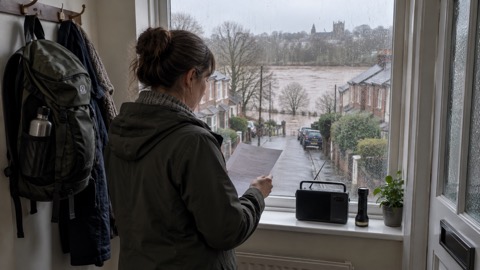
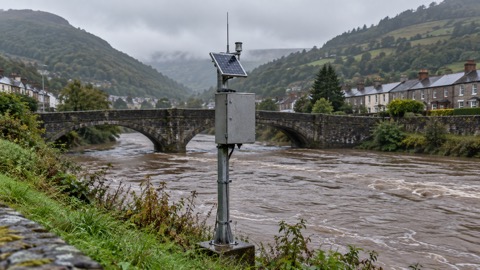
The arrangements for warnings differ across the UK, and they affect when you should start laying sandbags. In Wales, the Welsh Government directs you to check flood warnings and get advice on what to do before and after a flood from Natural Resources Wales, and to sign up to receive its flood warnings29. Natural Resources Wales states its flood warning service covers floods from rivers and the sea, and that the information you provide will only be used for the purposes of flood warning and informing30. Its forecasts give useful lead time: the Wales flood response framework notes Natural Resources Wales makes forecasts of potential river and coastal flooding up to 5 days ahead at community level31, and Severe Flood Warnings are issued in liaison with the Met Office, Fire and Rescue Services, relevant local authorities and Police as appropriate31. Five days of forecast is enough time to buy sand, fill bags and lay a barrier before the water arrives, which is exactly why councils tell you to prepare early rather than wait for a warning.
If you or someone in your household needs extra help, say so in advance. Some councils provide sandbags to properties in imminent danger of flooding that are occupied by vulnerable residents, including elderly, disabled and reduced mobility residents, so it is worth telling your council before a flood that you would struggle to source or fill your own. Registering with your council or water company's priority schemes before a flood is covered in extra help in an emergency. For the wider picture of who does what, see who manages flood risk, and for the council's duties on sandbags specifically, does the council have to provide sandbags?.
Sources (31)
- Sandbags, Derbyshire County Council, 2026-10-29
- Sandbags and how to use them properly for flood protection, Environment Agency, 2009-03
- Preparing for a flood, Nottinghamshire County Council, 2026-10-29
- Preparing for flooding, Somerset Council, 2026-10-28
- Further support after a flood, Nottinghamshire County Council, 2026-10-29
- Flooding FAQs, Scottish Environment Protection Agency, 2026-10-29
- Self help sandbag stores, Scottish Borders Council, 2026-10-29
- Preparing for flooding, Nottinghamshire County Council, 2026-10-29
- Flooding advice, Mid and West Wales Fire and Rescue Service, 2026-10-29
- Flooding, The Highland Council, 2026-02-04
- Personal responsibility for flooding, Derbyshire County Council, 2026-10-29
- Flood support, Ashford Borough Council, 2026-10-29
- Flooding before, during and after: frequently asked questions, Nottinghamshire County Council, 2026-10-29
- Create a flood pack, Bradford Council, 2026-10-29
- Emergency preparations you can do, Moray Council, 2026-10-29
- Be flood ready: guidance for flood wardens, Harborough District Council, 2026-10-29
- Flooding, West Yorkshire Prepared, 2026-10-29
- Who to contact about flooding, Devon County Council, 2026-06-16
- Flooding advice, Belfast City Council, 2026-10-29
- Flooding support, Lancashire County Council, 2026-10-29
- Resilience and sandbags, Derbyshire County Council, 2026-10-29
- Resilience and sandbags, Derbyshire County Council, 2026-10-29
- What to do before, during and after a flood, Environment Agency, 2010-11
- Help during a flood, GOV.UK, 2026-10-25
- Flooding, Devon and Somerset Fire and Rescue Service, 2023-11-20
- Clearing flood, Oxford City Council, 2026-10-29
- After a flood: clearing up, nidirect, 2026-05-06
- How to recover from flooding, UK Health Security Agency, 2023-12-19
- Flood warnings and help before and after a flood, Welsh Government, 2026
- Sign up to receive flood warnings, Natural Resources Wales, 2026-10-29
- Wales flood response framework, Welsh Government, 2016-12
 Flood Warning Checklist
 First Steps After a Flood
 Insurance Claim Records
 Checking Flood Risk by Postcode
 Types of Flooding
 Flood Alerts and Flood Warnings
 Flood Guidance Statement
 Wales Flood Warnings and Maps
 Making a Household Flood Plan
 Protecting Your Home
 Door Flood Barriers
 Flood Doors and Windows
 Airbrick Covers
 Non-Return Valves and Bungs
 Sump and Submersible Pumps