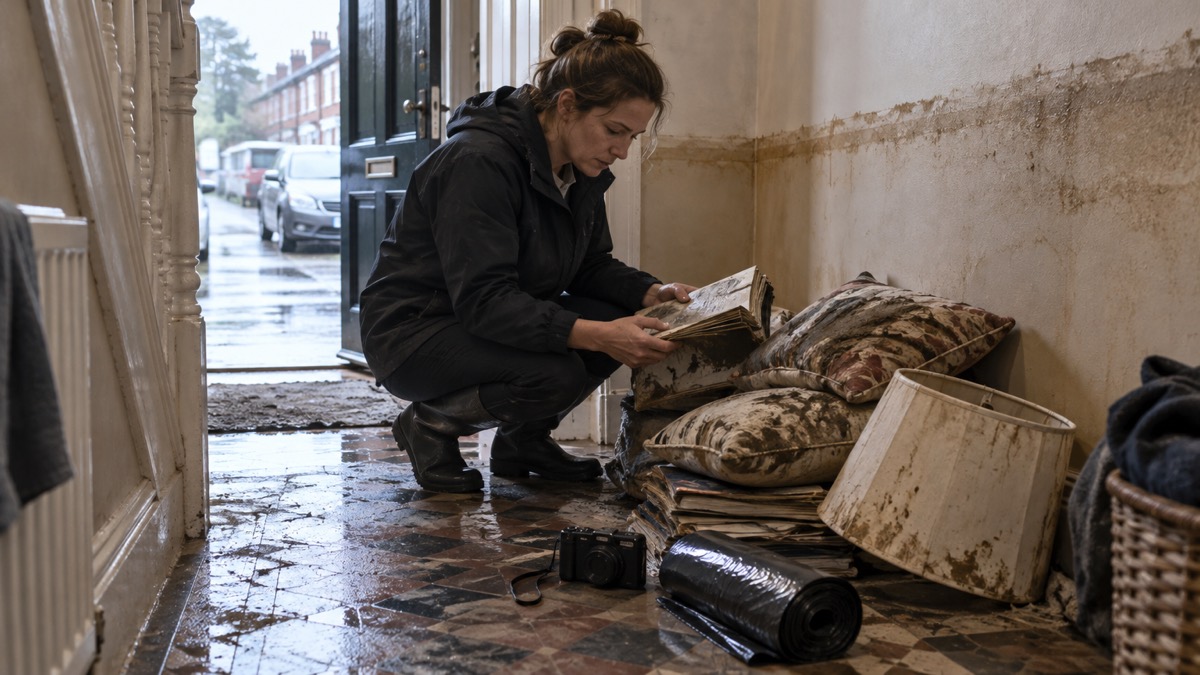
If your home has been flooded, contact your insurance company as soon as possible to start your claim; they will tell you what to do next1. Before you clean anything, take photos or video of the damage, and do not throw damaged items away until your insurer or their loss adjuster has inspected them, because disposing of things too early can affect or even invalidate your claim2. Most insurers run 24-hour emergency helplines that can guide you on what to do and arrange repairs quickly after storm or flood damage4.
This page walks through the whole flood claim process in the order you will meet it: who to call and what to ask, what to photograph and record, what your insurer will do next through their loss adjuster, when you can finally throw things away, and how the Build Back Better scheme can pay up to £10,000 towards making your home more resilient while it is being repaired5. It also covers where to get free help if you are uninsured, unsure of your cover, or stuck in a dispute.
Contact your insurer as soon as possible
Your insurance company should be your first point of contact after a flooding incident, and they should guide you on what happens next9. Every official source on flood recovery says the same thing: contact your insurer immediately, or as soon as you safely can9. The Association of British Insurers, the industry body, advises contacting your insurer as soon as possible because most have 24-hour emergency helplines that give guidance on what to do and arrange repairs quickly4. The helpline number will be on your policy documents or the insurer's website.
Contacting them early matters for more than starting the clock. Your insurance company may be able to provide financial assistance for things like blowers and skips, and may recommend reputable contractors11. They may also require evidence of damage before any clean-up begins, so the call comes before the mop12. If you have both buildings and contents policies, contact both companies, and ask practical questions at the outset: how long will it take them to see you, and do they have a company that will clean your house, or will you have to do it yourself13?
If you are not sure who insures you, or whether you are insured at all, you can contact the National Flood Forum or the Association of British Insurers for support14. The National Flood Forum can be reached on 01299 403055 and offers advice on how to get insurance and reduce your premium or excess15. If you have no insurance at all, help still exists: see our page on recovery grants and help if you are not insured.
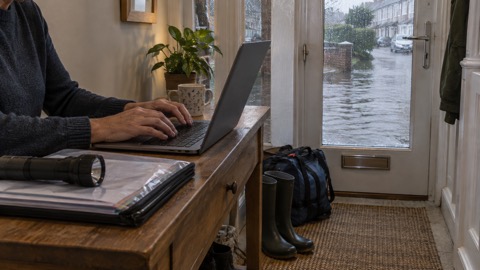
Keep a record of the flood damage and of any contact you have with the insurance company17. Claims after floods take time, and a written trail of calls, letters and emails protects you if instructions change or are disputed later18.
Keep damaged items until your insurer has seen them
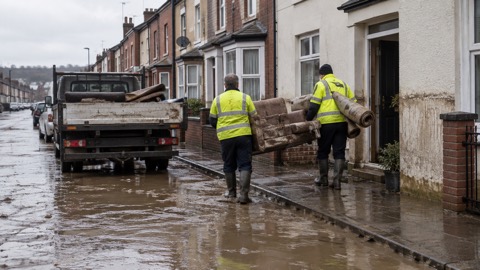
The single most common way households weaken their own claim is clearing everything out before anyone has looked at it. Do not throw away damaged possessions before the loss adjuster has seen them10. Do not dispose of items until asked to do so by your insurer, broker or loss adjuster, and before removal, make sure you have photographed all the items3. Mid and West Wales Fire and Rescue Service puts it plainly: contact your insurers as soon as possible, and don't throw damaged items away until your insurers have inspected them19.
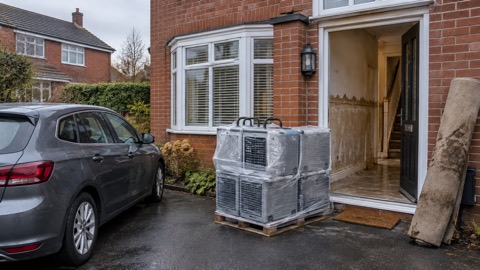
This applies to furniture, carpets and bulky items as much as to small possessions. Check with your insurance company before disposing of flood-damaged bulky items, because it may affect your claim15. Where an insurance claim is being made, a loss adjuster may need to visit before damaged belongings are removed, so expect a visit rather than an immediate clear-out20. The good news on cost: your insurance company will normally cover the cost of removing damaged items, so you are not paying for skips yourself12.
There is a balance to strike, because living among sodden belongings is miserable and, over time, unhealthy. The practical approach official guidance supports is this: photograph and video everything first, speak to your insurer about what you can move and throw away before you start clearing up, and then move items out of the way if the insurer agrees, without disposing of them1. Items that are beyond repair or disinfection should be removed and placed in appropriate disposal bins, and contaminated items should be double bagged where possible; bags containing contaminated food should not be left out in open areas, as they will attract pests14.
Photos and records: what to keep for your claim
Your claim is built on evidence, and the evidence is easiest to collect in the hours and days straight after the water arrives, before clean-up destroys it. Take photos of all of your property and possessions that have been damaged10. Record details of damage with photographs and video, as this will be useful when making an insurance claim11. If it is safe to do so, take photos or video of damaged property before you touch anything, and pass these to your insurer15.
Beyond the obvious shots of soaked sofas and standing water, official flood recovery guidance points to several specific records worth making:
- The flood water level. Use a permanent ink pen to mark on the wall the height the flood water reached, and do this in every room affected by flooding; also photograph tide marks on the walls showing the level flood waters reached7.
- Every damaged item. Photograph all items before removal, and keep a list of your belongings3.
- A meter reading. Take a meter reading when you record the damage, as flood recovery guidance recommends10.
- People you talk to. Keep a record of people you speak to, such as insurance companies and builders10.
- Paperwork. Keep copies of letters, emails and faxes, and keep receipts7. Include photos, receipts and correspondence with your landlord, insurer or the council in your record of the flood22.
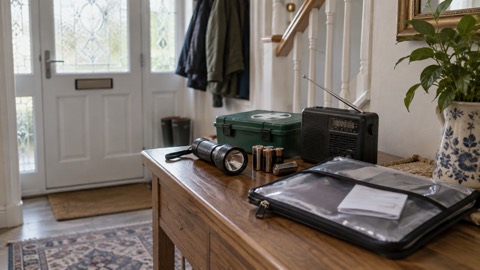
If you are reading this before a flood rather than after one, the same records work in advance: take photos of your property and make a list of your belongings to help with future insurance claims21. Keep copies of your home insurance documents somewhere safe and dry, ideally in your emergency flood kit alongside a torch, a wind-up or battery radio, warm waterproof clothing and blankets, a first aid kit and prescription medication, bottled water and non-perishable food, and baby food and baby care items if relevant7. Our insurance claim records checklist sets this out as a list to work through.
What your insurer will tell you to do next
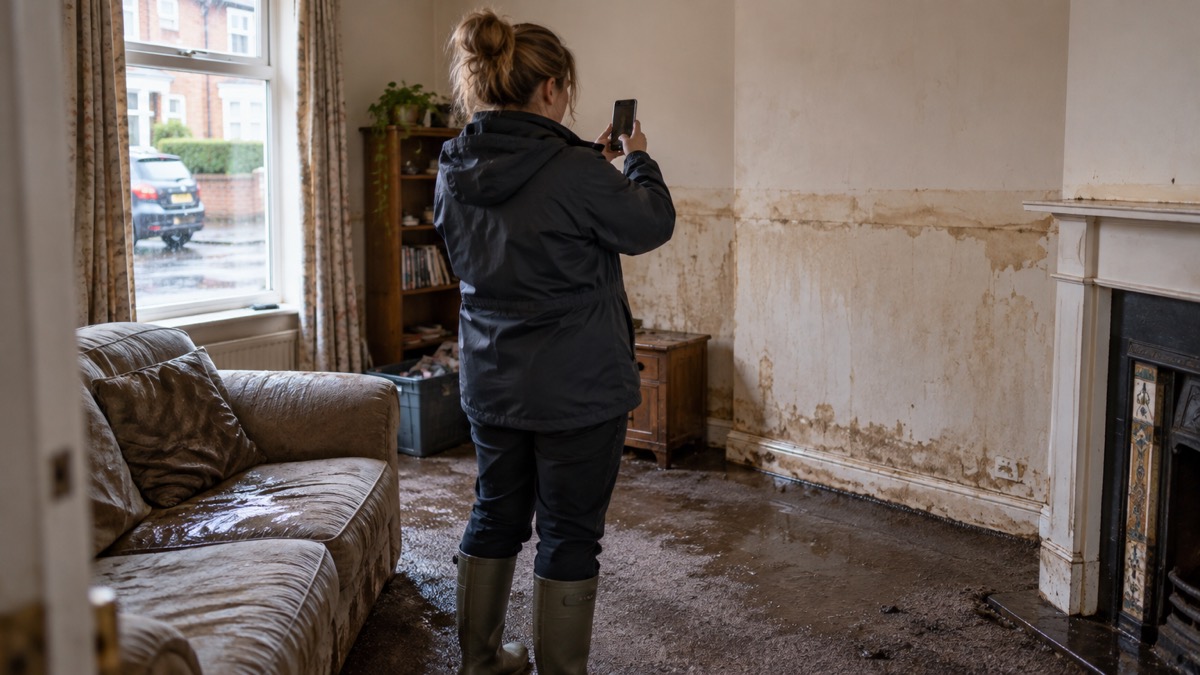
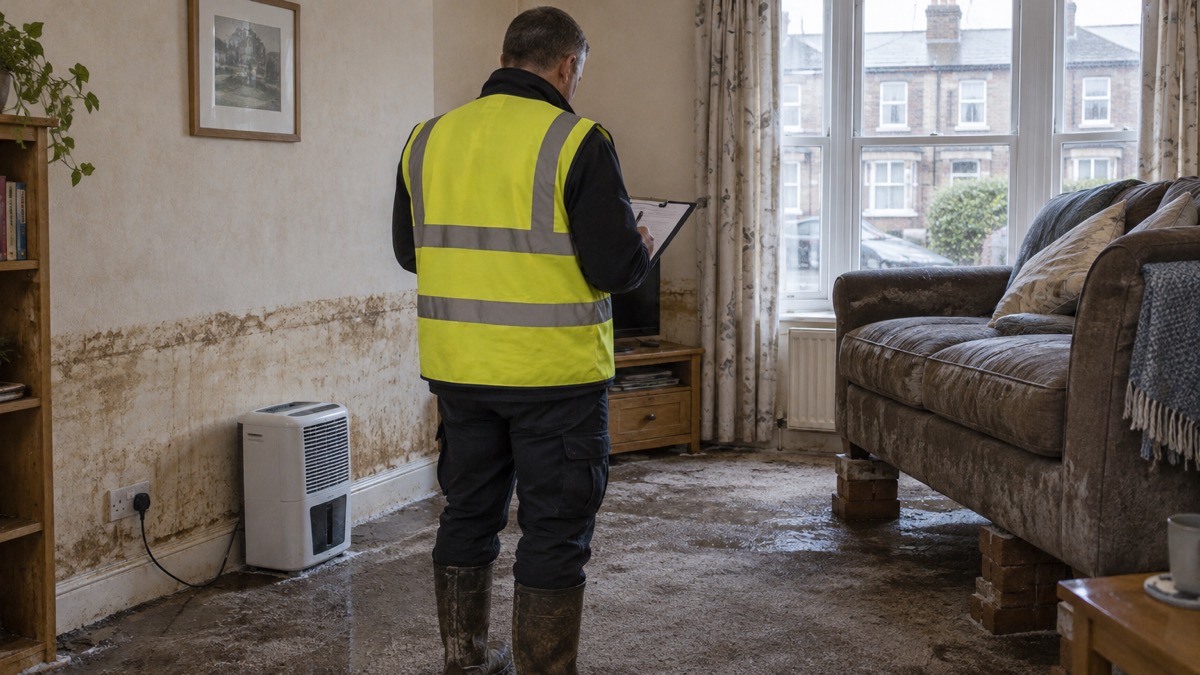
Once you have reported the flood, your insurance company will tell you the next steps to take12. In practice this usually means a loss adjuster. Before you start to clean your home, contact your insurer: they will arrange for a loss adjuster to assess the claim6. The loss adjuster works on behalf of the insurer to inspect the damage, value what has been lost, and agree what work is done. Where insurance claims are being made, it may be necessary for the loss adjuster to visit before damaged belongings are removed20.
After the assessment, your insurance company, via your loss adjusters, will arrange for a professional cleaning company to come and undertake the clean, or appoint a strip-out contractor if the damage is severe5. You can also ask your insurance company directly whether they will organise professional cleaners to clean your home24. Most of the repair work after flooding will need to be undertaken by professionals appointed by your insurers, so take advice from specialists before starting any repairs yourself25.
Two cautions from official guidance are worth taking seriously. First, speak to your insurance company before engaging any companies offering to repair flood damage2. Unsolicited offers of repair work after a flood are a known problem, and our page on avoiding rogue traders after a flood covers the warning signs. Second, if you do need to arrange work yourself, use a builder recommended by your local council or insurance company, and get professional advice from a builder for major redecoration or repair work24.
Be prepared for what a claim does and does not deliver. The insurance company may only offer to clean and repair something, not replace it26. Soaked carpets, for example, may be cleaned and dried rather than written off, depending on the policy and the adjuster's assessment. If you rent rather than own, our page on whether you still pay rent if your home floods covers the renting position. Drying out a home properly takes time, and the work is done by the professionals the insurer appoints; see our guidance on drying out a house with dehumidifiers for what happens in practice.
Build Back Better: up to £10,000 for flood resilience repairs
A standard insurance claim puts your home back as it was, which means the next flood damages it in exactly the same way. Build Back Better (BBB) is the scheme that breaks that cycle. It gives homeowners the opportunity to install flood resilience measures up to the value of £10,000 when repairing their properties after a flood5. The scheme is offered by some insurance companies, so whether you can use it depends on your insurer and your policy5.
The key point is that BBB is not automatic. Policies from some insurers will allow claims to include an amount for resilient repair over and above the cost of like-for-like reinstatement of the actual flood damage27. Build Back Better is offered to homeowners by some insurance companies, not all of them5. So the action is simple: if you've been flooded, contact your insurance company, follow their advice, and ask whether they offer Build Back Better25.
Resilience measures are the things that let a home be flooded with far less damage and be lived in again quickly afterwards: flood-resistant kitchens and flooring, raised electrics, units on legs, tiled floors instead of carpets, and measures like the ones covered in our guide to protecting your home and repairing a home so it recovers faster next time. Policies from some insurers will allow claims to include an amount for resilient repair (Build Back Better) over and above the cost of like-for-like reinstatement of the actual flood damage27.
If you are buying insurance rather than claiming on it, the same question applies in advance: if you want your home insurance policy to include BBB, speak to your broker or insurer before committing to purchase the policy21. Our page on home insurance in a flood risk area and Flood Re explains how Flood Re works and how it affects premiums.
Who decides whether you get Build Back Better funding
The decision rests with your insurer, because the scheme is offered through insurance policies rather than by government. Householders should contact their insurer or Flood Re for more information on resilient repair27. If your insurer can repair your property under the Build Back Better scheme, which includes property flood resilience measures, there may be no need for you to apply for a separate grant at all8.
If your insurer does not offer BBB, or you are not insured, a council-run property flood resilience grant may be available instead. Eligible property owners can apply for up to £5,000 (including VAT) to help make their property more resilient to future flooding8. These schemes have run after specific flood events: after Storm Babet in October 2023, flooded property owners were able to apply for up to £5,000 from the Government to help make their homes and businesses more resilient10. Grants are discretionary and locally administered, so check with your council what is running; our page on property flood resilience grants explains how the schemes work.
| Help with resilience repairs | How much | Who offers it | How to get it |
|---|---|---|---|
| Build Back Better | Up to £10,000 of resilience measures on top of repair costs5 | Some insurance companies5 | Ask your insurer when you claim25 |
| Property flood resilience grant | Up to £5,000 including VAT8 | Council schemes, after flood events8 | Apply through your council8 |
When damaged items can be thrown away: health hazards
The rule of keeping everything has one firm exception: health hazards. The Association of British Insurers advises that you should not dump damaged items, unless they are health hazards4. In other words, food that has been contaminated, and anything that poses an immediate risk to health, can go before the loss adjuster sees it, but photograph it first and tell your insurer what you have removed and why.
Food safety rules after a flood are strict, and Food Standards Scotland's flooding advice sets them out. Discard any food packaging that is punctured, torn, swollen or damaged if the food has been in direct contact with flood water28. Throw away any chipped or damaged crockery, as well as wooden chopping boards and spoons, if they have come into contact with flood water, because they cannot be properly sanitised and can absorb contaminated water28. Flood water commonly carries sewage, chemicals and animal waste, which is why contaminated items should be double bagged for disposal where possible, and bags containing contaminated food should not be left out in open areas, as they will attract pests14.
For everything else, the sequence is: speak to your insurance company about what you can move and throw away before you start clearing up1. Once they have seen the damage, or told you they do not need to, you can begin disposing of what they agree is beyond saving. Our page on disposing of damaged furniture and carpets covers the practical side, and cleaning up safely after floodwater covers the clean itself.
Where to get help with a flood claim
You do not have to deal with the claim alone, and several organisations give free help. The National Flood Forum is a charity that supports flooded households; it can be reached on 01299 403055 and offers advice on how to get insurance and reduce your premium or excess15. Residents unsure of their insurance status can contact the National Flood Forum or the Association of British Insurers for support14. Householders seeking information on resilient repair should contact their insurer or Flood Re27.
If you rent, keep a record of the flood including photos, receipts and correspondence with your landlord, insurer or the council22. If you are homeless because of flooding, contact your council for housing help22. In Northern Ireland, for compensation claims about water or sewerage flooding, ask NI Water for a claim form on 0845 744 008817. Our page on sewer flooding and who is responsible and the one on guaranteed standards payments for sewer flooding cover that route in more detail.
For the flooding itself rather than the claim, Floodline provides live flooding information and advice 24 hours a day, 7 days a week, and you can ask for a friend or relative to get flood warnings on your behalf if you have a disability or need extra help16. To check whether your property is at risk of flooding and find information on flood protection products, call the Environment Agency on 03708 506 50629. Flooding at a property can also be reported to your local council: in Nottinghamshire, for example, flooding can be reported online or to the Customer Service Centre on 0300 500 80 8030. Our page on who to report flooding to lists the right contact for each situation.
A flood claim is a slow process lived through at a difficult time, and the mental toll is real; our page on mental health after a flood lists sources of support. The practical sequence, though, stays the same throughout: call the insurer first, photograph everything, keep what they need to see, ask about Build Back Better, and let the professionals they appoint do the repairs.
Sources (30)
- What to do after a flood, GOV.UK
- Advice for homeowners affected by flooding, Nottinghamshire County Council
- Flooding advice, Belfast City Council
- Emergency planning and flooding advice, Belfast City Council
- Getting back into your home following flooding, Surrey County Council
- After a flood, Surrey County Council
- Flood recovery information for Suffolk, Suffolk County Council
- Property flood resilience grant scheme, Suffolk County Council
- After a flood: flooding advice, London Fire Brigade
- Flood recovery information, Devon County Council
- Be prepared for flooding, Lancaster City Council
- Flooding aftercare, Runnymede Borough Council
- Flood risk in Anglesey: be prepared, Isle of Anglesey County Council
- How to recover from flooding, GOV.UK
- Flood recovery: further support, Nottinghamshire County Council
- Flood preparedness, Southend-on-Sea City Council
- What to do if a flood happens, nidirect
- How to Prepare for a Flood and Protect Your Home | Age UK, Age UK
- Flooding advice, Mid and West Wales Fire and Rescue Service
- Derby and Derbyshire flood warden handbook, Parwich Parish Council
- Preparing for a flood, Natural Resources Wales
- Housing help if your home is flooded, Somerset Council
- Preparing for a flood, nidirect
- After a flood: clearing up, nidirect
- Protecting your property from flooding, Met Office
- Preparing your home for flooding, Cotswold District Council
- How to prepare for flooding, GOV.UK
- Food safety and flooding, Food Standards Scotland
- Prepare your household for emergencies, Westminster City Council
- During a flood, Nottinghamshire County Council
 Flood Warning Checklist
 First Steps After a Flood
 Insurance Claim Records
 Checking Flood Risk by Postcode
 Types of Flooding
 Flood Alerts and Flood Warnings
 Flood Guidance Statement
 Wales Flood Warnings and Maps
 Making a Household Flood Plan
 Protecting Your Home
 Door Flood Barriers
 Sandbags and Alternatives
 Flood Doors and Windows
 Airbrick Covers
 Non-Return Valves and Bungs