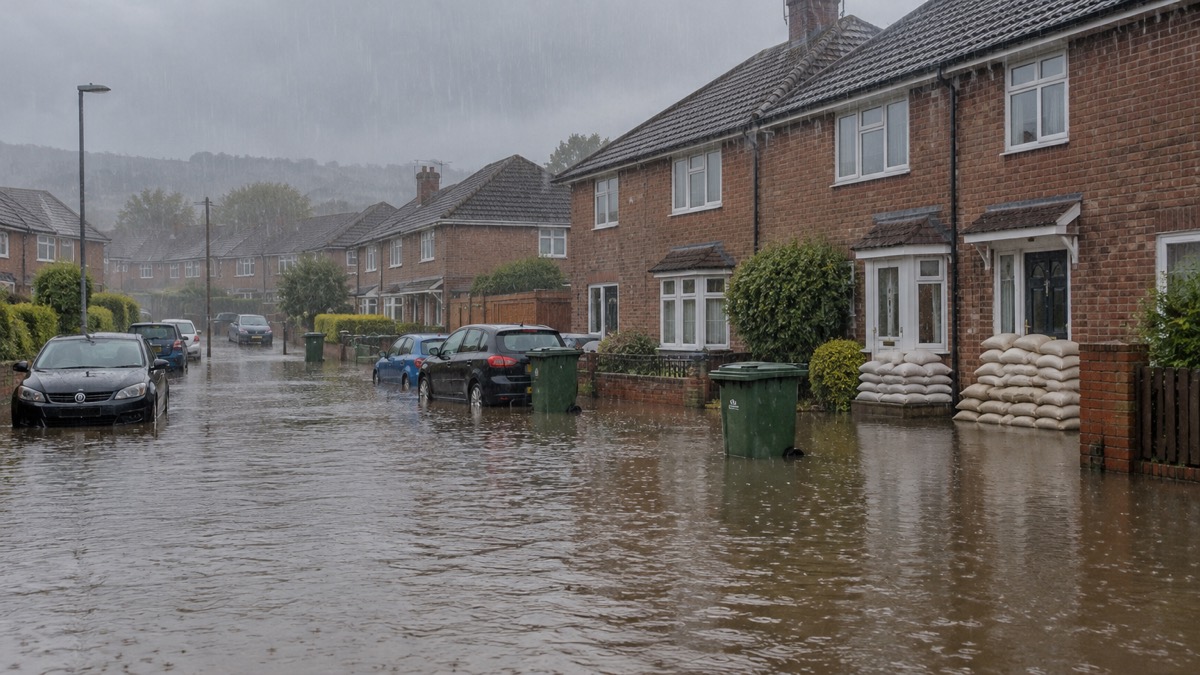
If you live somewhere that floods, or you have been told your home is in a flood risk area, getting home insurance can feel like the hardest part. Flood Re exists for exactly this situation. It is an insurance scheme set up by government and insurers to help homeowners who need insurance in flood risk areas1. It was launched in April 2016 as a joint government and insurance industry initiative, created to help provide affordable insurance to the households at highest risk of flooding2.
The important thing to understand is that you do not apply to Flood Re yourself. It is a re-insurance scheme that sits behind the normal insurance market: it helps households at risk of flooding find affordable home insurance3, and it offers affordable insurance to homes identified as at risk of flooding4. You buy your policy from an insurer in the usual way, and the scheme makes it possible for that insurer to cover the flood risk part of your home. If you are refused cover or quoted a price you cannot afford because of flood risk, Flood Re is the reason many insurers can still help you, and you can find out more at floodre.co.uk5.
This page explains how the scheme works, what to do to find cover, what to have ready so a claim goes smoothly, how to stay safe if water actually arrives, and how things differ in Scotland, Wales and Northern Ireland.
How Flood Re works and who it helps
Flood Re was set up because households at the highest risk of flooding were struggling to find insurance at all, or were being quoted prices that put cover out of reach. The scheme is described in official guidance as "a flood insurance scheme that has been set up to help those households who live in a flood risk area find affordable home insurance"3, and as a re-insurance scheme to help households at risk of flooding5. In practice, that means the flood risk element of your home insurance can be passed to Flood Re by your insurer, so the price you are quoted reflects the rest of the risk to your home rather than the flood risk alone.
The scheme launched in April 20162. It is a joint initiative between government and the insurance industry1, which is why official flood guidance across the UK points households towards it: flood recovery information from Devon directs readers to "Go to FloodRe to find out more information: www.floodre.co.uk"5, and council and fire service guidance elsewhere describes it in the same terms3.
For you as a household, the practical effect is this: you shop for home insurance normally. You answer the insurer's questions about your home honestly, including any flooding it has suffered. If your home is identified as at risk of flooding, the insurer can use Flood Re so that the flood part of the cover stays affordable4. You do not need a separate policy, a special application or a direct relationship with Flood Re. If one insurer declines to quote, try others, because the scheme exists precisely so that households like yours can find cover3.
One thing worth checking when you buy: make sure the policy actually includes flood cover. Official recovery guidance is blunt about it: "Ensure you have purchased flood insurance"5. Some policies exclude flooding or treat it as an optional extra, and discovering that gap after water is in your hallway is the worst possible time. Ask the insurer directly whether flood damage to your home and belongings is included, and get the answer in writing with your policy documents.
If you want to understand your home's risk before you start ringing insurers, see Checking Your Home's Flood Risk by Postcode and Types of Flooding: River, Sea, Surface Water and Groundwater.
Finding cover: what to do, in order
Finding insurance in a flood risk area is a process, and it goes better if you approach it in a sensible order. Work through these steps.
- Check your flood risk. Use the official flood risk service for your nation so you know, before you call anyone, what you are dealing with. Risk information comes from the Environment Agency in England, SEPA in Scotland, Natural Resources Wales in Wales, and the Department for Infrastructure in Northern Ireland8.
- Sign up for flood warnings. The Environment Agency's flood warning service is free for individuals and small businesses, covering up to 10 locations, and sends warnings directly to you by phone, text or email9. The government's personal flood plan advice is to sign up for flood warnings10, and you can also sign up to Met Office weather warnings, which matter for flash flooding11.
- Make a personal flood plan. Official guidance encourages every household liable to flooding to create a personal flood plan10. See Making a Household Flood Plan.
- Contact insurers, and be honest about flooding. Disclose any past flooding at the property and your area's risk. Insurers assess risk differently, so a refusal from one is not a refusal from all, and Flood Re exists to keep cover available for homes at risk3.
- Confirm flood cover is included. Ask specifically, and keep the policy documents with your flood kit5.
- Get specialist help if you are stuck. The National Flood Forum provides a step by step guide on what to do after a flood13 and specialist advice for householders facing flooding14. If you cannot find affordable cover, they are the place to turn.
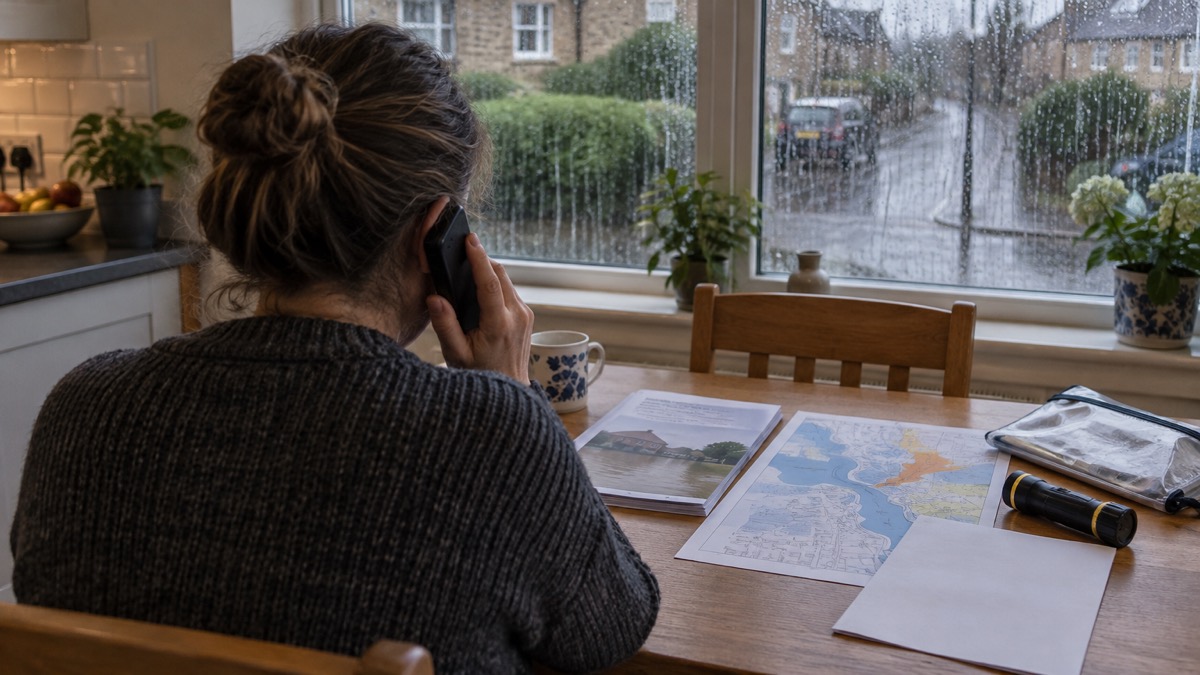
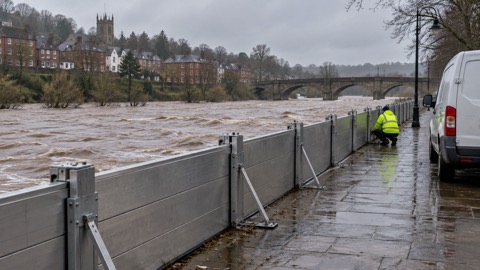
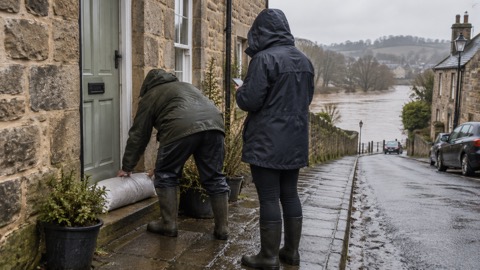
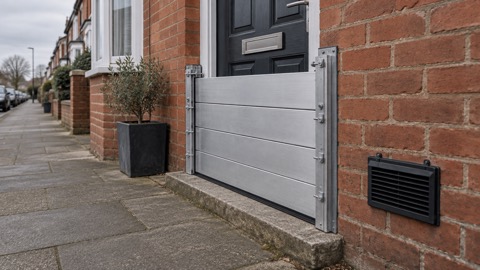
Being prepared helps in another way too. Insurers and official guidance both encourage households to act on their risk: to prepare a flood kit, to plan what they will move and turn off, and to install property defences such as flood gates where practical12. A household that can show it has taken its risk seriously is in a stronger position in every conversation with an insurer. For what that can involve, see Protecting Your Home: Resistance and Resilience Measures and Door Flood Barriers: Types and How to Choose.
What you need: the documents and kit that make insurance work
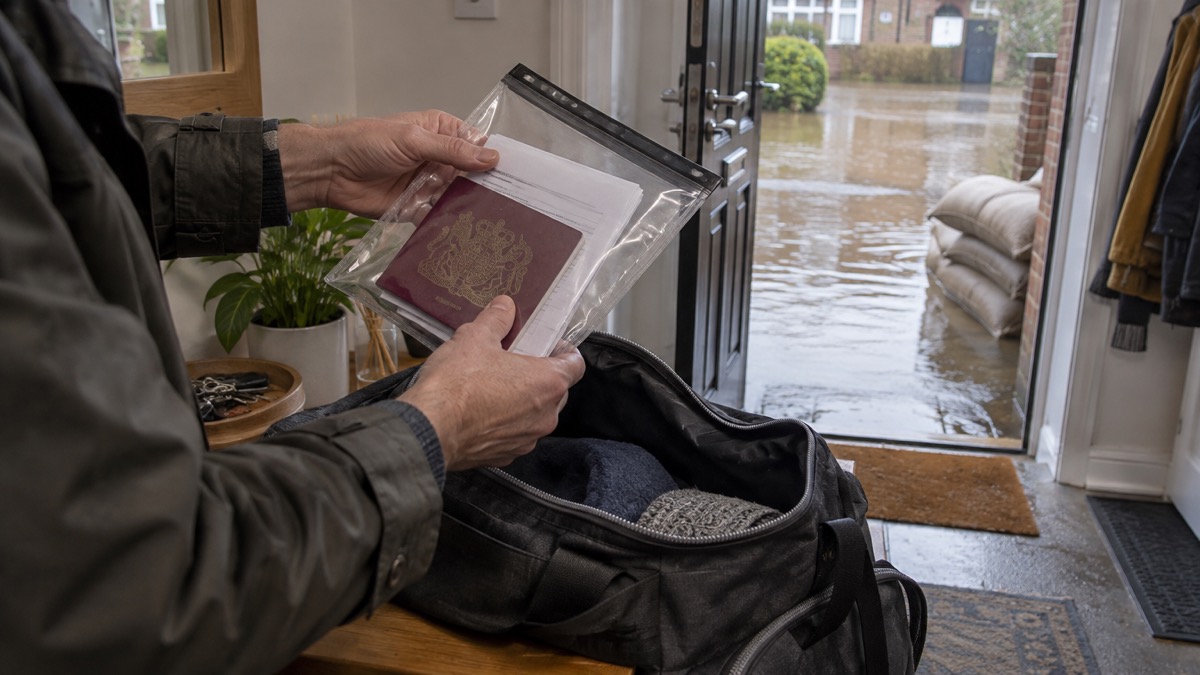
Insurance is mostly paperwork, and the paperwork only helps if you can reach it when water is coming in. Official guidance across the UK is consistent that your documents belong in your flood kit, kept upstairs if possible.
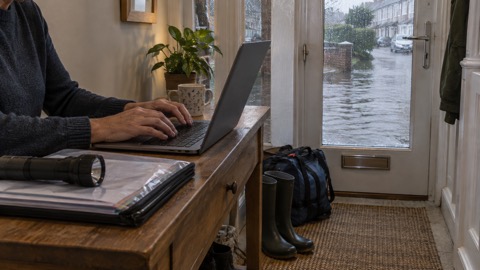
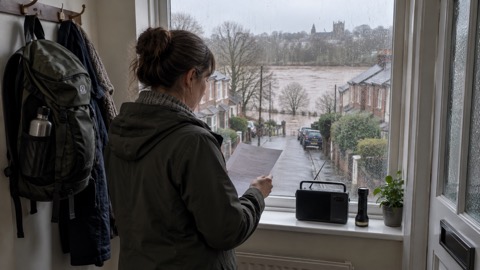
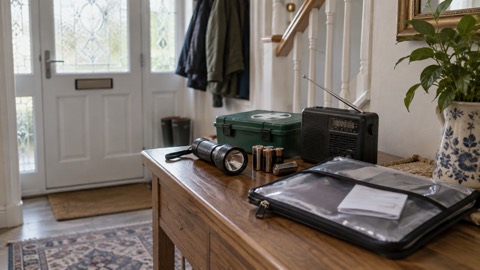
Two official lists show what a flood kit should contain, and they overlap heavily. SEPA's version includes a torch and spare batteries, a first aid kit, prescription medicines, warm waterproof shoes and clothes, rubber gloves, bottled water and snacks, essential pet and children's supplies, insurance documents, passports, a wind-up or battery powered radio, and a list of important phone numbers4. The Mid and West Wales Fire and Rescue Service adds blankets and waterproof clothing, and says to keep the kit upstairs if possible16. A council grab bag list goes further on the documents side: passport, driving licence and insurance documents in a waterproof wallet, plus phone and charger or power banks, emergency cash and bank cards, spare glasses and hearing aid batteries, spare house keys, a camera or recording device, prescribed medication, and water and snacks17.
| Item | Why it matters for insurance | Source |
|---|---|---|
| Insurance documents, in a waterproof wallet | The policy number and insurer's phone number, dry and reachable | 4 |
| A list of important phone numbers | Your insurer's emergency line, when your phone is not working | 4 |
| Camera or recording device | To photograph damage before cleaning begins | 17 |
| Phone, charger and power banks | To call the insurer's 24-hour helpline and receive warnings | 17 |
| Passport and driving licence | Identity checks when dealing with insurers and claims | 17 |
| Emergency cash and bank cards | If you are out of the house for days during a claim | 17 |
Beyond the kit, two things make a claim far easier. The first is a record of what you own: the grab bag guidance's advice to take photos of damage before cleaning17 works best when you already have photos of rooms and belongings in normal times. The second is your personal flood plan, which the government publishes as a template you can fill in, covering what you will move, turn off and do when a warning arrives10. Keep both with the kit.
If you want a full walkthrough of the claim itself, see Making an Insurance Claim After a Flood and Insurance Claim Records Checklist.
If your home floods: the insurance steps
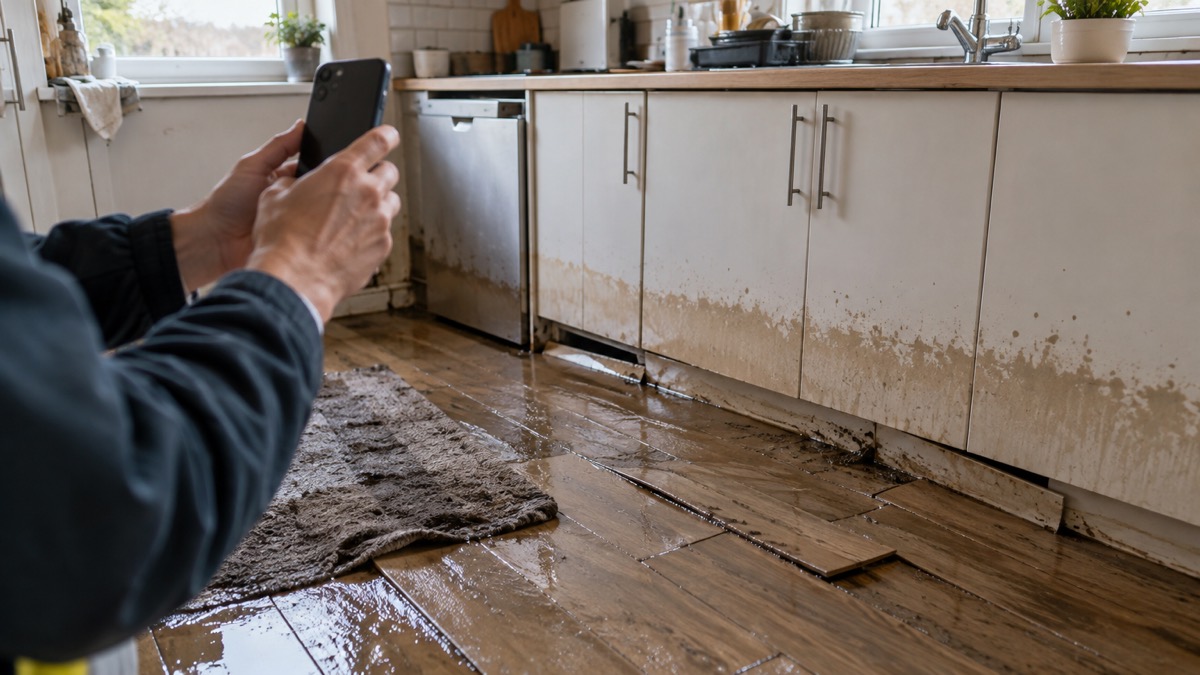
When water has actually arrived, insurance moves from a background concern to the thing that shapes the next weeks. The steps are simple, and official guidance is consistent about them.
Contact your insurer as soon as possible. The Association of British Insurers' advice is that most insurers have 24-hour emergency helplines to give guidance on what to do and arrange repairs quickly6. Do not wait for the water to go down: the helpline exists for the moment the flood is happening.
Take photos of the damage before you start cleaning, and keep records where possible7. Derbyshire's recovery guidance adds that you should contact your insurance company, and your landlord if you rent, for advice and to get approval before carrying out any repairs7. That approval matters: repairs done without the insurer's agreement can cause problems with the claim.
And do not throw things away. The ABI's instruction is plain: "don't dump damaged items, unless these are health hazards"6. The insurer will want to see or assess what was damaged, so leave everything in place where you safely can, and photograph it first.
For the wider recovery, you do not have to work it out alone. The National Flood Forum provides a step by step guide on what you need to do after a flood13, and Suffolk's fire and rescue service advises listening to local radio for information and contacting the National Flood Forum for specialist advice14. Carmarthenshire's flood recovery guidance includes a booklet on the initial steps to take and a recovery toolkit with the basic resources you need19. If you are not insured, or the claim does not cover everything, see Recovery Grants and Help If You Are Not Insured.
One further point worth knowing when you claim: repairs can be done so your home recovers faster next time. See Repairing a Home So It Recovers Faster Next Time and What Build Back Better Means for a Claim.
Staying safe around flood water
Insurance is the subject of this page, but none of it matters if you are hurt. Flood water is dangerous in ways that are not always obvious, and the safety instructions here come from fire and rescue services and official guidance.
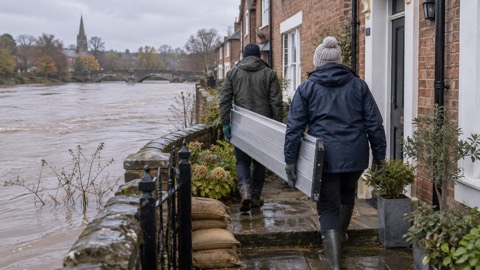
During a flood, the fire and rescue service advice is to stay in your home if you can, and move upstairs unless it is clearly unsafe to do so16. Before water arrives, official guidance is to turn off gas, electricity and water supplies if it is safe to do so, move family, pets and valuables to a safe place, and put flood protection equipment in place24. Lancaster's guidance adds: switch off all electrical appliances, remove plugs from sockets and turn off the main electricity switch, remembering that freezers and refrigerators will become ineffective25. For the detail, see Turning Off Gas, Electricity and Water Before a Flood.
If your vehicle is caught in flood water and you are trapped, shout and sound your horn for help26. The safest answer is not to drive into water at all: see Is It Safe to Walk or Drive Through Floodwater?.
The warnings themselves tell you what to do at each level. A flood alert means flooding is possible, be prepared27. A flood warning means flooding is imminent2. At the severe end, the advice from a community flood plan is: "Stay in a safe place with a means of escape. Be ready should you need to evacuate from your home. Co-operate with the emergency services. Call 999 if you are in immediate danger."24
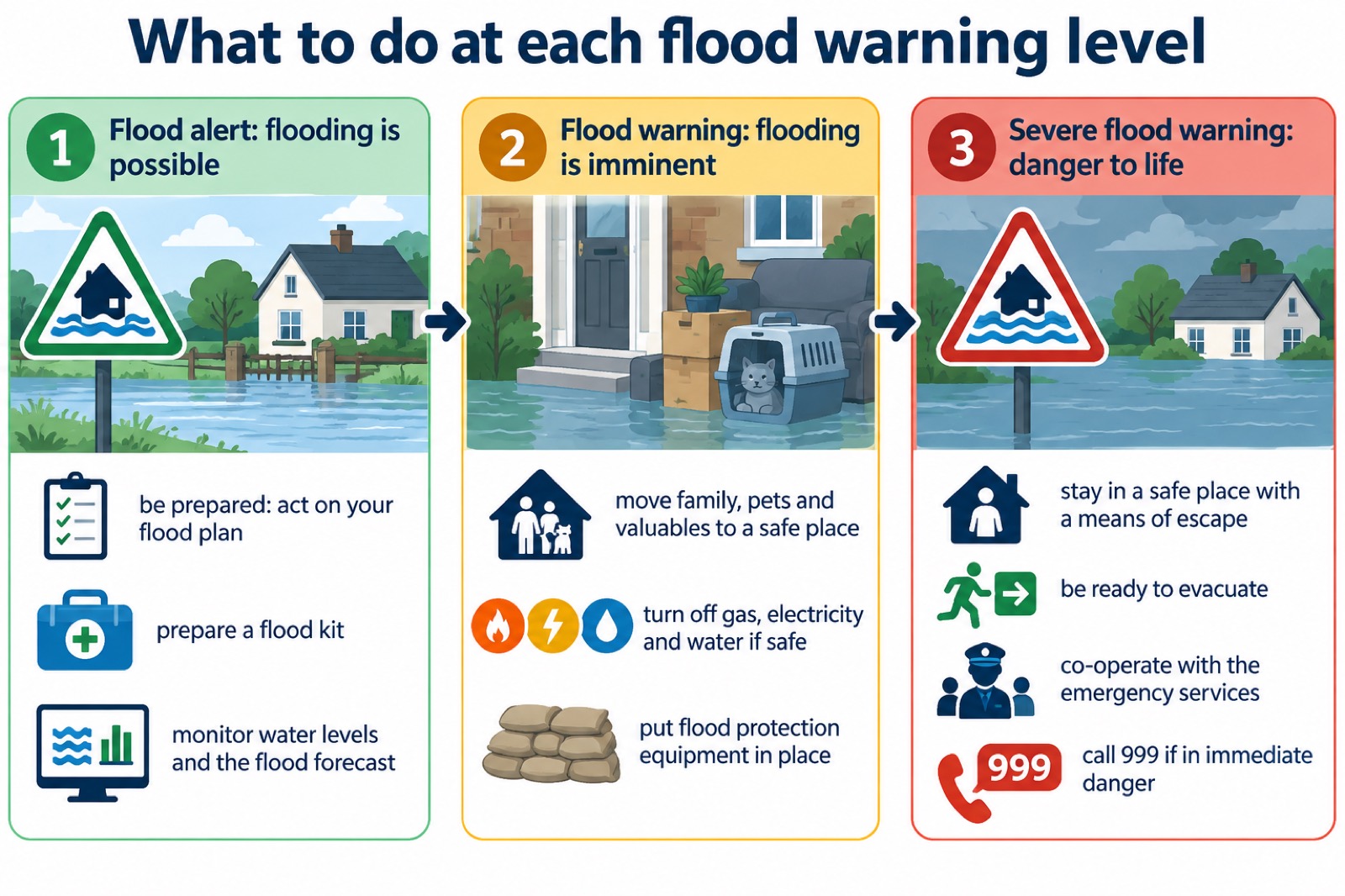
For the full picture, see Flood Alerts, Flood Warnings and Severe Flood Warnings and What to Do During a Flood at Home.
Where Scotland, Wales and Northern Ireland differ
Flood Re itself operates across the UK: it is a joint government and insurance industry initiative2, and official guidance in each nation, from Devon in England to Belfast in Northern Ireland, points households to the same scheme3. What differs between the nations is the flood risk and warning machinery around it, and a few details worth knowing.
In Scotland, the scale of the risk is set out in SEPA's National Flood Risk Assessment: flooding is Scotland's most severe climate-related risk, and 1 in 8 properties across Scotland are at risk in the medium likelihood scenario, a sharp rise from 284,000 properties in the 2018 assessment28. SEPA runs Scotland's flood warning service and its guidance covers what to do before, during and after a flood, including the flood kit list quoted earlier4.
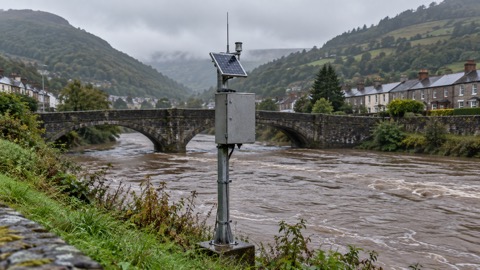
In Wales, Natural Resources Wales is expanding its flood warning service: new models for the Upper Wye, Lower Wye and Cadoxton add 13 new forecast locations, covering 8 separate Flood Warning Areas and over 2,200 properties in 2025/268. NRW's own guidance carries the safety warning quoted above, to stay away from flood water20, and its flood risk results pages help you understand what the risk to your home means22. See Wales: Natural Resources Wales Warnings and Risk Maps.
In Northern Ireland, nidirect's advice for a flood is to call 999 immediately if you are in danger, and to turn off gas, electricity and water supplies if it is safe to do so23. Belfast City Council's guidance adds the emergency kit advice: make up an emergency kit and add the extra things you will need in a flooding emergency, like rubber gloves, waterproof clothing and boots3.
| Nation | Risk and warning body | Note for households |
|---|---|---|
| England | Environment Agency | Free flood warnings by phone, text or email, up to 10 locations9 |
| Scotland | SEPA | 1 in 8 properties at risk; flooding is Scotland's most severe climate-related risk28 |
| Wales | Natural Resources Wales | 13 new forecast locations added in 2025/26, covering over 2,200 properties8 |
| Northern Ireland | Department for Infrastructure | Call 999 if in danger; turn off supplies if safe23 |
These bodies work together: the UK Common Warnings Framework brings together the UK flood agencies, the Met Office and the Flood Forecasting Centre8. For you, that means the warning levels and what to do at each one are broadly the same wherever you live, which matters if you are insuring a property in a different nation from the one you live in. For the five-day outlook, see The Flood Guidance Statement and Five-Day Forecasts.
Where to get help
Several organisations stand behind the guidance on this page, and knowing who to contact saves time when it matters.
- Your insurer's 24-hour emergency helpline, for the moment a flood begins: most insurers run one, to give guidance and arrange repairs quickly6.
- Flood Re (floodre.co.uk), for information about the scheme that helps households in flood risk areas find affordable cover5.
- The National Flood Forum, for specialist advice and a step by step guide on what to do after a flood13.
- Your nation's flood service, for warnings and risk information: the Environment Agency in England, SEPA in Scotland, Natural Resources Wales in Wales, and the Department for Infrastructure in Northern Ireland8.
- Local radio, for information and guidance during an event14.
If you need extra help because of age, disability or medical dependence, see Extra Help in an Emergency: Older, Disabled and Medically Dependent Households. For the emotional aftermath, which is real and recognised, see Mental Health After a Flood: Where to Get Support.
Sources (28)
- Preparing for a flood, Nottinghamshire County Council
- Flooding FAQs, Scottish Environment Protection Agency
- Flooding advice, Belfast City Council
- Before, during and after a flood, Scottish Environment Protection Agency
- Flood recovery information, Devon County Council, 2026-01-29
- Emergency planning, Belfast City Council
- Cleaning up and returning home after flooding, Derbyshire County Council
- Flood risk management annual report 2025 to 2026, Natural Resources Wales, 2025
- Flooding: preparing for a flood, easy read, Nottinghamshire County Council, 2025-11-02
- Personal flood plan, GOV.UK, 2023-11-15
- How to prepare for flash flooding, Greater London Authority, 2026-10-25
- Advice for those at risk of flooding due to recent heavy rainfall, North Yorkshire Fire and Rescue Service, 2023-09-19
- After a flood, London Fire Brigade, 2026-10-25
- What to do in a flood, Suffolk Fire and Rescue Service
- Preparing for a flood, Wiltshire and Swindon Prepared, 2026-10-25
- Flooding advice, Mid and West Wales Fire and Rescue Service
- Resident grab bags, Harborough District Council
- Personal flood plan PDF, GOV.UK, 2023
- Flooding recovery, Carmarthenshire County Council, 2026-10-28
- What to do in a flood, Natural Resources Wales
- What to do in a flood, Wiltshire and Swindon Prepared, 2026-10-25
- Understanding your flood risk results, Natural Resources Wales
- What to do if a flood happens, nidirect, 2025-10-24
- Aberaeron Community Emergency Plan 2024, Aberaeron Town Council, 2024-05-08
- Be prepared, Lancaster City Council, 2026-10-26
- Flood water is coming into my home, London Fire Brigade, 2026-10-25
- Flood alerts and warnings: what they are and what to do, GOV.UK, 2010-11-01
- National Flood Risk Assessment, Scottish Environment Protection Agency, 2025-12-18
 Flood Warning Checklist
 First Steps After a Flood
 Insurance Claim Records
 Checking Flood Risk by Postcode
 Types of Flooding
 Flood Alerts and Flood Warnings
 Flood Guidance Statement
 Wales Flood Warnings and Maps
 Making a Household Flood Plan
 Protecting Your Home
 Door Flood Barriers
 Sandbags and Alternatives
 Flood Doors and Windows
 Airbrick Covers
 Non-Return Valves and Bungs