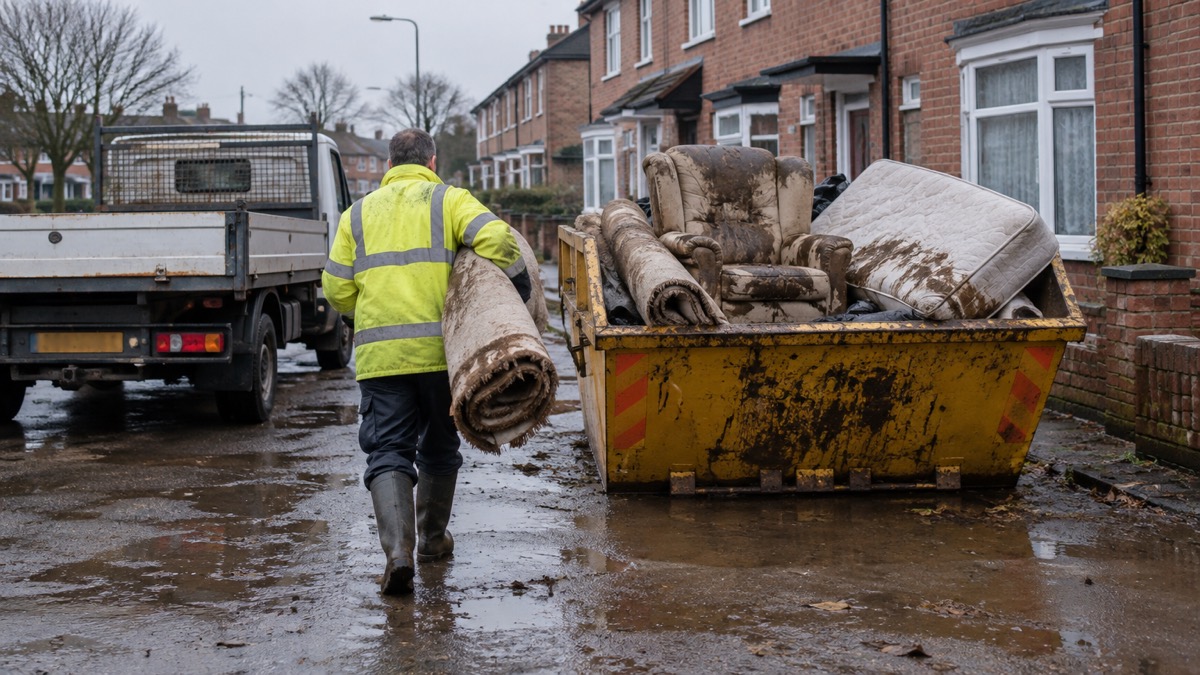
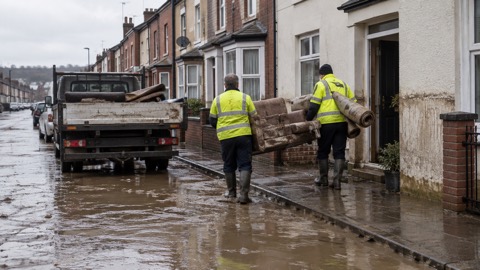
Floodwater turns carpets, sofas, mattresses and soft furnishings into waste, but the order in which you deal with them matters. Contact your insurer as soon as possible, and do not throw damaged items away until your insurers have inspected them1. Make sure you have spoken to your insurers before removing or disposing of anything2. Photograph every item before it leaves the house, because the photographs are your evidence for the claim3.
Once your insurer, broker or loss adjuster has given the go-ahead, disposal is usually a matter for your local council. Contact your local council if you need skips or extra rubbish collections4. Borough and district councils might provide skips and extra rubbish collections after a flood5. Some councils run a bulky waste collection for contaminated or flood-damaged property, and recycling centres will take flood-damaged carpets and furniture6.
If you cannot stay at home while items are cleared, contact your local council for help getting emergency accommodation4. If you own your home, you must arrange temporary accommodation yourself, such as a hotel or staying with friends or family8.
Wait for your insurer before you throw anything away
The single most common mistake after a flood is clearing out too fast. Insurers may need to inspect the damage, and disposing of items early can affect your claim10. The advice is consistent across official guidance: do not dispose of items until asked to do so by your insurer, broker or loss adjuster3. Do not throw away damaged possessions before the loss adjuster has seen them9. Do not discard any property until instructed by your insurer11.
In Northern Ireland the same rule applies: contact your insurance company immediately and ask their advice before starting to clean up if your property or belongings are damaged12. In Scotland, contact your insurer as soon as possible and take photos of any damage to your home13.
There are practical reasons beyond the claim. A loss adjuster may want to see the extent of the damage, the type of material affected and how high the water reached. Once a carpet is in a skip, none of that can be checked. If you are covered for loss of perishable goods, make a list of all the foods you throw away14.
Photograph and record damaged items before removal
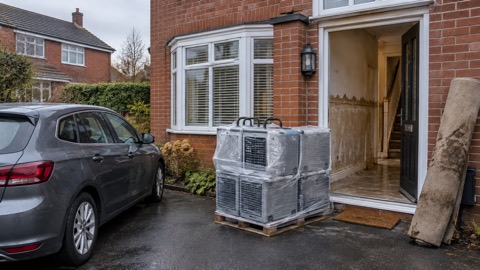
Recording the damage is the step that protects your claim, and it takes less time than people expect. Take photographs or video footage of all damage, mark the water levels on the wall before they recede, and always ensure the insurance company has given approval before going ahead with any repair work15. Take photos of all your property and possessions that have been damaged, keep a record of people you talk to such as insurance companies and builders, and take a meter reading9.
The fire and rescue service gives the same advice: remove any furniture or other belongings that are too damaged to keep, but take photos of them first for your insurance claim16. Record details of damage with photographs and video, which will be useful when making an insurance claim17. Residents should take photos of the damage and keep records where possible9.
A simple record works well:
- Photograph each room before anything is moved, then each item close up.
- Video a slow walk through the house, narrating what is damaged.
- Photograph tide marks on walls showing how high the water reached9.
- Keep a written log of every call, with the date, the name of the person and what was agreed18.
- Take a meter reading9.
Skips and extra rubbish collections from your local council
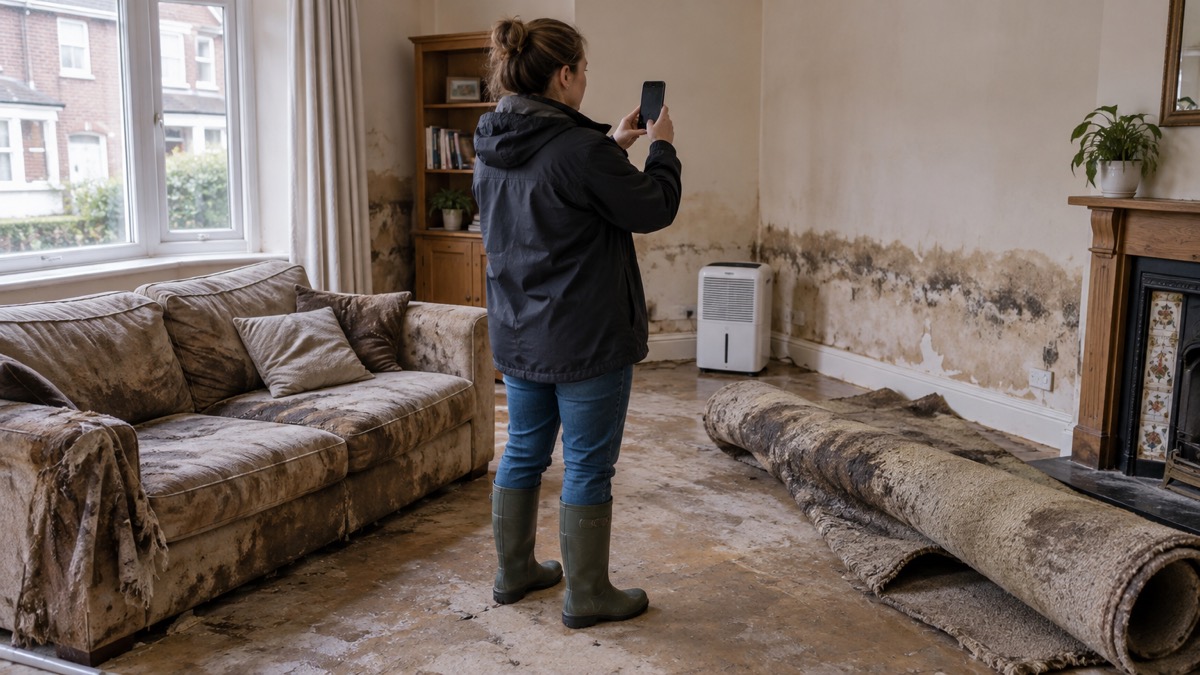
Once your insurer has approved removal, your council is the main route for getting rid of bulky waste. Contact your local council if you need skips or extra rubbish collections4. Borough and district councils might provide skips and extra rubbish collections after a flood5. In Northern Ireland, councils can help with the collection, retention and disposal of damaged household contents, and with arrangements to clean up your home and garden12.
What is available varies by area, so it is worth asking specifically:
| What you need to get rid of | Who to ask | What they may offer |
|---|---|---|
| Carpets, furniture, mattresses | Your local council | Skips, extra rubbish collections, bulky waste service4 |
| Contaminated or flood-damaged property | Your council's bulky waste service | Household Bulky Waste Collection6 |
| Carpets and furniture in Surrey | Any recycling centre in Surrey | Recycling centre drop-off7 |
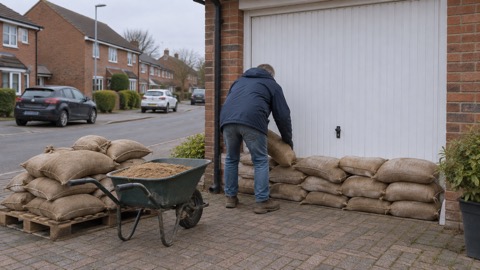
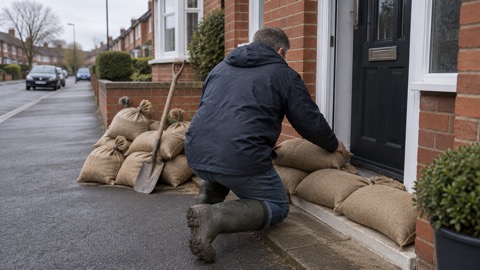
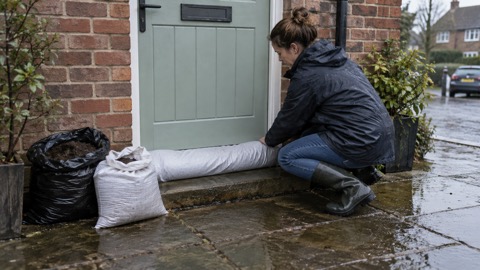
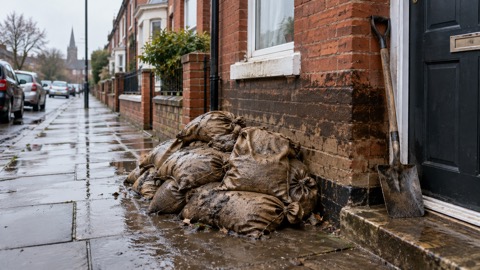
| Used sandbags | Household recycling centre | Drop-off, with staff told if they met flood water3 |
For smaller items, any items discarded during the cleaning and drying process should be placed in rubbish bags and within hard bins20. Soft items that cannot be cleaned should be disposed of7. If you are in Northern Ireland, contact Environmental Health in the local council for information about cleaning up and disposing of waste21.
Reporting blocked drains and gullies during the clear-up
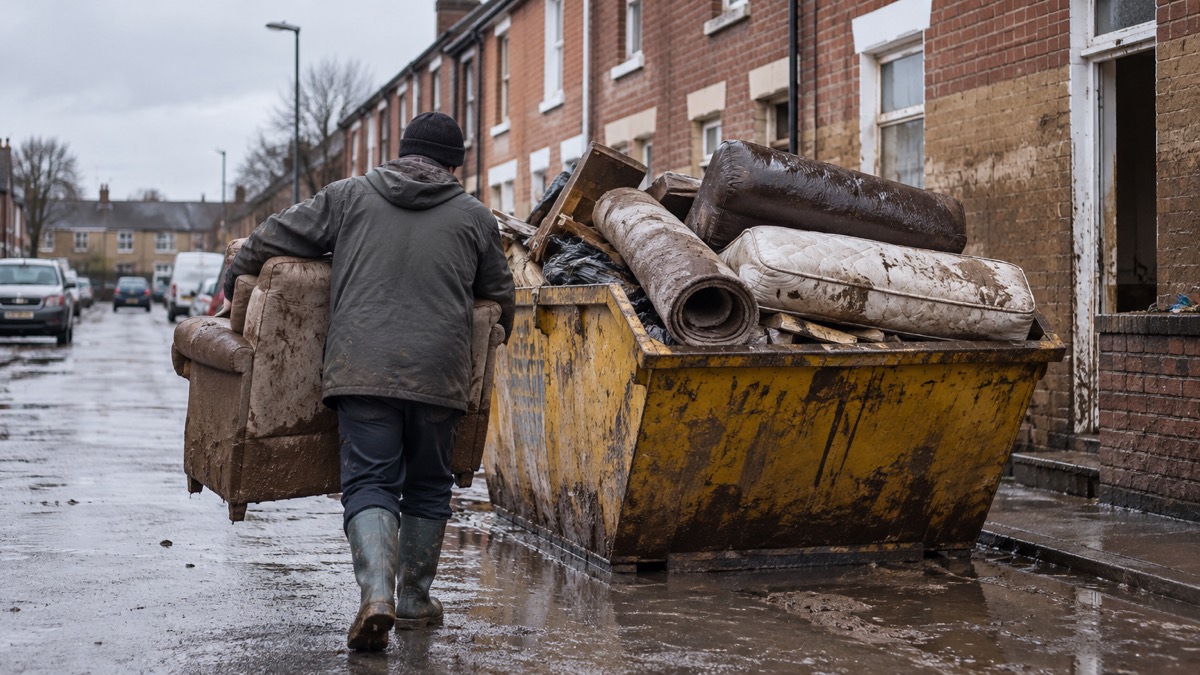
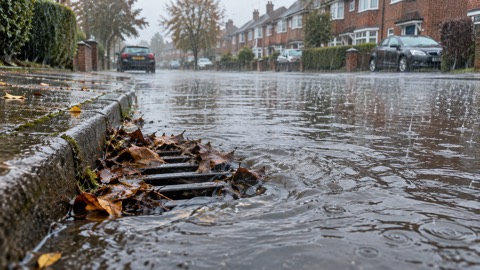
While you are clearing out, report any drainage problems you notice, because a blocked gully can cause surface water to linger or return. You can report flooding on a highway, including blocked drains and gullies on roads, through an online reporting tool such as Fixmystreet22. You can report online an issue with blocked gullies, roadside drainage, or ponding23. Report any gully blockages or highway flooding and log any surface water flooding incidents through your council's reporting form, and report foul sewer blockages and water main flooding to your local water company24.
Responsibility is split, and it helps to know who does what:
- Highway gullies and road drains: your local council22.
- Foul sewers and water mains: your local water company24.
- Private drainage, including gullies on shared access roads in Scotland: the homeowner25.
In Scotland, homeowners are responsible for protecting their property from flooding, securing appropriate home insurance, preparing for potential flood events, and maintaining private drainage systems including gullies on shared access roads25. Knowing how to fit flood protection products correctly could give you more time to move your possessions away from flood water26.
If you cannot stay at home while items are cleared
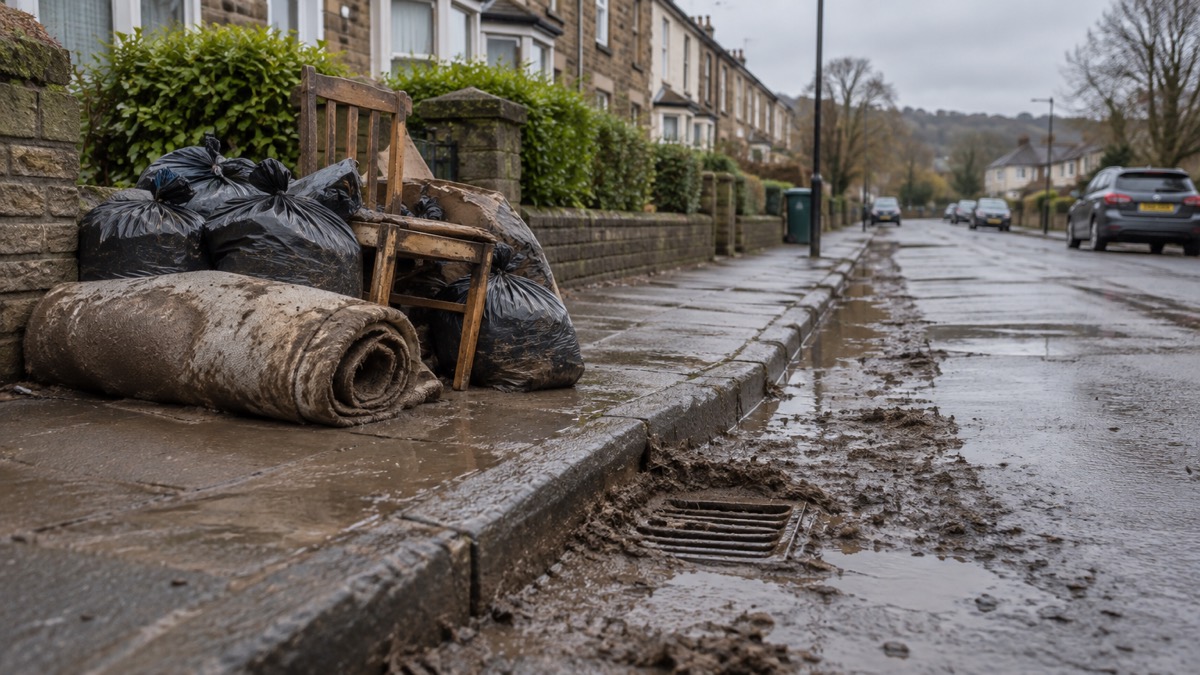
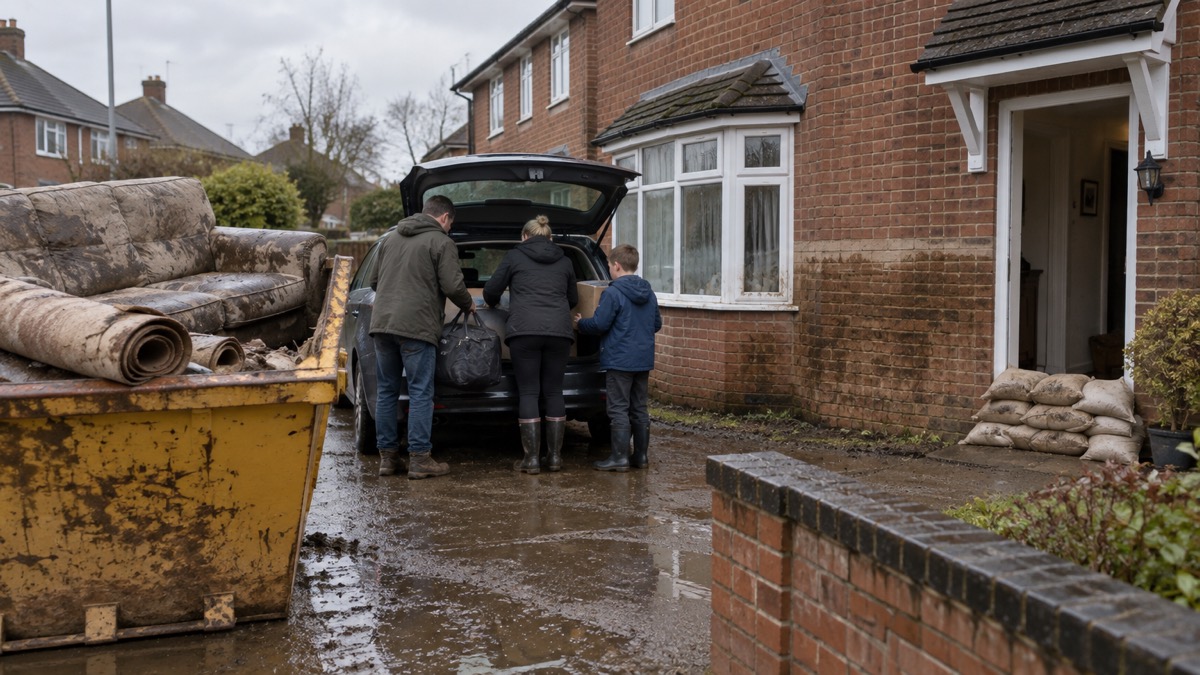
Some homes are not habitable while damaged items are removed and the property dries out. If your home is flood damaged and you are not able to live there, contact your local council for help getting emergency accommodation4. Councils can also help if you are legally homeless or about to become homeless4.
If you own your home and need to move out due to flooding, you must arrange temporary accommodation yourself, such as a hotel or staying with friends or family, and you are responsible for repairing flood damage8. Check your home insurance policy for what it covers before you book anything.
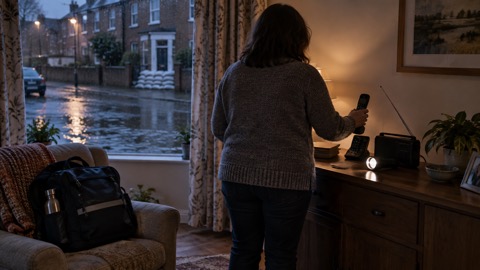
If you have to leave in a hurry, take the essentials with you. Pack clothing, toothbrushes and personal items27, and include things for looking after your baby28. Before you go, move your valuable belongings to safety28, and consider moving possessions and important documents upstairs if possible29.
Sources (29)
- Flooding advice, Mid and West Wales Fire and Rescue Service, 2026
- Flood recovery information for Suffolk, Suffolk County Council, 2026
- Flooding advice, Belfast City Council, 2026
- After a flood, GOV.UK, 2026
- Flooding after a flood (easy read), Nottinghamshire County Council, 2025
- Clearing flood, Oxford City Council, 2026
- Flooding aftercare, Runnymede Borough Council, 2026
- Housing help if your home is flooded, Somerset Council, 2026
- Flood recovery information, Devon County Council, 2026
- Further support after a flood, Nottinghamshire County Council, 2026
- Before, during and after a flood, Scottish Environment Protection Agency, 2026
- What to do if a flood happens, nidirect, 2025
- Flooding, Ready Scotland, 2026
- What to do after a flood, Natural Resources Wales, 2026
- Be informed about hazards: flooding, UK Government Prepare campaign, 2026
- After a flood, London Fire Brigade, 2026
- Be Prepared, Lancaster City Council
- How to Prepare for a Flood and Protect Your Home | Age UK, Age UK
- After a flood, Nottinghamshire County Council, 2026
- Flooding and health: safely cleaning your home, Wiltshire and Swindon Prepared, 2026
- After a flood: clearing up, nidirect, 2026
- Flooding, Oxfordshire County Council, 2026
- Report road drainage fault, nidirect, 2026
- Personal responsibility for flooding, Derbyshire County Council, 2026
- Flooding, Highland Council, 2025
- Flooding guide for communities, Scottish Environment Protection Agency, 2026
- Flood evacuation checklist, Croydon Council, 2025
- Preparing for a flood, nidirect, 2025
- Flood Smart Living, Suffolk County Council, 2024
 Flood Warning Checklist
 First Steps After a Flood
 Insurance Claim Records
 Signing Up for Flood Warnings
 Flood Warnings Without Email
 Who to Report Flooding To
 Reporting a Blocked Gully
 Garden Safety After Sewage
 Council Sandbag Duties
 Filling and Laying Sandbags
 Makeshift Sandbags
 Disposing of Used Sandbags
 Turning Off Utilities
 Walking or Driving in Floodwater
 Turning Electricity Back On