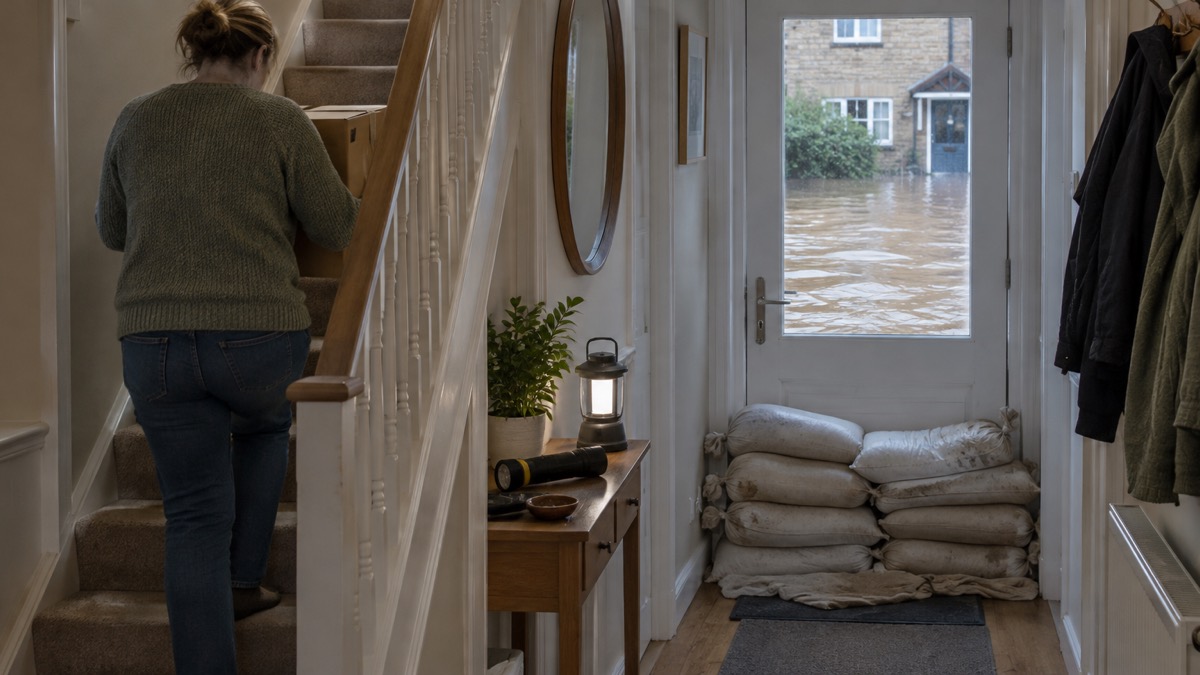
When a flood or another emergency hits your community, the instinct to help is one of the most useful things in it. But there is a line, and it is drawn by the emergency services themselves: volunteers do not enter flood water, do not attempt rescues, and do not take on tasks that put their own life or anyone else's in danger. Flood warden schemes across the UK state this plainly. Llangattock Community Council in Powys lists what flood wardens cannot do, and it includes going into flood water and rescuing people in danger, which is a job for 9991. Cheltenham Borough Council tells its flood wardens the same: they should not rescue residents from flood water, and should leave that to the emergency services2. The reason is not caution for its own sake. Flood water may contain sewage and hide rubbish, wreckage, uneven roads and pavements or broken drain and manhole covers3, and cold water shock can occur in water below 15 degrees Celsius4, affecting anyone of any age or swimming ability5.
Everything a volunteer can safely do sits on the dry side of that line: warning neighbours, moving people and supplies before the water arrives, running rest centres, manning phone trees, checking on people who cannot check on themselves, and passing accurate information to the fire service and council. This page sets out where the line is, why flood water and cold water kill even strong swimmers, exactly what to do if someone does fall in, and how to wash and stay well afterwards. It also covers who should stay well back, and how to become a trained flood warden or organised volunteer so that your help is wanted and used when it matters.
The line not to cross: volunteers stay out of flood water
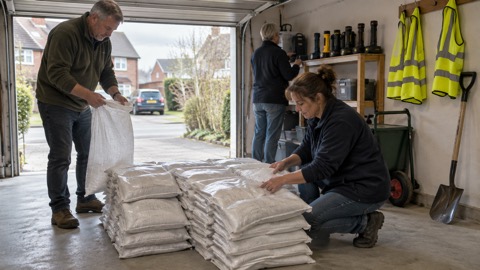
The clearest statement of what a volunteer is for comes from the flood warden schemes themselves. Llangattock's scheme says flood wardens cannot stop flooding, cannot rescue people in danger (you should call 999), cannot clear gullies and streams while they are in full flow because it is dangerous, and cannot go into flood water1. What they can do is everything around the water: help people prepare, contact them when there is a flood risk, keep in touch during a flood, advise where to get sandbags and deliver them if not busy elsewhere, and keep an eye on streams, culverts and drains when they are not running fast or deep1.
Harborough District Council's guidance for flood wardens adds two more rules that apply to any volunteer: do not enter flood water, because of its depth, contamination and hidden hazards, and do not lift heavy objects alone; escalate to the appropriate authority instead8. Belfast City Council tells households the same thing from the other side: try to avoid coming into contact with flood water, because it can be dangerous and may be contaminated9.
| A volunteer can safely do this | A volunteer must not do this |
|---|---|
| Warn neighbours and cascade flood warnings10 | Enter flood water, for any reason1 |
| Deliver sandbags and supplies on dry ground1 | Rescue anyone from the water; call 9992 |
| Keep streams and culverts clear when they are not running fast or deep1 | Clear gullies or streams in full flow1 |
| Check on vulnerable neighbours by phone or safe visits11 | Lift heavy objects alone8 |
| Support a rest centre or community hub | Obstruct or contradict the emergency services7 |
The Scottish Environment Protection Agency adds the discipline that keeps everyone coordinated: do not obstruct the emergency services, and follow their advice and instructions, because they are responsible, along with the local authority, for coordinating relief measures7. Herefordshire Council gives one more rule for anyone near a swollen river: do not walk along riverbanks or across river bridges if it can be avoided, because they may collapse in extreme situations12. If you are helping as part of a community flood plan, these limits should be written into the plan itself so that everyone who turns up knows them before the water rises.
Why flood water is dangerous to wade in
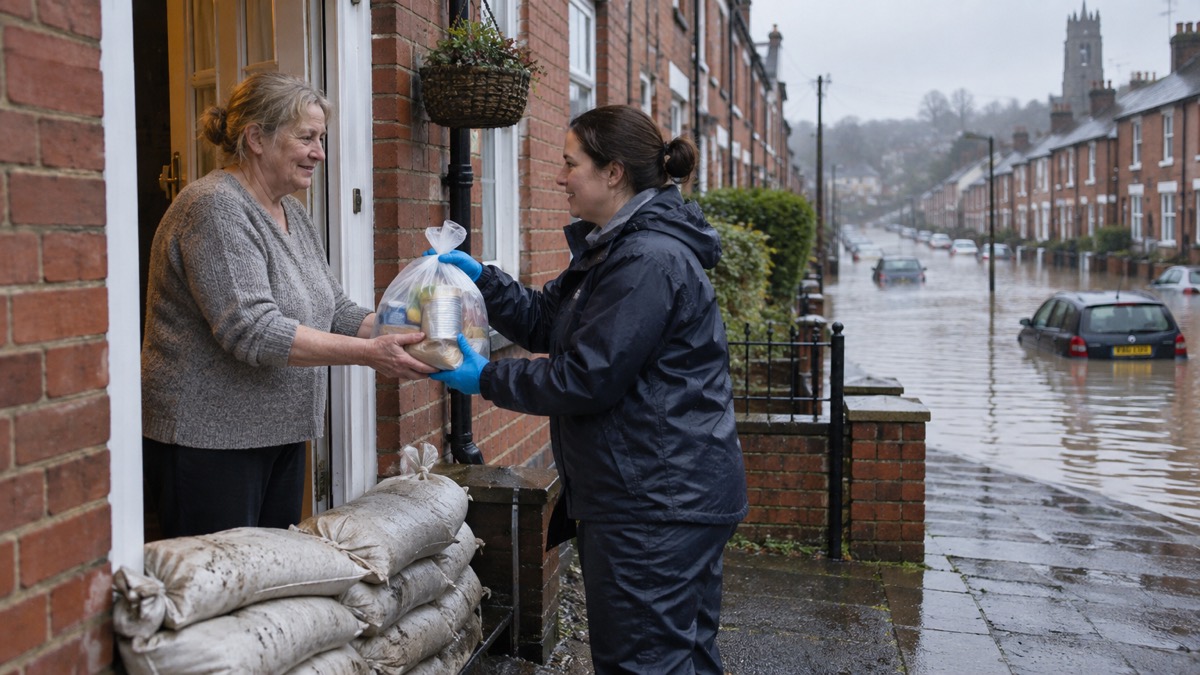
Flood water hides what it contains. Wiltshire and Swindon Prepared describes it plainly: flood water is highly likely to be contaminated, is rarely clear, is often a muddy brown colour, and could be full of raw sewage6. You cannot see the depth, you cannot see what is under the surface, and you cannot see what is dissolved in it. That is why Harborough's flood warden guidance names depth, contamination and hidden hazards as the three reasons volunteers are told not to enter it8.
The contamination matters after the event as well as during it. Anyone who does come into contact with flood water should treat washing and hygiene as part of the job, and the UK Health Security Agency's flood health action card for the voluntary and community sector asks organisations running volunteers during flooding to be aware of the effects of flooding on health and to know what immediate actions to take to keep people safe13. The same card sets out the safe tasks volunteers should be mobilised for: assisting vulnerable individuals with evacuation or staying safe in place, and providing shelter and essential supplies13. Note what that list does not include: nothing in the water.
Two further hazards need naming. If there is a smell of petrol or oil on flood water, do not smoke or use a naked flame anywhere near it9. And if a flooded property still has its gas or electricity connected, both supplies should remain switched off until a qualified professional has checked the systems thoroughly12. Volunteers should never try to restore a supply or move appliances in a flooded building.
Cold water shock: what happens in the first minute
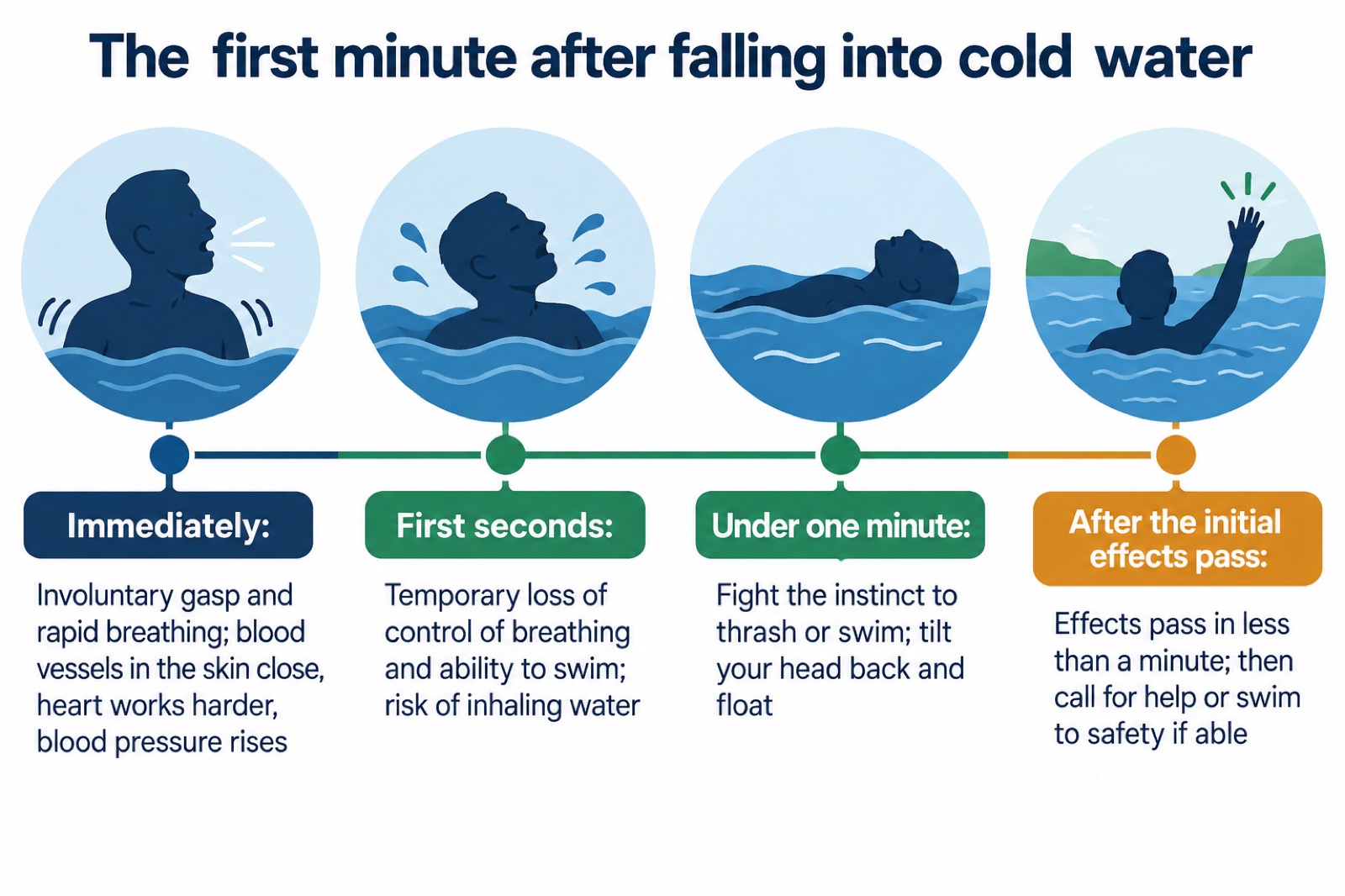
Cold water shock is the reason that even shallow water kills, and it is the reason the "stay out of the water" rule has no exceptions for strong swimmers. The Met Office defines it as an involuntary response to the body being suddenly or unexpectedly immersed in water below 15°C14. Two things happen at once. The blood vessels in the skin close, which increases the resistance to blood flow, so the heart must work harder and blood pressure goes up15. At the same time, the sudden cooling of the skin can make you involuntarily gasp for breath and increase your breathing rate, which can lead to water being inhaled directly into the lungs15.
The critical fact for anyone who falls in, or who watches someone else fall in, is timing: the initial effects of cold water pass in less than a minute5. Devon and Somerset Fire and Rescue Service puts the survival instruction around that fact: take a minute, do not try to swim straight away, relax and float on your back to catch your breath, try to get hold of something that will help you float, and only then call for help or swim for safety if you are able16. Wiltshire and Swindon Prepared describes the same mechanism from the danger side: cold water shock causes you to temporarily lose control of your breathing and your ability to swim, which can lead to drowning17.
Oxfordshire County Council adds a warning that matters for volunteers around flooded quarries, rivers and canals: cold water shock can affect breathing, reduce muscle ability and even lead to a heart attack, so never dive or jump straight into open water19. Mid and West Wales Fire and Rescue Service notes that cold water shock can be a precursor to drowning, and that its effect on the body is often underestimated20.
All UK waters are cold enough, and even strong swimmers get into trouble
There is no season in which this page's rules relax. All waters in and around the UK are cold enough to cause cold water shock; the water may feel warm on the surface but it can be icy cold underneath, even in hot weather, according to London Fire Brigade4. Mid and West Wales Fire and Rescue Service defines the threshold: anything below 15°C is cold water and seriously affects breathing as well as movement20. The average sea temperature in the UK is just 12 degrees Celsius, Devon and Somerset Fire and Rescue Service states16. Lincolnshire's fire and rescue advice is blunt: water in the UK remains cold even on very warm days, and entering it could lead to cold water shock21.
Swimming ability does not protect you. Devon and Somerset Fire and Rescue Service says cold water shock can happen to anyone of any age or any swimming ability16, and North Wales Fire and Rescue Service adds that it can affect your ability to swim even in summer, when the water may look inviting but is still very cold3. NHS inform in Scotland lists the causes of drowning, and they include swimming in strong currents, swimming in cold water, swimming or boating after drinking alcohol, and suddenly entering cold water22. The Welsh Ambulance Services NHS Trust warns against swimming in reservoirs, canals, lakes and rivers to cool down because of hidden dangers such as debris and underwater currents, which could result in injury or drowning23.
One figure from Oxfordshire County Council reframes who is actually at risk: half of all people who drown never intended to enter the water19. That is the volunteer's situation exactly. You are not planning a swim; you are standing on a bank or a flooded street, one slip away from being the casualty. North Yorkshire Fire and Rescue Service lists the hazards that put people in danger very quickly around open water: cold water shock, hidden currents, slippery banks, underwater obstacles and sudden drops24. A flooded street or a swollen culvert has all of these.
Rescue from the bank: reach, throw, don't go
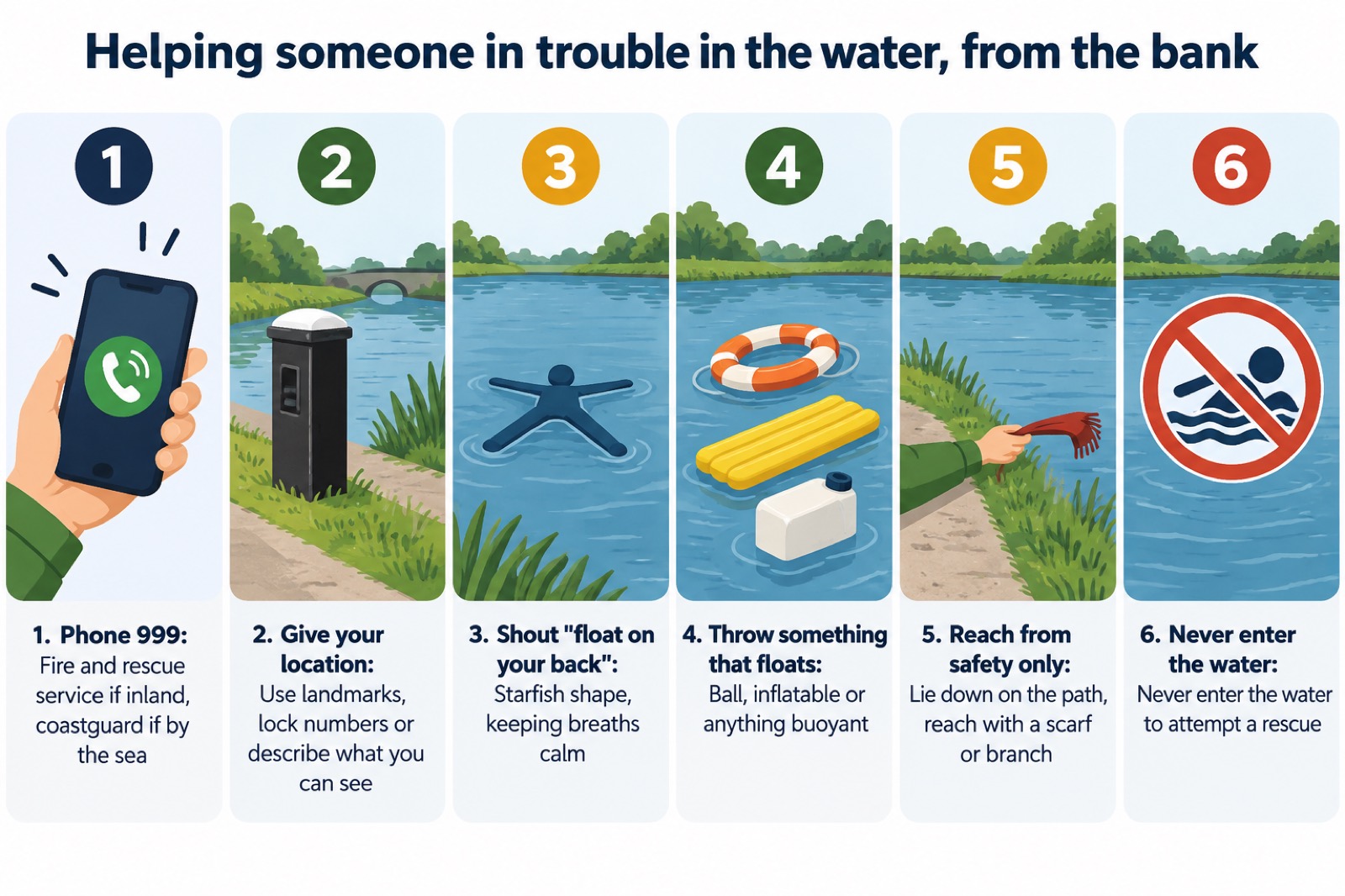
If someone does fall in, the rescue happens from dry land or not at all. The fire services' advice is consistent across the UK, and it comes in three parts: phone, tell them to float, throw.
- Phone 999. Ask for the fire and rescue service if inland, or the coastguard if by the sea16. Give clear information about where you are; Lincolnshire Fire and Rescue advises using landmarks, lock numbers or describing what you can see21.
- Tell them to float. Shout to the person to stay calm and float on their back until help arrives25. North Yorkshire Fire and Rescue Service adds the detail: ask them to float on their back like a starfish, keeping their breaths calm18.
- Throw something that floats. A floating ball, an inflatable, anything buoyant, thrown to the person so they can hold it until the emergency services arrive18.
- Reach only from safety. To help get someone out, Lincolnshire Fire and Rescue advises lying down with your body on the path, spreading your weight, and reaching in with a scarf or a branch21. Never stand at the edge and lean over, and never go in yourself.
North Yorkshire Fire and Rescue Service's campaign sums up the whole approach in one line: do not put yourself at risk, get to a safe place, act quickly, and get help24. Manchester Fire and Rescue Service's water safety campaign gives the public the same sequence: phone 999, tell the person to stay calm and float on their back, and throw rescue equipment to help them float until the emergency services arrive26. The reason the sequence never varies is that a would-be rescuer who enters the water becomes a second casualty, and doubles the job the fire service has to do.
Calling 999: who to ask for
The routing rule is simple and worth memorising before you need it. Dorset and Wiltshire Fire and Rescue Service states it: call 999 and ask for the fire and rescue service if inland, or the coastguard if by the sea16. North Yorkshire Fire and Rescue Service applies it to inland water specifically: if there is a fire, signs of a wildfire, or someone in danger near inland water, call 999 and ask for the Fire and Rescue Service24. Mid and West Wales Fire and Rescue Service gives the same routing, adding the instruction never to enter the water to attempt a rescue20.
For a flooded street or a person in a swollen river, that means the fire and rescue service. For someone cut off by the tide or in the sea, it means the coastguard. Say where you are as precisely as you can: use landmarks, lock numbers or describe what you can see21. If you are unsure which service you need, the 999 operator will route the call; the important thing is to make it quickly and to stay on the line.
If you fall in: float to live
The skill every volunteer should know, and share, is floating. The fire services' campaigns all point to it: if you get into difficulty in the water, float to live25. North Yorkshire Fire and Rescue Service advises that if you are near open water and accidentally fall in, floating increases your chances of survival18:
- Save energy and fight the instinct to thrash around
- Tilt your head back with your ears submerged
- Relax and breathe normally
- Move your hands gently to help you stay afloat
- Spread your arms and legs out
- Once your breathing is under control, call for help or swim to safety if you are able
The reason floating works is the timing set out earlier: the initial effects of cold water pass in less than a minute5, so the whole task in that first minute is to stay at the surface and keep breathing until the gasp reflex passes and your breathing calms. Fight the instinct to swim hard, and float until the cold water shock has passed; only then, with your breathing under control, call for help or swim to safety.
After contact with flood water: washing and staying well
Volunteers who work near flood water, even without entering it, should treat hygiene as part of the task. Flood water is highly likely to be contaminated and could be full of raw sewage6, so wash thoroughly after any contact, wash hands before eating or handling food, and keep cuts covered. The UK Health Security Agency's flood health action card for the voluntary and community sector asks that staff and volunteers in clinical or care settings exercise their judgement, be aware of the effects of flooding on health, and know what immediate actions to take to ensure safety when someone is at risk of flood-related health effects13.
Anyone who has been rescued from water needs medical attention even if they look and feel fine. Mid and West Wales Fire and Rescue Service's instruction is to make sure you get medical care immediately20, and NHS inform notes that signs of drowning can often go unnoticed, even when other people are nearby22. Drowning begins when the nose, mouth and air passages are submerged below the surface of a liquid22, which means a brief immersion is still an immersion. Keep the person warm, still and calm, and hand over to the ambulance crew when it arrives.
Two checks belong in every volunteer's after-the-flood routine. First, if there is any smell of petrol or oil around the water, no naked flames and no smoking9. Second, if you smell gas in a property, open a window if you can, leave immediately, call National Grid on 0800 111 999, and do not smoke or use naked flames until you are sure there is no leaking gas27. Gas and electricity supplies in flooded properties should stay off until a qualified professional has checked them thoroughly12.
Who should stay well back
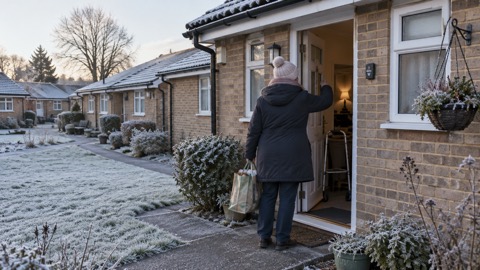
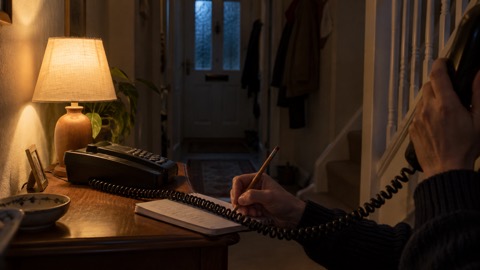
Not every helping role suits every person, and official advice is specific about who should keep clear of the water itself. Pregnant women, small children, the elderly and vulnerable people should stay as far away from flood water as possible, because it is highly likely to be contaminated6. That does not mean those volunteers cannot help. Phone trees, rest centre roles, coordinating offers of help, and checking on vulnerable neighbours by telephone are all water-free tasks, and they are usually the tasks that are shortest of people.
Children can be involved in ways that build their confidence rather than expose them to risk. Ready Scotland advises that letting children help with the emergency plan and household kit can help them remember the information and feel safer11, and Greater Manchester's resilience team advises teaching children how and when to call 999 and what to do in an emergency such as a fire at home27. At the scene of an emergency, keep children well back from the water itself.
If you turn up spontaneously to help, expect to be managed. Northumberland's local resilience forum notes that volunteers from recognised organisations are more likely to be used than ad hoc volunteers, because their background is known to their organisation managers and their skills recognised28. If you present yourself at a rest centre, you may be asked to come back later or do another task, your details and contact information should be taken, and unknown volunteers are always supervised and supported28. None of that is a rebuff: it is how a rest centre protects the people inside it.
Becoming a flood warden or trained volunteer
The best time to put your helping instinct to work is before an emergency. Greater Manchester's resilience team advises joining or supporting a local volunteering or community group before an emergency happens, whether a local charity, a flood action group or a Neighbourhood Watch29, and the national Prepare campaign adds that if you would like to help, you should look out for calls for support from local community groups and your local councils, and that in some emergencies calls for support may come from national government or national voluntary organisations30.
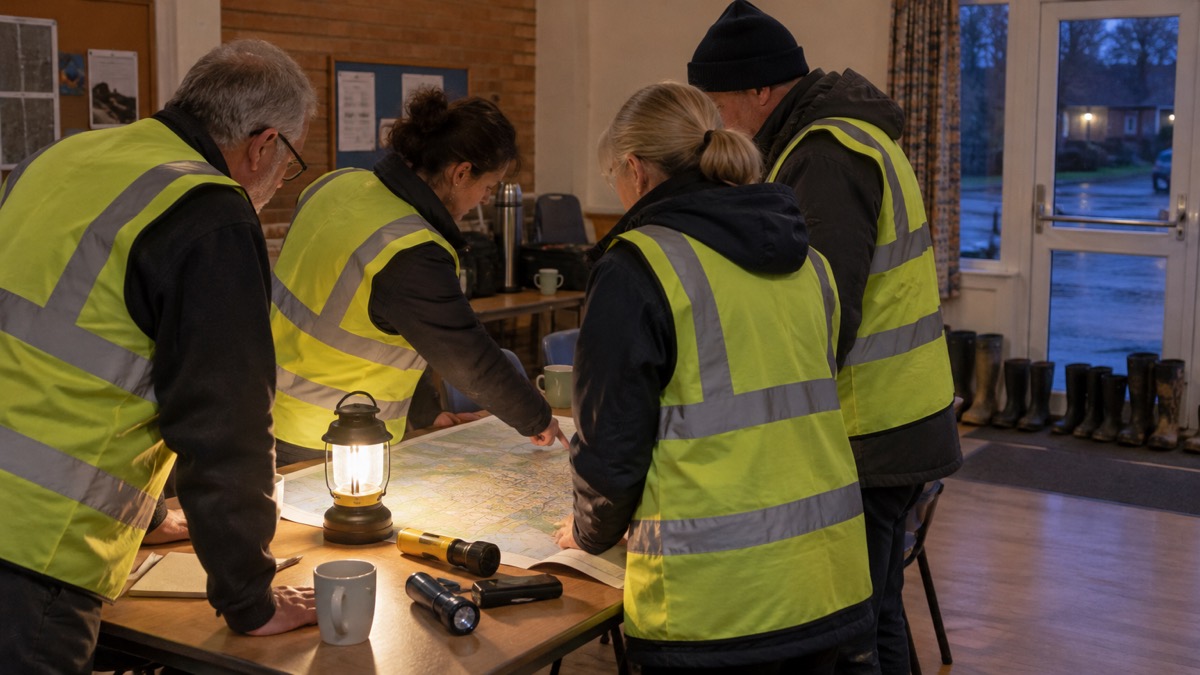
Flood wardens are local volunteers who help their communities prepare for, respond to and recover from flooding8. In Harborough district, volunteers interested in becoming flood wardens can email volunteers@harborough.gov.uk or visit the Leicestershire and Rutland volunteering website8. A community flood plan should record the contacts of local volunteers who can be called on in an incident for specific tasks, such as installing property flood resilience measures or looking after vulnerable people10, and volunteer flood wardens should be signed up for flood warnings so they can cascade them to the community10. Our page on flood wardens covers the role in detail, and there is a checklist for before, during and after a flood to work from.
Formal roles come with training. Warwickshire's fire and emergency support service, run with the fire service, asks volunteers to be caring, to understand the needs of people who are distressed, and to be reasonably fit and healthy; in return, volunteers receive all necessary training for the required tasks, including working with the fire service at the scene of an incident, first aid and assisting people with disabilities31. The equivalent service in Northern Ireland is staffed by British Red Cross volunteers responding to incidents 24 hours a day, every day of the year32. Volunteer community first responders, travelling in their own vehicles, provide essential lifesaving treatment and support in the crucial minutes before an ambulance crew arrives33. These roles are described further on our volunteering and community first responders pages.
Sources (33)
- Adverse weather events and flood wardens, Llangattock Community Council
- Flood wardens, Cheltenham Borough Council
- Water safety, North Wales Fire and Rescue Service
- Survival and rescue: water safety, London Fire Brigade
- Water safety, Devon and Somerset Fire and Rescue Service
- What to do in a flood, Wiltshire and Swindon Prepared
- Before, during and after a flood, Scottish Environment Protection Agency
- Be Flood Ready: guidance for flood wardens, Harborough District Council
- Flooding advice, Belfast City Council
- Community flood plan template, London Borough of Merton
- Emergency plan, Ready Scotland
- Staying safe in a flood, Herefordshire Council
- Flood health action card for the voluntary and community sector, UK Health Security Agency
- Water safety code, Met Office
- Winter water safety, Met Office
- Water safety outdoors, Dorset and Wiltshire Fire and Rescue Service
- Cold water shock, Wiltshire and Swindon Prepared
- Water safety campaign, North Yorkshire Fire and Rescue Service
- Stay safe in summer, Oxfordshire County Council
- Alcohol and the dangers of water, Mid and West Wales Fire and Rescue Service
- Water safety, Lincolnshire Fire and Rescue
- Drowning first aid, NHS inform Scotland
- Summer safety advice: water safety, Welsh Ambulance Services University NHS Trust
- Light nights campaign, North Yorkshire Fire and Rescue Service
- Water safety, Manchester Fire and Rescue Service
- Water safety campaign, Manchester Fire and Rescue Service
- Prepare yourself, Greater Manchester Combined Authority
- Northumbria Local Resilience Forum, Northumberland County Council
- Prepare your community, Greater Manchester Combined Authority
- Be informed about hazards, Prepare Campaign
- Fire emergency support service, Warwickshire County Council
- Fire and emergency support services volunteering, Northern Ireland Fire and Rescue Service
- How we respond to 999, Welsh Ambulance Services University NHS Trust
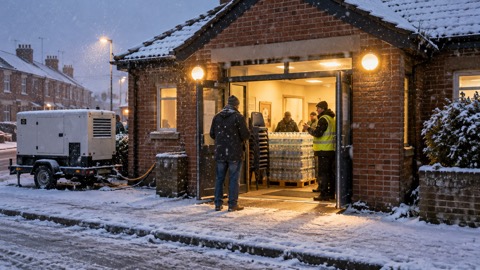 Emergency Hub Kit Checklist
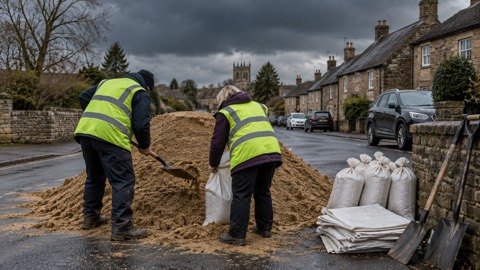 Severe Weather Tasks for Groups
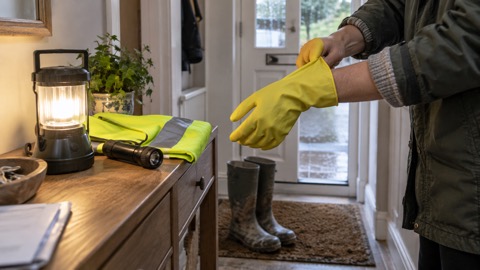 Flood Warden Checklist
 Setting Up an Emergency Group
 Volunteering in Emergencies
 Community Flood Plans
 Flood Wardens
 Starting a Flood Action Group
 Clearing Snow and Ice
 Community Emergency Hubs
 Checking Vulnerable Neighbours
 Neighbourhood Phone Trees
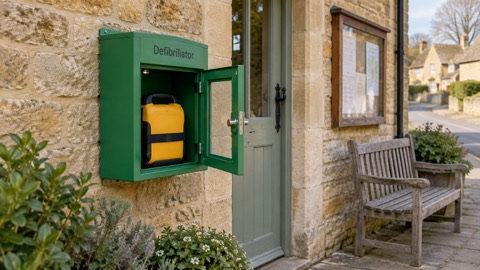 Registering and Looking After a Village Defibrillator on The Circuit
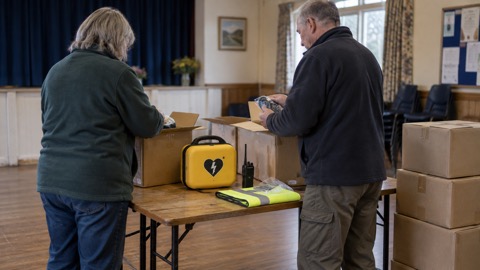 Funding Resilience Groups
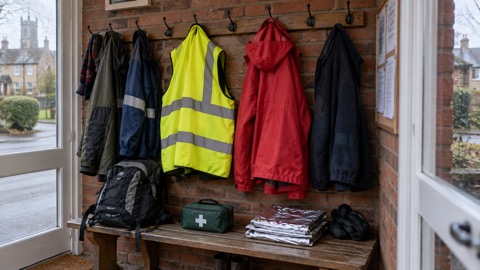 Voluntary Organisations