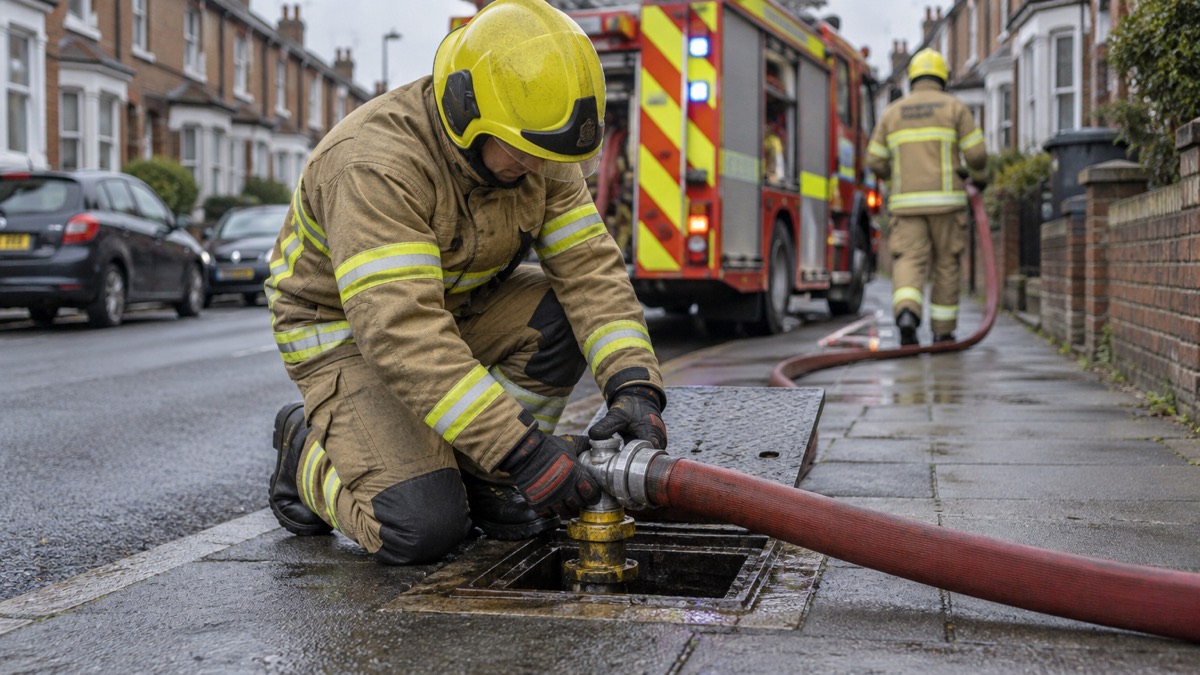
When something goes seriously wrong in your area, a defined set of organisations is legally required to respond. Under the Civil Contingencies Act 2004 they are split into two groups. Category 1 responders are the organisations at the core of the response: the police, fire and rescue services, ambulance services, NHS bodies, local authorities and, in England, the Environment Agency1. Category 2 responders are the co-operating bodies that support them: utility companies, transport operators and other agencies whose services matter in a crisis2.
The distinction matters to your household for two reasons. First, it tells you who is legally obliged to plan for emergencies in your area and to warn and inform you about them. Second, it tells you who is not: Category 2 responders such as your electricity distributor have only a duty to co-operate and share information, so the response you experience is co-ordinated by Category 1 bodies, chiefly your council and the emergency services3.
Category 1 responders: the emergency services, councils and NHS
Category 1 responders are the public sector organisations providing vital services in an emergency8. In England and Wales the list comprises the police, fire and rescue services, ambulance services, NHS bodies, local authorities and the Environment Agency1. These organisations are at the core of the response to most emergencies, and they are subject to the full set of civil protection duties9.
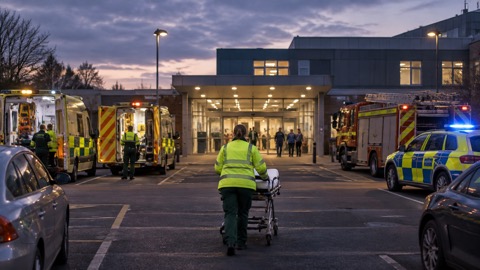
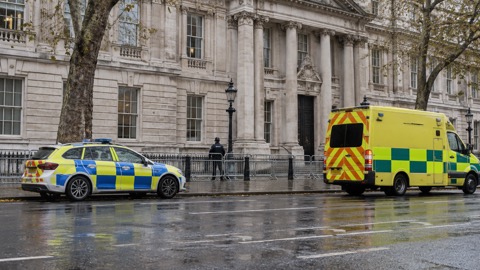
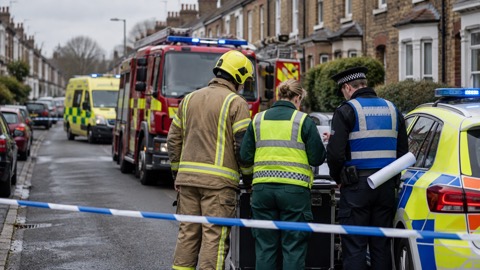
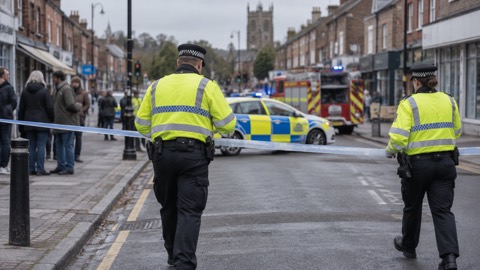
In practice, a major incident will usually bring several of them to the scene at once. Police, fire and ambulance services may all respond, and other organisations may also help, including councils, NHS services and utility companies10. Your local authority is a Category 1 responder in its own right: in an emergency, local authorities are deemed a category-one responder, which is the same ranking as the emergency services11.
The named bodies differ slightly across the four nations because each has its own services. In Scotland, Category 1 responders include local authorities, Police Scotland, British Transport Police, the Scottish Fire and Rescue Service, the Scottish Ambulance Service, Health Boards, the Scottish Environment Protection Agency (SEPA), the Maritime and Coastguard Agency and Integration Joint Boards8. In Wales, Public Health Wales is a Category 1 responder under the Civil Contingencies Act 2004, providing a pan-Wales capability during a flooding incident or extreme weather event12.
| Nation | Examples of Category 1 responders |
|---|---|
| England | Police, fire and rescue, ambulance, NHS bodies, local authorities, the Environment Agency1 |
| Scotland | Local authorities, Police Scotland, British Transport Police, Scottish Fire and Rescue Service, Scottish Ambulance Service, Health Boards, SEPA, Maritime and Coastguard Agency, Integration Joint Boards8 |
| Wales | Police, fire and rescue, ambulance, NHS bodies, local authorities; Public Health Wales is a Category 1 responder for flooding and extreme weather12 |
Local authorities are designated Category 1 responders as set out in the Civil Contingencies Act 2004 wherever you live in Great Britain13. The Act requires them to prepare contingency plans and develop response arrangements for a wide range of emergencies13.
The six duties every Category 1 responder must carry out
Category 1 responders are subject to six duties4. They are set out in the Act and its regulations, and they shape everything from the risk register your local resilience forum publishes to the alerts you receive on your phone.
- Assess risk and contribute to the community risk register. Category 1 responders are under a duty under Section 2 of the Act to assess the risk of emergencies occurring and use this to inform contingency planning14.
- Plan for emergencies, including training and exercising. They must maintain plans for dealing with the emergencies they have assessed15.
- Maintain business continuity arrangements. Each must ensure robust arrangements are in place to keep delivering its own services during an emergency4.
- Warn and inform the public. Arrangements must be in place to warn and inform the public both before and during emergencies4. The Act places a duty on Category 1 responders to supply information to the public before, during and after an emergency15.
- Co-operate with partner agencies. The 2005 Regulations require Category 1 responders in England and Wales to co-operate to assess, plan and advise in relation to emergencies3.
- Share information with partner agencies. This underpins the joint planning that happens in local resilience forums1.
Local authorities carry one additional statutory duty on top of the six: to promote business continuity to local businesses and the voluntary sector4. In Wales, Category 1 responders also have a statutory duty to publish their emergency plans, to the extent necessary or desirable for the purpose of dealing with an emergency12.
A council setting out its Category 1 duties describes them plainly: risk assessments, business continuity management, emergency planning, maintaining public awareness and arrangements to warn, inform and advise the public, providing advice and assistance to the commercial sector and voluntary organisations, and co-operation and information sharing16. That list is a fair summary of what every Category 1 responder must do, and it is why your council, not your electricity company, is the body legally obliged to tell you what is happening.
Category 2 responders: utilities, transport and other co-operating bodies
Category 2 responders can be described as co-operating bodies. They can be either public or private sector bodies regulated by additional legislation related to preparing for an emergency8. In England, the typical list is utility companies covering water, gas and electricity, telecommunications providers, transport operators including airports, railways and highways, and the Health and Safety Executive2.
In Scotland the named Category 2 responders are electricity operators, gas suppliers, Scottish Water, communications providers, railway operators, Public Health Scotland, airport operators, harbour authorities, NHS National Services Scotland, the Health and Safety Executive and the Met Office8. Argyll and Bute Council groups them as utilities (Scottish Water, gas and electricity distributors and telecommunications companies), transport (airport operators, railway operators, Network Rail, roads companies, Transport Scotland), harbour authorities, the Health and Safety Executive and NHS National Services Scotland4.
| Sector | Examples of Category 2 responders |
|---|---|
| Utilities | Water companies, Scottish Water, gas suppliers, electricity distributors, telecommunications companies2 |
| Transport | Airport operators, railway operators, Network Rail, roads companies, Transport Scotland, National Highways4 |
| Health and safety | The Health and Safety Executive2 |
| Other | Harbour authorities, NHS National Services Scotland, Public Health Scotland, the Met Office (Scotland)8 |
The key point for a household is that these organisations are part of the planning system but not at the core of the response. A Cheshire resilience forum describes the split in exactly those terms: Category 1 responders are the core emergency services such as the fire and rescue service, police, local authorities and NHS organisations, while Category 2 organisations include the Health and Safety Executive, transport providers and utility companies18. When your power goes off in a storm, your electricity distributor is working to restore it, but the co-ordinated local response, including warning the public, sits with the Category 1 responders.
What Category 2 responders must do: co-operate and share information
Category 2 responders have a lesser set of duties: co-operating and sharing relevant information with other responders9. Put more formally, they have statutory duties to co-operate and to share information with Category 1 responders in the planning and response to major emergencies8.
This is not a token obligation. Local resilience forums are supported by Category 2 responders, such as the Highways Agency and public utility companies, who have a responsibility to co-operate with Category 1 organisations and share relevant information with the LRF19. Surrey's Local Resilience Forum is supported by Category Two responders such as National Highways and utility companies, with Category Two sectors covering government agencies, transport companies, utility companies for electricity, gas, water and telephone, and other health partners17.
Because responders end up holding personal information about people affected by an emergency, Category 1 and 2 responders are strongly encouraged to have pre-agreed Data Sharing Agreements between the responding agencies of the LRF3. They also use ResilienceDirect, a secure web service for Category 1 and 2 emergency planners and responders to host and share information3.
One example shows how the two categories work together in practice. Scottish Water is a Category 2 responder under the Civil Contingencies Act 2004 and will support regional and local resilience partnerships as required20. So if a water main fails during a flood, the water company repairs the supply, but the council and other Category 1 responders co-ordinate the wider response and the public information around it.
Your local authority's role before, during and after an emergency
Of all the Category 1 responders, your local authority is the one you are most likely to deal with directly, and the one whose work spans the whole timeline of an emergency. Local authorities have a key role to play in planning for an emergency, responding to an emergency and supporting the local community through the recovery that follows4.
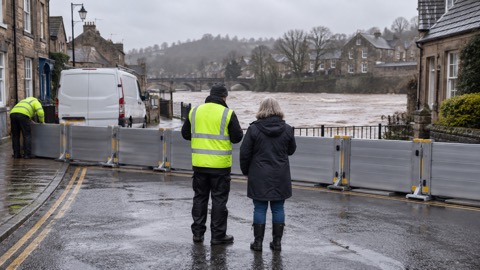
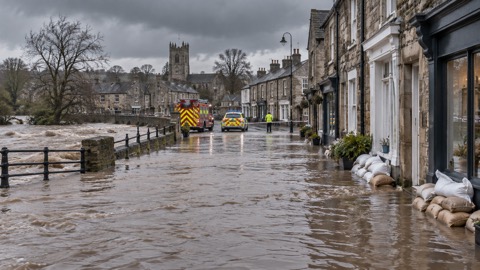
During the response itself, local authorities are likely to be called upon to support the emergency services in various ways, and they continue that support into the recovery phase15. During severe flooding, for example, local authorities work with the emergency services and co-ordinate shelter for people evacuated from their homes21. The emergency services provide emergency relief when flooding occurs and can co-ordinate evacuations21.
Local authorities also have specific housing duties. The 1989 Local Government Housing Act and the 1996 Housing Act place statutory duties on local authorities to provide temporary accommodation for residents rendered homeless because of an emergency22. Where a large number of people are affected by an evacuation, this would usually lead to a rest centre being set up, depending on the ability of evacuees to self-evacuate22.
They lead the local planning system too. It is the duty of local authorities to take a lead role in local resilience forums and to prepare for severe drought impacts within their emergency plans23. In Scotland, local authorities are responsible for producing Scotland's first Local Flood Risk Management Plans, in partnership with SEPA, Scottish Water and other responsible authorities21.
Some of a council's responder work touches households very directly. The local authority is the regulator for private water supplies in England and Wales, with functions prescribed in sections 77 to 85 of the Water Industry Act 199124. Where a private supply causes a danger to life or health, the local authority may require the local water company to provide a wholesome water supply to the premises for a specified length of time, if it is practicable at reasonable cost to provide it by means other than pipes25. In a drought that poses a danger to life or human health, the local authority has power to require the water company to supply water by means other than in pipes for a specified period, with costs recoverable from the relevant persons24.
Emergency plans and community risk registers you can read
The duties described above produce documents you can actually read, and they are the best way to find out what your own area is preparing for.
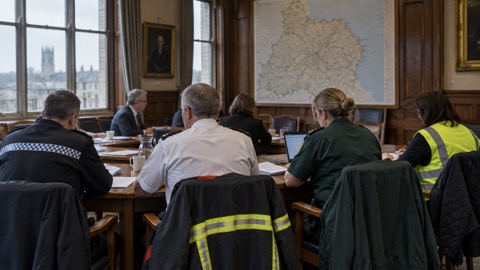
Each local resilience forum publishes a community risk register which sets out the different risks most likely to cause disruption in their area26. A Local Resilience Forum is a multi-agency partnership that brings together Category 1 and Category 2 responders under the Civil Contingencies Act 2004 to co-ordinate planning, preparation and response for emergencies and major incidents within a specific geographical area1. It is worth knowing that an LRF is not a legal entity: the duties fall on the Category 1 and 2 responders individually26. In Scotland the equivalent bodies are regional and local resilience partnerships, and the same Act underpins them: emergency plans are prepared and maintained under the Civil Contingencies Act 2004 by Category 1 and 2 responders and co-ordinated through these partnerships20.
Beyond the official plans, communities can prepare their own. A Community Emergency Response Plan helps identify what risks your community may face, what you can do to manage the risks, who has useful skills and training, what equipment is available, how to support vulnerable people safely and how to look after and utilise volunteers7. The government's Community Resilience Development Framework sets out six steps for Local Resilience Forums and emergency responders to develop community resilience14.
If you want to understand how risks are assessed in the first place, the community risk register your LRF publishes is the local version of the national picture described in the National Risk Register, and the scoring behind it is explained on how emergency risks are scored. To find the forum for your area, see local resilience forums.
Who to contact in an emergency: 999 or 112
If people are injured or there is a threat to life, call 999 or 1126. The phone numbers 999 and 112 are the national emergency response services in the UK27. If you are involved in an emergency or witness to it, dial 999 and alert the police, fire, ambulance or coastguard services19.
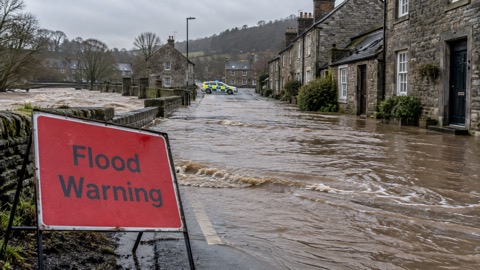
The Northern Ireland direct government services guidance is clear about when to use them: only use 999 in a real emergency, meaning when there is a danger to life, someone is using or there is an immediate threat of serious violence, serious injury has been caused to someone or their property, or in cases like road traffic collisions where life is at risk, the road is blocked, or a crime such as a house burglary or robbery is being committed27. If you are concerned about your safety or the safety of others during flooding, you should call the emergency services on 999 and act immediately21.
For everything that is not an emergency, your local authority is the Category 1 responder to contact. Councils are likely to be called upon to support the emergency services in various ways during the response to an emergency and in the recovery phase14.
Help is prioritised for those in greatest need, so plan for yourself
The most important practical point on this page is this: your local emergency services will always have to prioritise people in greatest need during an emergency, especially where life is in danger, so individuals and communities may need to rely on their own resources to cope7. Responders are advised to consider how they will prioritise support to vulnerable persons, but prioritisation will be dependent on the nature of the emergency and the number of persons considered vulnerable3.
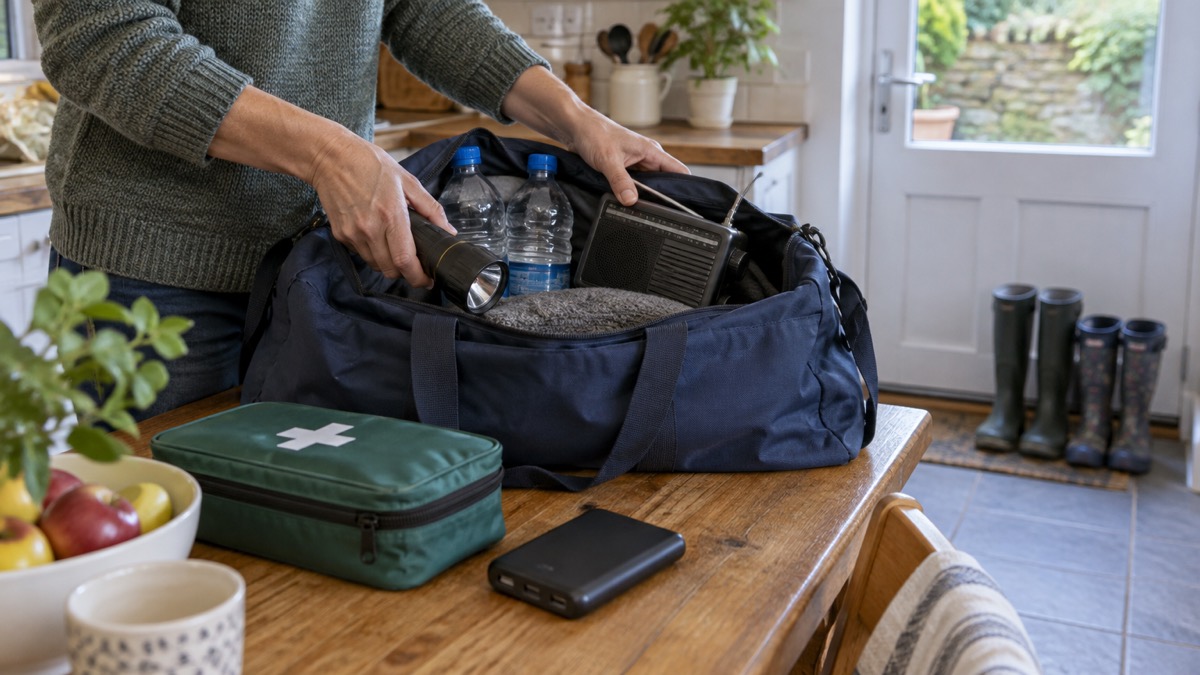
The planning assumptions for evacuation and emergency sheltering show what that means in practice. Around 60 per cent of impacted people leave the area and stay with relatives or friends, and holiday-makers return home. A further 30 per cent use available hotels in safe areas, which may mean tourists vacating rooms for local residents. Around 10 per cent need assisted sheltering15. In other words, the large majority of people are expected to look after their own accommodation in the first instance, which is why arranging somewhere to go with family or friends in advance is worth doing.
That is the reasoning behind household preparedness more generally. Keeping food, water, lighting and a way to stay informed at home covers the gap before the response reaches you. The emergency kit, water and food guides set out what to hold ready, and staying informed covers how warnings reach you, which is the other half of the Category 1 duty to warn and inform.
If you have a disability or extra needs
Responders plan for vulnerable people, but you should not assume that help will arrive without you asking. Guidance for emergency planners in England says responders should consider how they will prioritise support to vulnerable persons, and that the answer depends on the emergency and the numbers involved3. Households with extra needs can read more about the support available, including priority services from utilities, in extra help in an emergency.
Private water supplies
If your home is on a private water supply rather than the mains, the arrangements differ. In Scotland there are two types of private water supply: larger supplies, or those with a commercial activity, are defined as Regulated supplies, while smaller supplies that only serve domestic properties are Exempt supplies, and the legislation relating to each is different28. In England and Wales, the local authority is the regulator, and its enforcement powers apply when a supply presents a potential danger to human health, but the regulations do not give it powers to require that you have a sufficient supply24. Where a supply causes a danger to life or health, the local authority may require the water company to provide a wholesome supply by other means for a specified period25.
Nuclear site emergency plans
GB law places a legal duty on the relevant local authority to produce plans to deal with off-site emergencies at nuclear sites29. Should a radiation emergency be declared, the local authority will activate its off-site emergency plan to protect the public within a pre-determined area known as the Detailed Emergency Planning Zone29. These plans sit within the same framework as everything else on this page: they are prepared and maintained under the Civil Contingencies Act 2004 by Category 1 and 2 responders and co-ordinated through resilience partnerships20. If you live near such a site, your local authority's emergency planning pages will say what the plan means for your area.
How Scotland's arrangements differ
Scotland uses the same two categories under the same Act, but the named bodies and some of the structures differ. The groups and organisations involved in emergencies in Scotland are defined in the CCA 20048. Category 1 responders there include Police Scotland, the Scottish Fire and Rescue Service, the Scottish Ambulance Service, Health Boards, SEPA and Integration Joint Boards, while Category 2 responders include Scottish Water, electricity and gas operators, communications providers, railway and airport operators, harbour authorities, NHS National Services Scotland, Public Health Scotland, the Health and Safety Executive and the Met Office8.
Two structural differences are worth knowing. First, instead of local resilience forums on the England and Wales model, planning in Scotland is co-ordinated through regional and local resilience partnerships20. Second, the Scottish Government publishes its own guidance series, Preparing Scotland, which sets out resilience principles, responder roles, legislation and best practice for responding to emergencies in Scotland30.
The practical effect for a household is small but real. In Scotland, Category 1 and 2 responders such as the emergency services are kept informed through the Flood Guidance Statement, so the flow of warning information runs through the same responder categories, just with Scottish bodies in the roles31. Local authorities in Scotland hold the same Category 1 status: Scottish Borders Council, for example, notes that local authorities are designated Category 1 responders as set out in the Civil Contingencies Act 200413.
Where to learn more
The framework described here is set out in full in the Civil Contingencies Act 2004, and the duty to warn and inform the public is covered in warning and informing. If you want to know what happens when several responders work together at a major incident, see what it means when a major incident is declared and Gold, Silver and Bronze command. For the practical side of looking after your own household, start with getting started and what your council does.
Sources (31)
- What is a Local Resilience Forum, Essex Prepared
- Our Risks and Plans, Greater Manchester Combined Authority
- Identifying and Supporting Persons Who Are Vulnerable in an Emergency, HM Government, 2025-04-28
- Civil Contingencies, Argyll and Bute Council
- The Civil Contingencies Act 2004, House of Commons Library, 2026-09-04
- Emergency Planning, Belfast City Council
- Community Involvement, Dorset Prepared, 2026-03-25
- Lesson 3: Who Responds in Scotland, Ready Scotland, 2026-03
- Northumbria Local Resilience Forum, Northumberland County Council, 2026-10-28
- Major Incidents, West Midlands Ambulance Service, 2026-10-22
- What Happens in an Emergency, Shropshire Council, 2026-10-29
- Wales Flood Response Framework, Welsh Government, 2016-12
- Emergency Planning, Scottish Borders Council, 2026-10-29
- Community Resilience Development Framework, HM Government, 2019-06
- National Recovery Guidance: Humanitarian Aspects, HM Government, 2013-02-20
- How We Plan for Emergencies, Cumberland Council, 2026
- Surrey's Local Resilience Forum, Surrey County Council, 2026-10-28
- Be Ready for Emergencies, Cheshire Fire and Rescue Service, 2026-10-14
- Protecting Your Family, Essex Prepared, 2026-10-29
- Flood Risk Management Plan for North East Scotland, SEPA, 2021-07
- Developing Our Knowledge on Flooding, SEPA, 2026-10-29
- Emergency Plan, Reigate and Banstead Borough Council, 2026-10-29
- Drought: How It Is Managed in England, HM Government, 2026-04-08
- Managing Insufficiency of Private Water Supplies, Drinking Water Inspectorate, 2025-12-15
- Private Water Supplies: Alternative Supplies Guidance, Drinking Water Inspectorate, 2017-11
- Early Warning and Weather Forecasts, HM Government, 2024-12-19
- Emergency Situations and Keeping Safe, nidirect, 2025-01-08
- Private Water Supplies, Drinking Water Quality Regulator for Scotland, 2026-10-28
- Local Emergency Arrangements at Nuclear Sites, Office for Nuclear Regulation, 2026-10-29
- Responding to Emergencies: Preparing Scotland, Ready Scotland, 2017-10-02
- Responsibilities for Flooding, SEPA, 2026-10-29
 30-Day Household Checklist
 Emergency Plan Template
 Supply Interruption Checklist
 National Risk Register
 How Emergency Risks Are Scored
 Civil Contingencies Act 2004
 What Counts as an Emergency
 Local Resilience Forums
 Strengthening Local Resilience
 What Your Council Does
 Central Government Response
 Gold, Silver and Bronze Command
 Major Incident Declared
 Emergency Powers
 Warning and Informing the Public