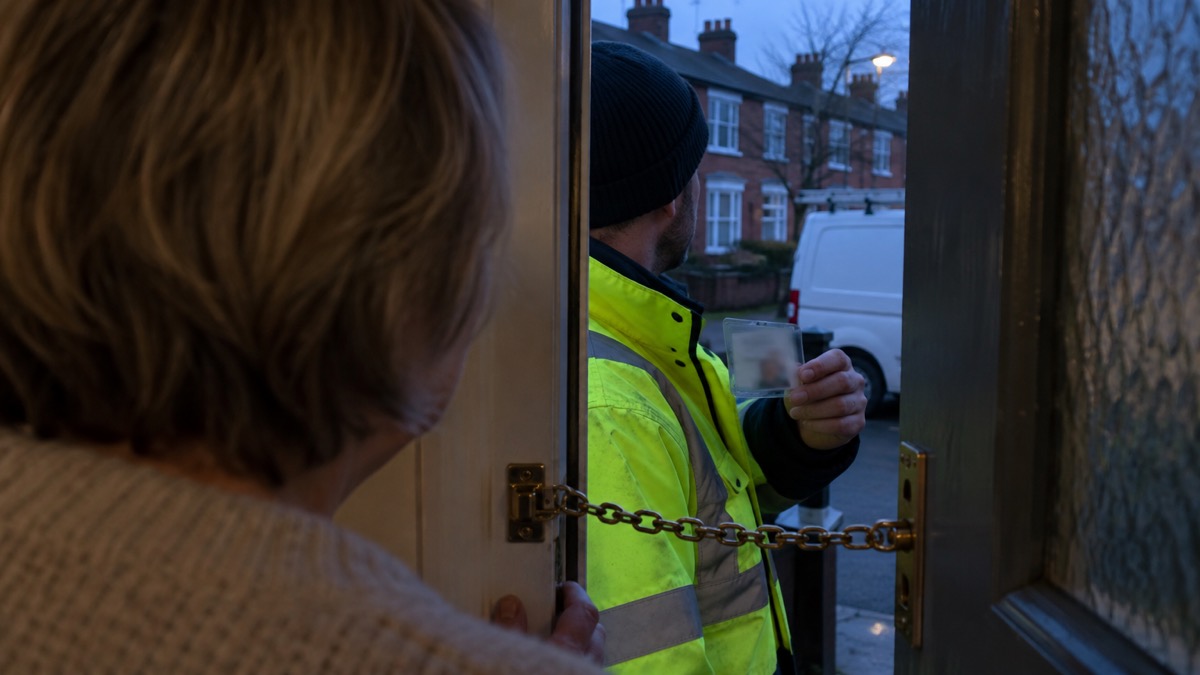
If someone knocks during a power cut and says they are from the electricity network, do not open the door until you have checked. Ask to see their identity card through the window or letterbox, and if you are unsure, write down their name and check it by ringing your network operator1. Genuine callers, such as meter readers, will be happy to wait while you check their identity2.
The same applies to the phone. Criminals may pretend to be a network operator and contact you by phone, email, WhatsApp or text message to trick you into sharing personal details or money3. If a call feels wrong, hang up and ring the operator back on a number you have looked up yourself3.
Knowing who you are actually dealing with helps. The company that keeps the wires and cables working is your electricity network operator, not the supplier whose name is on your bill, and the two do different jobs4. A network operator cannot help with bills, and your supplier cannot fix a power cut5. Once you know which is which, a caller's story is much easier to test.
Ask for ID and check it before you open the door
The first rule is simple: no identification, no entry. Network operators say their staff and contractors carry identification, and you should ask to see it if you are unsure about people visiting6. SP Energy Networks, which runs the network in central and southern Scotland and parts of England and Wales, says its visitors will show you an ID card with their photo and name, and you can ask to see it through the window or letterbox1.
Genuine callers expect this. NIE Networks, which runs the network in Northern Ireland, puts it plainly: genuine callers, like its meter readers, will be happy to wait while you check their identity2. If you have any doubt, you can ask to see their identity card and check it by dialling 101 for the QuickCheck service2. In Northern Ireland the equivalent is the PSNI Quick Check service on 101: ask the caller to wait outside, close the door, then ring to confirm they work at NIE Networks3.
Other trades follow the same pattern. If someone claims to be an electrician, contact the operator of the registration scheme they say they belong to, and it will tell you whether they are actually registered10. If you have concerns about the identity of someone visiting you in connection with a home fire safety visit, the fire and rescue service asks you to ring 0800 05 02 99911.
A few practical habits make this easier:
- Keep the door on the chain while you look at the card.
- Note the name and company before you ring to check.
- If the caller becomes pushy, close the door and ring 105.
Call 105 to confirm the visit is genuine
The 105 number is the single most useful thing to remember. It is free, it puts you through to your local electricity network operator, and it exists so that people have an easy-to-remember number to call4. It is not your supplier: many people do not realise they should contact their local network operator if they have a power cut, rather than the company they pay4.
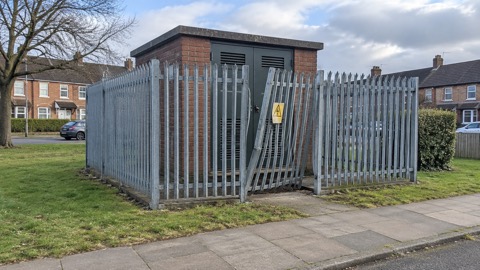
For a doorstep check, the advice is direct: if someone calls at your door, always check their identification badge, and you can call 105 for free to confirm they are who they say they are7. The same number takes reports of damage to power lines and substations that could put you or someone else in danger12.
| Situation | Who to ring | Why |
|---|---|---|
| Caller at the door claims to be from the network | 105 (free) | Confirms whether they are genuine7 |
| Suspicious phone call claiming to be the network | The operator's own number, looked up yourself | Lets you check without trusting the caller3 |
| Power cut to report | 105 (free) | Puts you through to your network operator4 |
| Damaged line or substation | 105 immediately | Damage can endanger you and others12 |
| Caller in Northern Ireland | PSNI Quick Check on 101 | Confirms NIE Networks staff3 |
If you are in Northern Ireland, NIE Networks also publishes its own number, 03457 643 643, for reporting anything that looks dangerous13. SP Energy Networks customers can write down a visitor's name and check it by ringing 0330 10 10 4441.
What a network operator will never ask you for
The clearest way to spot a bogus caller is to know what the real ones do not do. A network operator runs and maintains the energy network; it is different from your energy supplier and cannot help with bills5. National Grid Electricity Transmission makes the same point about itself: it is a network operator, not an energy supplier, so it does not deal directly with customer bills15.
That gives you a simple test. Anyone at your door or on the phone who wants to discuss your bill, your tariff, a refund or a payment is not behaving like a network operator. If they claim to be from the network and then ask for money or bank details, the story does not fit.
The same logic applies to your phone line. Your home phone provider will never ask you to pay to switch to a digital phone line9. If a caller says you must pay to keep your landline working, that is not how the switch is handled.
If you are ever unsure whether an alert or message is genuine, check it through an official route rather than the link you were sent. Emergency Alerts can be checked at gov.uk/alerts, and if in doubt you can contact neighbours, friends or family in the nearby area to see whether they received the same alert16.
Set up a password through the Priority Services Register
The most reliable way to settle a doorstep visit is to have a password agreed in advance. The Priority Services Register includes an identification and password scheme if someone needs to visit or contact you, helping you feel confident they are genuine8. You join through your energy supplier8.
In Northern Ireland, NIE Networks runs a password scheme of its own: its meter readers can give you a password, if you have agreed one with your electricity supplier, to prove they are genuine3. That means the caller says the password before you open the door, and you can still ring 105 or 101 if anything feels wrong.
The register is for people who need a little extra help, and joining it brings other benefits during an outage as well as the password. It is worth doing for anyone in the household who would struggle in a long cut. Our guide to the Priority Services Register explains who can join and what it gives, and there is a separate page on whether you can register a relative for extra help.
Water suppliers run a similar register, so it is worth asking them too: find out who your water supplier is and ring them, and they will add you to the Priority Service Register for vulnerable people17.
If you think a caller is not genuine
Trust your instinct and take your time. If you are unsure about a caller, ask them to wait outside and close the door, then ring to confirm they work for the organisation they named3. You do not have to explain yourself, and a genuine caller will not object.
If the concern is about a tradesperson, contact the operator of the scheme they claimed to be part of, and it will tell you whether they are registered10. If it is about a home fire safety visit, ring 0800 05 02 99911.
For a suspicious phone call, hang up and ring the organisation back on a number you have found yourself3. Do not use a number the caller gives you.
Smart meter visits and door-to-door meter offers
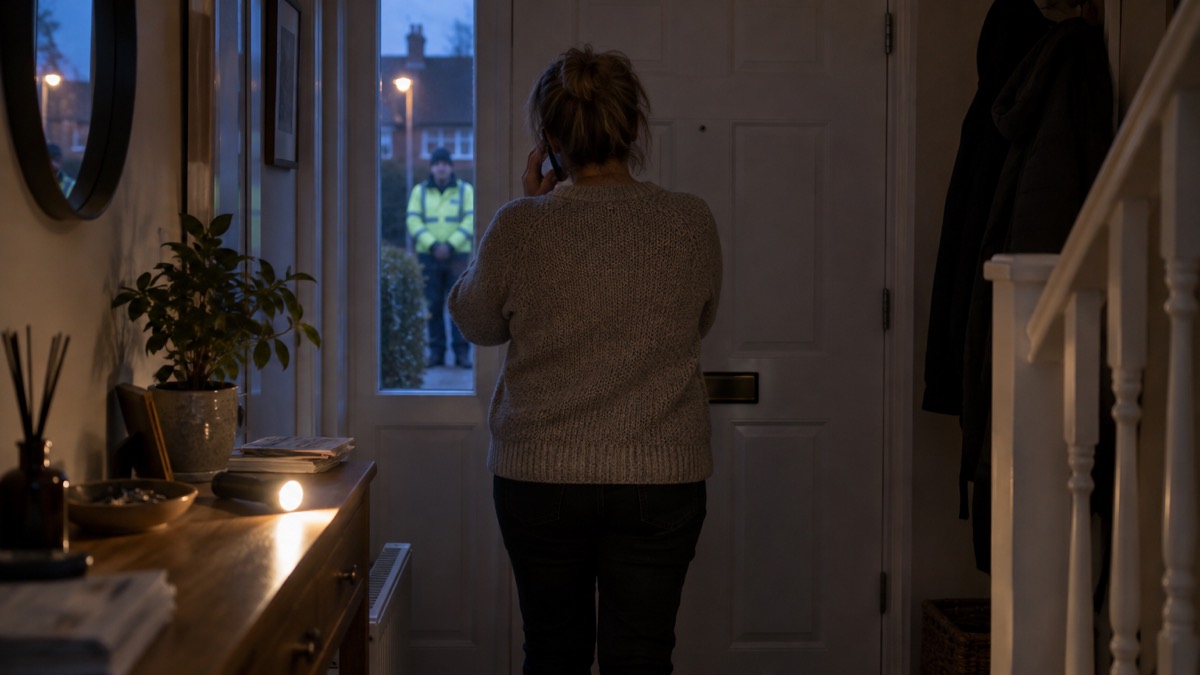
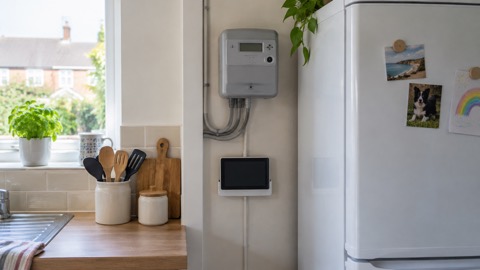
Smart meters are fitted by your energy supplier, not the network, and they usually send readings to your supplier automatically so your bills are accurate18. If readings are not getting through, your bills will be estimated18. If you have a problem with a smart meter, your supplier must within 5 working days of you contacting them check whether it is working, try to find out why if it is not, and offer to write and tell you what they have done and what they found out18.
That gives you a way to check a doorstep story. If someone claims to be from your supplier about a meter, check their identification badge and ring the number on your bill before agreeing to anything. If they claim to be from the network about a meter, remember the network does not deal with your bills or your meter contract5.
Helping older or vulnerable relatives
Bogus callers often target people who live alone or who may feel unable to challenge a stranger. The best defence is a conversation before anything happens, plus a password in place.
Official advice during a power cut is consistent across the UK: check on elderly or vulnerable family, neighbours and friends to make sure they are okay19. If you have elderly relatives or neighbours who might need help during a power cut, check up on them20, and keep in contact by phone or by visiting21. The National Energy System Operator asks people to check on neighbours, especially if they are elderly or unwell, to make sure they are safe22.
A short checklist for a relative:
- Help them join the Priority Services Register so a password scheme is in place8.
- Make sure they have their network operator's number easy to hand, since all utilities have a 24-hour call line23.
- Agree that they will check a caller's identity card through the window or letterbox before opening the door, and ring the network operator to confirm the name if they are unsure1.
Our checklist for checking on neighbours and relatives sets this out step by step, and the emergency numbers page is a good thing to print and leave by the phone.
Where to get help and how the numbers fit together
The 105 service exists because the network and the supplier are easy to confuse. Network operators run and maintain the energy network and cannot help with bills5; suppliers sell energy and are not responsible for power lines6. When the power goes off, ring 105 free and you will be put through to your network operator5. If you spot damage to lines or substations that could put someone in danger, call 105 immediately12.
For a wider picture of who does what, our guide to how Britain's electricity network is run explains the split, and how to report a loss of electricity walks through the call. If a caller has worried you, the same 105 line is the quickest way to settle it.
Sources (23)
- Preparing for a power cut, SP Energy Networks, 2026-10-26
- Community and child safety, NIE Networks, 2026-10-25
- When we contact you, NIE Networks, 2026-10-25
- The 105 service, Energy Networks Association, 2026-10-25
- Check if you can get payment for a power cut, Ofgem, 2026
- Electricity emergencies and safety advice, National Grid, 2026-10-25
- Types of power cut | UK Power Cut? Call 105 For Free | Find Your Electricity Provider, powercut105.com
- Join your supplier's Priority Services Register, Ofgem, 2026
- Check your personal alarm will work after the landline switch off, Citizens Advice, 2025-02-20
- Electric scooters, Electrical Safety First, 2026-10-26
- Home safety visits, Devon and Somerset Fire and Rescue Service, 2026
- Preparing for a power cut, SSEN Distribution, 2026-10-25
- Strong winds and heavy rain warning: information and advice, nidirect, 2026-01-27
- Winter ready, Anglesey County Council
- Addressing fuel poverty, National Grid, 2026
- Emergency alerts, Denbighshire County Council, 2026-10-26
- Failure of water infrastructure or loss of drinking water, Wiltshire and Swindon Prepared, 2026-10-25
- If you're having problems with your smart meter, Citizens Advice, 2026-10-26
- Strong winds weather warning: information and advice, nidirect, 2026-10-24
- Get prepared, Carmarthenshire County Council, 2026-10-25
- Hot weather, Ready Scotland, 2026-03-24
- Energy outages, National Energy System Operator, 2026
- Failure of national electricity, Wiltshire and Swindon Prepared, 2026-10-25
 Power Cut Kit Checklist
 What to Keep Charged
 Household Emergency Plan
 Food to Throw Away After a Cut
 Keeping One Room Warm
 Heating a Room With a Gas Hob
 Hot Water Bottles and Children
 Unplugging Appliances in a Cut
 Checking Your Trip Switches
 Vehicle Touches Overhead Line
 Reporting a Damaged Substation
 Protected Sites
 Heatwaves and Power Cuts
 Smart Meters and Power Cuts
 Keeping Medicine Cold