

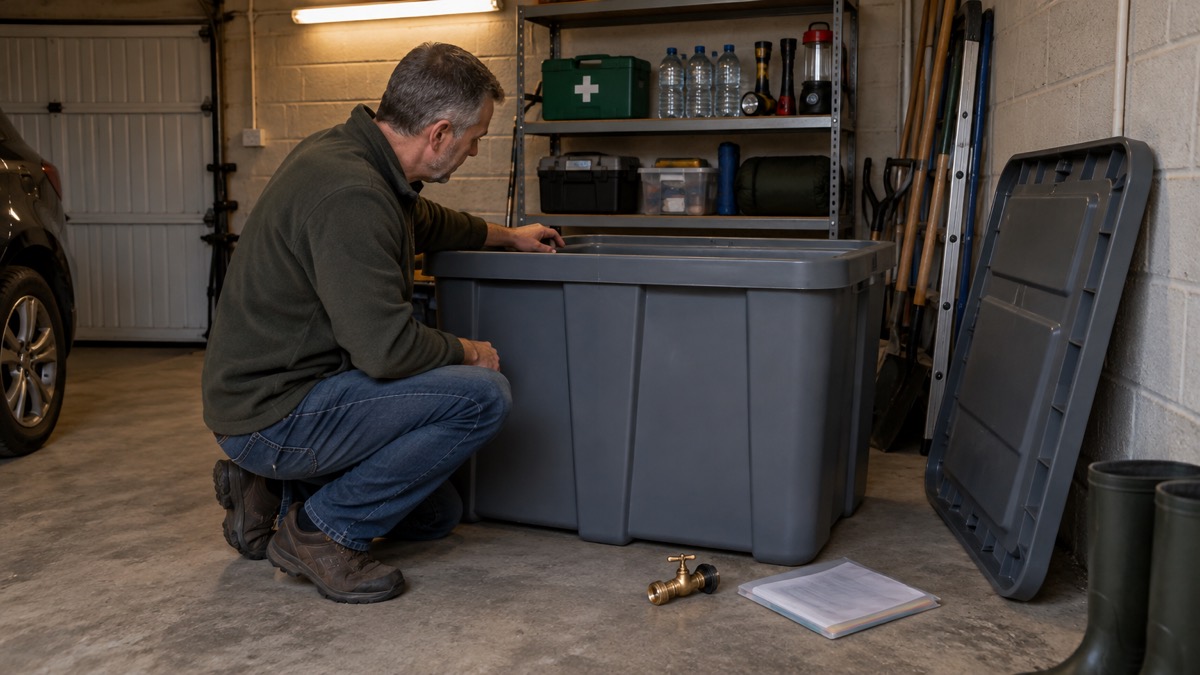
Multitank is a maker of plastic storage tanks, and the product most relevant to a household getting ready for an emergency is the Multitank 400: a rectangular, watertight plastic container for storing and transporting bulk products such as solids, liquids or semi-liquids1. The maker's datasheet gives it a nominal volume of 400 litres and a working volume of 385 litres, with external dimensions of 1.000 x 800 x 935 mm excluding the lid1. It is described as a commercial product, not a consumer one1.
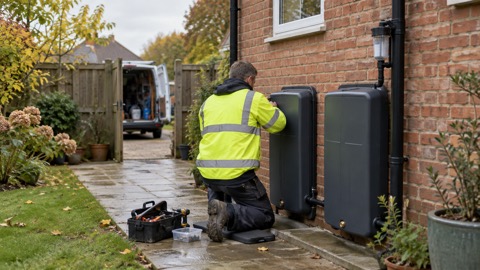
The company also sells a rainwater wall tank through its own website: a pair of linked tanks designed to be fixed against a wall, supplied with a downpipe filter, a tank to tank connector and a filter to tank connector, ready to install2. That is the product closest to what most households picture when they think about storing water for an emergency.
This page sets out what each product is, what it can and cannot do for a household, how to set it up and store it safely, and how to find the manual, parts and support. It does not give prices, and it does not compare Multitank with other makers.
What the Multitank 400 is
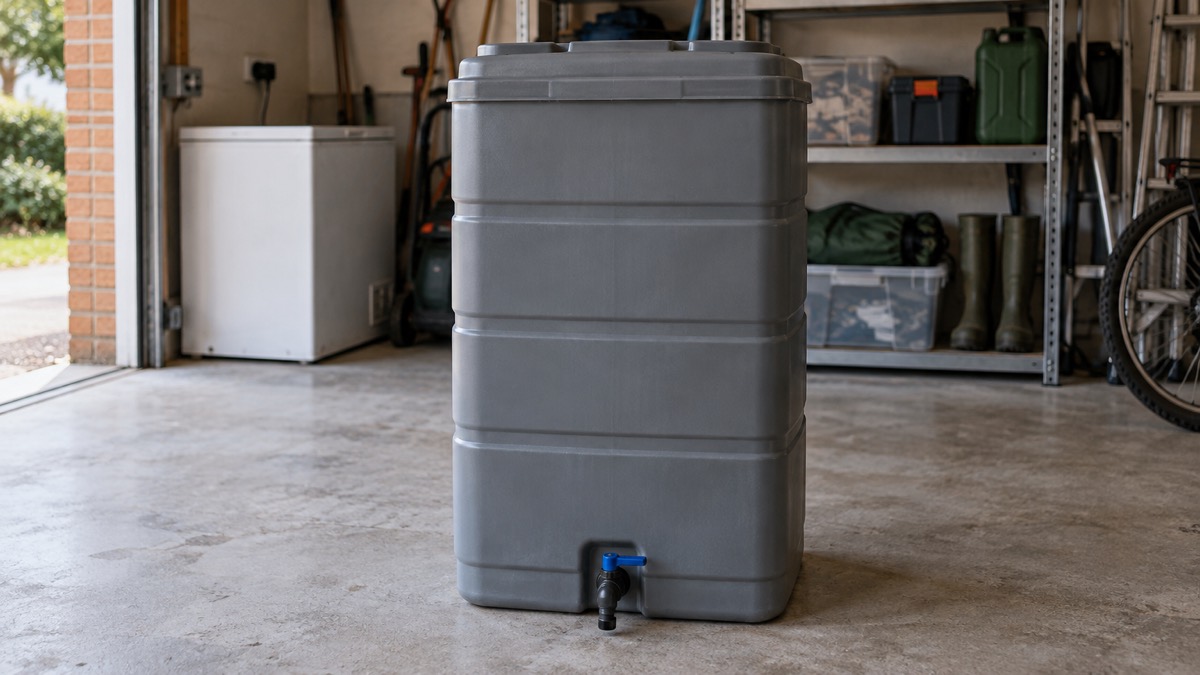
The Multitank 400 is a single-piece, injection-moulded plastic container, made from polypropylene for the body and main lid1. The maker describes it as watertight, oil tight and airtight, stackable, nestable, resistant to UV and chemicals, and made from 100% recycled material1. It has a two-inch BSB threaded discharge hole1.
It is built as a bulk container rather than a water butt. The maker lists its typical applications as food products preserved in liquids, liquid food products, semi-liquid food products, pulps, other liquids, chemicals and solids1. The gaskets are made from blue or white food quality nitrile rubber, and the maker states that the plastic and gasket materials comply with a set of EU food contact regulations and with an FDA regulation on rubber articles for repeated use1.
For a household, that matters in one specific way: if you want to store water for drinking or cooking, a container whose maker states food contact compliance for its materials is a more sensible starting point than one that does not. It does not make the water safe on its own. How you fill, treat and clean any store matters as much as the tank, and the water section covers that side of the job.
The 400 is not sold as a garden water butt with a tap and a stand. It is a container with a lid, an air valve and a discharge hole, and the maker lists taps, filters, nets, wheels and food grade gaskets as optional parts rather than standard ones1. If you are buying for a household, check what is included before you order.
Status: a commercial product
The Multitank 400 datasheet lists its status as commercial1. That is a plain statement about how the maker positions the product, and it has practical consequences for a household.
A commercial container is sold on its specifications, not on domestic installation. The datasheet gives load ratings for stacked tanks, component codes for every part, and optional extras aimed at bulk storage and transport1. It does not set out a household installation method, a guarantee period or a domestic delivery service. If you are buying one for home use, ask the maker directly about delivery, about what is included, and about any instructions for domestic use before you commit.
The rainwater wall tank is different. It is sold through the maker's own product page as a complete kit, with the connectors and filter included, and the page invites buyers to call a contact number if there are access problems for delivery2. That is the product the maker presents most directly to a household.
Multitank 400 specifications
The maker's datasheet gives the following figures for the Multitank 4001. Where the same datasheet gives a second, different figure for the same attribute, both are shown and the disagreement is noted.
| Specification | Figure |
|---|---|
| Nominal volume | 400 litres1 |
| Working volume | 385 litres1 |
| External dimensions, excluding lid | 1.000 x 800 x 935 mm1 |
| Internal dimensions, excluding lid | 963 x 763 x 778 mm1 |
| Material | Polypropylene body and main lid1 |
| Discharge hole | 2 inches, BSB thread1 |
| Airtight rating | up to 1,5 psi1 |
| Static loading, 3 tanks | 1680 kg1 |
| Dynamic loading, 2 tanks | 1120 kg1 |
| Nested height, 11 tanks | 2850 mm1 |
| Height added per extra nested tank | 160 mm1 |
| Stacked height, 3 high | 2850 mm1 |
| Standard colours | Grey, green, red, blue, yellow, black, white1 |
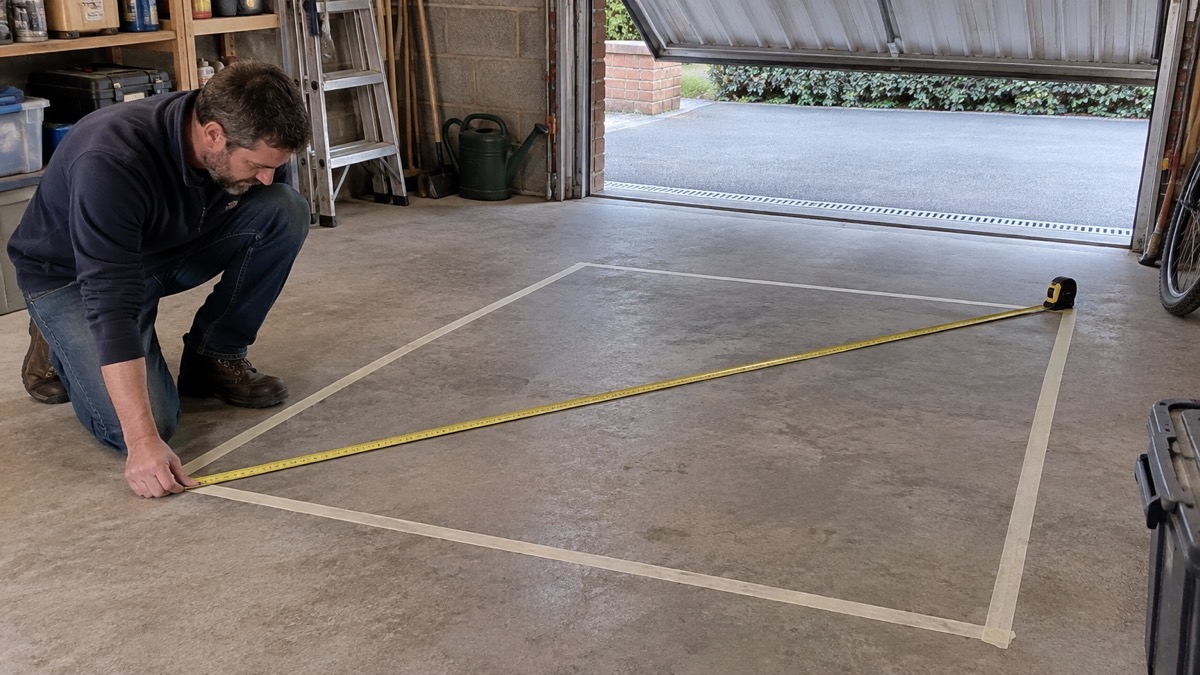
The datasheet also gives a static loading figure of 1680 kg for three Multitanks stacked1. If a figure is load-bearing for your plans, for example the weight a floor or a stack must carry, ask the maker to confirm it in writing.
The datasheet notes that a sufficient fluctuation of dimensions may happen according to raw material specifications1. Treat the dimensions as nominal.
What the Multitank 400 can do for a household
A full Multitank 400 holds 385 litres of working volume1. That is a substantial store, and it is worth being clear about what it does and does not give you.
It gives you a bulk reserve you can draw from with a tap or hose fitting if you add one, since the maker lists a valve as an optional part1. It gives you a container the maker states is watertight and airtight, with food contact compliant materials, which makes it a candidate for stored water rather than only for garden use1. It gives you a container that can be nested and stacked, which matters if you have limited space and want more than one1.
It does not give you a treated water supply. Stored water needs managing: how long you keep it, how you treat it and how you clean the tank are all decisions the tank cannot make for you. The water section sets out how a household should store and treat water, and the self-reliance section covers rainwater and living without mains water more broadly.
It also does not give you a tap, a stand or a filter as standard. Those are optional parts on the 4001. Plan for what you need to get water out of the tank, not just into it.
For a household thinking about a flood, a storm or a supply interruption, the honest summary is this: the 400 is a large, robust bulk container that can hold a useful reserve, and it needs a plan around it. Decide where it will stand, how you will fill it, how you will draw from it and how you will keep the water good before you buy.
The rainwater wall tank
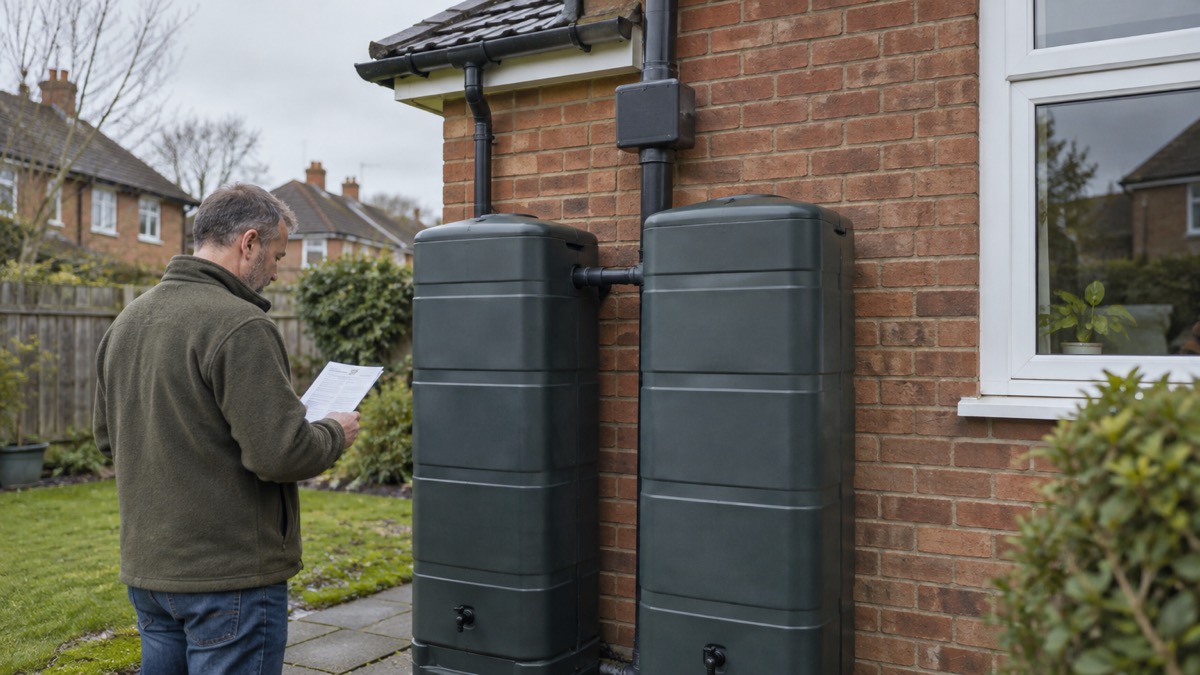
The other Multitank product a household is likely to meet is the rainwater wall tank, sold as two linked tanks2. Each tank measures 790 mm wide, 380 mm deep and 1050 mm high2. The kit includes a downpipe filter, a tank to tank connector and a filter to tank connector, and the maker describes it as ready to install2.
The tanks have ¾-inch threaded connections on both the front and the back for taps or hose fittings, plus a side outlet to drain the tank completely before frost sets in2. The maker states the tanks are designed to be expandable, with a connector provided2. The front faces are textured with two motifs, stone and slate2.
For emergency planning, this is a rainwater capture system rather than a drinking water store. It collects what runs off a roof, which means the quality of what you collect depends on your roof and your downpipe. If you want to use captured rainwater for anything beyond the garden, read the water section first and treat it accordingly.
The frost point is the one to note for winter. The maker provides a side outlet specifically so the tank can be drained before frost2. A tank left full through a hard frost is a tank at risk, and a storm or a cold snap is exactly when a household is least able to deal with a split tank. Put draining it on your seasonal checklist alongside the other winter jobs in the storms and snow section.
Setting up and using it safely
Installation is where most of the risk sits, and the rules that apply depend on what the tank holds and where it is.
For any water storage tank or cistern, the Drinking Water Inspectorate advises checking the instructions supplied with the tank, as they should contain details of how to maintain and clean it3. Read them before you fill it, not after.
For tanks that hold oil or fuel, the rules are stricter. The person installing your tank will do a risk assessment and tell you if it has to have secondary containment, a bund4. The same guidance warns that the person installing your tank could be prosecuted and fined if they do not comply with building regulations4. If a tank is used for a private water supply, the Drinking Water Inspectorate advises regular inspection and maintenance of septic tanks at a frequency in accordance with the manufacturer's instructions5.
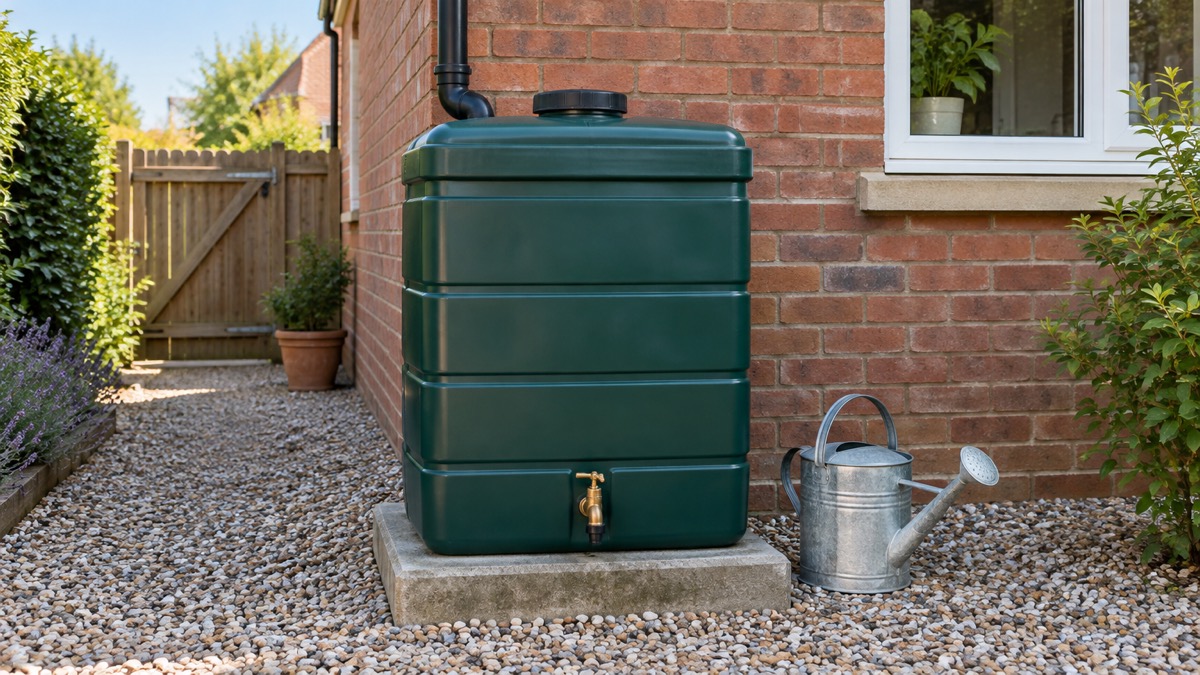
Fire safety guidance adds a siting rule for fuel tanks: clear at least a three-metre space around any fuel tanks, and store tanks on non-combustible material such as gravel or concrete7. For a wood pellet hopper or tank and boiler, the Health and Safety Executive advises ensuring the hopper, tank and boiler have been installed and commissioned by a competent person, and contacting the supplier or manufacturer if in doubt8.
For a water tank, the practical points are simpler but still matter. Site it where a full tank's weight is carried safely, which for the 400 means checking the load figures against your floor and asking the maker about the disagreement in the datasheet1. Keep the lid fitted. Keep the outlet clear. And if the tank is part of a plan to keep water for drinking, follow the cleaning and maintenance instructions supplied with it3.
Storing it between emergencies
A tank that sits empty and neglected is not ready when you need it. The work between emergencies is keeping it clean, keeping it serviceable and knowing where everything is.
Start with the paperwork. Keep the datasheet, the instructions and any component codes together, in a safe place at home that is accessible and in a waterproof bag where possible9. Store the same details on your mobile device as well as keeping a paper copy somewhere accessible10. Keep your completed household emergency plan somewhere safe where you can easily find it in an emergency11.
Then the physical checks. Drain the rainwater wall tank before frost using the side outlet provided2. Check the tank, its lid, its gaskets and its outlet for damage before you rely on it. If the tank is part of a fuel system, watch for the warning signs of a leak, including a sudden increase in the amount of fuel you use6.
Finally, make sure the rest of the household knows the tank exists and what it is for. Emergency guidance is consistent on this point: store emergency items in a bag so they are easy to access, particularly if you need to leave your home in a hurry, and make sure everyone in your house knows where it is kept12. Keep a grab bag upstairs or near your door13. Move sentimental or valuable items upstairs or to a high place, and store important documents in resealable watertight plastic bags14.
Safety notices and recalls
Multitank products are not the subject of any recall notice in the official record consulted for this page. That is not a guarantee, and the habit that protects a household is checking.
Official fire safety guidance is clear that you should register electrical items with the manufacturer so you are informed of any safety recalls16. The same advice appears across fire and rescue services: register your product with the manufacturer for safety updates, recalls and warranties17. The Office for Product Safety and Standards issues recalls and alert notices on its website18, and you can check for product recalls at the Electrical Safety First website19.
If an appliance is not listed as recalled it should be safe to use, and if you have concerns about its safety, contact the retailer or manufacturer16. For white goods, check for recalls or safety notices on the Electrical Safety First website20. For tumble dryers, check periodically for any product recalls or safety notices related to your specific model21.
Recalls do happen, and they are worth taking seriously. A Flogas Gold butane gas cylinder was recalled in December 2024 presenting a risk of fire22. A Multi-Function Jump Starter JX27 with an AC adapter was recalled in 2023 presenting a risk of burns, with a recall notice sent directly to end users23. Neither is a Multitank product, but both show why registering what you buy and checking the official lists is part of keeping a household ready.
Support and warranty
The Multitank 400 datasheet does not set out a warranty period or a domestic support process. What it does give you is the information you need to ask a precise question: the component codes for every basic and optional part1.
The basic components listed are the body BD-420, main lid ML-420, round lid RL-420, feet plugs FP-420, locking pins LP-420, air valve AV-420, main gaskets MG-420-S, round O-ring RO-420-S, valve O-ring VO-420-S and gas valve gasket GV-420-S1. The optional components include a main net MN-420, round net RN-420, small filter SF-420, valve VP-420, traverse TR-420, wheels WL-420, food grade gaskets, an aseptic bag and a two-by-two-inch fitting1. Quote the code when you contact the maker about a replacement.
For the rainwater wall tank, the maker's product page gives a contact number for delivery access problems: 01733 4051112. Use it if a delivery cannot reach your property, and ask the same contact about spares and instructions.
If you have lost the manual for a piece of household equipment, the general approach manufacturers recommend is to search for the brand and the product or error message, or visit the manufacturer's website24. The same logic applies here: start with the maker's own site and the datasheet for your model.
Warranty terms vary widely between tanks, from a 2 year warranty on some insulated models to a 25 year guarantee on the F-Line Flat Tank1. Check the guarantee that applies to the model you are considering before you buy, and keep the paperwork that comes with it.
Sources (24)
- Multitank Specification and Compliance, Multitank Ltd, 2021
- 2 x 250 Litre Multitank Rainwater Wall Tank, Rainwater Harvesting, 2026-10-01
- Water storage tanks and cisterns, Drinking Water Inspectorate, 2026-06-09
- Oil storage regulations and safety, GOV.UK, 2026-10-29
- Protecting your private water supply, Drinking Water Inspectorate, 2026-10-28
- Oil tank leaks, Somerset Council, 2025-07-29
- Wildfires: rural safety, Devon and Somerset Fire and Rescue Service, 2026
- Wood pellet fuels, Health and Safety Executive, 2026
- Your Home Emergency Plan, Royal Borough of Windsor and Maidenhead, 2025-10
- Emergency information leaflet, Surrey County Council, 2026-01-08
- Emergency planning, Belfast City Council, 2026-10-29
- Flooding checklist, West Yorkshire Prepared, 2026
- Resident grab bags, Harborough District Council, 2026-10-29
- Flooding, Prepare campaign, GOV.UK, 2026-10-12
- Fire safety using medication and medical equipment, Warwickshire County Council, 2026-10-29
- Electrical safety at home, Scottish Fire and Rescue Service, 2026-10-29
- E-bikes, Cheshire Fire and Rescue Service, 2026-09-30
- Electrical items, London Fire Brigade, 2026-10-25
- Your guide to fire safety, Scottish Fire and Rescue Service, 2023-11-03
- White goods, Cheshire Fire and Rescue Service, 2026-05-20
- How to check if your tumble dryer is a fire risk, London Fire Brigade, 2026-10-25
- Product Recall: Flogas Gold Butane Gas Cylinder, GOV.UK, 2024-12-03
- Product Recall: Multi-Function Jump Starter JX27, GOV.UK, 2023-04-18
- Top tips for a healthy heating system, Ideal Heating, 2026
 Multitank Rainwater Wall Tank