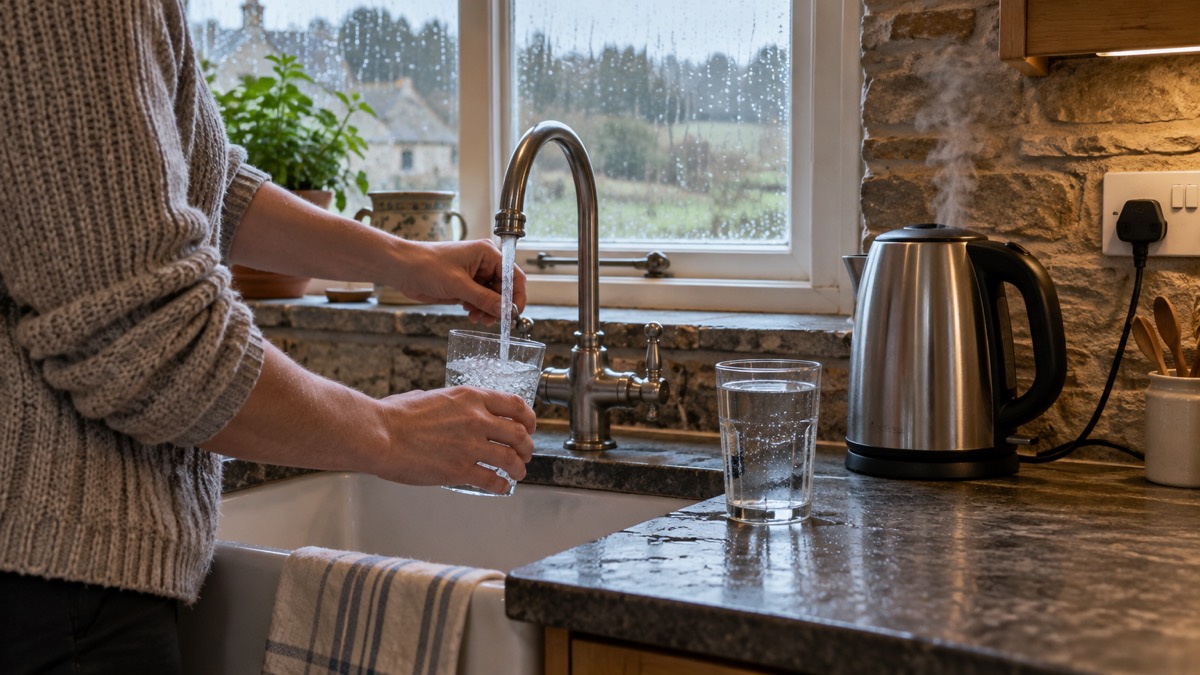
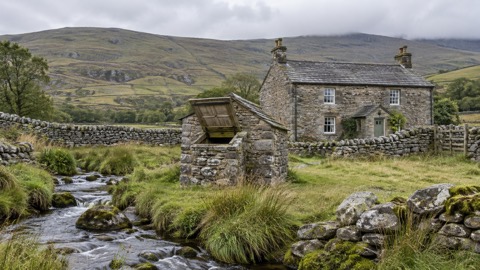
If you are staying somewhere with a private water supply, the water does not come from a water company. It comes from a well, borehole, spring, stream, river, lake or pond, and it may serve one property or several1. Most of these supplies are in remote, rural parts of the country, which is exactly where holiday cottages, campsites and rented farmhouses tend to be1.
The practical point for a visitor is this: the owner of a let or campsite has legal duties to have the supply risk assessed and sampled, and you can ask about that. Commercial properties on a private supply, including self-catering accommodation, must legally have a formal risk assessment carried out and are subject to routine sampling, and a drinking water poster must be displayed3. If something looks, smells or tastes wrong, report it to the owner first and then to the council's environmental health department4.
You do not need to become an expert in water treatment to stay safe. You need to know where the water comes from, when it is most likely to go wrong, what the owner should have done, and who to call. This page sets those out in the order you will need them.
What a private water supply is and where the water comes from
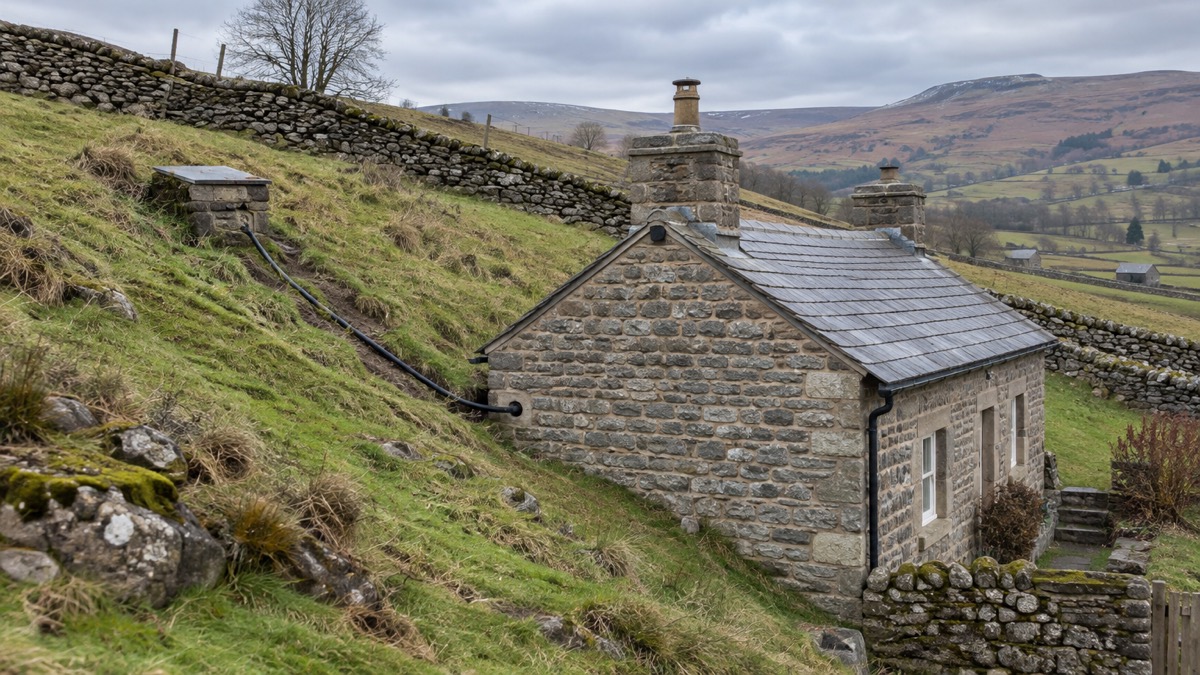
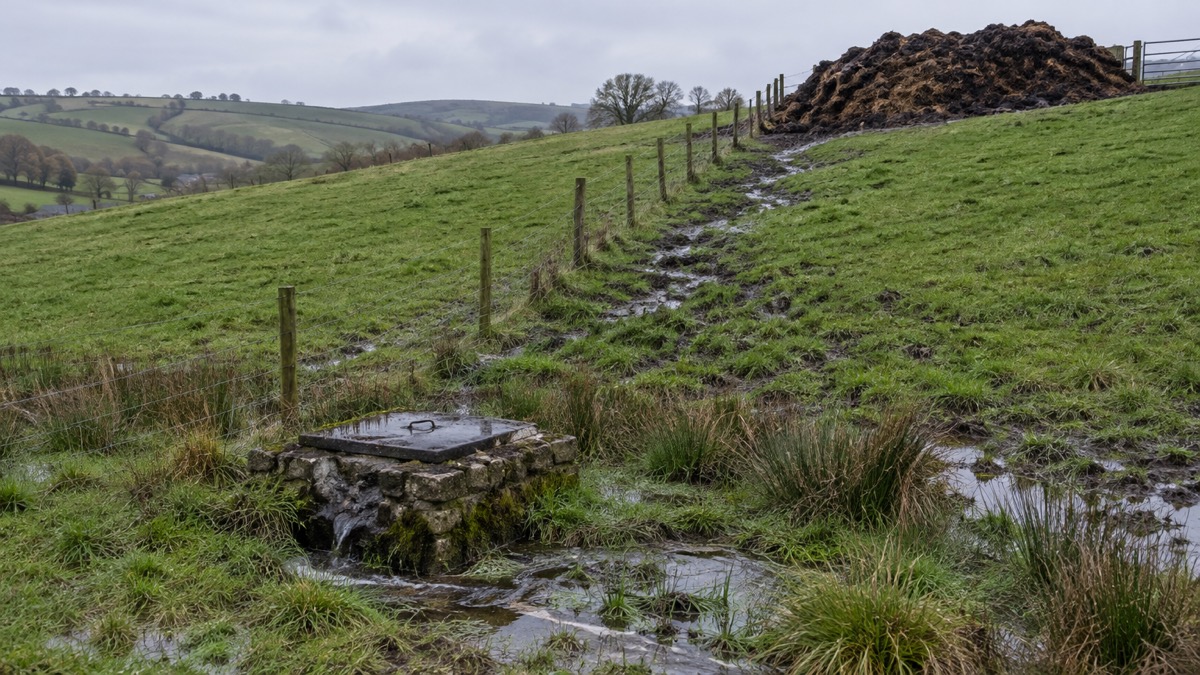
A private water supply is any water supply which is not provided by a water company2. It can originate from boreholes, natural springs and watercourses, and might serve one property or many properties through a network of pipes and reservoirs1. In Scotland the sources are described as springs, wells, boreholes, rivers and lochs, and most private supplies are in rural areas where mains water is not available7.
The scale is larger than most people expect. There are in the region of 1 million users of some 40,000 private water supplies from streams, boreholes and springs, of which just over half are domestic supplies8. In Wales alone, about 80,000 people have a private water supply9.
For a visitor, the source matters because it tells you what can get into the water. A spring or borehole draws from groundwater; a stream, river, loch or pond draws from surface water that animals, runoff and weather can reach. Some supplies are shared with others through a private distribution network, for example a caravan park where water from a company is shared between pitches10.
Holiday lets, campsites and rented homes must be risk assessed and tested
This is the part that matters most when you are booking. The rules are not the same for every property, and the difference turns on whether the supply is commercial and how many homes it serves.
Commercial use includes food businesses, holiday accommodation, visitor attractions, campsites, workplaces and rented homes7. If a supply serves more than 50 people or is used for commercial purposes, it is classed as a regulated supply7. In Argyll and Bute, commercial properties on a supply, including self-catering accommodation, must legally have a formal risk assessment carried out and are subject to routine sampling, and a drinking water poster must be displayed5.
For shared domestic supplies, any private water supply used for domestic purposes that supplies two or more dwellings and/or other properties must be risk assessed every 5 years and regularly tested in accordance with the regulatory requirements by the local authority6.
| Type of property | Risk assessment and testing |
|---|---|
| Self-catering let, campsite, visitor attraction, food business | Formal risk assessment required and routine sampling, with a drinking water poster displayed3 |
| Supply serving two or more dwellings | Risk assessed every 5 years and regularly tested by the local authority6 |
| Single dwelling, owner occupied | Regulations do not require a risk assessment or testing unless requested or the council believes there is a risk to health6 |
| Single dwelling, rented in Wales | Covered by the tenancy rules, which bring all supplies provided as part of a tenancy agreement into scope11 |
Lead is a separate point. For small, shared supplies under 10 cubic metres per day, lead is only tested where it is considered a risk, and the risk assessment applies to all shared, public and commercial supplies; in Wales it also includes all supplies provided as part of a tenancy agreement11.
If you are renting in England and the property is a single dwelling, the regulations do not require a risk assessment or testing unless requested by the owner or occupier, the dwelling is in Wales and rented to tenants, the dwelling is in England, rented to tenants and meets the criteria in the guidance on regulation 9, or the local authority believes there to be a risk to health6. In practice, ask the owner what has been done. A responsible let will know.
Heavy rain and drought: when the water is most likely to be unsafe
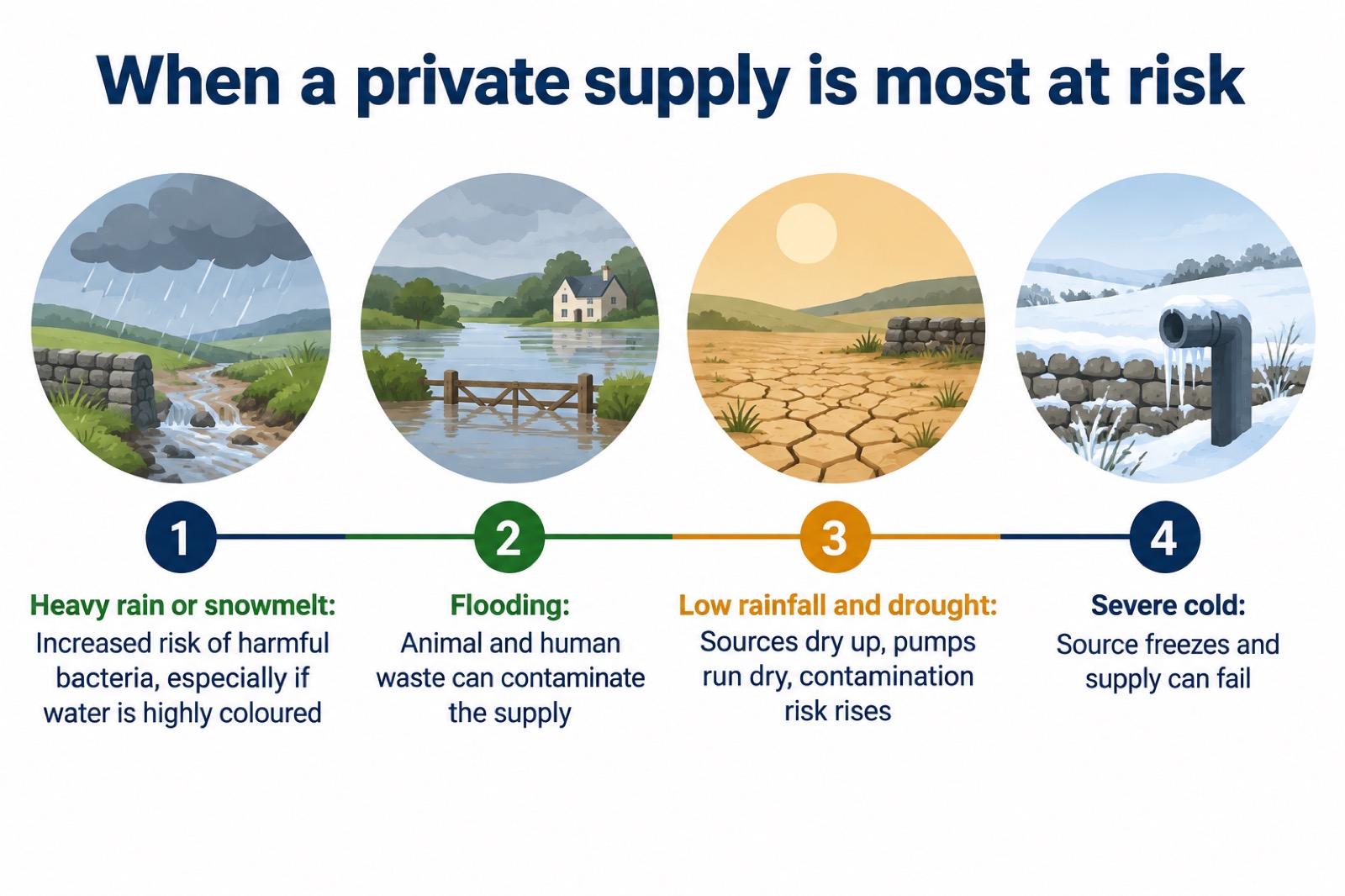
Private supplies are more exposed to the weather than mains water. There are occasions when there is an increased risk of harmful bacteria affecting any supply, most likely after heavy rainfall or snowmelt, or when the water is highly coloured2. Flooding brings its own risk: animal and human waste can contaminate supplies where there is flooding12.
Drought is the other half of the picture. Houses with a private water supply may be more vulnerable to drought because private water supplies often rely on small water sources that can dry up quickly13. The water quality of private water supplies can decline during drought conditions and they can become contaminated when water levels are low, which could make someone who drinks that water unwell13. In Wales, when there is a lack of rainfall over a long period, groundwater levels can become exceptionally low and there may be implications for private water supplies, causing spring sources to dry up or pumps to run dry14.
Supplies can also fail for reasons unrelated to weather: periods of drought or severe cold weather, when the source dries up or freezes, but also undetected leaks, pipe bursts or pump failures15.
What should you do as a visitor? If there has been heavy rain before or during your stay and the water is discoloured, do not assume it is harmless. Ask the owner whether the supply has been affected, and if in doubt use bottled or boiled water for drinking until you have an answer. If the supply fails altogether, the owner or occupier is responsible for dealing with it, and the local authority can advise16.
Water that meets the standards can still be unsafe
A test result is a snapshot, not a guarantee. The quality of private water supplies is variable: there are some very good ones that have adequate treatment and are well managed, and others that present a risk to health due to the quality of the water17. Private water supplies can pose a threat to health unless the water is properly protected and treated19.
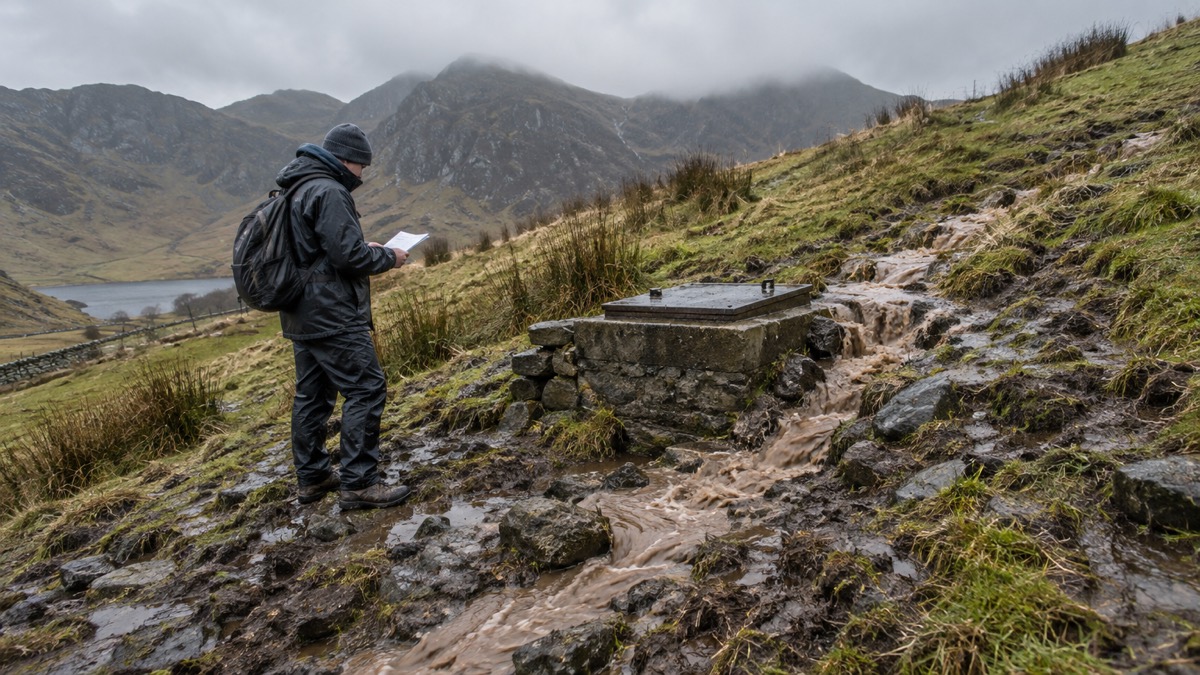
That is not a reason to worry, but it is a reason to pay attention to what you can see and smell. Discolouration is a common warning sign. Private internal plumbing and service pipes made of iron, including galvanised pipes, can accumulate iron sediments over time, giving water a dark appearance20. In Cornwall, high levels of manganese, iron and arsenic have all been recorded in water samples taken from private water supplies due to the geology16. The usual cause of discoloured water is iron or manganese, and both of these substances are more of an aesthetic concern than a health one21. But discolouration after rain can also signal that surface contamination has reached the supply.
Outbreaks are real. Outbreaks of disease that have been attributed to private water supplies have occurred in Scotland17, and there have been disease outbreaks in Scotland linked to private water supplies7. If anyone in your group develops sickness or diarrhoea after drinking the water, mention the private supply when you seek advice.
Rainwater harvesting and stored water on a let
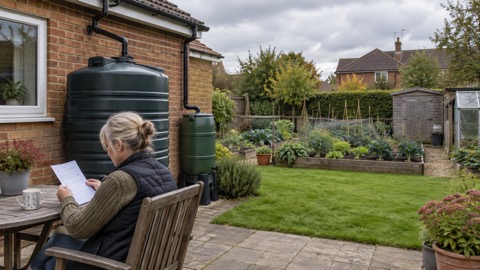
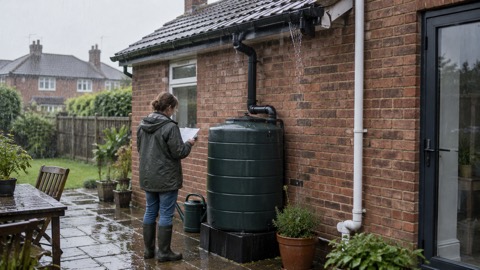
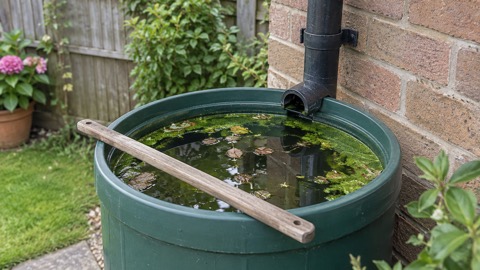
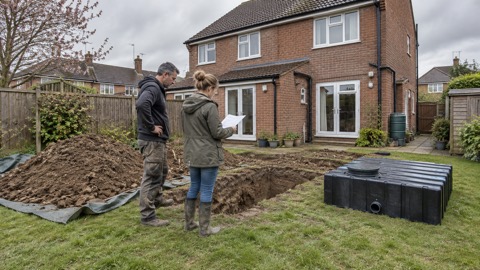
Some rural properties collect rainwater, and it can form part of a private supply. Storage may take the form of a small covered reservoir providing sufficient head to supply more than one property, or a suitably positioned storage tank, for instance in the roof space, from which water flows under gravity to the taps22.
If a property uses rainwater harvesting, the owner should manage the collection area. Guidance is to remove or avoid roof-mounted aerials or overhanging trees in the collection area, discourage birds from perching on roof collection areas, and consider diverting the first flush of rainwater to waste23. Rainwater systems are typically more suited to new-build properties, where the cost of plumbing them in is negligible; retrofitting into an existing property can be expensive24.
As a guest, ask whether harvested rainwater is used for drinking or only for toilets, laundry and garden use. If it is used for drinking, ask how it is treated and when it was last tested. For more on how these systems work and what they can safely supply, see Rainwater Harvesting at Home: How a System Works and Is Harvested Rainwater Safe to Drink?.
Manure, livestock and protecting the source
Farmland and private supplies often sit side by side, and that is where contamination can start. Guidance is to prevent storage and/or the spreading of manure within 50 metres of the water source23. Recreational use of the source water near the intake point should also be limited or controlled for surface water supplies23.
If you are staying on a farm or near livestock, look at where the source is in relation to fields and yards. Slurry spreading, muck heaps and animal access close to a spring or intake are all worth mentioning to the owner. Flooding makes this worse, because animal and human waste can contaminate supplies where there is flooding12.
Who to report a problem to
Start with the person responsible for the supply. In Somerset, the advice is to contact the responsible person for the supply in the first instance and advise them there may be an issue, then the council via its online form3. More widely, if you have a private supply, usually a well, borehole or spring, report any problems to your council's environmental health department4.
The responsibility for fixing a private supply problem lies with the owner or occupier of the home, or anyone else with ownership or control over the water source or supply; the local authority can advise but cannot take over the repair14. If the supply fails in a domestic property, contact your water company or local council for information on connecting to a mains supply, and the local authority may be able to require water companies to assist under certain conditions25.
| Nation | Who to contact about a private supply |
|---|---|
| England | Your council's environmental health department4 |
| Scotland | The environmental health section of your local authority17 |
| Wales | Your local authority; about 80,000 people in Wales have a private supply9 |
| Northern Ireland | The Drinking Water Inspectorate for Northern Ireland or the Environmental Health department of your local council26 |
In Northern Ireland, anyone with concerns about their public drinking water supply should contact Waterline on 03457 44 00 88 or waterline@niwater.com27. Waterline is available 24 hours a day, 365 days a year on 03457 44008828, and Northern Ireland Water asks anyone concerned about the water supplied to their home to contact Waterline so the problem can be investigated29.
If you are staying somewhere and the supply runs low or dry, the owner may need to arrange an alternative supply. For the wider picture on rules, testing and responsibility, see Private Water Supply Regulations: Risk Assessments, Testing and Who Is Responsible. If you are in Scotland, Private Water Supplies in Scotland: Rules, Councils and Connecting to the Mains sets out the local arrangements.
Sources (29)
- Private water supplies, Drinking Water Inspectorate, 2026-10-28
- Private water supplies, Argyll and Bute Council, 2026
- Private water supplies, Somerset Council, 2026-08-12
- Check drinking water quality, GOV.UK, 2026-10-29
- Private water supplies: your property, Argyll and Bute Council, 2026
- Buying a dwelling with a private water supply, Drinking Water Inspectorate, 2026-10-28
- Private water supplies, Highland Council, 2025-10-10
- Drought: how it is managed in England, GOV.UK, 2026-04-08
- Water and health, Public Health Wales, 2026-10-15
- Types of private water supply | Cumberland Council, Cumberland Council
- Lead in private water supplies, Drinking Water Inspectorate, 2026-10-28
- Flooding advice for properties using a private water supply, Shropshire Council, 2026-10-29
- How to stay safe during a drought, NHS Inform, 2026-05-12
- Weather and health, Public Health Wales, 2026-10-29
- Loss of supply for private water supply users, Argyll and Bute Council, 2026
- Private water supplies, Cornwall Council, 2026-10-29
- Private supply, Drinking Water Quality Regulator for Scotland, 2026-10-29
- Private water supplies, Drinking Water Quality Regulator for Scotland, 2026-10-28
- Private water supplies, Scottish Borders Council, 2026-10-29
- Discoloured water, Wessex Water, 2026-10-28
- Discoloured or dirty water, Drinking Water Quality Regulator for Scotland, 2026-10-28
- Water storage, Drinking Water Inspectorate, 2025-11-05
- Protecting your private water supply, Drinking Water Inspectorate, 2026-10-28
- Saving water FAQs, Cambridge Water, 2026-10-28
- Drought planning and management, Natural Resources Wales, 2026-10-29
- Dealing with drinking water problems, nidirect, 2026-10-06
- Drinking water and blue green algae, DAERA, 2025-08-27
- Strong winds weather warning information and advice, nidirect, 2026-10-24
- Report water quality issues, Northern Ireland Water, 2026-10-28
 Composting Toilet Kit Checklist
 Garden Harvesting Kit Checklist
 Rainwater Winter Checklist
 Composting Toilet Near Wells
 Flies in a Composting Toilet
 Composting Toilet Chamber Size
 Is Harvested Rainwater Safe
 Garden and Lawn Water Needs
 Grey Water Disposal Off Mains
 Rain and Grey Water in Garden
 House With a Private Supply
 Rainwater Pipe Types and Labels
 Rainwater Systems in a Power Cut
 Does Stored Rainwater Stagnate
 Underground Tank Dig Depth