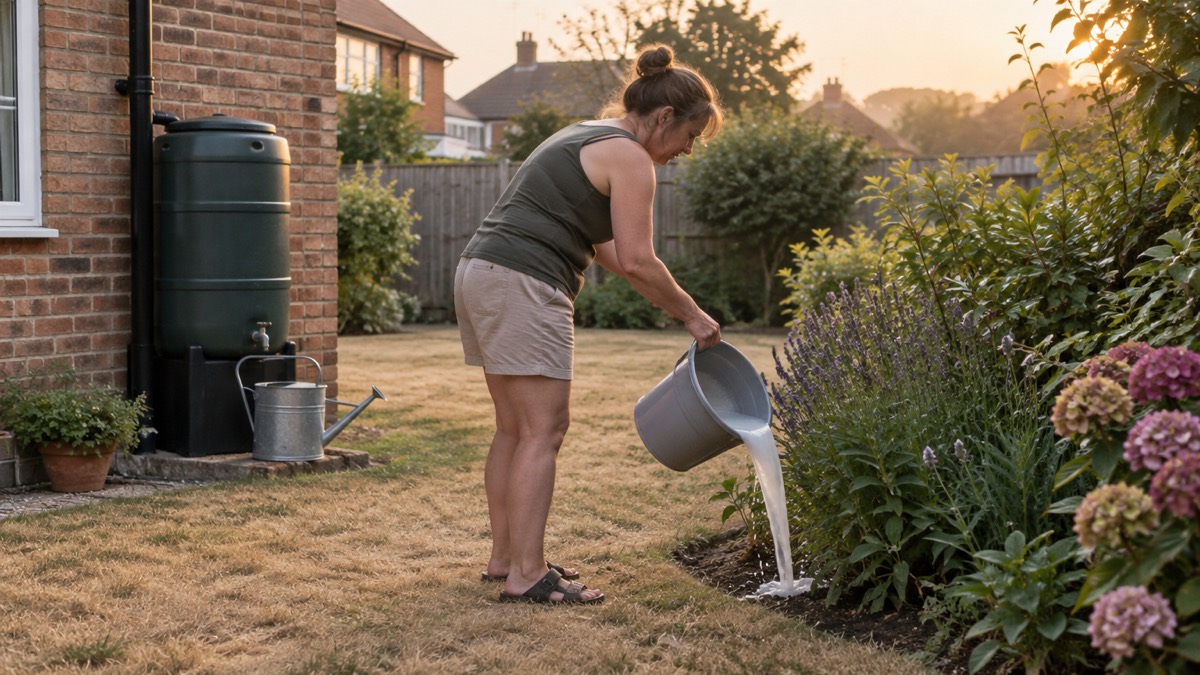
Most of the water a household pours away can still do useful work outside. Water from baths, showers and wash basins is grey water, and it can keep beds, borders and lawns going in a dry spell, provided you use it sensibly and on the same day1. Rain caught from the roof in a water butt is even better suited to plants, because it lacks the chemicals added to mains water to make it safe to drink2.
The rules are simple. Use grey water straight away, never store it, and keep it away from anything that will be eaten raw. Collect rainwater in a lidded butt fed from a downpipe, keep the gutters clear, and empty the butt if the water starts to smell rather than adding chemicals to it3. Never let a hosepipe or a container of waste water sit in a drain, pond or bucket where it could be drawn back into the drinking supply4.
This page sets out which household water is safe where, how to collect and look after rainwater, and how to keep watering through a hosepipe ban without wasting a drop.
Which grey water is safe for the garden
Grey water is the waste water from showers, baths and wash basins1. The Royal Horticultural Society widens the definition to take in water from washing machine rinse cycles and kitchen sinks, and sets out what to leave out: avoid any water containing bleach, disinfectants, dishwasher salt or harsh cleaners3. That single rule removes most of the risk. A mild soapy residue is one thing; a bucket of diluted bleach is another.
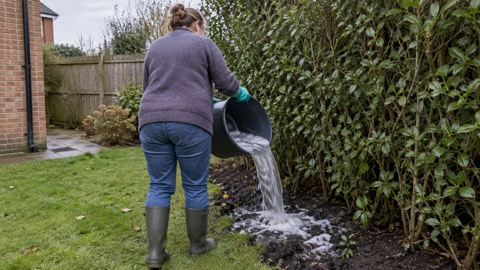
How you apply it matters as much as what is in it. The RHS advises applying grey water with a watering can, alternating it with rainwater or mains water so that mineral salts do not build up in the soil, and using it ideally only on ornamental plants. If you do put it on edible crops, limit it to crops that will be cooked3. Washing-up water is covered by the same guidance: the RHS says grey water from washing up can be used to water ornamental plants in containers3.
There is a second reason to be careful with soaps and cleaning products. The NHS lists soaps, cleaning products and garden chemicals among the common causes of poisoning, so keep containers of grey water and any cleaning products well away from children and pets6.
Paddling pool water is easy to overlook and easy to reuse. A fire and rescue service advises emptying paddling pools, containers, buckets and watering cans as soon as they have been used, and notes that the water from a paddling pool can go on the garden7.
If your mains water runs brown, black, orange or yellow, the Drinking Water Inspectorate's advice for areas with a known iron or manganese problem is that once you have run the tap until the water clears it is safe to use, unless your supplier has issued a warning notice saying otherwise8. Discoloured water is a separate question from grey water, and your supplier's notice takes priority.
Use grey water the same day: never store it
Grey water begins to turn as soon as it leaves the bath. The RHS is direct about it: use grey water immediately, and do not store it longer than 24 hours unless it has been filtered through a reed bed, sand filter or a professionally designed water treatment system3. The reason is that it carries organic matter and bacteria that multiply in a warm butt or bucket. Cats Protection makes the same point from the gardening side: it is not possible to store this water without chemical treatment, so direct irrigation is the better option9.
In practice that means watering as you go. Let the bath cool, then carry it out in a watering can and put it where it is needed, rather than decanting it into a barrel to sit for a week. If you cannot use it that day, it belongs down the drain, not in a store.
Timing decides how much of it reaches the roots. Cambridge Water advises never watering in the heat of the day, because most of it will evaporate and, if it is sunny, you run the risk of scorching your plants; evening or early morning is better1. Cornwall Council gives the same advice to households in the county: water gardens in the early morning or late evening to reduce evaporation10.
Where grey water must never go
The most serious risk with any garden water is not the plants. It is the drinking supply. WaterSafe warns never to place hosepipes in drains, garden ponds, buckets or watering cans where they can be submerged, because contaminated water could be siphoned back into your home's drinking water pipework4. This is called backflow, and it can affect your own taps and your neighbours' supply.
Drains and gullies are for rainwater, not for solids. Derbyshire Council asks residents not to put any solids such as leaves, soil or litter into gullies, and to sweep leaves on their property before they are blown or washed into the drainage network12. A drain blocked with garden waste is a flood risk in the next downpour.
After a flood, the ground itself is contaminated. Northern Ireland's government advises against hosing the garden, because this will saturate the ground and prolong the life of the bacteria13. Belfast City Council adds that children and pets should not play in or near flood water, or with toys that have been in it, until those toys have been cleaned with disinfectant14.
Electricity and water make a dangerous pair in a wet garden. Electrical Safety First's advice is blunt: never use electrical equipment in wet weather15. If you are pumping water out or using a powered tool, keep the electrics dry and out of the wet.
Collecting rainwater: water butts and diverters
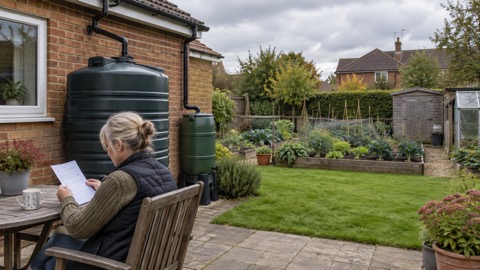
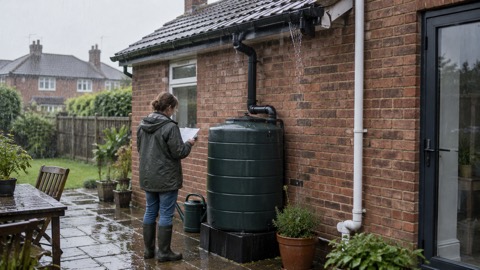
A water butt is the simplest piece of garden water kit there is. Thames Water advises using water butts to collect and store rainwater straight from your gutters, which can then be used to water the garden in dry weather16. The government's emergency preparedness guidance makes the same suggestion: if you have an outside area, consider having a water butt to collect water17. Suffolk's flood guidance notes that butts collect rainfall from roofs, adjacent to the property and any outbuildings, and that the water can be used in the garden or appropriately filtered and stored for reuse within the home18.
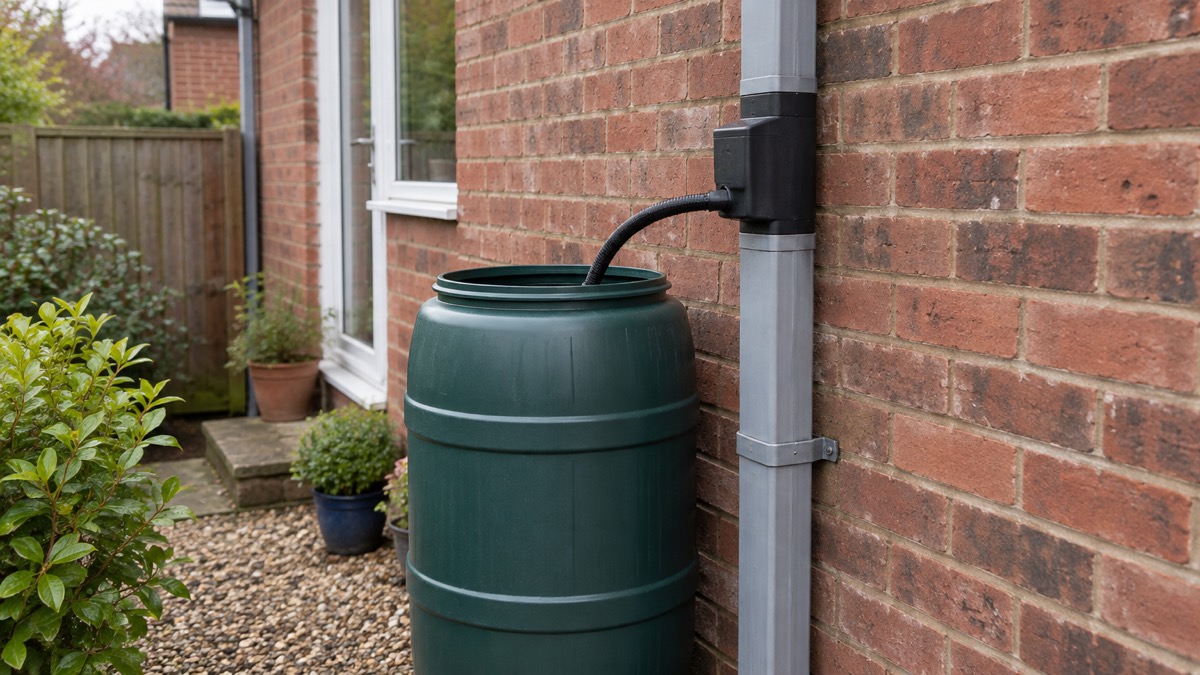
Rainwater is not just free, it is better for plants. Consumer Council for Water says collecting rainwater with a water butt is actually better for your plants because it has a lower pH19. A rainwater system maker explains why: your garden prefers rainwater to mains water because it does not contain the chemicals needed to make mains water drinking quality2.
You do not have to carry it. Waterwise notes that you can fit a diverter to a bath or shower to collect grey water for watering garden beds and borders20. A diverter on the downpipe does the same job for rainwater, sending it into the butt and back to the drain once the butt is full.
Bristol Water lists collecting rainwater in a water butt for gardening among the practical steps households can take, and its message after a wet spell is worth remembering: rain helps, but recovery takes time, and more than a few rainy days are needed to refill water resources21. A butt fills quickly in a shower; a reservoir does not.
If you want to go further than a single butt, the site's guide to water butts: sizes, fittings and where to put one covers siting and capacity, and rainwater harvesting at home explains how a fuller system works.
Keeping stored rainwater clean and safe
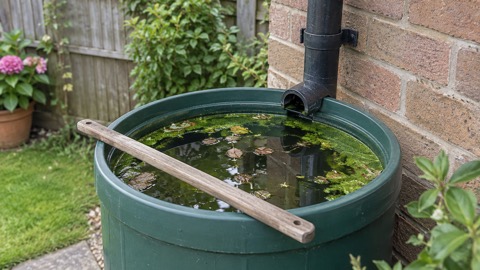
Stored water needs looking after, or it becomes a problem rather than a resource. The RHS advises keeping gutters clear to reduce waterborne plant diseases such as Phytophthora and Pythium, using stored water frequently to keep it fresh, and, if the water smells, emptying and cleaning the butt rather than adding chemicals3. That last point is the one people get wrong: a smelly butt is cleaned, not dosed.
Rainwater from a butt suits some plants better than others. The RHS says to use it on established plants but avoid it on seedlings, because it may contain damping-off diseases, and that it is perfect for houseplants, particularly orchids and carnivorous plants3. Keep a lid on the butt and a mesh guard on the inlet to keep leaves and grit out; the site's guide to cleaning a water butt and keeping debris out goes through the job step by step.
Standing water is also where mosquitoes breed. The UK government advises residents to help reduce breeding opportunities by removing standing water from gardens and outdoor spaces, including water that collects in buckets, containers, paddling pools and plant pots22. A lidded butt is not the problem; the open bucket beside it is.
If you keep animals, a clean supply matters too. Cats Protection recommends a clean bowl of fresh water replaced daily in a cat-friendly garden, alongside shelter, shade and safe plants23. Rainwater from a butt is not a substitute for that bowl.
Watering in a drought or hosepipe ban
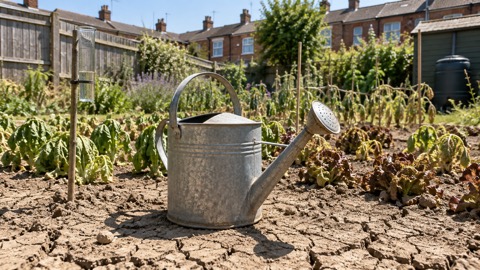
When a hosepipe ban is in force, the garden does not have to be abandoned. The government's drought guidance says that in the garden you should use a watering can instead of a hosepipe, and install a water butt if you can to capture rain5. Westminster City Council adds that households should avoid automated sprinklers and hosing the garden, and if outdoor plants do need water, do it in the evenings when evaporation is less24.
Grey water comes into its own here. Suffolk Fire and Rescue Service advises considering water from water butts or waste water from the home if hosepipe bans are in place25. Hampshire Fire and Rescue Service makes the wildfire case for it: during hot, dry spells, consider using grey water for watering plants and lawns, so that even if there are limits on hosepipes, the ground can be kept damp26. Bristol Water's advice on applying grey water is to put it directly on the soil rather than running it through irrigation systems27.
The rules of a ban still apply to collected water in some settings. Thames Water notes that hoses and sprinklers cannot generally be used in parks, public gardens and other green spaces, with exemptions for health and safety and National Plant Collections28. Check your supplier's own ban conditions before you rig anything up.
Scotland has its own hot weather guidance, published by the Scottish Government's preparedness service, which is worth reading alongside any local restrictions29. If you have a private water supply rather than mains, low rainfall hits you first: Argyll and Bute Council notes that grey water, for example from a rainwater butt, can be used for flushing toilets, conserving the drinking water you have30. The Drinking Water Inspectorate advises that treated water tanks are designed, installed and maintained to prevent rain or snow getting in31, and the Chartered Institute of Plumbing and Heating Engineering suggests conserving stored water and flushing WCs with rainwater using a suitable container, while warning that anyone handling floodwater should wear waterproof gloves because contact with cuts or grazes is a considerable risk, and keeping stored floodwater out of reach of children32.
Water companies would rather you saved water all year than panicked in a drought. Severn Trent advises reporting leaks, installing water-efficient fixtures and collecting rainwater all year round to water your garden during the drier months33. A garden that has been watered steadily through spring copes far better when the ban arrives.
For more on planning ahead, see the site's guides to rainwater uses in the home and garden, how much water a garden and lawn need in summer and disposing of grey water without mains drainage.
Sources (33)
- Saving water FAQs, Cambridge Water, 2026
- Rainwater harvesting FAQ, Rainwater Harvesting Ltd, 2025
- Water saving in the garden, Royal Horticultural Society, 2026
- How can I prevent illness caused by backflow from hosepipes?, WaterSafe, 2026
- Droughts, UK Government Prepare, 2026
- Poisoning, NHS Frimley, 2026
- Water safety in the garden, Mid and West Wales Fire and Rescue Service, 2026
- Brown, black or orange water, Drinking Water Inspectorate, 2026
- Water saving in the garden, Cats Protection, 2025
- Private water supplies, Cornwall Council, 2026
- Boil notice for customers in Tunbridge Wells, South East Water, 2026
- Personal responsibility for flooding, Derbyshire County Council, 2026
- What to do if a flood happens, nidirect, 2025
- Flooding advice, Belfast City Council, 2026
- Don't dabble with danger in the garden, Electrical Safety First, 2026
- Hydraulic flooding, Thames Water, 2026
- Water supply interruptions or outages, UK Government Prepare, 2026
- Flood Smart Living, Suffolk County Council, November 2024
- Drought, Consumer Council for Water, 2026
- 2026: a year we prepare, not react, Waterwise, 2026
- Rain helps but recovery takes time, Bristol Water, 2026
- Invasive mosquito species detected in East London, UK Health Security Agency, 3 September 2026
- Cat-friendly gardens, RSPCA, 2026
- Advice and support: drought, Westminster City Council, 2026
- Warm weather safety, Suffolk Fire and Rescue Service, 2026
- Reduce the risk of wildfire damage to your property, Hampshire Fire and Rescue Service, 2026
- Hosepipe ban household FAQs, Bristol Water, 2026
- Hosepipe ban FAQs, Thames Water, 2026
- Hot weather, Ready Scotland, 2026
- Loss of supply: private water supply users, Argyll and Bute Council, 2026
- Protecting your private water supply, Drinking Water Inspectorate, 2026
- Flooding, Chartered Institute of Plumbing and Heating Engineering, 2026
- Save water, Severn Trent, 2026
 Composting Toilet Kit Checklist
 Garden Harvesting Kit Checklist
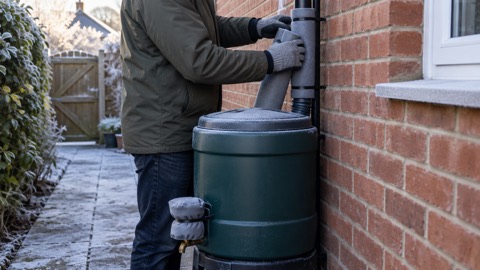 Rainwater Winter Checklist
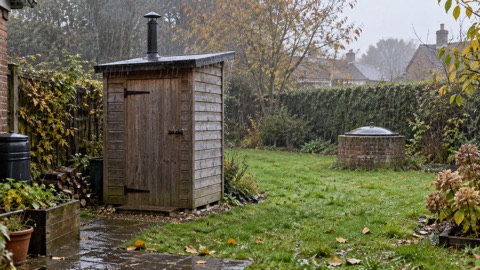 Composting Toilet Near Wells
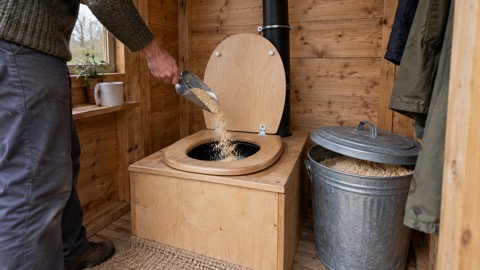 Flies in a Composting Toilet
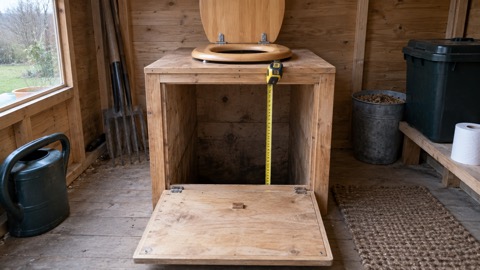 Composting Toilet Chamber Size
 Is Harvested Rainwater Safe
 Garden and Lawn Water Needs
 Grey Water Disposal Off Mains
 House With a Private Supply
 Rainwater Pipe Types and Labels
 Private Water Supply Visitors
 Rainwater Systems in a Power Cut
 Does Stored Rainwater Stagnate
 Underground Tank Dig Depth