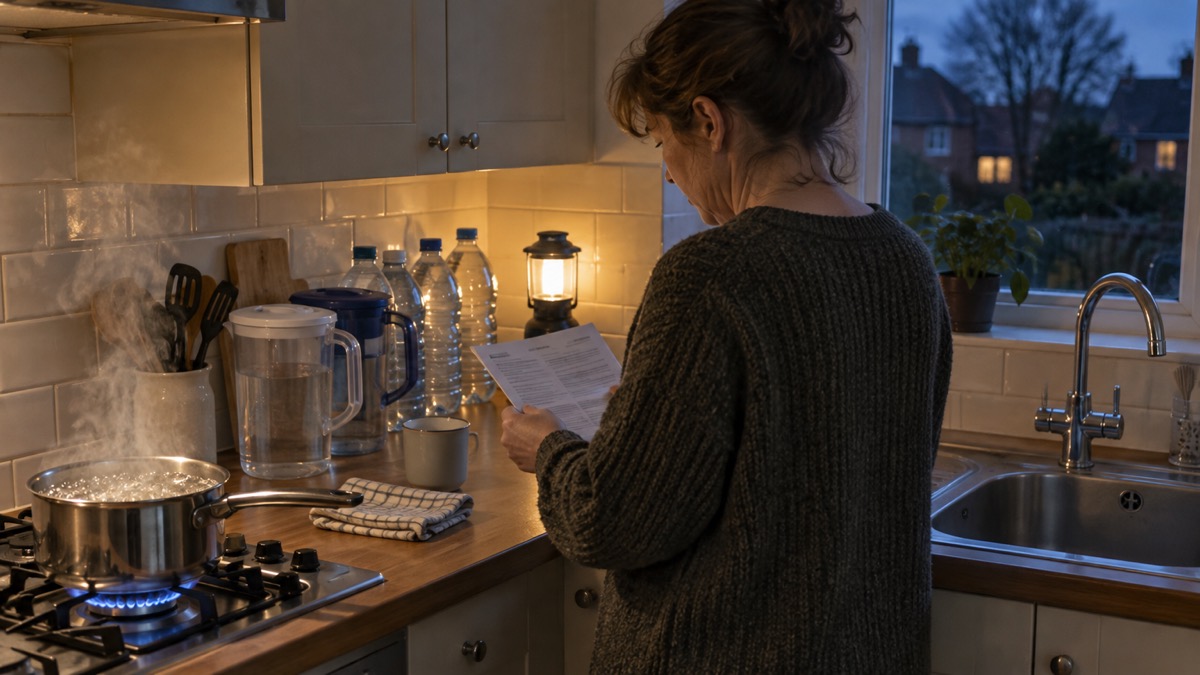
A boil water notice means the water coming out of your tap may no longer be safe to drink. Until your water company tells you otherwise, boil tap water before you drink it, brush your teeth with it, make ice cubes with it, prepare food with it, clean feeding equipment with it or give it to pets1. Bring it to the boil, let it cool, and keep it covered.
The notice is usually a precaution, issued while further water quality tests are carried out, and it will come to you in writing with instructions on what to do2. It is normally caused by weather emergencies or engineering works1. You do not need to boil water for washing or flushing, but you do need to be careful with anything that goes in a mouth, including a baby's bottle.
This page sets out what to boil and what to leave, how to boil and cool water safely, what to do about baby feeds, pets and open wounds, and how the notice will end. If you want the wider picture on storing and treating water at home, start with Water in an Emergency: A Household Guide.
What a boil water notice means
A boil water notice tells you that the water in your tap might contain bacteria, viruses or parasites which could be harmful to your health1. It is not a statement that the water is definitely contaminated. Wessex Water describes it as a precautionary measure to ensure your safety while further water quality tests are carried out, issued in writing and explaining what to do2. Dŵr Cymru Welsh Water says notices are issued when monitoring checks show the water supply may have fallen below usual high standards6.
The cause is usually a weather emergency or engineering works1. That matters for how you read the notice: a burst main or a treatment failure can let contamination into the pipes, and the company cannot yet prove the water is clean, so it asks everyone in the affected area to boil as a precaution until sampling confirms the supply is back to standard.
Not every notice is a boil notice. Water suppliers send different kinds of notice for different circumstances, and they are not interchangeable7. Southern Water lists five that could be issued: boil your tap water before use; do not use tap water for drinking or cooking; do not use tap water for drinking, cooking or washing; do not use tap water; and use tap water as normal8. If your notice says "do not drink" or "do not use", boiling is not the answer, and you should follow that notice instead. Our page on Do Not Drink and Do Not Use Notices explains the difference.
A boil notice is not a compensation event in itself. The Consumer Council for Water says you are not entitled to compensation simply because your area is subject to a boil water notice, though some compensation might apply if you are without water9.
Boil your water for drinking, food, baby feeds, teeth and ice
The list of what to boil is longer than most people expect, because it covers anything that goes into a mouth. The Drinking Water Inspectorate's advice is to boil water before you drink it, use it to brush your teeth, make ice cubes, prepare food, clean feeding equipment or give it to pets1. Public Health Wales puts it plainly: use only boiled water for drinking, brushing teeth and preparing food10.
That means:
- Drinking water and cold drinks, including squash and any water kept in a jug.
- Ice cubes, which are frozen tap water.
- Brushing teeth, and rinsing after brushing.
- Food preparation, particularly food eaten uncooked such as salads and fruit4.
- Baby feeds and feeding equipment, which must never be prepared with unboiled water5.
- Pet drinking water, because pets may be at risk too3.
If you are in any doubt during a flood or an incident, the same rule applies more widely: boil all water intended for drinking, brushing teeth, washing food and cooking11. Nottinghamshire County Council's advice for when water is needed urgently and you are unsure about its quality is either to boil your water before using it, or to use bottled water13.
How long to boil, and how to cool and store it
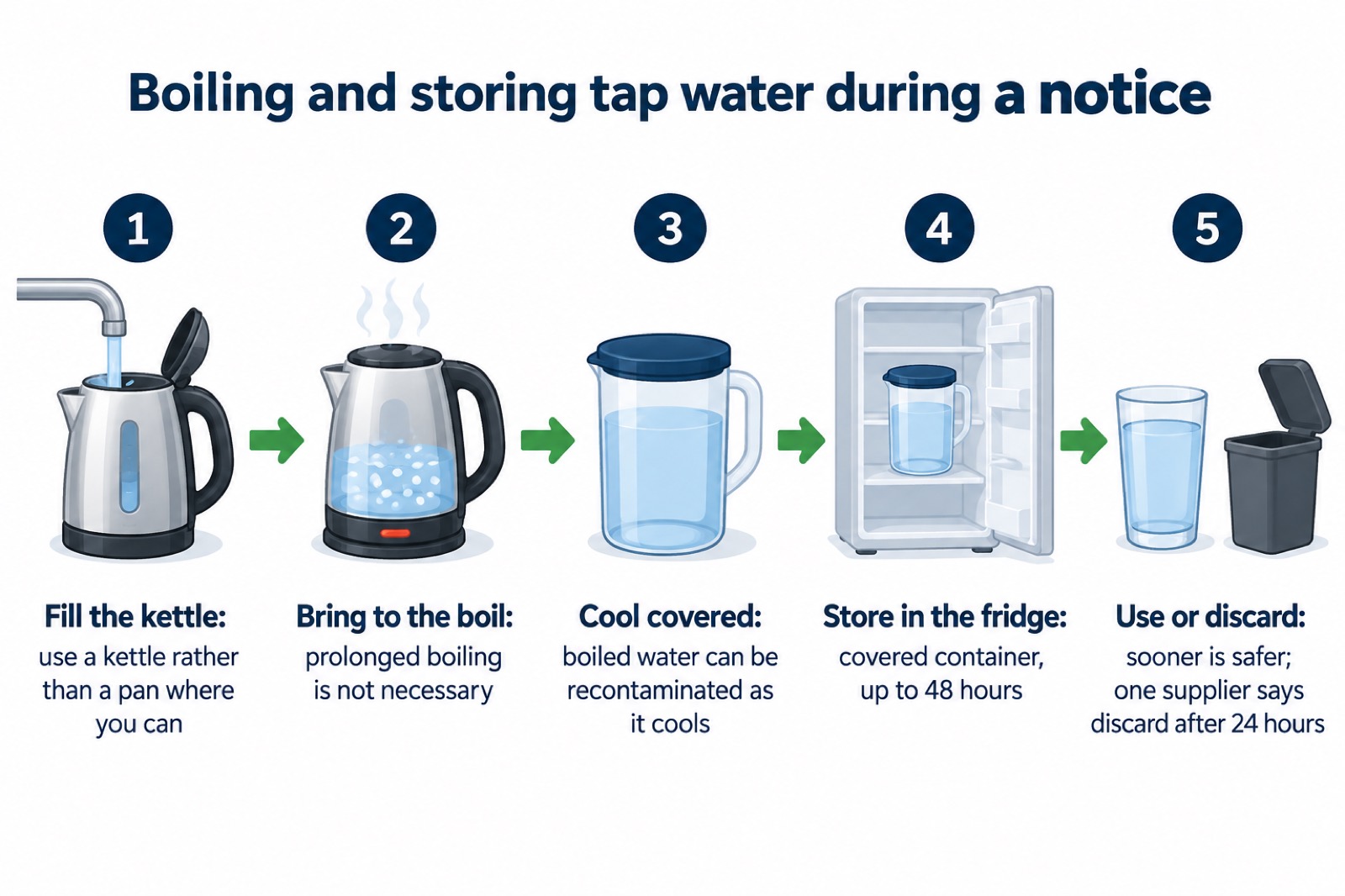
You do not need to boil water for minutes on end. Anglian Water's boil notice guidance is to simply bring the water to the boil and use or cool as required, and states that prolonged boiling is not necessary3. Bring it up to a rolling boil, then turn the heat off.
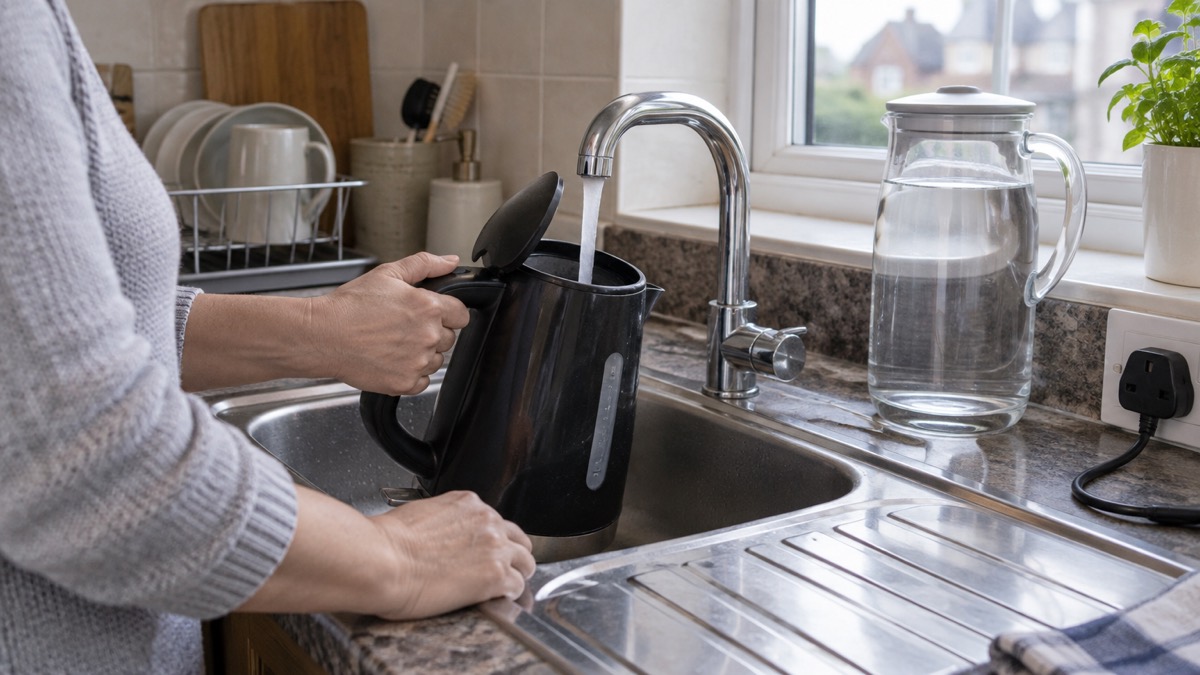
Cooling needs a little care, because boiled water can pick up contamination again as it cools. Government flood recovery guidance advises using it as soon as possible for that reason7. Once cooled, store it in a covered container in the fridge. Argyll and Bute Council, giving advice for private supplies, says water needs only to be brought to the boil and can then be stored in a covered container in the fridge for up to 48 hours4. United Utilities, writing about chlorine and taste rather than boil notices, advises storing cooled boiled water in a covered container in the fridge and discarding it if not used within 24 hours15. The two figures differ; if in doubt, use it sooner.
For more on the method itself, including what boiling does and does not kill, see Boiling to Kill Germs: How to Do It Properly. If you are storing cooled boiled water and wondering how long it keeps, How Long Can You Keep Boiled Water in the Fridge? goes into it further.
Baby feeds, open wounds and kitchen surfaces
Three groups need more than the basic rule.
Babies. The instruction is absolute: do not prepare baby feeds with water without boiling it first5. That covers the water used to make up formula and the water used to clean and sterilise feeding equipment1. If you cannot boil water, bottled water is the alternative, and our page on Babies and Formula Feeds When the Supply Is Off or Unsafe sets out how to manage.
Open wounds. Anglian Water recommends that cooled boiled water be used for bathing open wounds while a boil notice is in place3.
Kitchen surfaces. The same guidance recommends using water that has been boiled and then cooled for cleaning down food preparation surfaces3. This is about the surfaces where food is handled, not about general household cleaning.
For food and drink businesses, the advice is that all water for drinking and food preparation should be brought to the boil and cooled as necessary, that bottled water may be used as normal, and that fizzy drinks dispensers should not be used unless adapted to use sources other than tap water3.
Who issues the notice, and how you will hear about it
For a mains supply, the water company issues the notice to consumers in the affected area, instructing them to boil their water before use1. For a private water supply, the notice comes from your local authority1.
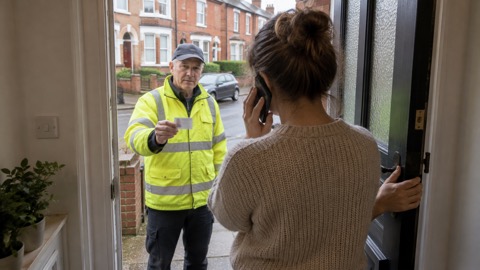
Water companies use several routes to reach you. Dŵr Cymru Welsh Water says a boiled water notice or do not drink notice will be issued directly to affected customers through text messaging, email and post, and will also appear on the company website homepage, social media channels and local press16. Northumbrian Water says boil water or do not use water advice will be sent by text message, letterbox notice, social media and local press17. If your property is in the affected area, you will be contacted directly by text and/or letter5.
That makes one preparation worth doing now: check that your water company holds a current mobile number and email address for your household, so a notice reaches you quickly rather than sitting in a letterbox. Our page on How Will My Water Company Contact Me in an Incident? covers this.
Private water supplies and boil notices
If your water comes from a well, borehole or spring rather than the mains, the arrangements are different. Your local authority regulates the supply and issues any notice1. If your water fails a test, you will be told what went wrong, you may need to boil water or stop using it, you will get advice on how to fix the issue, and you may receive a legal notice requiring improvements18.
Some private supply users are advised to boil routinely. Argyll and Bute Council recommends that people who are young, elderly, immune-compromised, or not used to normally consuming the water should always boil water used for drinking (including preparing cold drinks and ice), brushing teeth, and preparing food, particularly food eaten uncooked such as salads and fruit4. The same council advises that if you notice any changes to your supply, it is recommended that you boil the water before use, particularly for vulnerable groups19.
Flooding brings its own risk to private supplies. If you notice any changes to your supply, it is recommended that you boil the water before use, particularly for vulnerable groups such as the young, elderly, immune-compromised and those not used to normally consuming it20. If your supply fails a test you will be told what went wrong, you may need to boil water or stop using it, you will get advice on how to fix the issue, and you may receive a legal notice to make improvements21. The Drinking Water Inspectorate's case studies show how this works in practice: in one case the owner of a supply issued boil water advice to all the properties and began an investigation22.
If you rely on a private supply, our page on Private Supplies: Wells, Boreholes and Springs explains testing, treatment and what your council does.
Washing, bathing and pets
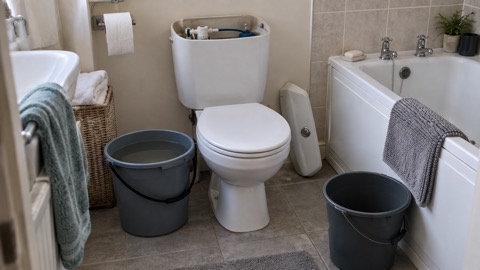
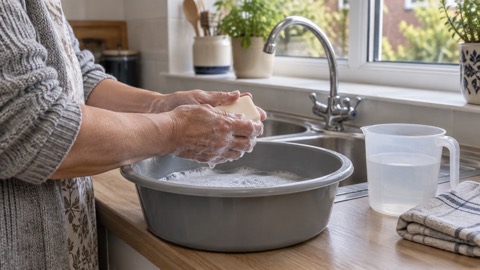
A boil water notice is about water you consume, not water you wash in. You can wash and bathe as normal, with the exception of open wounds, where cooled boiled water is recommended3. Take care with hot water bottles: fill them with warm water, never boiling water, to prevent scalds or burns14, and if you are using boiled water for one, allow it to cool for at least five minutes before pouring23.
Pets need thought. Anglian Water recommends that domestic pets are provided with cooled boiled water for drinking because they may be at risk too3. Fish keepers should not change the water in their fish tanks while the notice is in place3. Keep pet food and bottled water for pets in your household kit24, and if flooding is involved, keep pets away from floodwater and prevent them drinking it7. Our page on Pets and Animals in an Emergency covers the wider preparations.
Bottled water instead, and when the notice ends
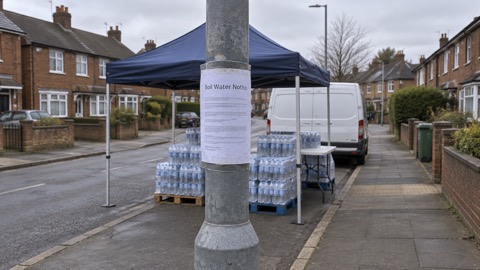
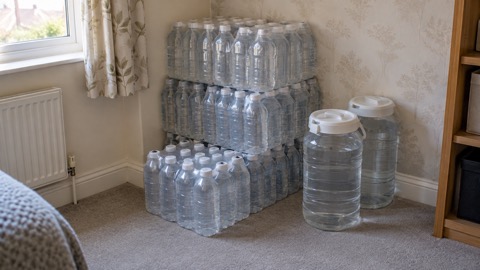
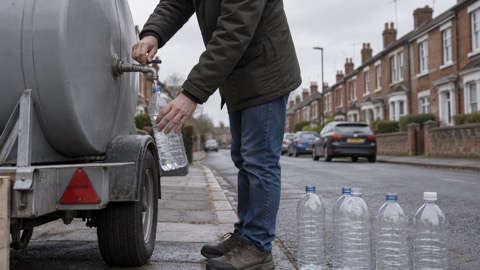
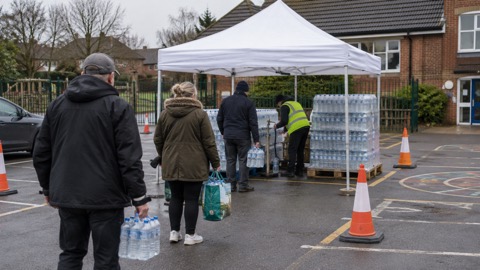
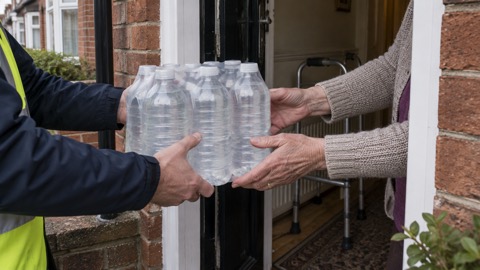
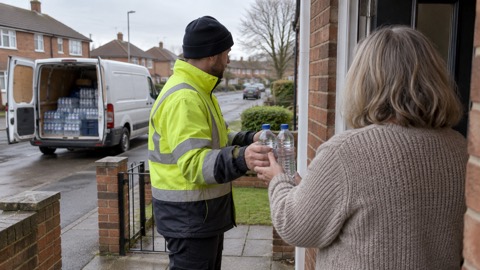
Bottled water is a sound substitute at any point during a notice. Anglian Water's guidance for food businesses states that bottled water may be used as normal3. If water is needed urgently and you are unsure about its quality, official flood guidance says either boil your water before using it, or use bottled water13. If there is no alternative, a water ampoule can be used25. Bottled water is also the practical answer for anyone who cannot boil water safely, and for baby feeds when boiling is not possible.
The notice ends when your water company says it does. Dŵr Cymru Welsh Water says that if your property is in the affected area, it will contact you directly by text and/or letter5. Do not assume the notice has lifted because the water looks or tastes normal, and do not switch back to unboiled tap water for drinking, teeth or food until you have been told. When the supply is confirmed safe, run the taps as your company advises and follow any flushing instructions; our page on What to Do When Your Supply Comes Back On sets out the steps.
For a sense of how long these things last, the Consumer Council for Water's research into incident response records a boil water notice lasting 3 days in one incident26. That is one example, not a rule: the length depends on the cause and on how quickly sampling confirms the supply is clean.
What to have ready before a notice arrives
You do not need much to get through a boil notice comfortably, but a few things make it easier. The government's Be Ready campaign advises households to think ahead about the emergencies most likely to affect them27, and its checklist includes pet food and bottled water24.
- A kettle you can rely on, and a lidded jug or container for cooling and storing boiled water in the fridge10.
- Bottled water, enough for drinking and for baby feeds if you have a baby13.
- Pet food and bottled water for pets24.
- A way to hear from your water company: a current mobile number and email on your account16.
- A note of your water company's incident page, so you can check updates16.
If you want a printable version of the steps on this page, use the Boil Notice Checklist for Your Home. For storing water more generally, see How Much Drinking Water to Store per Person and Storing Tap Water Safely at Home.
Sources (27)
- Receiving a boil water notice, Drinking Water Inspectorate, 2024-05-16
- Guidance for incidents, Wessex Water, 2026-10-28
- Boil notice FAQs, Anglian Water, 2023-07
- Private water supplies, Argyll and Bute Council, 2026
- Boil water notice, Dŵr Cymru Welsh Water, 2026-10-28
- Boil water notice (Welsh language), Dŵr Cymru Welsh Water, 2026-10-28
- How to recover from flooding, UK Government, 2023-12-19
- What happens when there's an incident, Southern Water, 2026-10-28
- What's a boil water notice?, Consumer Council for Water, 2023-02-23
- Weather and health, Public Health Wales, 2026-07-16
- Staying safe in a flood, Herefordshire Council, 2026-10-29
- Staying healthy and safe after flooding, Surrey County Council, 2026
- Flooding before, during and after: frequently asked questions, Nottinghamshire County Council, 2026-10-29
- Staying warm in winter, nidirect, 2026-10-06
- Chlorine and unusual taste or smell, United Utilities, 2026-10-28
- Help and support during an incident, Dŵr Cymru Welsh Water, 2026-10-28
- How we manage incidents, Northumbrian Water, 2026-10-28
- Types of private water supply, Cumberland Council, 2026
- Loss of supply for private water supply users, Argyll and Bute Council, 2026
- Flooding advice for properties using a private water supply, Shropshire Council, 2026-10-29
- Water safety plan approach to improving the safety of a private supply, Drinking Water Inspectorate, 2022-07-11
- Change of supply for long-term remediation, Drinking Water Inspectorate, 2017-12
- Burns prevention booklet 2024, Salisbury NHS Foundation Trust, 2024-12
- Be Ready checklist, UK Government, 2026-10-21
- Water risks message, NHS Scotland community pharmacy, 2024
- Overview of customer findings from research into incident response, Consumer Council for Water, 2024-08
- Be ready for emergencies, UK Government, 2026-10-21
 Supply Interruption Checklist
 Boil Notice Checklist
 Drinking Supply Checklist
 When Supply Is Restored
 Check for an Outage
 Report No Water or Burst Pipe
 Bottled Water Stations
 Bottled Water Delivery Help
 Flushing the Toilet in an Outage
 Washing Without Running Water
 Combi Boiler When Water Is Off
 Water Company Incident Alerts
 Checking a Water Company Caller
 Brown or Discoloured Tap Water
 Cloudy or Milky Tap Water