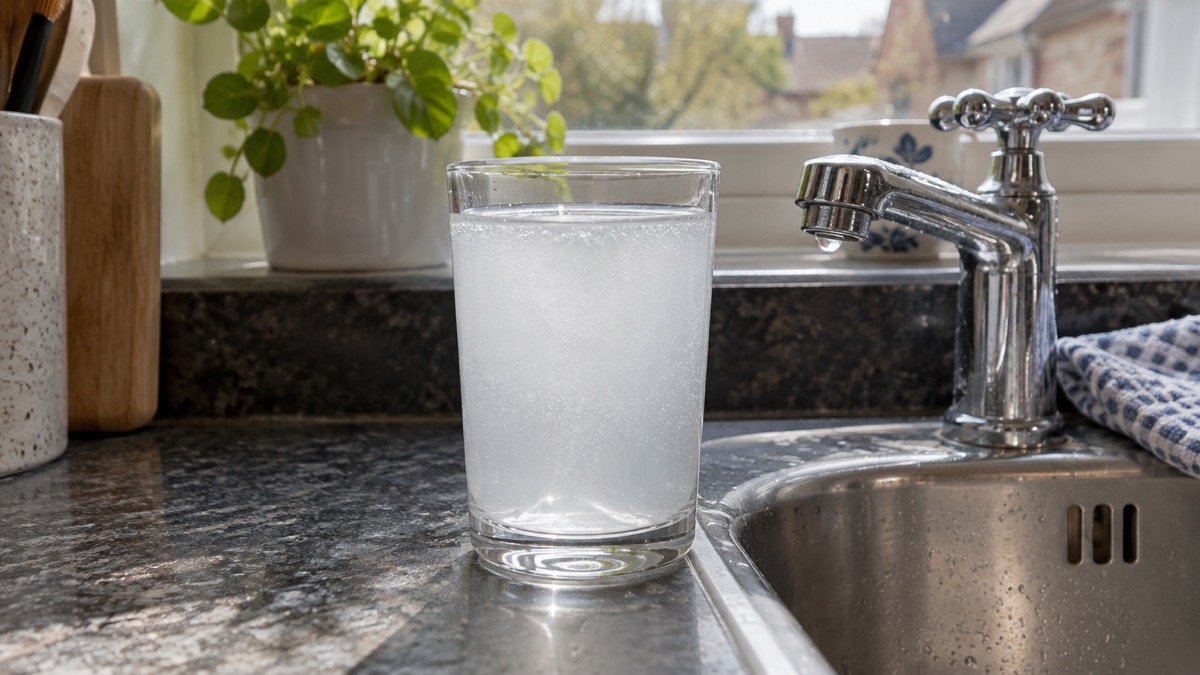
Cloudy or milky tap water is almost always tiny air bubbles trapped in the water, and it is not harmful to health1. The bubbles get in when a pipe bursts, when a main is repaired, when the water warms up in your pipework, or when a faulty tap washer draws air in1. The water is safe to drink, and it usually clears on its own.
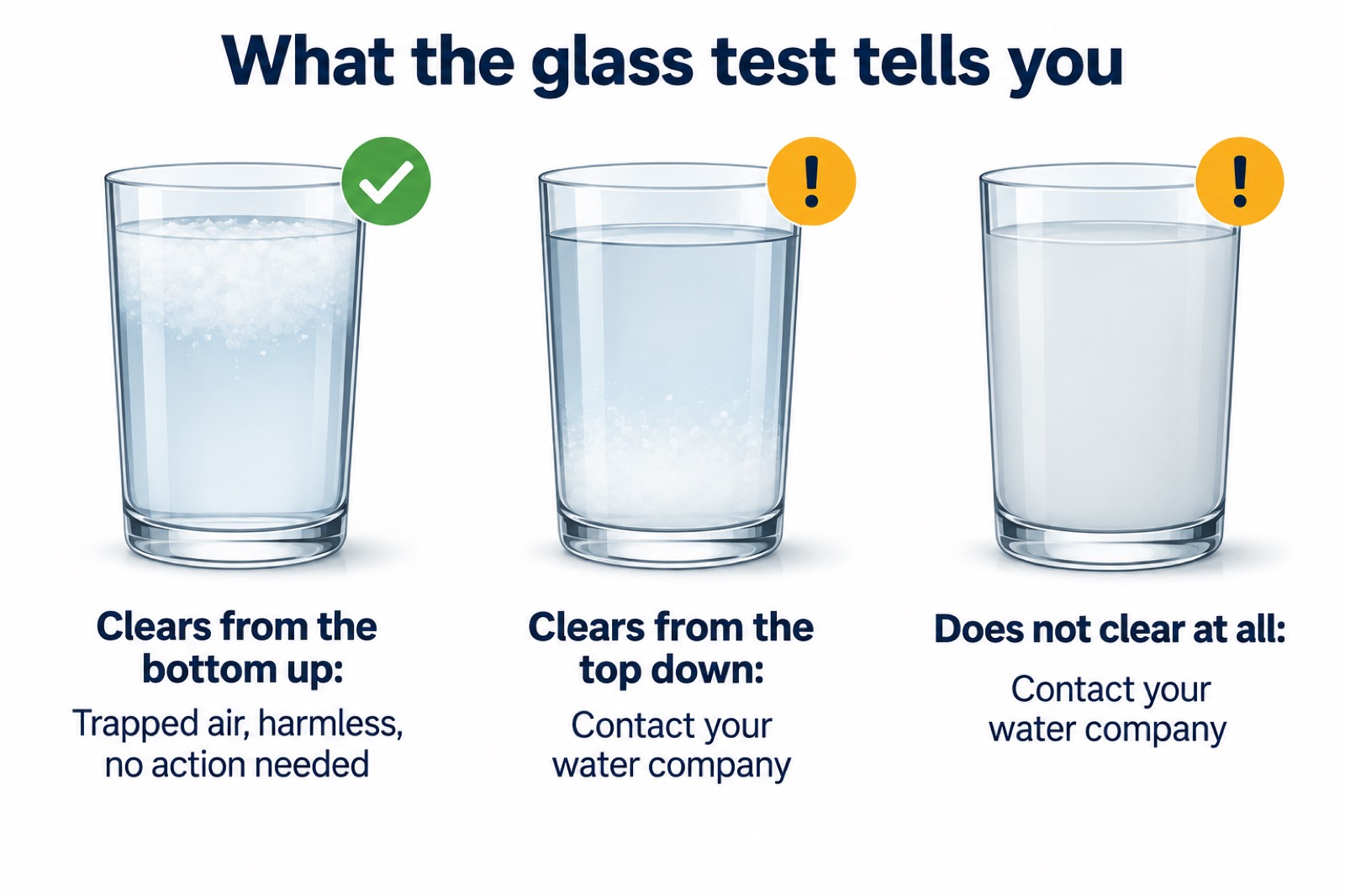
To check, fill a clear glass and leave it to stand for a few minutes. If the cloudiness clears from the bottom upwards, it is trapped air and nothing to worry about3. If it clears from the top downwards, or does not clear at all, the cause is more likely to be in the mains or your plumbing, and you should contact your water company5.
Most cases clear within 24 hours3. If yours has been cloudy for longer than a day, or your neighbours are affected too, ring your supplier and ask them to investigate5.
What causes milky or white tap water
Air gets into the water supply in several ways. The Drinking Water Inspectorate, the regulator for drinking water quality in England, says white or cloudy water is likely to be caused by air trapped in the water and is not harmful to health3. The same guidance lists the common triggers: a burst water main, reinstatement of a main after work on the network, cold water pipes warmed by heating or hot water pipes, a partially shut external or internal stop tap, or an aerator fitted to the tap3.
WaterSafe, the plumbing assurance scheme, adds that the air often follows a burst pipe or a faulty plumbing fitting1. Affinity Water says water warming in the pipework causes naturally dissolved air to come out, and that a faulty tap washer can draw air in2. Southern Water notes that disturbances or changes within the network can trap air in the system, which causes bubbly or cloudy tap water6.
In Scotland, the Drinking Water Quality Regulator for Scotland gives the same explanation: the usual cause of cloudy or milky water is air dissolved in the water supply, and when pressure is released by turning on a tap the air comes out of solution as many tiny bubbles10.
The bubbles are harmless. WaterSafe states plainly that cloudy water caused by tiny air bubbles is not harmful to health1, and Bristol Water describes it as completely harmless4.
The glass test: clears from the bottom up
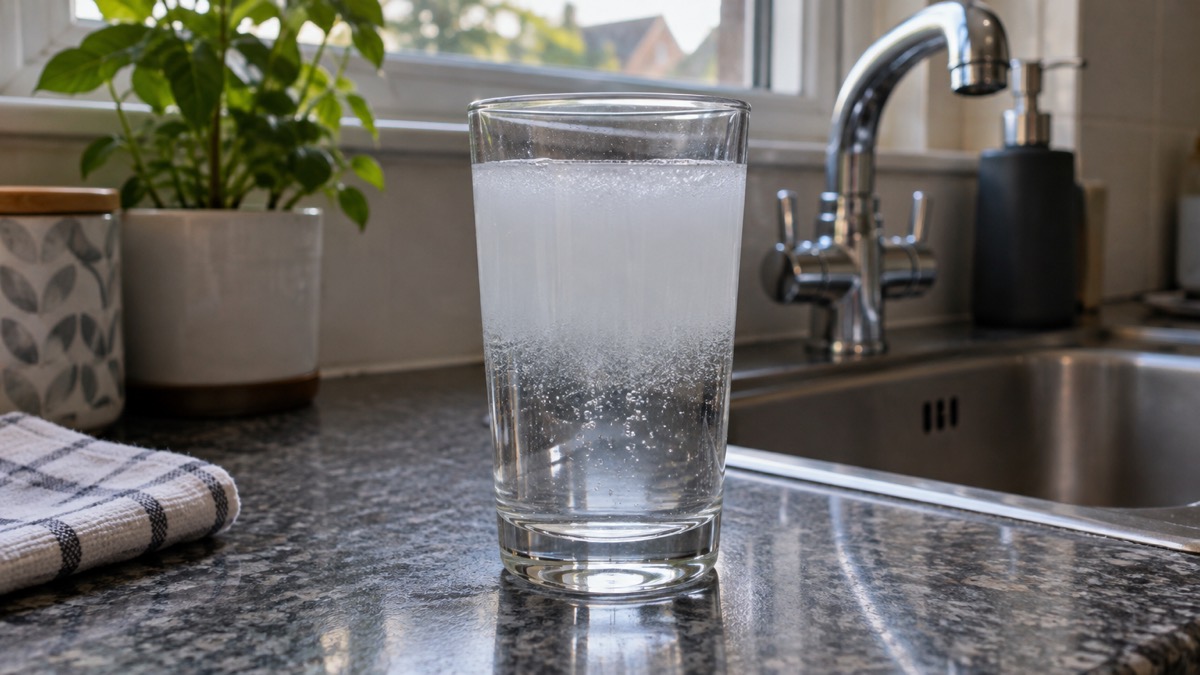
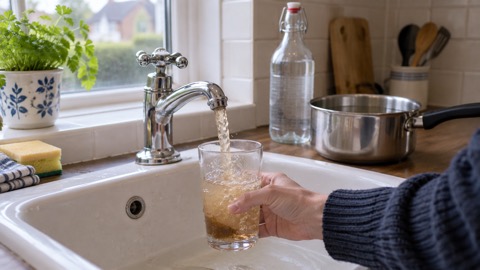
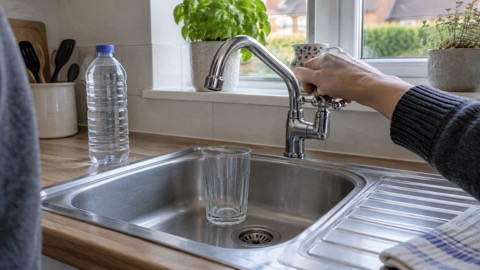
The test is simple and you can do it at the kitchen sink. Fill a clear glass with water and leave it to stand for a few minutes11. If the cloudiness clears from the bottom to the top, it is just trapped air and nothing to worry about11. The Drinking Water Inspectorate describes the same check: pour water into a glass and watch it clear from the bottom up3.
Several water companies give the same instruction. South Staffs Water says the glass should clear from the bottom upwards as the air bubbles rise to the surface12. Affinity Water says the water should clear from the bottom up, which shows it is air13. Scottish Water says you should see the air clear from the bottom up as the bubbles rise to the surface14.
The direction matters. Air bubbles rise, so the water clears from the bottom first. If a glass clears from the top downwards, that points to something else in the water, and Cambridge Water advises contacting your water company in that case5.
It should clear within 24 hours
Most cloudy water is short lived. The Drinking Water Inspectorate says cloudy water should normally clear within 24 hours3. Southern Water says water that looks white, milky or contains bubbles is harmless and should naturally clear within 24 hours6. Dwr Cymru, the water company for Wales, gives the same figure15, and Severn Trent says the bubbles should clear naturally within 24 hours16.
Thames Water gives a shorter timescale for the network itself: any white water in the mains should clear within two to three hours17. Bristol Water notes that if there is lots of air after work on pipes, it can make the water look white or milky, and this usually clears within a few days4.
While you wait, there are things you can do to speed it up. The Drinking Water Inspectorate says if the problem has been present for less than 24 hours, run the tap to help clear the water3. Yorkshire Water suggests running your tap for 5 minutes, and if that does not clear it, running the tap again while turning the internal stop tap on and off several times to release air from the pipes18. Northumbrian Water says you do not need to flush your taps; just leave the water to stand for a minute or two and the bubbles should clear9.
When only your home is affected: stop taps, washers and pipes
If the cloudiness is only at your taps and your neighbours are fine, the cause is probably inside your home. The Drinking Water Inspectorate says persistent cloudiness that runs clear after a few seconds each time, or that lasts longer than 24 hours, may indicate internal plumbing is the cause3.
Start with the stop taps. The Drinking Water Quality Regulator for Scotland says if only your household is affected, check that the internal and external stop taps are fully open, as throttled taps can restrict the flow and aerate the water10. Bristol Water gives the same advice4.
Next, the tap washer. Affinity Water says a leaking tap washer can cause cloudy water, and you may hear a whistling sound when you turn the tap on; replacing the washer is the fix13. The same guidance says if running the tap for a short time clears the cloudiness, you may need to lag your hot or cold pipes2.
Lagging matters because cold pipes can warm up. Yorkshire Water says if cold water pipes touch unlagged hot water pipes, the cold water can warm up and become cloudy18. Bristol Water says lagging your water pipes should help to minimise warming and transfer of heat4. The Met Office adds that good quality lagging protects pipes from freezing, helps insulate your hot water system and saves you money21.
| Check | What to look for | Who advises it |
|---|---|---|
| Internal and external stop taps | Fully open, not throttled | DWQR, Bristol Water10 |
| Tap washer | Whistling when the tap is turned on | Affinity Water13 |
| Hot and cold pipes | Cold pipes touching unlagged hot pipes | Yorkshire Water18 |
| Pipe lagging | Fitted to hot and cold runs | Bristol Water4 |
Still cloudy after a few days? Check your plumbing
If the glass test points to air but the cloudiness keeps coming back, work through the possibilities in order. Affinity Water suggests asking whether running the tap for a short time clears the cloudiness; if it does, you may need to lag your hot or cold pipes, and if taps are dripping or the flow changes solve the problem, try replacing the washers2.
Yorkshire Water lists faulty plumbing in your home as a cause, and says if the company is not working in your area, you should get an approved plumber to come and check what is going on18. Severn Trent says if you still get cloudy water after taking these steps, you could contact a local approved plumber16.
An approved plumber is one signed up to a recognised plumbing assurance scheme. WaterSafe runs the national register of approved contractors in the UK1.
If the problem is not in your home, it is in the mains, and that is your water company's job. Wessex Water says if the cold water kitchen tap is affected and your neighbours are experiencing the same issue, there could be a problem with the water mains, and you should contact the company to investigate7. Yorkshire Water says contact them after trying running the tap, turning the stop tap, asking neighbours and checking for work in the area18.
Cloudy water after a burst main or other work
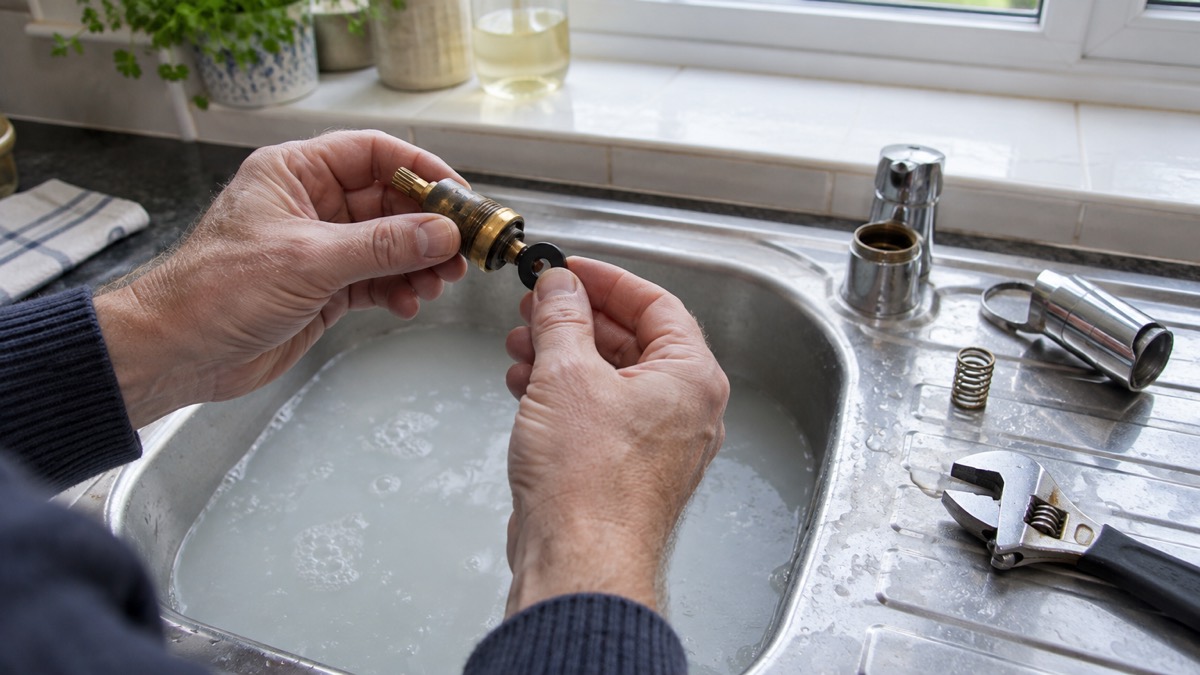
Cloudy water is common after an interruption to your supply, such as a burst water pipe1. The Drinking Water Inspectorate lists a burst water main and reinstatement of a main after work on the network as triggers for white or cloudy water3. Southern Water says after repairs you may notice your water looks cloudy; this is harmless and can usually be cleared by running your tap for a couple of minutes22.
Southern Water gives the same reassurance for work on the network: cloudy water after repairs is harmless and can usually be cleared by running the tap for a couple of minutes11.
If you are on a private supply rather than the mains, the same principles apply, but the responsibility for checking and fixing the supply sits with you rather than a water company.
Cloudy water after flooding
After a flood, it is natural to worry about the water. Belfast City Council's emergency planning guidance says mains tap water should not be contaminated after flooding22. The fire and rescue service advises contacting your water company if tap water is discoloured or tastes bad23.
Milky water after flooding is usually aeration. The Chartered Institute of Plumbing and Heating Engineering says milky-coloured tap water after flushing is probably due to turbulence in the water mains causing aeration, and if you leave the water to settle in a glass it should clear after a few seconds24.
If your water is cloudy for any other reason after a flood, or if it is discoloured rather than milky, treat it as a possible contamination issue and ring your supplier. For more on what to do when supplies are affected by flooding, see our guide to flooding.
Drinking cloudy water
If the glass test shows the cloudiness is air, the water is safe to drink. Essex and Suffolk Water states that cloudy water caused by air bubbles is safe to drink and not harmful to health8, and Northumbrian Water gives the same assurance9.
If you want to clear it before drinking, leave it to stand for a minute or two and the bubbles should clear9. South Staffs Water suggests running the kitchen tap and slowly opening and closing the inside stop tap a couple of times to release trapped air in the internal plumbing12.
If the water is cloudy and does not clear, or if it is discoloured rather than white, do not assume it is safe. Contact your water company and follow any advice they give. For the wider question of whether your tap water is safe, see Is Tap Water Safe to Drink?.
Neighbours affected too? When to ring your water company
If your neighbours' water is cloudy as well, the cause is likely to be in the mains rather than your plumbing. Cambridge Water advises contacting your water company if your water has been cloudy for more than a day or so and your neighbours are also affected, or if a glass of water clears from the top downwards5. Wessex Water says if the cold water kitchen tap is affected and neighbours have the same issue, there could be a problem with the water mains, and you should contact the company to investigate7.
When you ring, have these details ready:
- How long the water has been cloudy
- Whether it affects all taps or just one
- Whether the glass test clears from the bottom up or the top down
- Whether neighbours are affected
- Whether there has been recent work or a burst main in the area
If your supply has been off, our guide to what to do when your supply comes back on covers the first steps, and how to report no water or a burst pipe explains how to get through to your supplier quickly.
Sources (24)
- Why is my water cloudy or milky?, WaterSafe, 2026
- Water quality: appearance, Affinity Water, 2026
- White or cloudy water, Drinking Water Inspectorate, 2026
- Water appearance, Bristol Water, 2026
- Appearance of your water, Cambridge Water, 2026
- My water looks, smells or tastes unusual, Southern Water, 2026
- Water pressure, Wessex Water, 2026
- Discolouration, Essex and Suffolk Water, 2026
- Discolouration, Northumbrian Water, 2026
- White, cloudy or milky water, Drinking Water Quality Regulator for Scotland, 2026
- Discoloured water advice, United Utilities, 2026
- Appearance of your water, South Staffs Water, 2026
- Discoloured water, Affinity Water, 2026
- Water quality FAQs, Scottish Water, 2026
- Water appearance, Dwr Cymru Welsh Water, 2026
- My water looks unusual, Severn Trent, 2026
- After an incident happens, Thames Water, 2026
- My water is milky or cloudy, Yorkshire Water, 2026
- What happens when there's an incident, Southern Water, 2026
- How we manage incidents and support our customers, Affinity Water
- Protecting your property from winter weather, Met Office, 2026
- Flooding advice, Belfast City Council, 2026
- Flooding advice, Mid and West Wales Fire and Rescue Service, 2026
- Flooding, Chartered Institute of Plumbing and Heating Engineering, 2026
 Supply Interruption Checklist
 Boil Notice Checklist
 Drinking Supply Checklist
 Boil Water Notice Advice
 When Supply Is Restored
 Check for an Outage
 Report No Water or Burst Pipe
 Bottled Water Stations
 Bottled Water Delivery Help
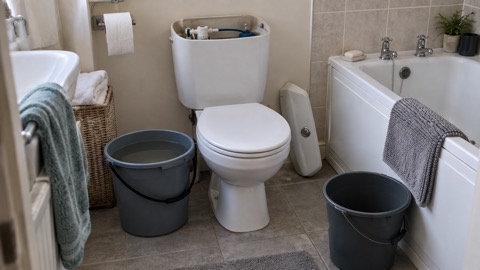 Flushing the Toilet in an Outage
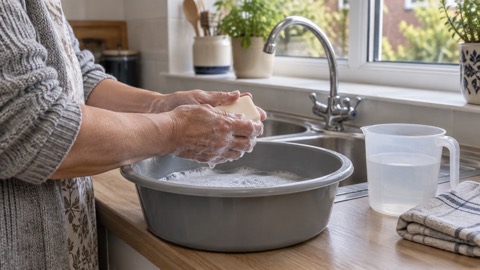 Washing Without Running Water
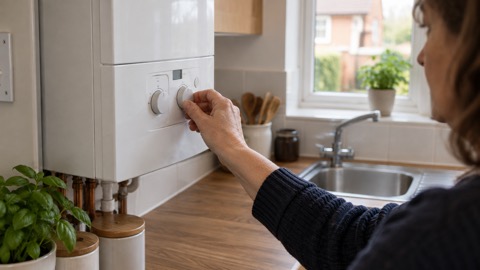 Combi Boiler When Water Is Off
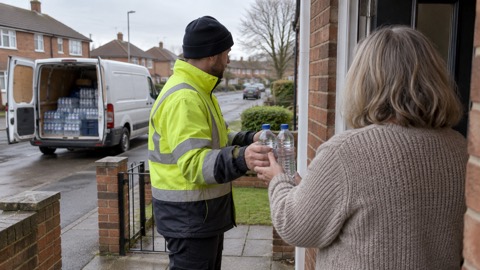 Water Company Incident Alerts
 Checking a Water Company Caller
 Brown or Discoloured Tap Water