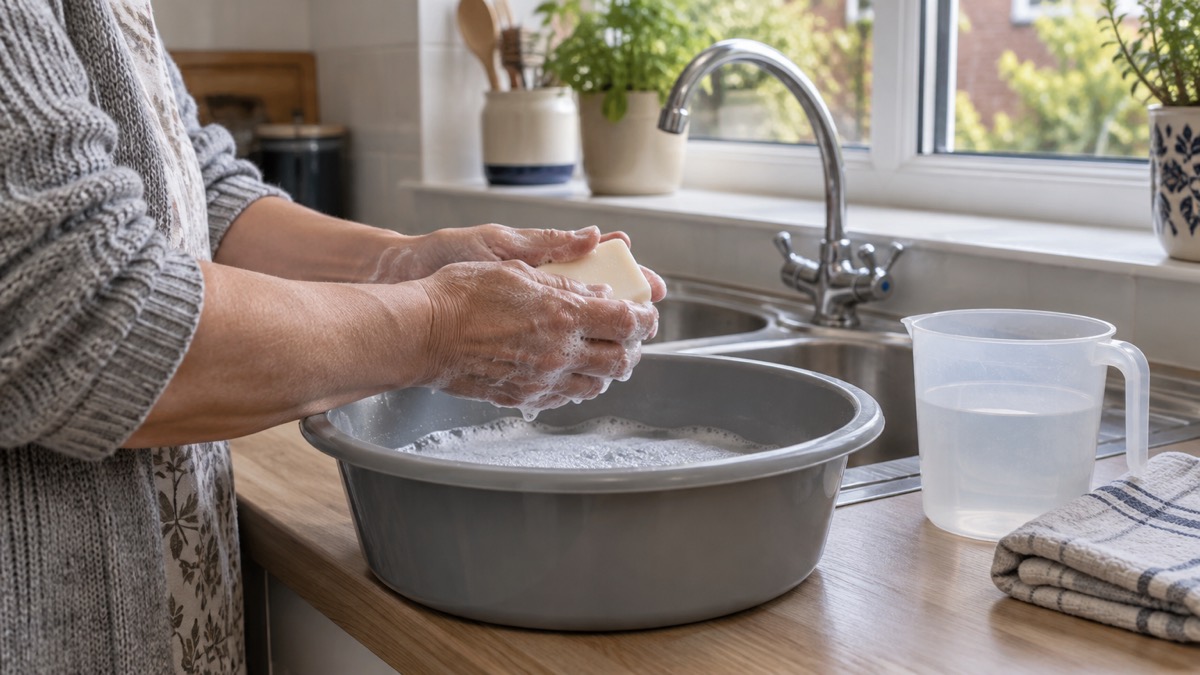
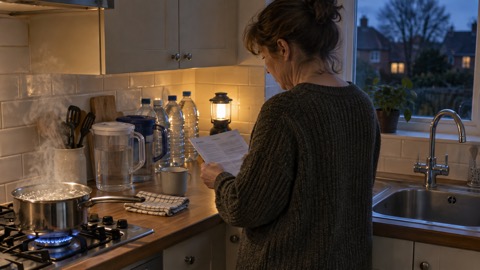
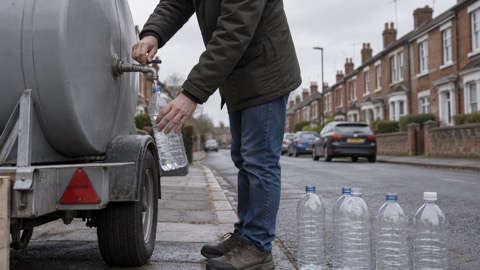
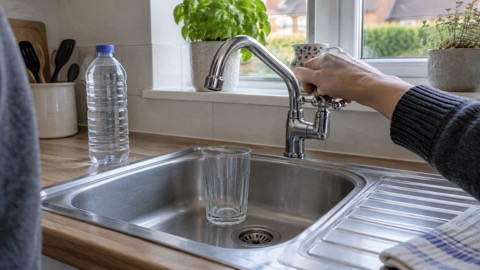
If the taps stop, the first thing to protect is your hands. Fill a large clean bowl, such as a washing up bowl, with water and add some soap or a household disinfectant, and wash your hands from that rather than under a running tap1. Keeping water use to a minimum will prolong whatever alternative supply you have, whether that is a tank, a bowser or bottles2.
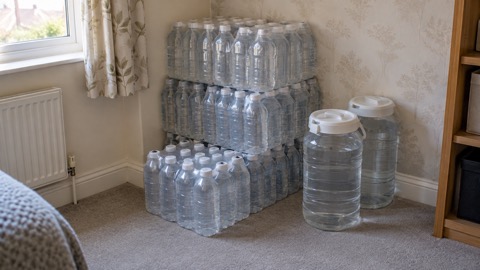
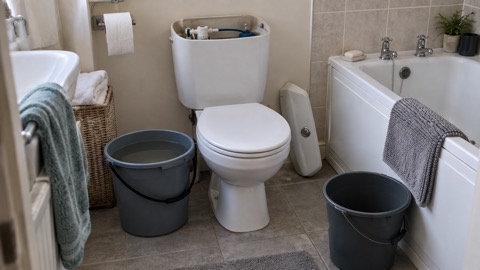
Next, separate your water into two jobs. Bottled or alternative supplies should be used solely for drinking, washing your hands and food preparation while the mains are off1. Water for washing bodies, dishes and clothes comes second, and can often be water you have already used once. Save the water from cooking and washing up for flushing the toilet3.
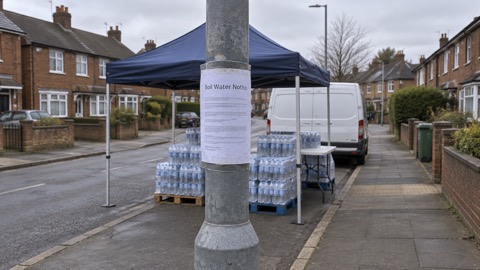
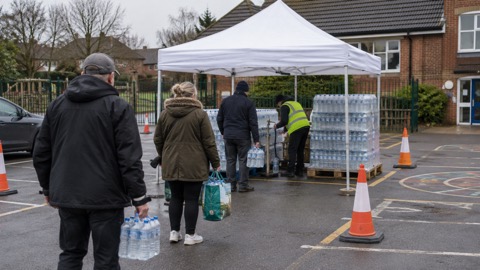
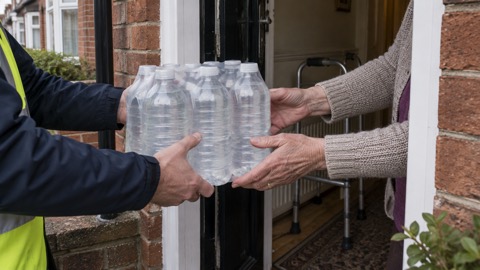
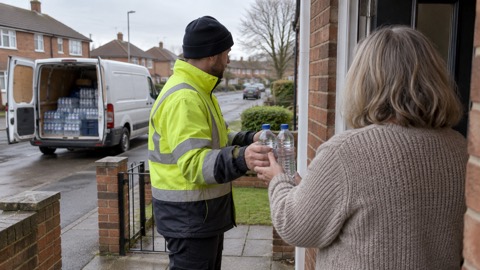
Then check where help is coming from. If you have no water, or have been asked not to use your water for an extended period, your water company may set up bottled water collection points, notified by text, call, social media and local press4. If getting to one would be difficult, the Priority Services Register can arrange an emergency water supply delivered to your home5.
Washing when the taps stop: what to do first
The order matters more than the method. Before you think about a full wash, secure your drinking water and your handwashing water, because those two protect health while everything else can wait a day or two.
If the interruption follows a leak or a burst, the first action is to turn off all water at the stop tap, sometimes called the stopcock8. Once you have turned it off, run cold taps and flush toilets to help drain your plumbing system more quickly9. That protects the property, and it also means any water still sitting in the pipes is accounted for rather than left to cause damage.
Then set up a washing station. A washing up bowl of water with soap or household disinfectant by the kitchen sink is the core of it2. Keep a second bowl or bucket for used water destined for the toilet6. If you have bottled water, keep it physically separate from the washing bowl so nobody mistakes one for the other.
Keeping hands clean with little or no water
Handwashing is the single most useful hygiene habit in an outage. Washing your hands with soap and water is one of the easiest ways to protect yourself and others from illnesses such as food poisoning, diarrhoea, flu and coronavirus10. Wash frequently with soap and water for at least 20 seconds, or use hand sanitiser if soap and water are not available7.
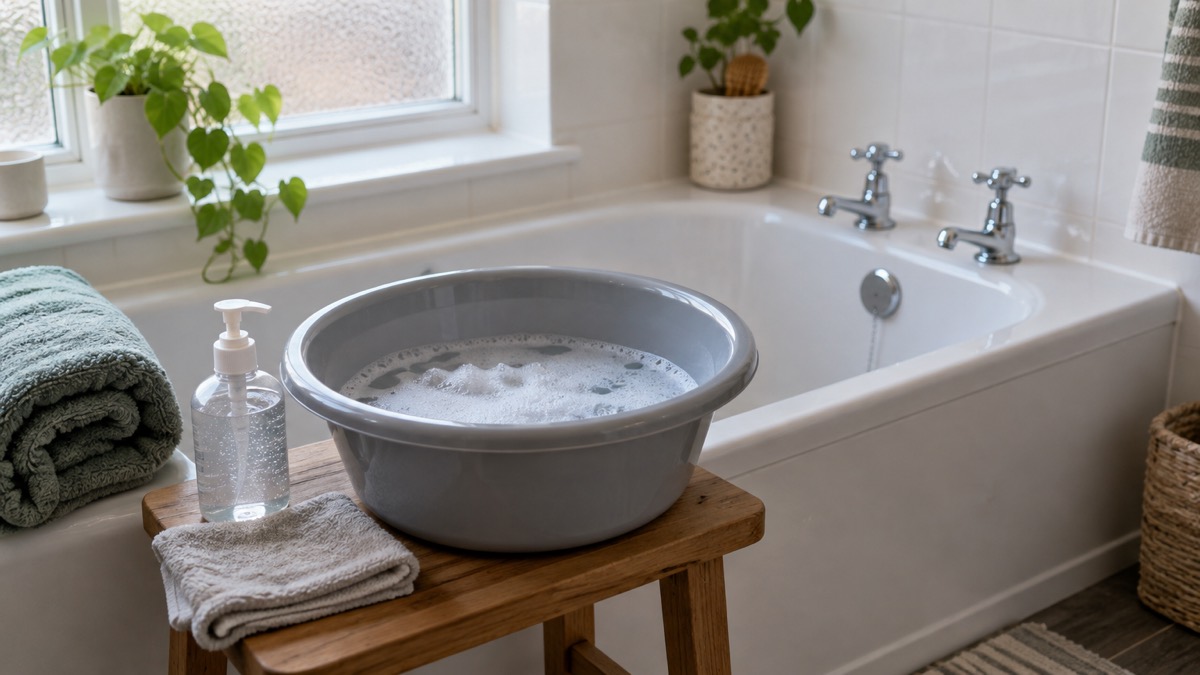
When there is no running water, the bowl method replaces the tap. Fill a large clean bowl with water and add some soap or a household disinfectant, and keep water usage to a minimum to prolong alternative sources such as water tanks2. Pour a little over your hands, rub for at least 20 seconds, and let the used water fall into a second bowl rather than back into the clean one.
Hand sanitiser has a specific job and a limit. It can be used to clean hands that are not visibly dirty if you do not have immediate access to soap and water7. If hands are visibly dirty, or have been handling food, soil or flood water, soap and water is the method to use.
Wet wipes and gels cover the gaps. If you have no running water, you can use alcohol gels or wet wipes to clean hands before handling food11. Hand sanitisers, baby or biodegradable wet wipes, or soap without water can be used to wash your hands12. For anyone who is immobile, wet wipes and hand gel belong in a grab bag so cleaning hands does not depend on reaching a basin13.
| Method | Best used for | Limit |
|---|---|---|
| Bowl of water with soap or household disinfectant | Washing hands when the mains are off | Keep water usage to a minimum to prolong alternative supplies2 |
| Hand sanitiser | Hands that are not visibly dirty, no soap and water to hand | Not for visibly dirty hands7 |
| Alcohol gel or wet wipes | Cleaning hands before handling food when there is no running water | A stopgap, not a substitute for soap and water11 |
| Soap without water | Washing hands where water is very scarce | Hand sanitisers or soap without water can be used, and baby or biodegradable wipes can help too12 |
A full wash from a bowl or bucket
A strip wash from a bowl is the practical answer for bodies, and it needs less water than a shower or bath. Use a washing up bowl rather than running a tap, and reduce shower time when the supply returns14. The same principle applies during an outage: a small bowl of warm water, a flannel and soap will keep a person clean without using a tank.
Work from clean to dirty. Wash the face and hands first, then the body, then feet, changing the water if it becomes visibly soiled. Keep a separate bowl or basin for dishes so that food residue and body washing do not share water. Wash dishes in a basin or bowl rather than under a running tap15.
For dishes, the Scottish food safety guidance is explicit: thoroughly clean all surfaces, equipment, crockery, cutlery and utensils in hot, soapy water, or use antibacterial spray or surface wipes if there is no access to clean water11. That covers the situation where the taps are off but you still need to prepare food.
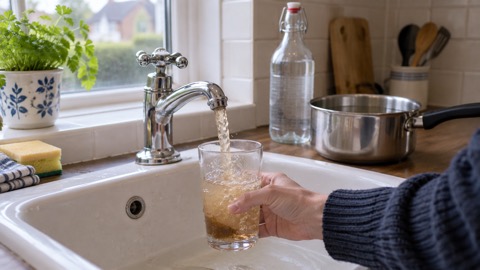
Cloudy water is not automatically a problem. If tap water looks white or milky, it is often because air comes out of solution as tiny bubbles when pressure is released by turning on a tap, and the cloudiness clears from the bottom of a glass upwards16. That is a different matter from water that is discoloured or smells, which is covered on our page about brown or discoloured tap water.
Water for washing: keep it separate from drinking water
The most important rule in an outage is that drinking water and washing water are different categories, stored and used separately. While there is no mains water supply, use alternative water supplies such as bottled water solely for drinking, washing your hands and food preparation1. That is a narrow list, and it deliberately excludes bathing, laundry and dishes.
Everything else can come from water you have already used or from supplies not intended for drinking. Save the water used for cooking and washing up for flushing the toilet6. Water used to wash vegetables can go on the garden or into the toilet rather than down the drain. Take showers instead of baths, turn taps off when brushing teeth, wash the car with a bucket not a hose, and re-use bath water where you can17. Not leaving taps running when cleaning teeth or washing vegetables is one of the simplest savings18.
Keep the two supplies physically apart. Store bottled drinking water in one place and label any container of washing water clearly. Never fill a drinking bottle from a bowl that has held soap, dishes or body washing. If you are unsure whether a supply is safe, treat it as washing water only and check our guide to do not drink and do not use notices.
Where washing water must never come from
Some water is never washing water, however short the supply. Flood water is the clearest case: it can carry contamination, and it should not be used on skin, dishes or clothes. The same caution applies to any water of unknown origin.
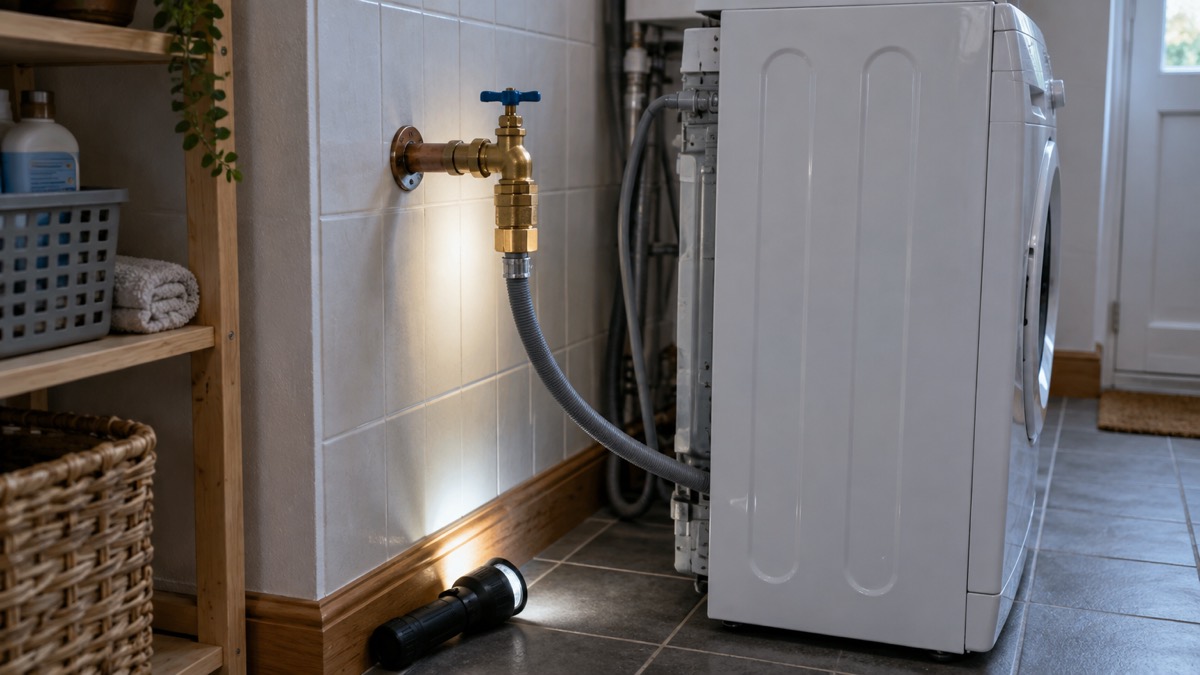
There is also a hidden route by which washing appliances can contaminate drinking water. All connections should include a non-return valve so that water standing in the hoses does not get drawn back into your drinking water20. If you are using a hosepipe, a washing machine connection or any appliance fed from the mains during an incident, that valve is what stops dirty water siphoning back into the supply you drink from.
That advice matters more during an outage, not less. A house with no water may have buckets, bowls and wet floors about, and a fire started by an unattended appliance in those conditions is harder to escape. Keep the washing machine and dishwasher off unless you are there to watch them.
Washing babies, children and clothes
Children need a different approach because they swallow water. If your water is not safe to drink, it is best not to use it to bath small children, because they may drink some of it. Use bottled water or baby wipes for a quick wash6. It is safe to use baby wipes for hand cleansing and keeping children clean19. If the drinking water is unsafe, do not use it to wash children; use tanker or bottled water19.
Feeding has its own rule. If you do not have gas or electricity to allow boiling, use unboiled bottled water (table, spring or mineral water) to make a baby feed, but you must give the feed to the baby immediately19. Our page on babies and formula feeds when the supply is off or unsafe covers the detail.
Hair is easier than it sounds. Dry or no-wash shampoo can be used to wash your hair until your supply returns12. If you are washing hair with a small amount of water, use simple soap or a mild shampoo, and do not use conditioner in a contamination incident, as it can bind contamination to hair25.
Clothes can wait for a short outage, but not after flooding. Wash clothes, bedding and soft toys using a hot machine wash at 60°C or as per the manufacturer's instructions26. When the machine is running again, washing at lower temperatures will lower your energy usage27, and only use the washing machine and dishwasher if you have a full load, using the eco mode if available, which uses less water and saves energy28.
| Item | What to do | Why |
|---|---|---|
| Baby or small child | Bottled water or baby wipes for a quick wash; do not bath in unsafe water6 | Children may drink the water19 |
| Baby feed | Unboiled bottled water if you cannot boil, given immediately19 | No safe way to boil during a power cut |
| Hair | Dry or no-wash shampoo; simple soap or mild shampoo, no conditioner in a contamination incident12 | Conditioner can bind contamination25 |
| Clothes after flooding | Hot machine wash at 60°C or per manufacturer instructions26 | Flood contamination needs a hot wash |
| Everyday laundry | Full loads, eco mode, lower temperatures27 | Saves water and energy |
Help during a supply interruption and priority services
You are not expected to manage alone. Water companies plan for interruptions and provide help, and the Priority Services Register is the route to it. It is a free service providing extra advice and support, including when there is an interruption to your electricity, gas or water supply5. It can help you, the people you live with, or anyone you know who might need a bit of extra support during a supply interruption29.
What the register gives you is practical. Support may include access to bottled water during a water supply interruption, priority assistance, and tailored support if there is a power or gas outage30. For water specifically, you can register for the water company to deliver an emergency supply of water in the event of supplies being unexpectedly interrupted if you would find it difficult to get to a collection point, and you do not have to wait for your supply to be interrupted to register31. It also covers an emergency water supply if you have no water and cannot get to a collection point or need it for medical reasons31.
If you are not on the register, bottled water stations are the fallback. If you have no water, or the company has asked you not to use your water for an extended period, it may provide bottled water collection points at various locations, notified by text, call, social media and local press4. Companies also set up water stations in the area during a supply interruption29. Our page on where bottled water stations are set up explains what to expect.
For the wider picture of how companies respond, see how water companies respond to a major incident, and for the household checklist that goes with this page, see the supply interruption checklist.
Sources (31)
- Water supply interruptions or outages, Prepare (UK Government), 2026-10-12
- Loss of essential services, Greater Manchester Combined Authority, 2026-10-29
- Weather and health - Public Health Wales, Public Health Wales
- Emergency Guide, Cambridge Water
- Priority Services Register, Basingstoke and Deane Borough Council, 2026-10-29
- Infectious disease and pandemics, West Yorkshire Prepared, 2026-10-29
- Infectious disease outbreaks, Prepare (UK Government), 2026-10-12
- What should I do if I find a leak in or around my home or business?, WaterSafe, 2026-10-29
- WeatherReady weather hacks, Met Office, 2026-10-26
- Stay well in winter, Met Office, 2026-10-28
- Flooding food safety advice, Food Standards Scotland, 2026-10-25
- How to prepare for an incident, Thames Water, 2026-10-28
- Planning ahead, Torbay and South Devon NHS Foundation Trust, 2025-10-21
- Keeping your home warm, Frimley Healthier Together, 2026-10-25
- Hot weather, Ready Scotland, 2026-03-24
- White, cloudy or milky water, Drinking Water Quality Regulator for Scotland, 2026-10-28
- Drought planning and management, Natural Resources Wales, 2026-10-29
- Loss of supply for private water supply users, Argyll and Bute Council, 2026
- Keeping children safe during flood, nidirect, 2025-12-09
- TCP or medicinal taste and odour, Drinking Water Inspectorate, 2026
- Fire safety checklist, Devon and Somerset Fire and Rescue Service, 2026
- White goods, Cheshire Fire and Rescue Service, 2026-05-20
- Advice for parents and guardians, Devon and Somerset Fire and Rescue Service, 2026
- Bedtime routine, Greater Manchester Fire and Rescue Service, 2026-10-29
- What to do in a radiation emergency, UK Government, 2024-09-10
- Clearing flood, Oxford City Council, 2026-10-29
- Home improvements, Met Office, 2026-10-28
- Droughts, Prepare (UK Government), 2026-10-19
- Supply interruptions, Severn Trent Water, 2026
- Wellbeing and safety, Surrey County Council, 2026-10-28
- Priority services, Consumer Council for Water, 2026-07-08
 Supply Interruption Checklist
 Boil Notice Checklist
 Drinking Supply Checklist
 Boil Water Notice Advice
 When Supply Is Restored
 Check for an Outage
 Report No Water or Burst Pipe
 Bottled Water Stations
 Bottled Water Delivery Help
 Flushing the Toilet in an Outage
 Combi Boiler When Water Is Off
 Water Company Incident Alerts
 Checking a Water Company Caller
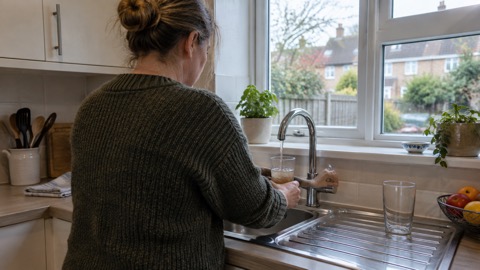 Brown or Discoloured Tap Water
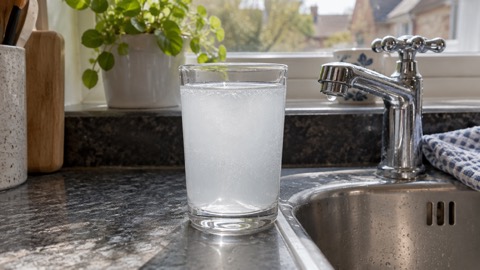 Cloudy or Milky Tap Water