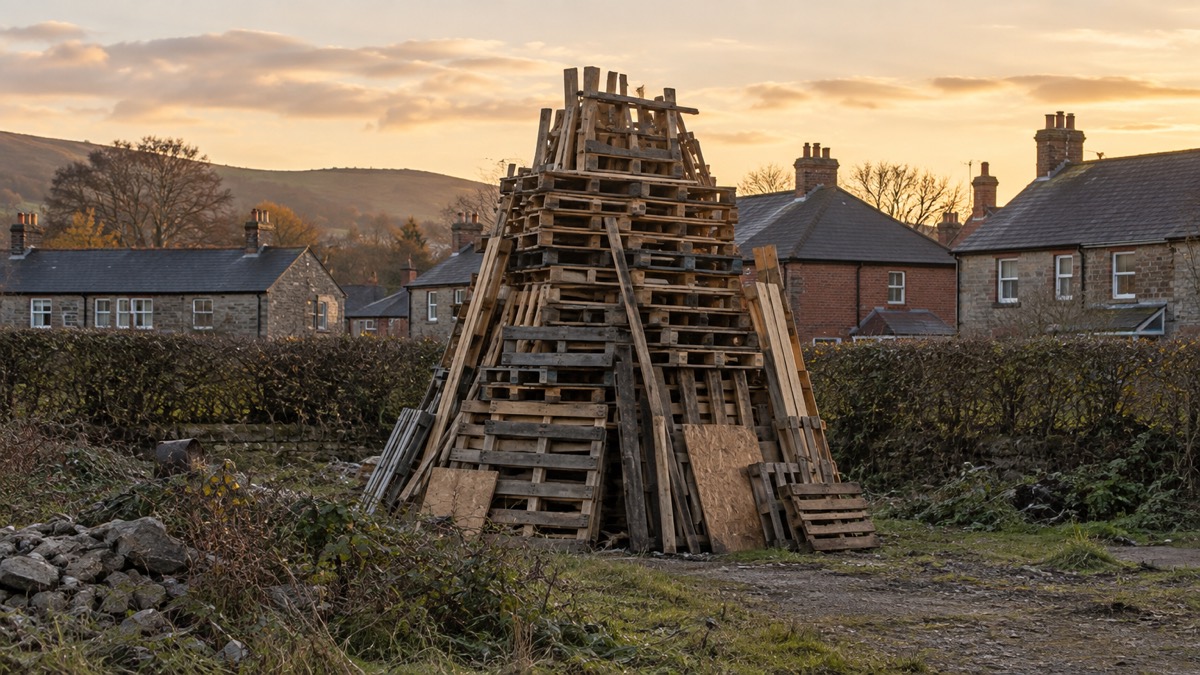
North Wales Fire and Rescue Service, the Welsh Ambulance Services University NHS Trust and North Wales Police issued a joint appeal on 30 October 2026 to help keep people safe during the bonfire and fireworks season1. The fire service published the appeal under the heading "Show some respect this Bonfire Night"1.
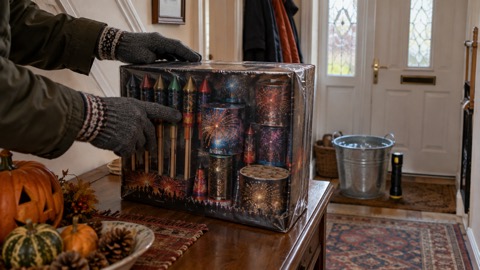
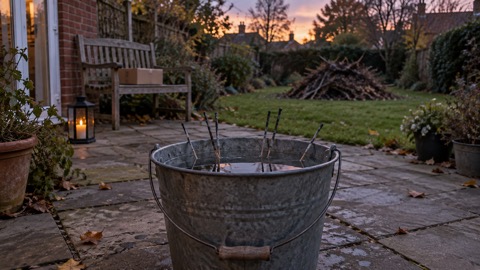
Paul Kay, Head of Fire Safety for North Wales Fire and Rescue Service, said the number of incidents involving fireworks and bonfires that crews attend "has reduced dramatically as the public have listened to our plea to attend organised displays rather than setting off their own fireworks at home"1. The service lists the organised displays it is supporting in North Wales on its website1. Its advice for anyone setting off fireworks or having a bonfire includes planning the display to finish before 11pm, buying only fireworks carrying the CE mark, keeping them in a closed box and using them one at a time, lighting at arm's length with a taper and standing well back, never returning to a firework once lit, and never using paraffin or petrol on a bonfire1. It also advises making sure the fire is out and the surroundings safe before leaving1.
Judith Bryce, Assistant Director of Operations for the Welsh Ambulance Services University NHS Trust, said many of the injuries seen, particularly burns, are "entirely preventable"1. The trust's first aid advice for a burn is to get the person away from the heat source, cool the burn with lukewarm or cool water for 20 minutes, remove clothing or jewellery near the burnt area, keep the person warm, cover the burn with a layer of cling film or a clean plastic bag, and use painkillers such as paracetamol or ibuprofen1. It directs people to the burns and scalds page on the NHS 111 Wales website, says the emergency department is for severe trauma, injuries or illnesses, and that 999 should be called only for serious or life-threatening emergencies1. Bryce said that if staff feel threatened they may be forced to withdraw from a scene, delaying care for the patient and putting others at risk1.
On the law, the fire service states that fireworks must not be set off between 11pm and 7am, with exceptions1:
| Occasion | Cut off time |
|---|---|
| Bonfire Night | Midnight |
| New Year's Eve, Diwali and Chinese New Year | 1am |
The service also asks people to tell neighbours if they plan to let off fireworks, to avoid buying really noisy ones, and to make sure the noise is over by 11pm, noting that fireworks can frighten people and animals and that the elderly and children are frequently scared and intimidated by firework noise1. Chief Inspector Siobhan Edwards of North Wales Police said the majority of people enjoy this time of year sensibly and that a minority use the period as an excuse to commit crime and act anti-socially1. She said police teams, alongside partners, will be out and about across the region helping to educate, reassure and keep communities safe, and that demand on emergency services rises significantly at this time of year1. The force asks people to register for Community Alerts to stay updated1.
Why it matters for households
The appeal applies to households in North Wales, where the three services cover fire, ambulance and policing. Bonfire Night is described as one of the busiest evenings of the year for emergency services1. The fire service's advice covers the period before and during private displays and bonfires, including the 11pm noise cut off and the later legal cut off of midnight on Bonfire Night itself1. The ambulance trust's advice covers the first minutes after a burn, which it says can reduce its severity1. The police ask people to contact the most relevant agency by the most appropriate means so that emergency lines stay free for those who need them most1.
What happens next
The appeal was published on 30 October 2026, ahead of Bonfire Night1. The fire service points households to its list of organised displays in North Wales, and the police ask people to register for Community Alerts for updates1. No further dates are given1.
Households planning private displays can read the guide to fireworks, sparklers and bonfires, and the home emergencies hub covers wider household planning. How crews respond to a call is set out in how fire and rescue services respond, and alarm rules and fire services in Wales are covered in Wales and Northern Ireland.
Sources (1)
- Show some respect this Bonfire Night - News - North Wales Fire And Rescue Service, northwalesfire.gov.wales
 Fireworks and Bonfire Safety