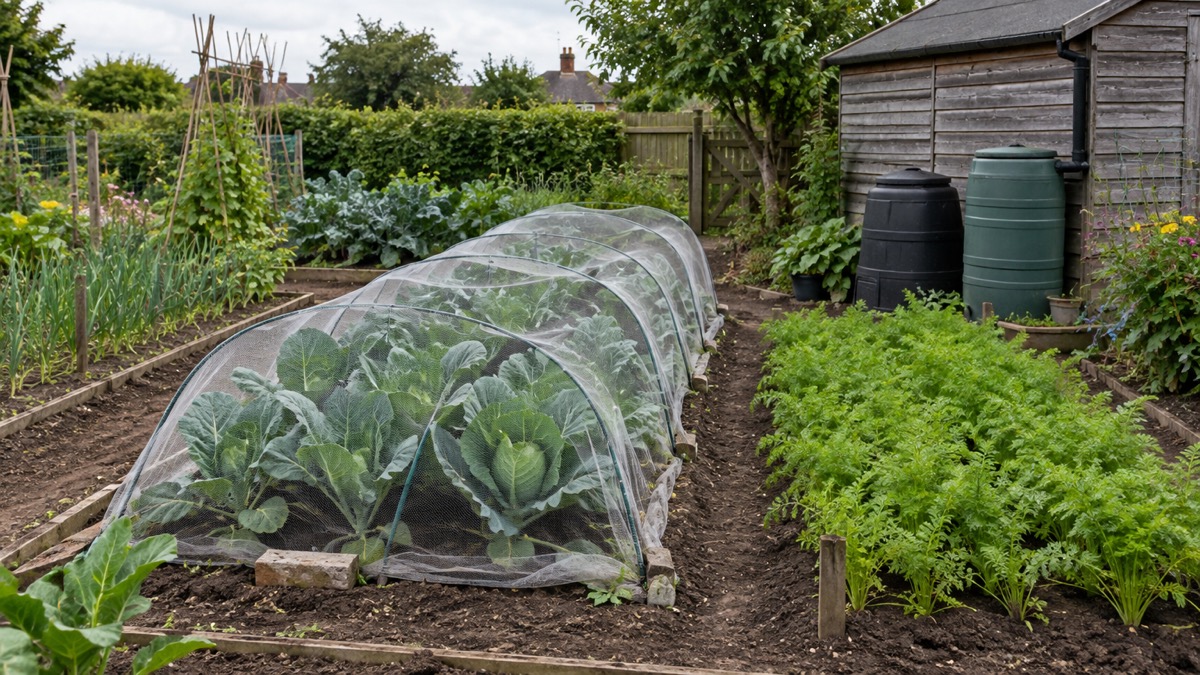
Most vegetable pests and diseases that trouble UK gardens cannot be cured once they have taken hold, so nearly all of the useful work is prevention: rotation, liming, netting, hygiene and care with bought-in plants. Clubroot is the clearest example. There are no chemical controls available to gardeners to treat it, and once it takes hold it is very difficult to get rid of1. The same logic runs through this whole page: keep problems out of your soil, because you cannot reliably get them out again.
The two figures most worth remembering are the liming rates for acid soil, 500g per square metre, followed by lighter dressings of 270g per square metre in future years1, and the infection window for clubroot, which runs from mid-summer until late autumn1. Around those, this page covers how to recognise the main problems, how to plan a rotation so diseases die off between crops2, how to time sowing against carrot root fly3, and how to harvest and store crops without opening the door to rot4.
Clubroot: recognise it, and accept that there is no cure
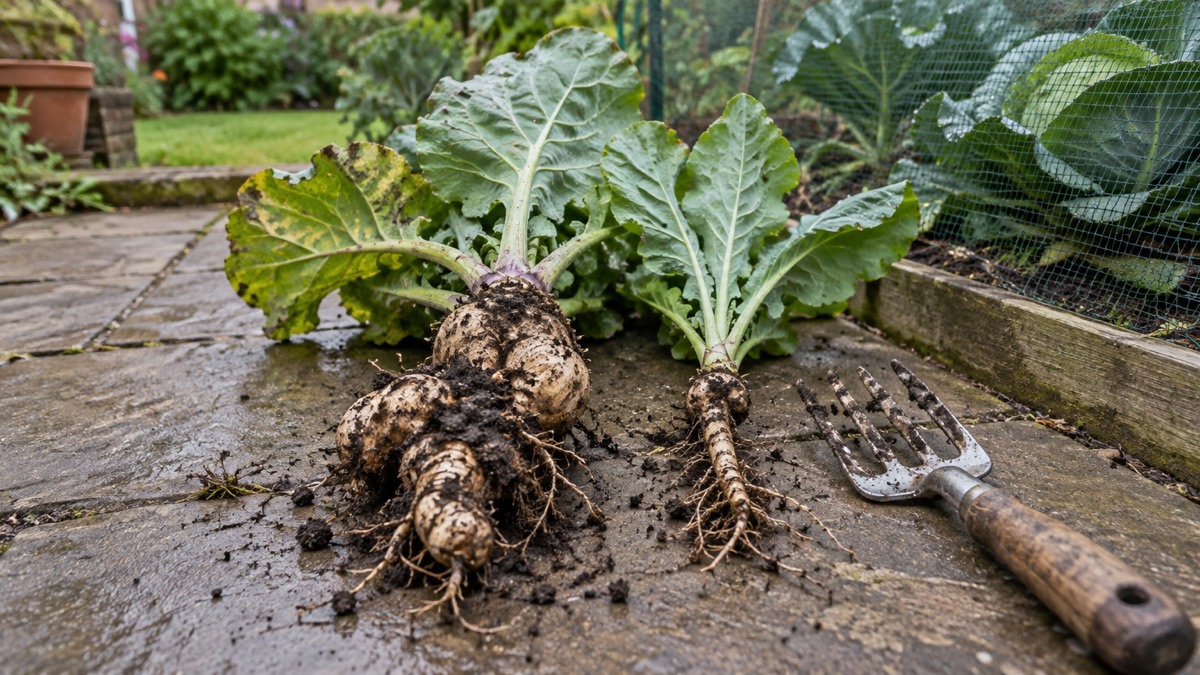
Clubroot is an infection of the roots of brassicas and related plants by a soil-dwelling micro-organism related to the slime moulds1. It lives in the soil and attacks from below, which is why the damage is often well advanced before anything looks wrong above ground. The roots swell and deform, and the plant's growth stalls: the classic symptoms are massive swelling, distortion and severely retarded growth of the roots1. A plant that sits still while its neighbours grow away, or that wilts in warm weather despite damp soil, is worth lifting gently and inspecting.
The range of plants it affects is wider than many gardeners expect, and this matters for both prevention and rotation. It affects cabbages, cauliflowers, turnips, swedes and radishes, and also ornamental relatives such as wallflowers (Cheiranthus), stocks (Matthiola) and aubretia (Aubrieta), as well as cabbage-family weeds such as shepherd's purse (Capsella bursa-pastoris)1. That last group is the quiet danger: a bed that has grown no vegetables for years can still be carrying clubroot if wallflowers were grown in it or shepherd's purse has been allowed to seed.
| Plant group | Examples affected by clubroot |
|---|---|
| Vegetables | Cabbages, cauliflowers, turnips, swedes, radishes1 |
| Ornamentals | Wallflowers (Cheiranthus), stocks (Matthiola), aubretia (Aubrieta)1 |
| Weeds | Shepherd's purse (Capsella bursa-pastoris) and other cabbage-family weeds1 |
The hard truth is that there is no treatment. There are no chemical controls available to gardeners to treat clubroot, and once clubroot takes hold it is very difficult to get rid of1. If it appears on your plot, the practical response is containment: do not move infected soil around the garden on boots, tools or roots, remove and destroy affected plants rather than composting them in a way that spreads soil, and stop growing brassicas in that bed. Our page on what to do if your soil has clubroot goes into the options for living with it.
When clubroot infects: mid-summer to late autumn
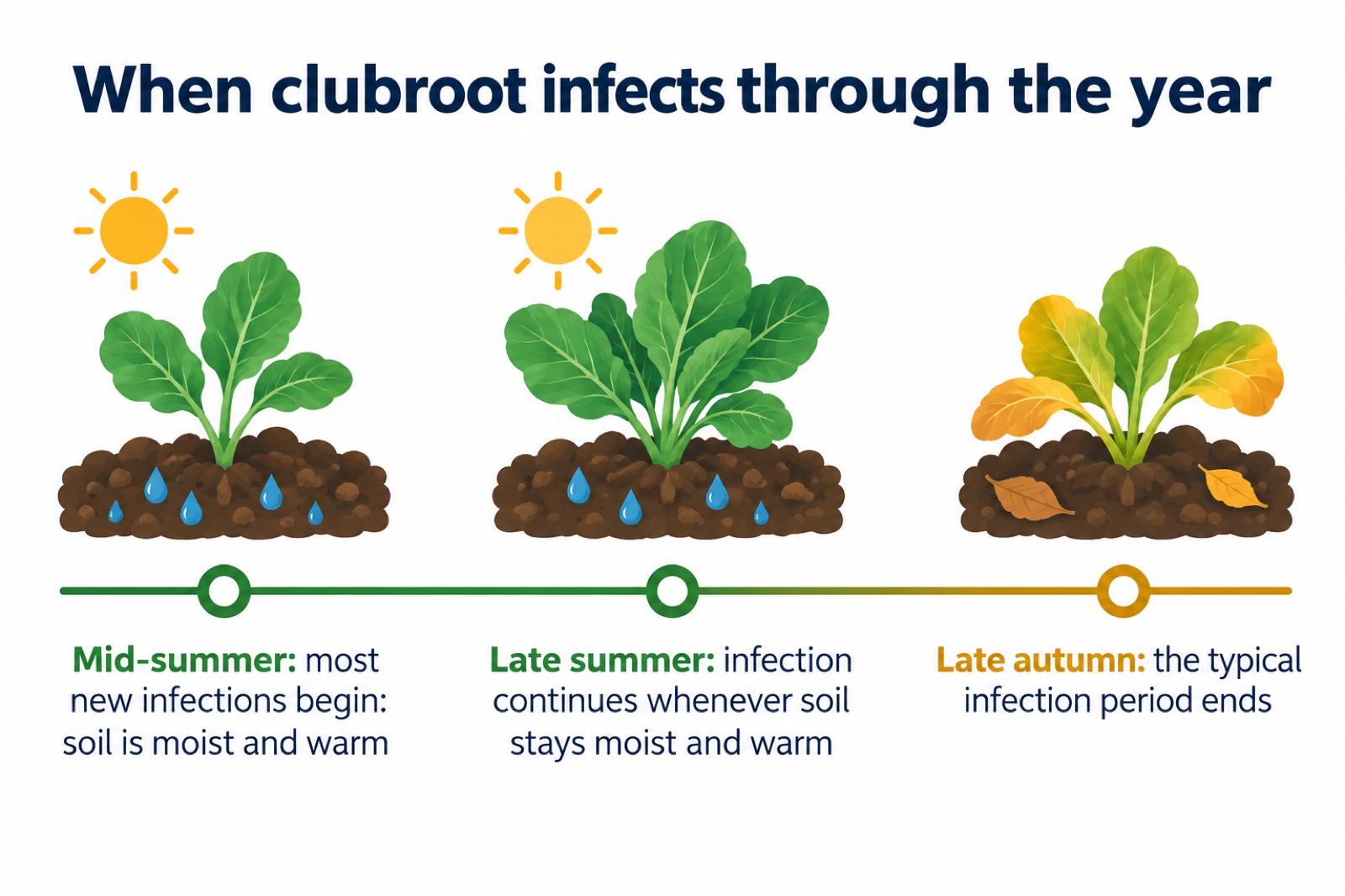
Clubroot can infect whenever the soil is moist and warm, so most new infections occur from mid-summer until late autumn1. That single sentence tells you most of what you need to know about timing. Warm, damp soil is normal British summer and autumn conditions, so the risk period is long, and it covers the main growing season for most brassicas rather than a short window you can dodge.
The timing has two practical consequences. First, beds you intend to plant with brassicas should be limed before the risk period begins, not after you see the first swollen root. Second, weeds matter most in summer and autumn: shepherd's purse and other cabbage-family weeds growing in a bed during the warm months can carry the infection on between crops1, so hoeing them out is disease control as well as weeding.
If you are planning a full brassica bed, the timing also argues for buying plants rather than raising them in infected soil, but only from a source you trust, which is covered below.
Liming acid soil: 500g per sq m, then 270g per sq m
Clubroot favours acid soil, and liming is the one intervention that measurably shifts the odds. On acid soils, lime at the rate of 500g per square metre (15oz per square yard), with lighter dressings of 270g per square metre (8oz per square yard) in future years1. The first dressing is the heavy one, applied before planting; the later, lighter dressings maintain the effect as the lime works through the soil over successive seasons.
Apply the first dressing to the whole brassica bed and fork or rake it in before sowing or planting, so it is in the root zone rather than sitting on the surface. Keep a note of which beds have been limed and when, because the lighter rate is easy to forget once the first season has passed, and the whole point of the follow-up dressings is to hold the soil out of the acid range where clubroot does its worst.
Liming is prevention, not cure. It makes the soil less welcoming to the organism, but it does not remove an established infection, and there are no chemical controls available to gardeners to treat clubroot1. Combine it with rotation and hygiene rather than relying on it alone. The approach described here follows the advice given by the RHS (Royal Horticultural Society), which is, in the words of the guidance, "basically just good garden hygiene and housekeeping"1.
Rotation: moving crops so disease dies off
Rotation is the backbone of disease prevention on any vegetable plot. Move plants around the plot so that their specific diseases, such as blight or clubroot, have time to die off2. A disease that needs brassicas starves when no brassicas grow in that bed for several years; the same applies to the pests and diseases specific to other families. This is why rotation is the single most effective thing a new grower can put in place, and it costs nothing but a plan.
To rotate, you need to know which vegetables belong to which family, because diseases follow families, not crops. The brassica family is Brussels sprouts, cabbage, cauliflower, kale, kohl-rabi, oriental greens, radish, swede and turnip2. The root family is beetroot, carrot, celeriac, celery, Florence fennel, parsley and parsnip2. One point that catches many gardeners: swedes and turnips are brassicas, not roots2, so they must not follow cabbages in the rotation, and they are fully susceptible to clubroot1.
| Rotation family | Vegetables |
|---|---|
| Brassicas | Brussels sprouts, cabbage, cauliflower, kale, kohl-rabi, oriental greens, radish, swede, turnip2 |
| Roots | Beetroot, carrot, celeriac, celery, Florence fennel, parsley, parsnip2 |
A simple working rotation divides the plot into beds and moves each family to a new bed each year, so several years pass before a family returns to the same ground. When you plan yours, remember the ornamentals and weeds: wallflowers, stocks and aubretia count as brassicas for this purpose1, so a bed that has flowered them is not a clean bed for cabbages. Our page on planning your planting covers how to lay out beds for a rotation from the start.
Growing vegetables mixed together, rather than in single-family blocks, is another way to slow the spread of problems, and it does not cost you yield. In the Great GROW Experiment, run by the Permaculture Association, plots grown as a mixed polyculture averaged 3074.8 grams per square metre (3.07 kg per sq m), against 2234.9 grams per square metre (2.23 kg per sq m) for monoculture plots5. A pest or disease that arrives in a mixed bed finds fewer of its host plants in one place, which is the same principle as rotation applied within a season.
Carrot root fly: sow in June to miss the first attack
Carrot root fly is the classic pest of carrots and parsnips, and the most reliable defence is timing. Carrots can be sown in June for use over winter, and this has the added bonus of missing the first attack of the carrot root fly3. The first generation of flies lays its eggs early in the season around young carrot seedlings; a June sowing sidesteps that first wave, so the crop gets past its most vulnerable stage with less damage.
The fly's maggots tunnel into the roots, and damage is usually found at harvest: rusty tunnels and channels through the carrot or parsnip, often worst near the top of the root. If you lift a root and find it tunnelled, harvest the rest of the row promptly rather than leaving them in the ground, where later generations can add to the damage.
For full protection through the season, physical barriers and sowing dates work together, and our page on how to protect carrots from carrot fly covers the barrier options in detail. Timing alone reduces the pressure; barriers deal with the generations that follow. As with clubroot, there is nothing to apply once the maggots are inside the root, so prevention is the whole of the strategy.
Buying in plants without bringing in disease
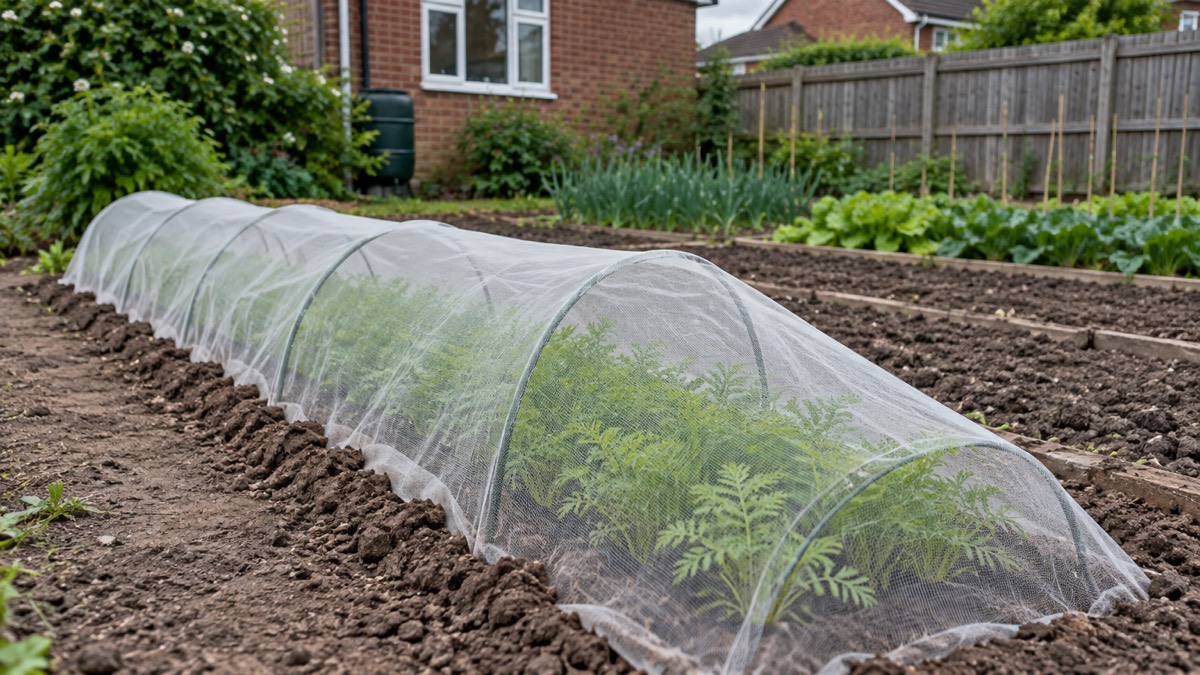
Bought-in plants are one of the main ways clubroot travels between gardens, so treat every purchase as a possible infection route. If you buy in your brassica plants, take great care that they come from a guaranteed clubroot-free source1. A tray of seedlings carries the soil they were raised in, and if that soil came from an infected nursery bed, your plot inherits the problem, and once clubroot takes hold it is very difficult to get rid of1. Ask the supplier directly, and prefer a source that states its clubroot status rather than one that has never considered the question.
The same caution applies to seeds and sprouting material, though the risk there is different. As an example of how bought growing material can carry a hidden problem, Food Standards Scotland recalled Rapunzel bioSnacky Das Original Red Clover seeds for sprouts and seedlings in August 2026 because of contamination with E. coli (STEC), telling consumers who had bought the product: "do not grow it or consume the sprouts or seedlings"6. The lesson for the vegetable garden is the same: material you bring in can bring trouble in with it, so know your source and follow any official advice about products you have bought.
Raising your own plants from seed in soil you know is clean removes the risk, at the cost of a little more work. Our page on sowing seeds indoors and outdoors covers how to raise brassica and carrot plants from seed, which is the surest way to keep your plot's disease status under your own control.
Harvesting and storing without letting rot in
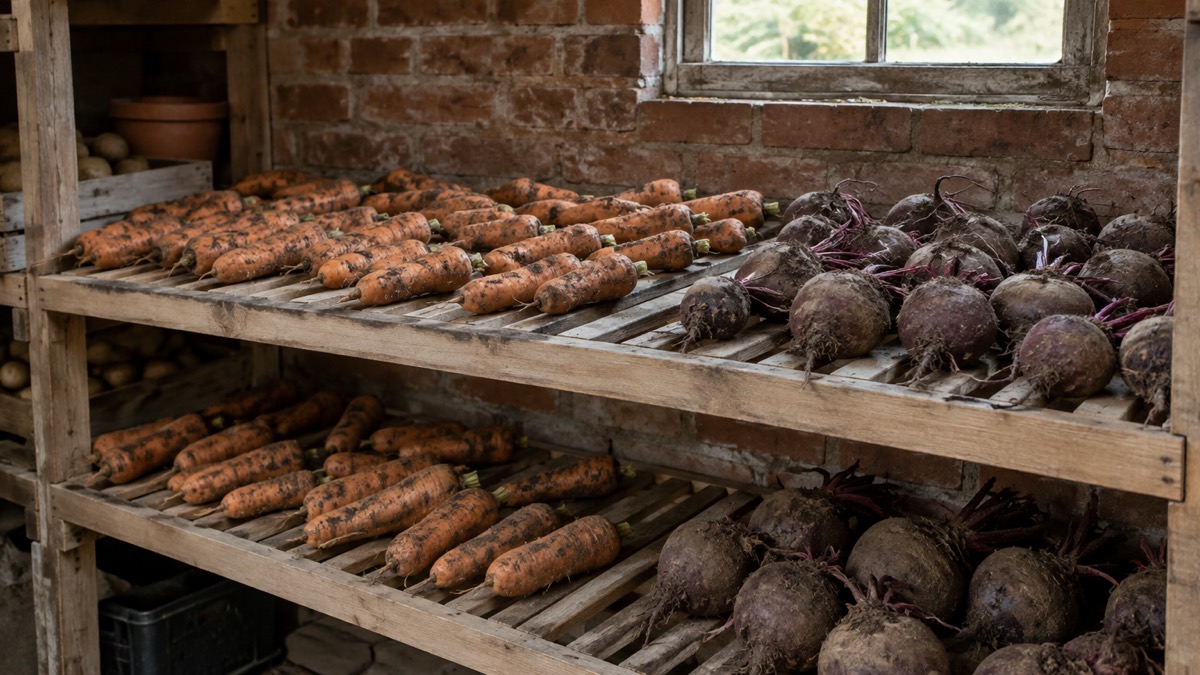
How you harvest and store crops decides whether the work of the growing season survives the winter. For root crops except potatoes, remove excess soil, but do not wash or scrub, as this may damage the skin, and remove leaves by twisting off close to the crown4. Damaged skin is an open door to rot in store, so a gentle harvest that leaves the skin intact is worth more than any storage container.
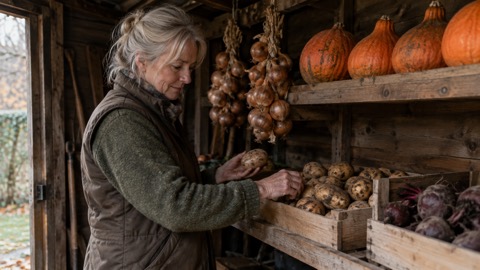
Cabbages can be stored whole: leave roots intact or at least 15cm of stem, and place them on slatted shelves, covered with straw or thick layers of newspaper if temperatures drop4. Slatted shelving lets air move around each head, which keeps them dry and sound. Root veg such as carrots and beetroot can be harvested in late autumn and stored carefully for several months, as can potatoes, onions and garlic3, so a well-managed autumn harvest carries the plot's output deep into the hungry months. Our page on storing the harvest covers the storage conditions each crop needs.
Leeks and Brussels sprouts are simpler: both can normally be left in the ground over winter. However, if extremely bad weather is forecast, you can dig up entire plants, with roots, and place them in a bucket with just enough water to cover the roots4, bringing them somewhere sheltered until the weather passes. This is worth doing before a hard freeze or a flood, both of which can make ground unharvestable for weeks.
One hygiene point that applies to everything you harvest, especially after flooding or contact with animals: wash and peel all fruits and vegetables before eating them7. Soil on harvested crops can carry more than clubroot, and peeling removes the risk along with the skin.
When to report a pest or disease
Most garden problems, including clubroot and carrot root fly, are not notifiable: you deal with them yourself and there is no authority to inform. But the principle that contains serious outbreaks is recognising symptoms and reporting them quickly, and farmers and the public are educated on exactly that8. The faster an unusual problem is identified, the smaller the area it affects.
For major outbreaks of plant pests, the lead agency is the Animal and Plant Health Agency (APHA), which has its own response plans in place9. If you see something that does not match any common garden problem, unusual patterns of plant death across a neighbourhood, or a pest you cannot identify on a crop, contact APHA rather than assuming it is one of the familiar complaints on this page. Take photographs and note when and where you first saw it, because that record is what a response plan works from.
For the ordinary run of pests and diseases, your own records are the useful ones. Note which bed grew which family each year, when clubroot or fly damage appeared, and what you limed and when. Next season's rotation decisions are only as good as this year's notes, and the diseases that persist in soil, clubroot chief among them, punish a forgotten history.
Sources (9)
- Clubroot problems, Harrod Horticultural, 2026
- Planning your planting, Garden Organic, 2026
- Vegetables all year round, Garden Organic, 2026
- Harvesting and storing vegetables, Garden Organic, 2026
- The Great GROW Experiment, Permaculture Association, 2018
- Recall of Rapunzel bioSnacky Red Clover seeds for sprouts, Food Standards Scotland, 2026
- What is cryptosporidiosis and how can you avoid it, UK Health Security Agency, 2024
- Animal disease, Essex Prepared, 2025
- Community Risk Register 2026, Surrey County Council, 2026
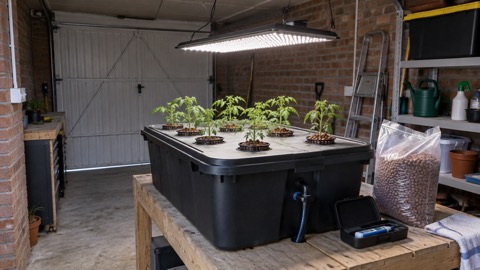 Hydroponic System Parts List
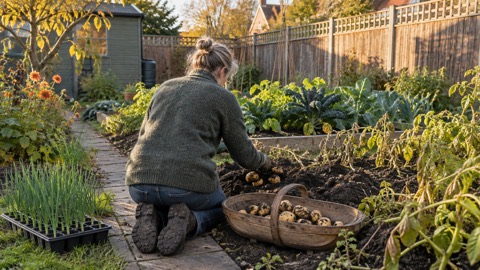 Year-Round Sowing Calendar
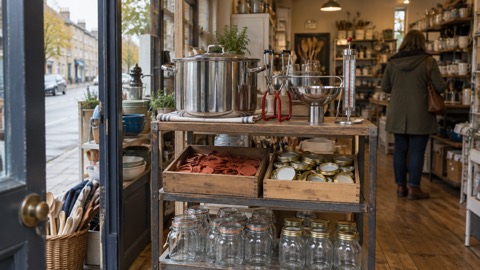 Preserving Equipment Checklist
 Getting an Allotment
 Composting at Home
 Fermenting Vegetables at Home
 Freezing Home-Grown Produce
 Growing Fruit at Home
 Indoor Hydroponics
 Growing Under Cover All Year
 Sowing Seeds
 Storing the Harvest