
Emollient creams, lotions, sprays and gels are safe to use, and for many skin conditions they are essential. The fire risk does not come from the cream in the tub. It comes from what is left behind: dried residue soaked into bedding, clothing, dressings and bandages makes those fabrics catch fire far more easily, and burn faster and hotter once they do1.
That matters because the things that start these fires are ordinary household items. A dropped cigarette, a candle, a lighter, a cooker ring or an old bar heater can all ignite fabric carrying emollient residue, and fire services describe the result as a fire that can cause serious injury or death1. Around 50 fatal fires a year are caused by emollients, according to fire service figures3.
The answer is not to stop using your cream. The National Fire Chiefs Council says people should continue using emollients if they need to, but should be aware of and manage the fire risk, particularly when emollients are absorbed into fabrics4. In practice that means keeping contaminated fabric away from every ignition source, telling everyone in the household, and being especially careful with smoking and heating.
Emollients are safe to use, but the residue on fabric catches fire
Fire and rescue services are consistent on this point: emollient products such as creams, liquids and gels are safe to use and vital for the skin conditions they treat, and the risk exists when a residue gets onto bedding, clothing or dressings1. The cream is not itself flammable. What changes is the fabric it soaks into10.
Even a single application can leave enough residue to matter. London Fire Brigade says emollient and skin creams are not themselves flammable, but residue on fabrics such as bedding, clothing and dressings can increase flammability, even from just one application10. Residue builds up over time on clothing, bedding, bandages and soft furnishings, so the risk grows with repeated use rather than fading9.
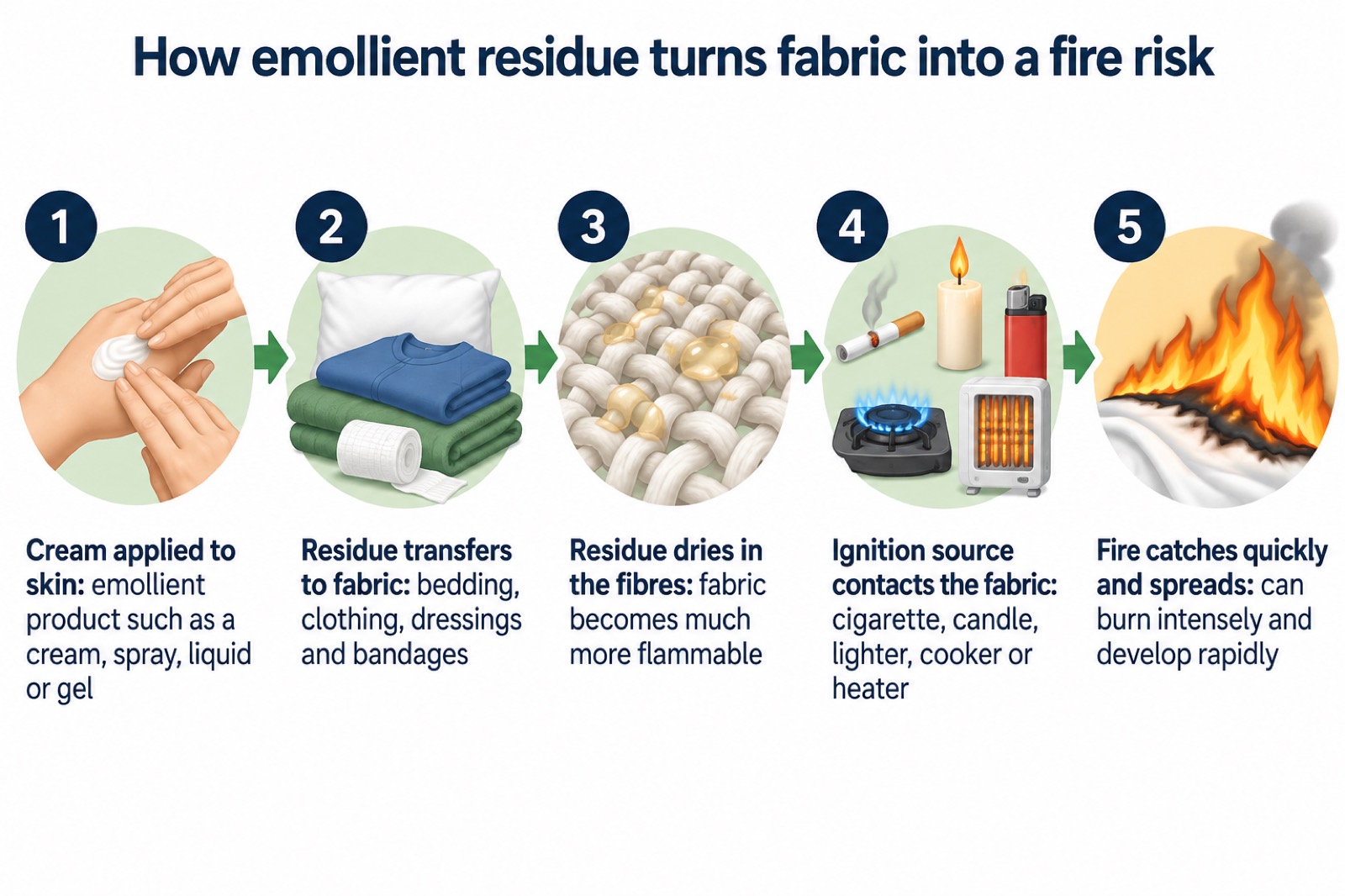
Once that residue is dry, the fabric behaves differently. Fire services say the dried residue will make the fabric much more flammable, and if an ignition source such as a lighter, cigarette, candle or naked flame comes into contact with it, a fire could start quickly and may result in serious injury or death1. If contaminated fabric does ignite, it can burn far more quickly and result in a more intense, rapidly developing fire11.
"Creams applied to your skin can dry onto your clothes and bedding. This makes them more flammable. Avoid naked flames."
The practical consequence is simple. Anything that has had cream on it, whether clothing, nightwear, sheets, a dressing or a bandage, should be treated as more dangerous around heat than the same item would otherwise be. That applies to the person wearing it and to anyone else in the room.
How emollient residue makes bedding and clothing burn
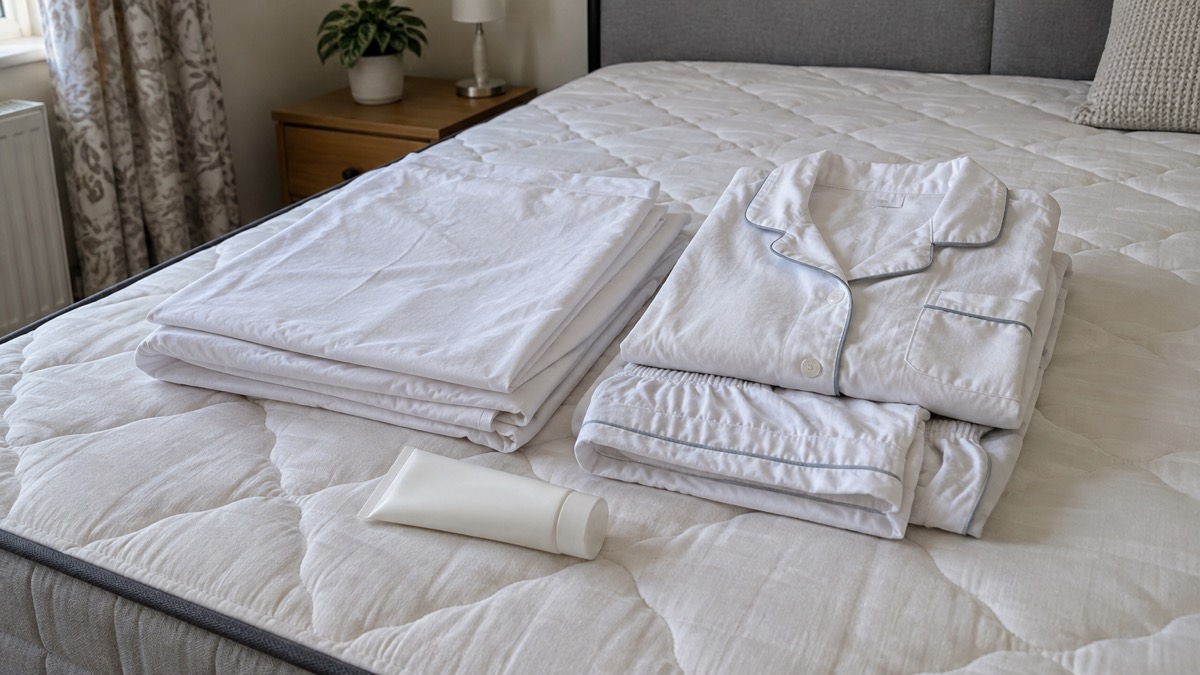
The mechanism is absorption. Emollients can leave a flammable residue when they are absorbed into fabrics like bed sheets and clothing5. The fabric acts like a wick: the residue is held in the fibres, dries, and stays there between applications and between washes.
Fire services describe the effect in stages. Residue builds up on clothing, bedding, bandages and soft furnishings, which makes these materials ignite more easily and burn more rapidly9. When emollient products get onto bedding, clothing, bandages or other fabrics, the dried residue makes the fabric more flammable if a heat or ignition source such as a cigarette contacts it2. If the fabric is exposed to a naked flame or heat source such as a cigarette, lighter, candle, cooker or heater, it can catch fire, burn intensely and allow fire to spread rapidly4.
That is why the advice covers dressings and bandages as well as clothes. If people who use an emollient cream cover it with a dressing or clothing, there is a danger that smoking or using a naked flame could cause those dressings or clothing to catch fire1. Clothing, bedding, dressings and bandages with cream on them can catch fire very easily if they are close to a naked flame, heater or cooker12.
Where the danger comes from: cigarettes, flames and heaters
Fire services put it plainly: in combination with smoking, naked flames or heat sources, emollients are a high risk3. The cream does not need to be near the flame itself. The fabric does.
Smoking is the most frequently named cause. Emollient residue on smokers' clothing and bedding can act as a combustible and easily catch fire8, and smokers should be made aware of the added fire risk associated with using emollients, as clothing could be ignited by a dropped cigarette or match7. The advice from fire services is direct: do not smoke if you, or anyone near you, is using emollient creams in contact with skin, clothes, dressings or bandages6.
Naked flames and cooking come next. Never use a naked flame or ignition source such as matches, lighters and candles, because your clothing could be contaminated by an emollient product1. Anyone using emollients or skin creams regularly should keep well away from fire, naked flames or heat sources10, and creams should not be kept in close proximity to open flames, including candles, gas stoves and heaters8.
Heaters deserve their own warning. Fire services list flame, cigarette or close heat sources like open fires, electric bar, gas or halogen heaters as the ignition sources that matter9, and name the use of old halogen and bar-style heaters as a particular risk3. If you use emollients, this is especially important when heating your home, because emollient products can make clothing and soft furnishings more flammable14.
| Ignition source | What fire services say | What to do |
|---|---|---|
| Cigarettes, matches, lighters | Clothing can be ignited by a dropped cigarette or match7 | Do not smoke if you or anyone near you uses emollients6 |
| Candles and open flames | Never use a naked flame or ignition source1 | Keep well away from fire and naked flames10 |
| Cookers and gas stoves | Cookers named among ignition sources4 | Keep creams away from open flames and hobs8 |
| Open fires | Named among close heat sources9 | Keep contaminated fabric clear of the hearth |
| Electric bar, gas and halogen heaters | Old halogen and bar-style heaters named as a risk3 | Keep fabrics away; do not dry clothing in front of a heater |
Paraffin-free creams carry a risk too
It was once assumed that only paraffin-based emollients were a fire concern. That has changed. Fire services now say that new research has shown all emollients can present a fire risk5. The warning is written to cover both: if a paraffin-based or paraffin-free emollient product such as a cream gets onto fabrics, the dried residue will make the fabric more flammable16.
The same applies across product types. All types of emollient products, when impregnated into fabric, present an increased fire risk, including products that contain paraffin, contain natural oils, or contain other flammable ingredients11. Sprays, liquids and gels are named alongside creams in fire service guidance18, and the creams can easily ignite and intensify fires due to their high oil content8.
So the form of the product does not decide how careful you need to be. A spray, a lotion or a gel that soaks into a sleeve or a sheet leaves the same kind of residue as an ointment. Treat every emollient you use as one that makes fabric more flammable, and apply the same rules to all of them.
Telling everyone in the household and visitors
A fire risk that only one person knows about is a fire risk that is not managed. Fire services advise that you inform all household members and visitors about the potential fire risks associated with emollient creams8. That includes family, friends, carers and anyone staying overnight.
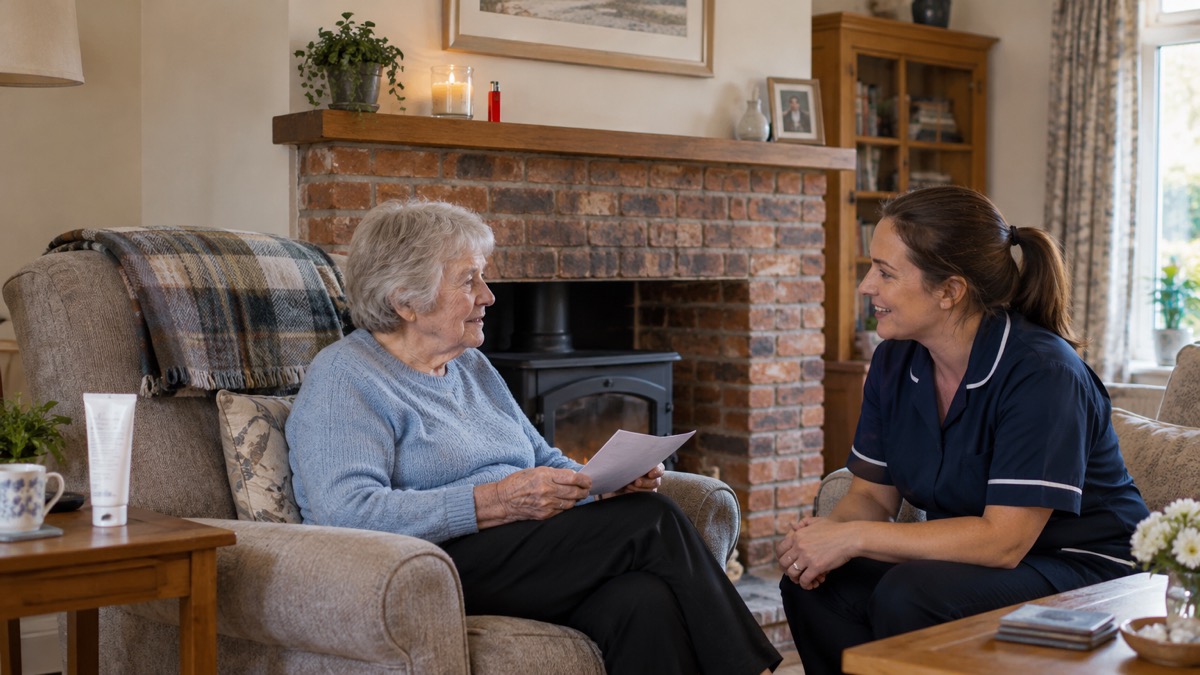
The person using the cream needs to know too. Carers should ensure that the person using the emollient product is aware of the fire risk and is provided with fire safety advice as appropriate20. Those who prescribe, dispense and apply these products should tell their patients or customers about the fire risk and the associated fire safety advice20, so ask at the pharmacy or at your appointment if nobody has mentioned it.
A simple household routine helps:
- Tell everyone who lives there, and anyone who stays over, that emollient residue makes fabric more flammable8
- Agree that nobody smokes in the same room as someone wearing emollient cream, and never in bed6
- Keep candles, lighters and matches out of the rooms where the cream is applied and where bedding is changed1
- Keep clothing, bedding and dressings with cream on them away from heaters, cookers and open fires4
- Wash and change bedding and clothing regularly so residue does not build up9
- If you provide care, make sure risk assessments and care provision take the fire risk and fire safety advice into account20
Staying safe with heating, smoking and washing
The everyday precautions are not complicated, but they need to become habits. Fire services advise anyone using emollients or skin creams regularly to keep well away from fire, naked flames or heat sources10. In winter, when heating is on and windows are shut, that matters more, which is why the National Fire Chiefs Council and the Medicines and Healthcare products Regulatory Agency issue a joint winter safety warning about emollients9.
Heating needs particular care. Avoid storing emollient creams near radiators or in bathrooms where high humidity can affect their efficacy and potentially increase the risk of fire8. Keep soft furnishings and clothing that may carry residue clear of heaters, and do not drape washing in front of a bar or halogen heater.
Smoking needs a firm rule. Fire services say do not smoke if you, or anyone near you, is using emollient creams in contact with skin, clothes, dressings or bandages6. If someone in the household smokes, keep smoking materials well away from anyone using an emollient, and never smoke in bed21.
Washing matters because residue accumulates. Change and wash bedding and clothing regularly, and treat contaminated items as more dangerous until they are clean9. If fabric with residue on it does ignite, it can burn far more quickly and produce a more intense, rapidly developing fire11, so the aim is to reduce how much residue is in the fabric at any one time.
Where to get help and advice
Fire and rescue services across the UK publish emollient fire safety advice, and several offer a home fire safety check. The National Fire Chiefs Council and the Medicines and Healthcare products Regulatory Agency run a joint emollient safety campaign, and you can complete an online home fire safety check for advice at www.ohfsc.co.uk, or search Know the Fire Risk to find out more9.
If you care for someone who uses emollients, tell their care provider and ask what fire safety advice they have been given. Fire services say those who prescribe, dispense and apply these products should tell their patients or customers about the fire risk20, and carers should make sure risk assessments and care provision take the fire risk into account20.
For households with additional needs, our guide to fire risk checks for a vulnerable person's home sets out what to look at room by room, and extra help in an emergency explains the support available for older, disabled and medically dependent households. If someone in the home uses oxygen as well as emollients, read fire safety when someone uses oxygen therapy, because the two risks combine.
The National Fire Chiefs Council has been calling on the Government to introduce clearer warnings on emollient cream packaging and to ensure that users are properly informed about the fire risks22. Until that happens, the advice above is what keeps households safe.
Sources (22)
- Emollient creams, North Yorkshire Fire and Rescue Service, 2026-03-09
- Emollients, Greater Manchester Fire and Rescue Service, 2026-10-29
- Fire safety for carers, Devon and Somerset Fire and Rescue Service, 2026
- Know the Fire Risk, National Fire Chiefs Council, 2026-10-07
- Emollients, Devon and Somerset Fire and Rescue Service, 2026
- Smoking safety, Greater Manchester Fire and Rescue Service, 2026-10-29
- Emollients, Scottish Fire and Rescue Service, 2025-11-19
- Fire safety using medication and medical equipment, Warwickshire County Council, 2026-10-29
- Keep the warmth, lose the risk, National Fire Chiefs Council, 2025-12-24
- Emollient and skin creams, London Fire Brigade, 2026-10-25
- Use of emollient creams, Dorset and Wiltshire Fire and Rescue Service, 2024-02-06
- Digital easy read fire safety booklet, London Fire Brigade, 2026
- Seven steps to prevent smoking-related fires, National Fire Chiefs Council, 2025-02-10
- Heating your home, North Yorkshire Fire and Rescue Service, 2026-03-09
- Home oxygen, Greater Manchester Fire and Rescue Service, 2026-10-29
- Specialist health equipment, Mid and West Wales Fire and Rescue Service, 2026-10-29
- Pressure relieving devices, Greater Manchester Fire and Rescue Service, 2026-10-29
- Caring for an emollient user, Greater Manchester Fire and Rescue Service, 2026-10-29
- Fire safety in the home, Westminster City Council, 2017-01
- Emollients for carers and social workers, Greater Manchester Fire and Rescue Service, 2026-10-29
- Caring for smokers, London Fire Brigade, 2026-10-25
- Same 4 fire safety starts at home, Devon and Somerset Fire and Rescue Service, 2025-10-29
 Home Fire Safety Checklist
 Bedtime Fire Safety Checks
 Fire Risk Checks for Carers
 Why a CO Alarm Is Beeping
 Smoke Alarm Keeps Chirping
 Testing Smoke and CO Alarms
 Replacing Smoke and CO Alarms
 Where to Fit Smoke Alarms
 How Many Smoke Alarms
 Where to Put a CO Alarm
 Do I Need a CO Alarm
 Can a CO Alarm Detect a Gas Leak
 Trapped by Fire What to Do
 Putting Out a Chip Pan Fire
 Electrical Fire Safety