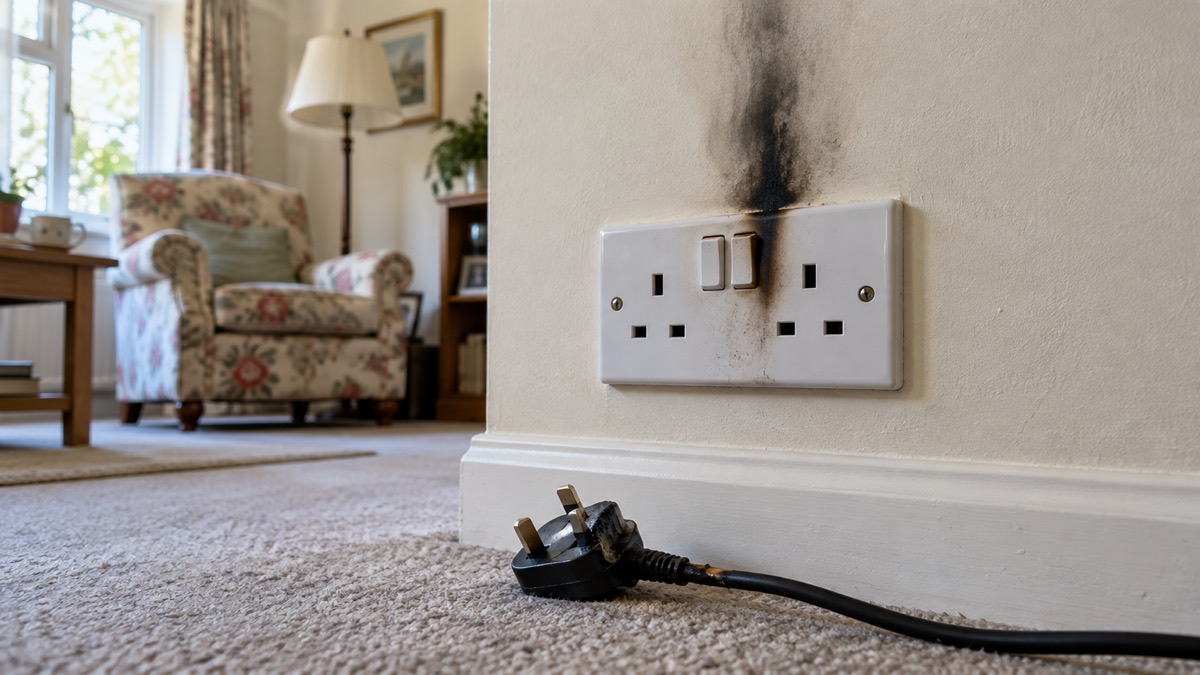
If an electrical appliance, socket or cable starts smoking or burning, the first thing to do is cut the power, but only if you can reach the plug or the fuse box safely. Pull the plug out or switch the power off, then get out, stay out and call 9991. If the fire has already taken hold, do not stop to unplug anything: leave the building, close doors behind you and call the fire service from outside2.
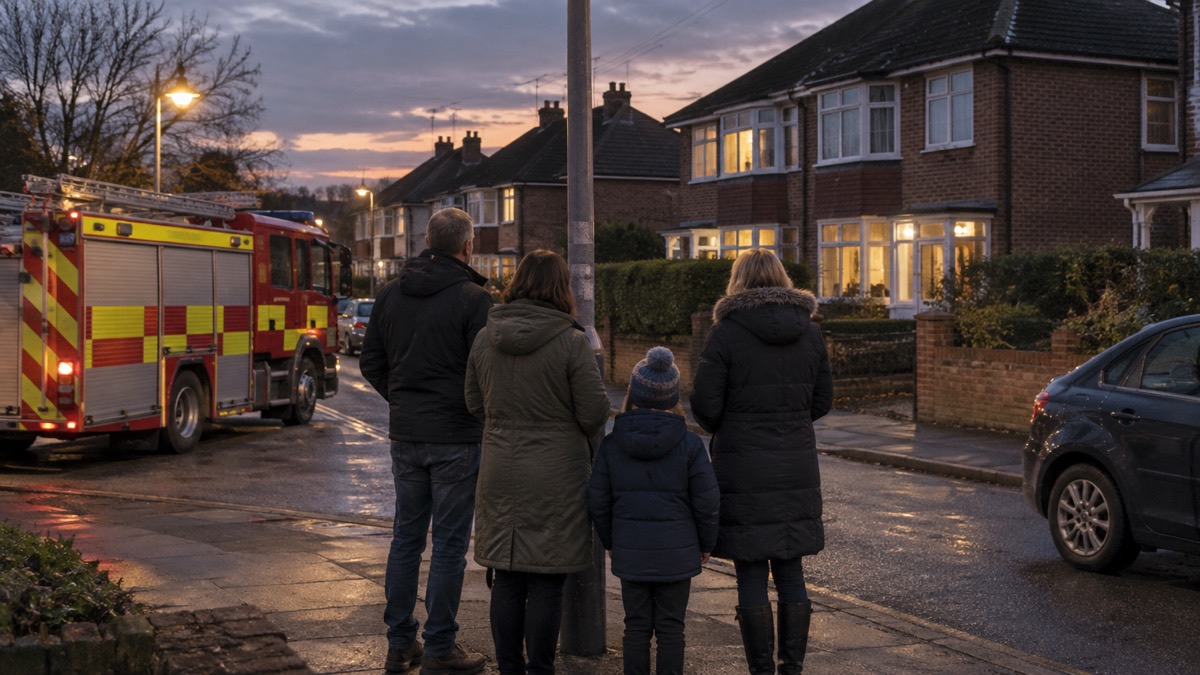
The single most important rule is that you should not try to put the fire out yourself. Fire services across the UK give the same instruction: do not attempt to extinguish the fire, get out, stay out and call 9992. That applies to water, to extinguishers and to anything else to hand. Once you have escaped, do not go back inside, even if someone or a pet is still there; wait for firefighters and tell them what you know3.
This page sets out what to do in the first seconds, why fighting an electrical fire is so dangerous, how to prepare your alarms and escape plan, and what to expect if you live in a flat. It is written for an ordinary household with no fire training.
Pull the plug or switch off at the fuse box, if it is safe
The advice from fire and rescue services is consistent: if you can safely reach the appliance, pull the plug out or switch the power off, and then leave1. Cutting the power removes the energy feeding the fire and can stop it spreading along a cable. It is a first action measured in seconds, not a firefighting operation.
Safety comes first. Do not reach past flames or smoke, do not touch anything that is wet or damaged, and do not put your hand near a burning socket. If the fire is already in the wiring, the socket or the fuse box itself, the power is not yours to switch off safely and you should leave immediately.
The fuse box matters for a second reason: you need to know where it is before an emergency. Keep a battery or wind-up torch somewhere you can reach easily, so you can check the fuse box and make your way around the house safely6. Find your fuse box now, in daylight, and note whether the main switch is obvious.
When the fire has taken hold: get out, stay out, call 999
Once flames or thick smoke are established, the priority changes completely. Every fire service quoted here gives the same three-part instruction: get out, stay out and call 9992. Do not stop to collect anything, including valuables or pets10. Close doors behind you as you leave, because a closed door slows the spread of fire and smoke.
Call 999 from outside, or from a neighbour's phone if yours is inside. Tell the operator what is on fire, for example "a two-storey house", and give your full address12. Say clearly if anyone is still inside and where you think the fire started. Never assume someone else has already called13.
If you live in a house, get everyone to the agreed meeting point away from the building. If you live in a flat, the advice is more specific and is covered below. In every case, do not go back in until fire crews have told you it is safe to do so4.
Why you should not try to put out an electrical fire yourself
Electrical fires are different from chip pan fires or a bin fire. The danger is not only the flames but the live current, the toxic smoke from burning plastic and cable insulation, and how quickly a fire inside a wall or appliance can spread where you cannot see it. Fire services are blunt about this: do not investigate the fire and never try to fight it yourself10.
Water is especially dangerous. Water conducts electricity, and fire services warn that care must be taken about accidental use on exposed power cables14. Throwing water on a live electrical fire risks a shock as well as spreading the fire. Fire extinguishers are not a substitute for leaving: the advice for electrical fires is to get out, not to tackle them2.
The same rule applies to battery fires. For e-bike and e-scooter batteries, the London Fire Brigade says do not attempt to tackle the fire yourself15, and the Scottish Fire and Rescue Service says do not try to extinguish the fire yourself16. Lithium-ion battery fires burn hot and can reignite.
"In the event of a fire, do not attempt to extinguish the fire. Get out, stay out, call 999."
There is a prevention point here too. Many electrical fires start with overloaded sockets, damaged cables or appliances left running unattended. Unplug appliances when you are not using them instead of leaving them on standby9, and switch off electrical appliances when not in use unless they are designed to stay on17. Check that electric fires are fitted with the right fuse and do not have frayed or damaged cables18. Avoid DIY electrical jobs such as rewiring, which can lead to incorrect installations and hazardous conditions9.
Fire alarms and an escape plan for your home
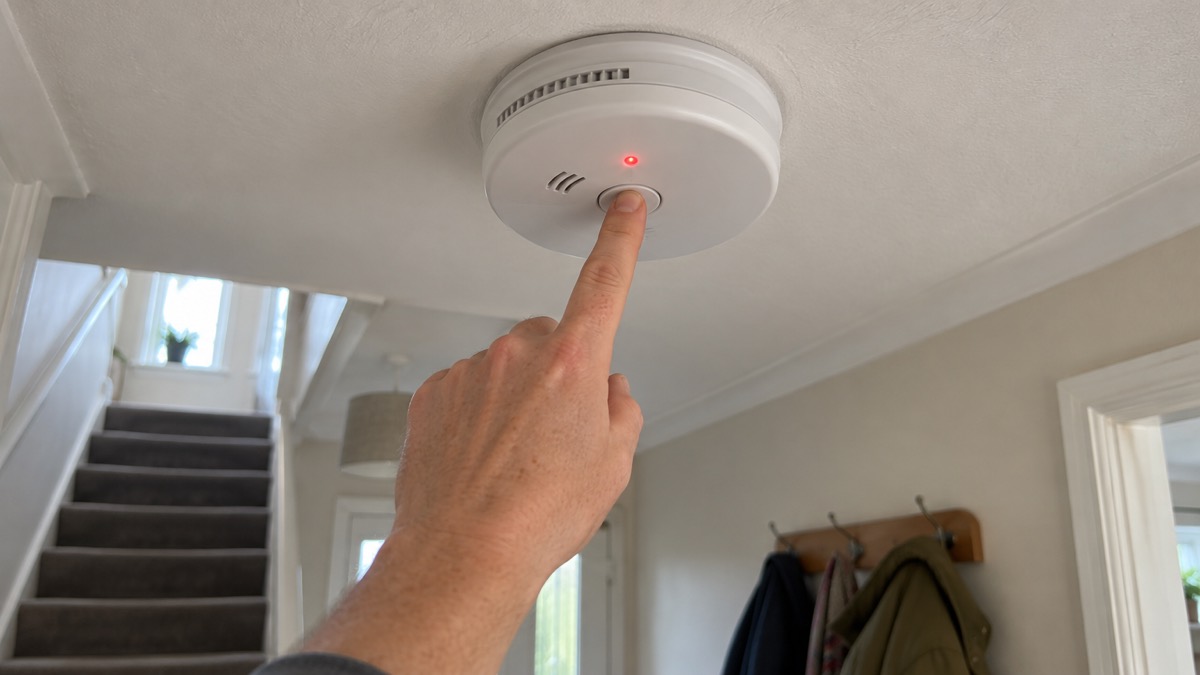
A working smoke alarm is the first step of any escape plan5. Alarms give you the warning; the plan tells you what to do with it. Fire services advise that working smoke alarms will warn you of a fire, but you should also make a fire escape plan19, and that everyone in the home should know what to do when they hear a fire alarm20.
Make a fire action plan so that everyone in your home knows how to escape if there is a fire21. Walk the route together, in daylight, and check that keys for doors and windows are where everyone can find them. If you have children, explain what the alarm sounds like and what to do. If anyone in the household would need help to get out, plan for that now rather than during a fire.
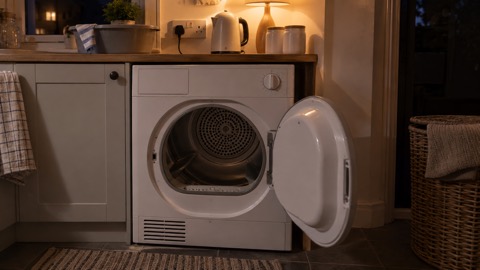
A bedtime routine reduces the risk overnight, when most people are asleep and slowest to react. Before bed, turn off and unplug electrical appliances unless they are meant to be left on, like your freezer22. Do not leave the television or other appliances on standby, as this could cause a fire21.
If you live in a flat or high-rise building
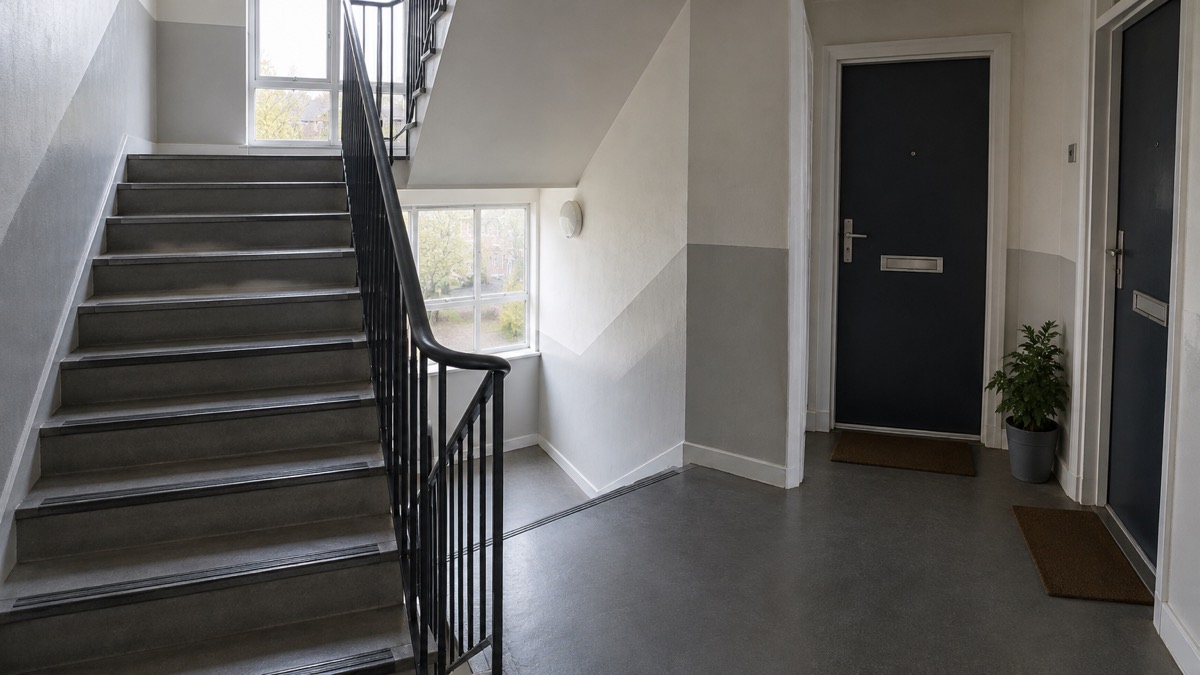
The advice for flats depends on where the fire is. If there is a fire inside your flat, alert everyone and get out immediately. Do not try to extinguish the fire. Close all doors behind you, always use the stairs rather than a lift, and call 999, never assuming someone else has13. The London Fire Brigade's easy-read guidance is the same: leave the flat, close all doors on your way out, and do not use the lift23. Warwickshire Fire and Rescue Service adds that in the event of a fire alarm in your flat, you should evacuate the building immediately and calmly24.
If the fire is elsewhere in the building, the situation is different and you should follow the building's fire safety instructions and any advice from firefighters. What you can do now is keep communal corridors and staircases free from clutter, keep your balcony clear of anything that might cause a fire, and report any damage to firefighting equipment to your housing provider23.
After you are out: what to tell 999 and what not to do
Once outside, call 999 and stay on the line. Tell the operator what is on fire, for example "a two-storey house", and give your address12. Say if anyone is unaccounted for and where you last saw them. If you feel unsafe or unsure at any point, call 999 for further information and advice25.
Then wait. Do not go back inside your home, even if there is someone or a pet left inside. Wait for firefighters and, when they arrive, give them as much information as possible3. Going back in slows the firefighters' efforts to rescue anyone else who is missing and puts your own life in danger12. Do not re-enter until fire crews have told you it is safe4.
If you cannot get out, the advice is different and is covered on our page on what to do if you cannot escape a fire. For the wider picture of fire safety at home, see our guides to what to do if a fire starts in your house, how to make a fire escape plan and what to do if there is a fire in your block of flats. Our fire safety checklist and bedtime fire safety checks help you prepare before anything happens.
Sources (25)
- Electrical fire safety, Warwickshire County Council, 2026-10-29
- Electrical safety, Greater Manchester Fire and Rescue Service, 2026-10-29
- Know your escape plan, Greater Manchester Fire and Rescue Service, 2026-10-29
- Book a home safety visit, Devon and Somerset Fire and Rescue Service, 2026
- Bedtime route and escape plan, North Yorkshire Fire and Rescue Service, 2026-03-27
- Winter ready, Isle of Anglesey County Council, 2026-10-25
- Flooding aftercare, Runnymede Borough Council, 2026-10-26
- Frozen or burst pipes, Met Office, 2026-10-26
- Electrical fire safety, Warwickshire County Council, 2026-10-29
- In the event of a fire, Cheshire Fire and Rescue Service, 2026-10-13
- Escape, Fire Kills, 2026-03-25
- If you are trapped by fire, Essex Prepared, 2026-10-29
- Home fire safety, Northern Ireland Fire and Rescue Service, 2026-10-14
- Fire extinguishers, Warwickshire County Council, 2026-10-29
- What to do if there's a fire caused by an e-bike or e-scooter, London Fire Brigade, 2026-10-25
- Lithium-ion batteries, Scottish Fire and Rescue Service, 2025-11-27
- Christmas safety, North Wales Fire and Rescue Service, 2026-10-29
- Snow buddies, Derbyshire County Council, 2026-10-29
- Be prepared for an emergency, Oxfordshire County Council, 2026
- At home, Wiltshire and Swindon Prepared, 2026-10-25
- Keeping you safe at home, North Wales Fire and Rescue Service, 2026-10-28
- Escape plan, Devon and Somerset Fire and Rescue Service, 2026
- Digital easy read fire safety booklet, London Fire Brigade, 2026
- Fire safety advice for residents in high rise buildings, Warwickshire County Council, 2026-10-29
- In the event of a fire, South Wales Fire and Rescue Service, 2026-10-25
 Home Fire Safety Checklist
 Bedtime Fire Safety Checks
 Fire Risk Checks for Carers
 Why a CO Alarm Is Beeping
 Smoke Alarm Keeps Chirping
 Testing Smoke and CO Alarms
 Replacing Smoke and CO Alarms
 Where to Fit Smoke Alarms
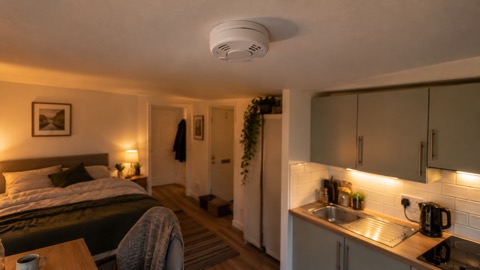 How Many Smoke Alarms
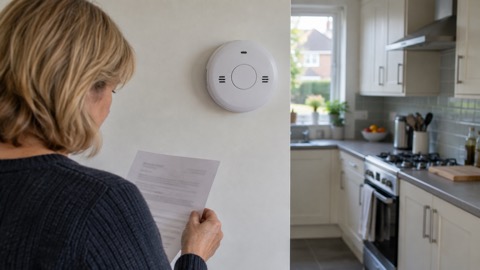 Where to Put a CO Alarm
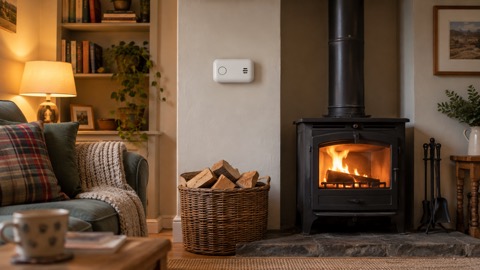 Do I Need a CO Alarm
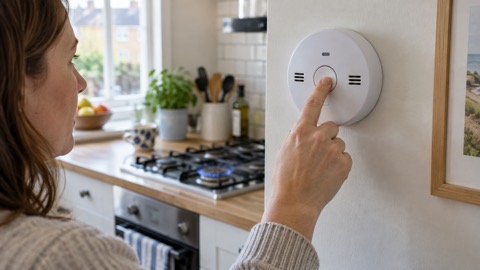 Can a CO Alarm Detect a Gas Leak
 Trapped by Fire What to Do
 Putting Out a Chip Pan Fire
 Appliances Left On Overnight