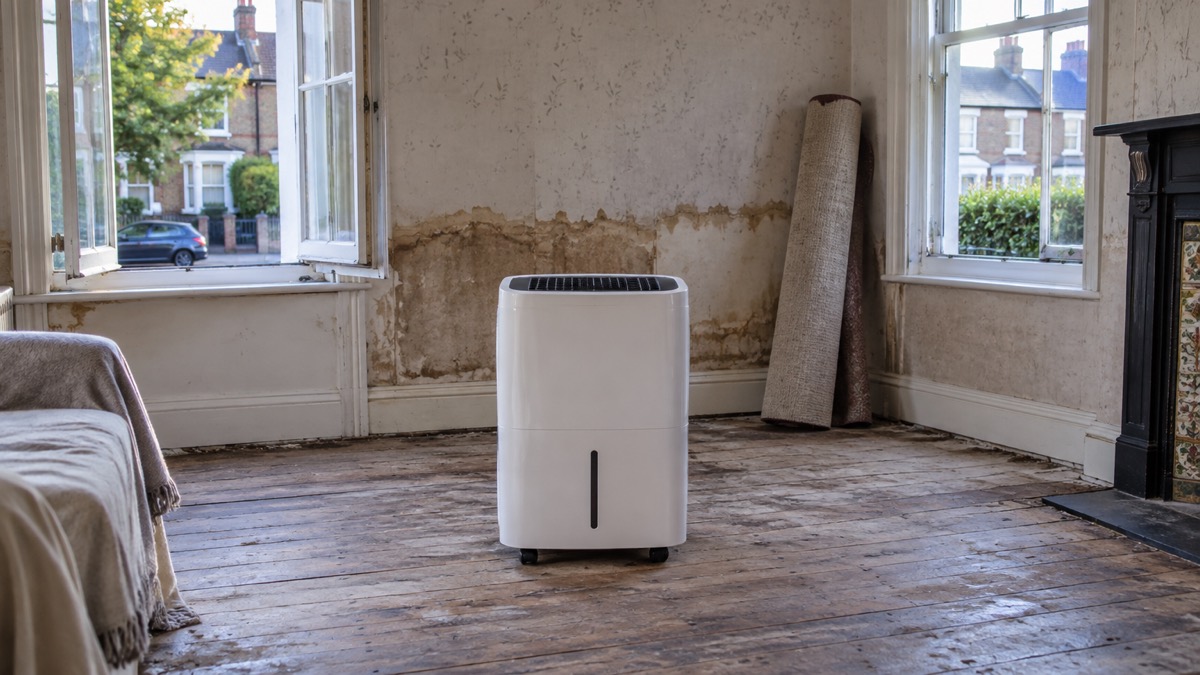
If you own an Ebac air dehumidifier, check it against the recall notice before you switch it on again. Ebac Limited recalled affected dehumidifier models because a sensor assembly defect could cause the unit to overheat and ignite1. The recall was issued on 21 April 2026, and it is not the only one: an ElectriQ CD10L dehumidifier was recalled on 20 August 2024 over a possible circuit board manufacturing defect that could cause overheating and fire2. A recall is not a warning that your unit has already failed. It means a fault may be present, so the safe course is to stop using the appliance and follow the notice.
For a household getting ready for emergencies, a dehumidifier earns its place after a flood or a bad leak, when the fabric of the home is wet and staying wet does damage. Official flood recovery advice across the UK is consistent: once floodwater has receded, dehumidifiers can collect moisture from the air and aid drying, but they should not be used to remove floodwater itself3. They are a drying aid, not a pump, and they run on mains power, so they do nothing during a power cut.
This page covers what the recalls mean for owners, how to check any dehumidifier against the recall lists, what the appliance does for a damp home, how to use one to dry out after a flood, how to run and store it without adding a fire risk, and where to get help if something goes wrong.
Ebac air dehumidifiers recalled over fire risk: what owners should do
The recall of Ebac Limited air dehumidifiers was published on 21 April 2026. The reason given is a sensor assembly defect that could cause the unit to overheat and ignite1. That is the pattern behind most white goods recalls: a component that can fail in a way that generates heat close to materials that will burn. Fire services describe the same mechanism in recalled tumble dryers, where excess fluff may come into contact with the heating element and catch fire7.
If your model is affected, the sequence is short.
- Stop using the dehumidifier and unplug it from the wall. Recall notices may ask you to stop using the product until it has been repaired, replaced or returned8.
- Find the model and serial number so you can confirm the unit is covered. Owners of recalled appliances are routinely asked to check their model number and serial number online to see if their appliance is affected and then contact the manufacturer to arrange a repair9.
- Contact Ebac as the manufacturer, following the instructions in the recall notice. Manufacturers are expected to contact anyone who has purchased the faulty product where possible, publish details of the recall and the risk, and set out the steps they are taking to resolve the issue10.
- Keep the unit somewhere it cannot be switched on by accident until the remedy is arranged, and keep it away from anything that could burn.
The same discipline applies to any other dehumidifier in the house. The ElectriQ CD10L recall of 20 August 2024 covered units with serial numbers prefixed 2209, 2301 or 2302, recalled from end users because a possible circuit board manufacturing defect could cause overheating and fire2. Two recalls in two years across two makers is a reminder to check rather than assume.
If you have registered your appliance with the maker, the manufacturer will be able to contact you immediately if it is subject to a product recall in future, to arrange a replacement item or to carry out work to make it safe10. If you have not registered, do it now, while the unit is in front of you.
How to check whether your dehumidifier is affected by a recall
Checking takes a few minutes and needs no tools beyond a torch and a phone. The most important thing you can do is to regularly check if your appliances have been recalled, using the Government's product recall site, the manufacturer's website or Electrical Safety First's recall register5. Fire services repeat the same advice for every electrical appliance in the home, and point owners to Electrical Safety First's online product checker to see if any of their appliances have been recalled11.
You need three details to identify an appliance: the model name or number, the serial number and the purchase date12. The model and serial are usually on a rating plate on the back or underside of the unit, and the purchase date is on the receipt or in your email confirmations.
| Where to check | What it covers | Who runs it |
|---|---|---|
| Government product recall site | Recall notices and safety alerts issued by the regulator | Office for Product Safety and Standards7 |
| Manufacturer's website | Model-specific recall information and the remedy | The maker, for its own products5 |
| Electrical Safety First recall register | Recalled items and what to do with the appliance | Electrical Safety First10 |
| Retailer you bought from | Recall notices and your purchase record | The retailer4 |
Fire and rescue services also direct people to the Office for Product Safety and Standards alerts and recalls page to check whether an appliance is subject to a recall7. The same check applies to anything electrical you have stored for an emergency: check that your heater is not subject to a product recall or repair before you rely on it13. A dehumidifier pulled out of a garage after three years is exactly the kind of appliance that has been sitting through a recall unnoticed.
If you cannot find the model number, the maker's website or the retailer should be able to tell you where the plate sits on your model.
What an air dehumidifier does for a damp home
A dehumidifier draws moist air through the unit, takes water out of it and collects that water in a tank or drains it away. In a home, that matters because damp and moisture in the air affect the building and can also affect breathing, and dehumidifiers can help remove damp and moisture in the air14. That is the whole case for the appliance: it lowers the moisture in a room, which helps fabrics, plaster and timber dry, and makes a cold damp home easier to keep warm and healthy.
For an emergency-preparedness household, the useful framing is this. A dehumidifier is not life-safety kit like a smoke alarm or a torch. It is recovery kit. It earns its place in the cupboard for three situations:
- After a flood or a leak, when walls, floors and furniture are wet and the priority is to get the structure dry before mould and rot set in3.
- After a fire, where you can hire dehumidifiers, which will remove water from the atmosphere left behind by the water used to put the fire out15.
- In a persistently damp home, where moisture in the air is part of why the house feels cold and unhealthy14.
What it cannot do is worth being clear about. It will not remove standing water, it will not dry a room with the windows open, and it will not run without mains power. It is also an electrical appliance that draws current for hours at a time, which is why the safety section below matters as much as the drying advice.
If damp is part of a wider problem in the home, the Home Emergencies section covers burst pipes, leaks and the first steps to take when water gets where it should not be.
Using a dehumidifier to dry out after a flood
Once floodwater has receded, dehumidifiers can collect moisture from the air and aid in drying out a property, but they should not be used to remove floodwater3. That distinction is the one to hold on to: the pump or the drain clears the water, the dehumidifier finishes the job on the fabric of the building. Heating, dehumidifiers and good ventilation can help to dry out your home16, and a dehumidifier may be useful to help with drying out your home quickly17.
The advice on doors and windows looks contradictory until you read it as two different methods. You can keep doors and windows open to dry out your property, or use a dehumidifier with the windows and doors closed18. A dehumidifier works by drying the air in the room; if the windows are open, it is trying to dry the outdoors. So pick one approach for a room and stick to it.
| Source | Advice given |
|---|---|
| Derbyshire County Council | Dehumidifiers aid drying once floodwater has receded; not for removing floodwater3 |
| Wiltshire and Swindon Prepared | Heating, dehumidifiers and good ventilation help dry out your home16 |
| Scottish Borders Council | Keep doors and windows open to dry out, or use a dehumidifier with windows and doors closed18 |
| Northern Ireland Direct | If you use a dehumidifier, keep external doors and windows shut19 |
| Natural Resources Wales | Keep doors and windows open, or use a dehumidifier with windows and doors closed20 |
| London Fire Brigade | Open windows and doors as much as you safely can to ventilate, and speed drying with air movers, dehumidifiers and heaters21 |
A practical routine for the drying phase:
- Get the standing water out first, by pump, drain or mop, before the dehumidifier goes on3.
- Shut the room up if you are dehumidifying, and open it up if you are ventilating instead18.
- Run the unit alongside heating and ventilation, which all help the drying process22.
- Empty the tank before it fills, wearing a face mask and eye protection where possible when emptying it after a flood3.
- Allow surfaces to dry thoroughly after cleaning, which also helps destroy any germs left behind, using fans, air conditioners, heaters and dehumidifiers if available6.
The collected water can go down regular drains and sinks3. If your home is on a private water supply and has been affected by flood or storm, the advice on cleaning and disinfecting taps and fittings afterwards is separate from anything to do with the dehumidifier, and worth following in full23. For the wider sequence of cleaning, drying and returning home, see the Flooding guide.
Safe use and storage: reducing the risk of fire
A dehumidifier is a motor, a fan and a heat exchanger running for hours, often unattended, often in a room full of damp soft furnishings. That combination is why fire services treat white goods with respect. The risks to manage are heat, dust and blockage, water and electricity, and carbon monoxide if any fuel-burning appliance is involved.
Placement. Stand the unit on a firm, dry surface with the air intake and outlet clear. Do not box it into a corner or push it against curtains, bedding or paper. Keep it away from flammable substances, which should be stored safely away from the home in any case24. Clutter and hoarding are a fire risk in the home25, and a dehumidifier in a crowded room is harder to keep clear.
Electrics. Check the plug and cable for damage before a long run, and do not run the unit from an extension lead that is coiled or overloaded. Fire services advise checking that appliances are not subject to a product recall by checking the Office for Product Safety and Standards alerts and recalls page7, and getting electric heaters checked by a qualified electrician11. The same caution applies to any appliance you have stored unused for a long period.
Ventilation and carbon monoxide. Ensure heaters, dryers or fires are well-ventilated to avoid carbon monoxide poisoning16. Never run a dehumidifier, a generator, a pressure washer or a patio-type gas heater indoors6. If you suspect carbon monoxide, the suspected carbon monoxide page sets out what to do.
Overnight and away. There is no single rule that covers every model, so follow the maker's instructions for yours. What you can do is reduce the risk: keep the unit clear, check it before a long run, and make sure your smoke alarms are working. If you are going away in cold weather, keep the heating on low or on a frost setting and allow heat circulation by opening cupboard doors which have water pipes inside26, rather than leaving a drying appliance running in an empty house.
Storage. Store the unit clean, dry and empty, with the cable loosely coiled and the manual with it.
Where to get help with a recalled or faulty dehumidifier
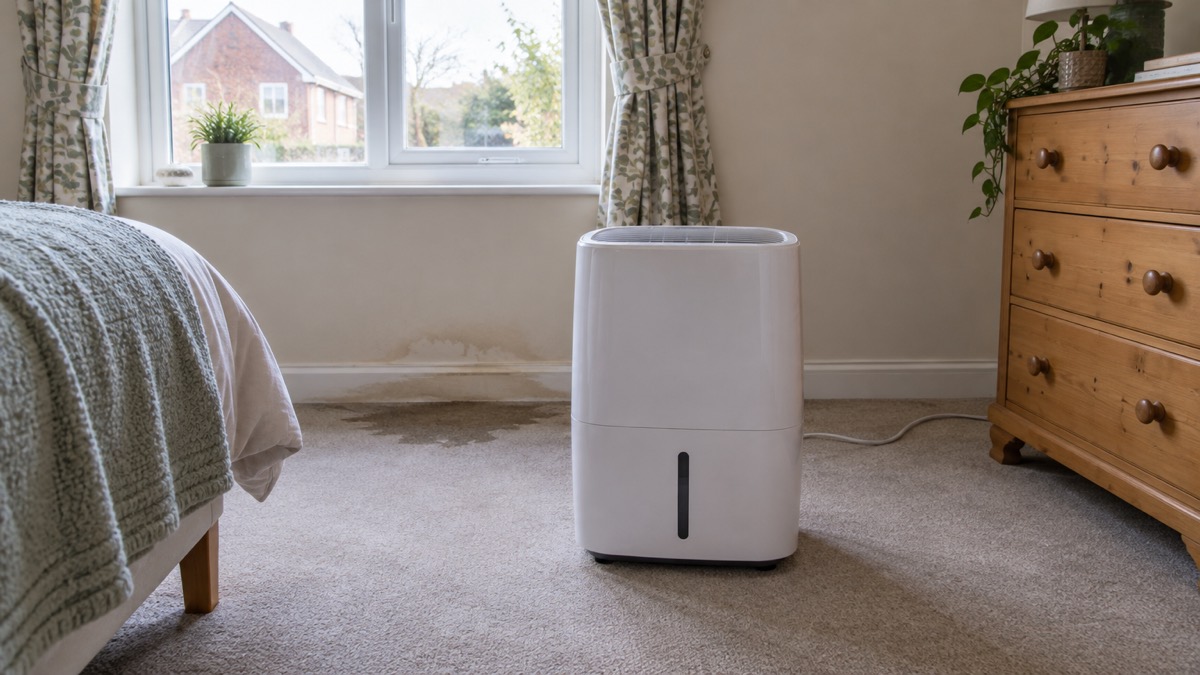
Start with the recall notice for your model. It names the maker, the fault and the remedy, and it is the document the maker and the retailer will work from. Manufacturers are expected to contact anyone who has purchased the faulty product where possible, publish details of the recall and the risk the faulty product poses, and detail what steps they are taking alongside the recall to resolve the issue10. If you have not been contacted, contact them.
If the unit is not recalled but you are worried about it, get it checked. Fire services advise getting electric heaters checked by a qualified electrician11, and the same principle applies to any appliance that smells hot, trips the electrics or shows scorching at the plug. Stop using it and have it looked at.
For a product that has been recalled, the Electrical Safety First website lists recalled items and explains what to do with your recalled appliance12. Your local fire and rescue service also publishes recall and electrical safety advice for the home27.
If a fire has actually started, get out, stay out and call 999. The What to Do If a Fire Starts in Your House page walks through that sequence, and What to Do After a Fire in Your House covers the recovery, including hiring dehumidifiers to remove water from the atmosphere15.
For households where someone depends on electrical equipment, plan for the power going off. Some equipment may stop working during a power cut, for example ventilators, oxygen concentrators, electric wheelchairs, hoists, communication devices and feeding pumps28. A dehumidifier is not in that category, but the planning habit is the same: know what stops, and what you will do. The Extra Help in an Emergency section covers households with additional needs, and Power Cuts covers what to do when the supply fails.
Ebac is the maker of the dehumidifiers covered by the April 2026 recall; its brand page is at Ebac.
Sources (28)
- Product recall: Ebac Limited air dehumidifiers, Office for Product Safety and Standards, 21 April 2026
- Product recall: ElectriQ CD10L dehumidifier, Office for Product Safety and Standards, 20 August 2024
- Cleaning up and returning home after flooding, Derbyshire County Council, 29 October 2026
- Charge safe campaign, North Yorkshire Fire and Rescue Service, 18 August 2026
- Total Recalls: making white goods safer, London Fire Brigade, 2026
- Cleaning up after a flood: health advice, North Warwickshire Borough Council, 2024
- Maintain appliances and recalls, Greater Manchester Fire and Rescue Service, 2026
- Registering your e-bike or e-scooter for safety alerts and product recalls | London Fire Brigade, London Fire Brigade
- Urgent safety check for 85,000 tumble dryers, Office for Product Safety and Standards, 10 December 2025
- Product recalls, Bath and North East Somerset Council, 27 February 2025
- Stay fire safe, Greater Manchester Fire and Rescue Service, 2026
- Electrical safety, Scottish Fire and Rescue Service, 2026
- Heating your home, North Yorkshire Fire and Rescue Service, 9 March 2026
- Health advice: stay warm and well during cold weather, NHS North Cumbria Integrated Care Board, 15 January 2024
- Steps after a fire, North Yorkshire Fire and Rescue Service, 17 June 2026
- Flooding and health: safely cleaning your home, Wiltshire and Swindon Prepared, 25 October 2026
- Keeping children safe during a flood, Northern Ireland Direct, 9 December 2025
- What to do after a flood, Natural Resources Wales, 29 October 2026
- After flood: clearing, Northern Ireland Direct, 6 May 2026
- Flooding advice, Scottish Borders Council, 29 October 2026
- After a flood, London Fire Brigade, 25 October 2026
- Flooding and health, Public Health Wales, 31 July 2026
- Private water supplies after floods or storms, Argyll and Bute Council, 2026
- Protecting your home from wildfires, North Yorkshire Fire and Rescue Service, 15 June 2026
- Home fire safety tips, Warwickshire County Council, 29 October 2026
- Snow, ice and winter ready advice, Cumberland Council, 2026
- White goods, Mid and West Wales Fire and Rescue Service, 2026
- Disabled people and carers, Ready Scotland, 25 October 2026

 FireAngel FA3313 CO Alarm
 FireAngel FA3322 CO Alarm
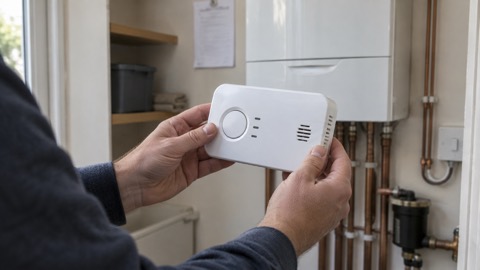 FireAngel FA3820 CO Alarm
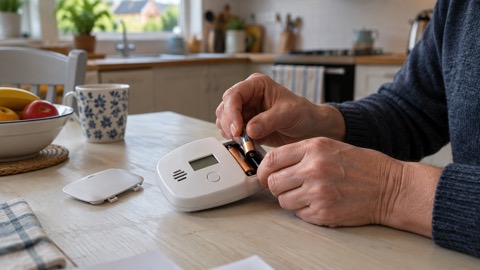 FireAngel FA6812 CO Alarm
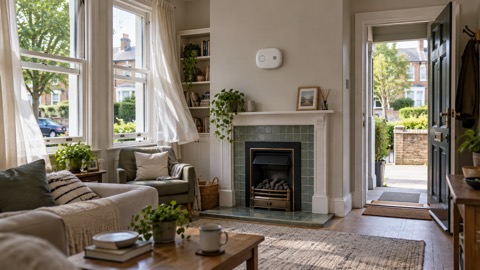 FireAngel FA6813 CO Alarm
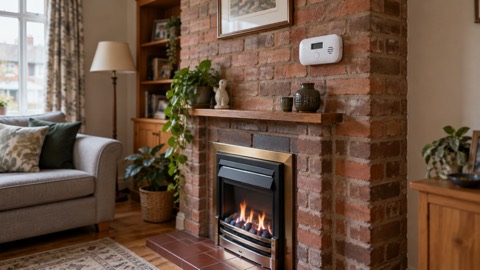 FireAngel FA6829S CO Alarm
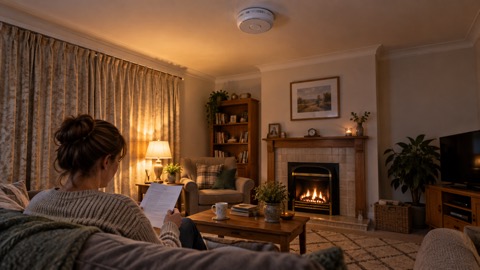 FireAngel CW1-PF CO Alarm
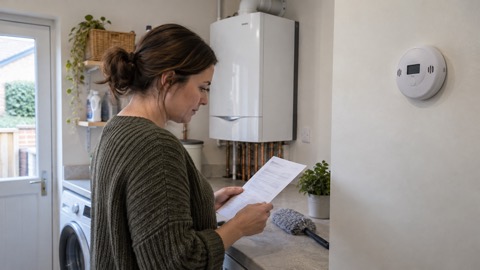 FireAngel W2-CO-10X CO Alarm
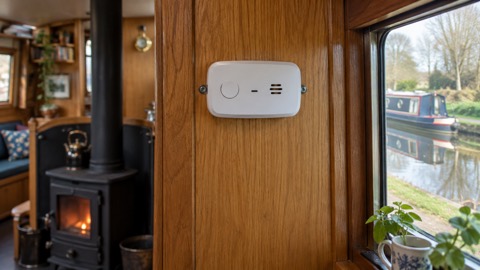 FireAngel FP1820W2-R CO Alarm
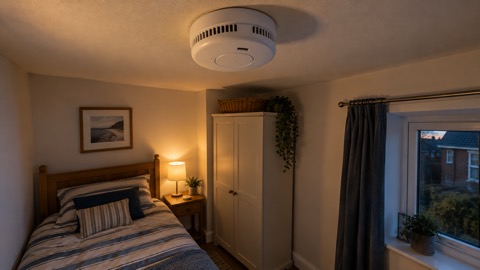 FireAngel FP2620W2-R Alarm
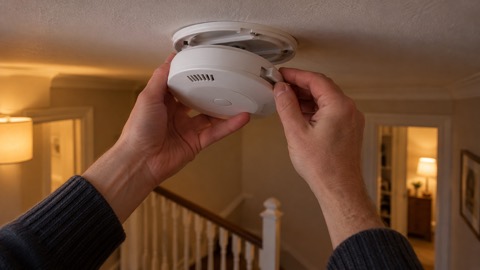 FireAngel ST-632 Smoke Alarm
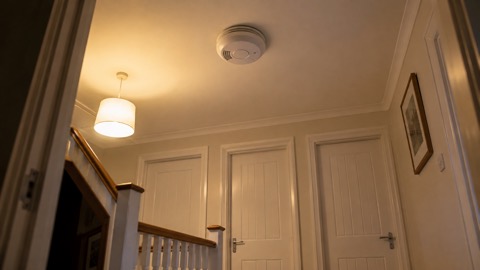 FireAngel ST-750 Smoke Alarm