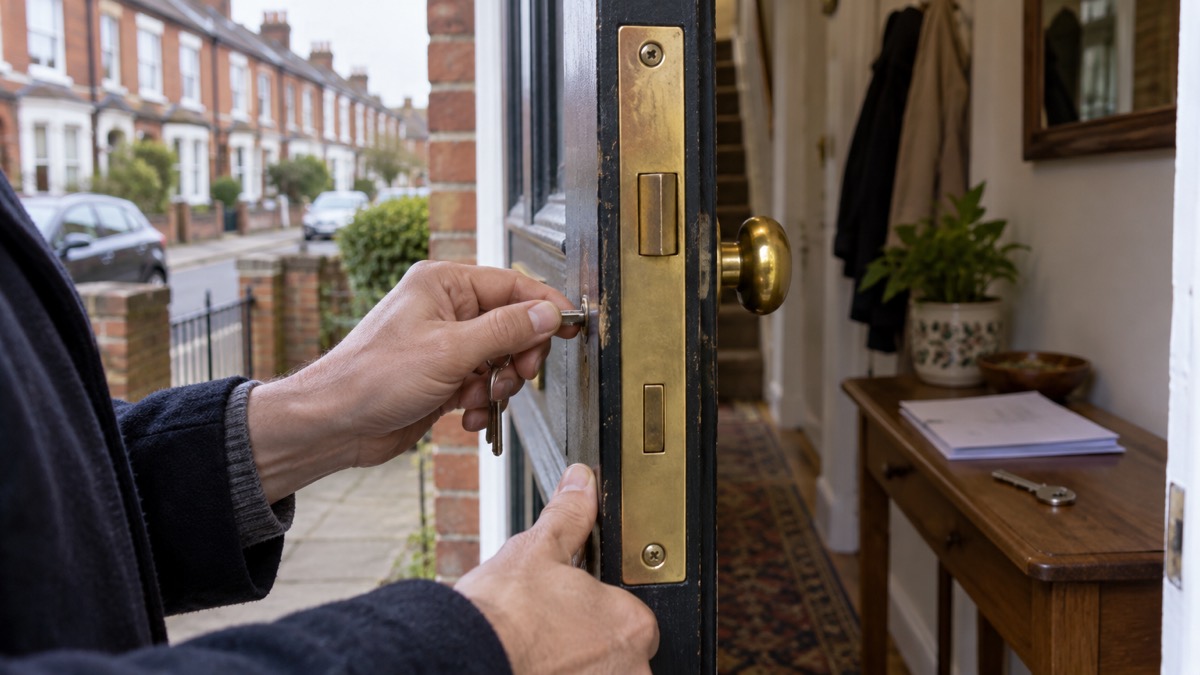
Most home insurance policies do not just cover your home, they cover it on conditions. Those conditions usually sit in the wording as security requirements: the locks on your doors and windows, whether an alarm is fitted and set, how a safe is rated if you keep valuables in one, and how many days the home can stand empty before cover changes. If a condition is not met when you claim, the insurer can reduce what it pays or refuse the claim altogether.
The practical answer is to read the security section of your policy before you need it, not after. Police guidance is blunt about what good security looks like: mortice locks on front and back doors, locks on downstairs windows and any window that is easy to reach1. Insurers commonly expect something similar, and some go further. This page sets out what policies typically ask for, what the certification marks mean, how an empty home changes your cover, and where to get help if the wording is unclear.
The lock requirements policies commonly ask for
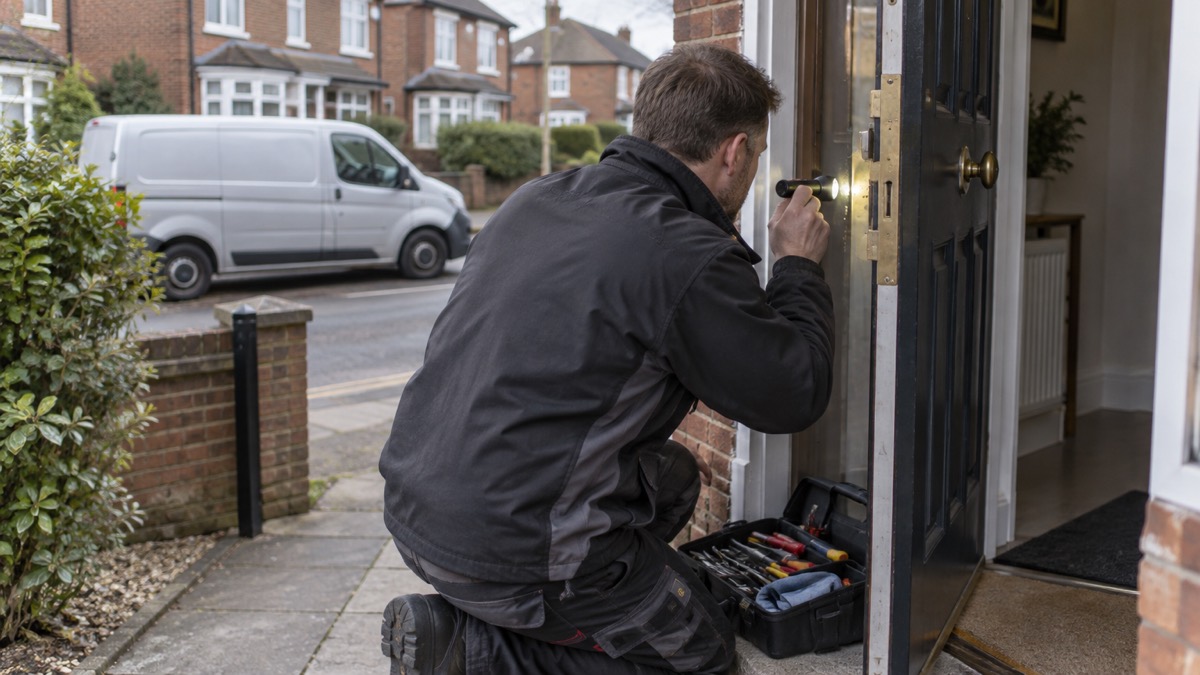
Home insurance policies, particularly contents policies, commonly require certain locks to be fitted, and the wording matters. Where a policy names a standard, the lock must meet that standard, not merely be a good lock. Police forces across the UK give the same baseline advice that most insurers work from: fit mortice locks to all front and back doors, and locks to all downstairs windows or any window that is easy to reach1. A mortice lock is set into the door itself rather than mounted on the surface, which is what makes it resistant to being forced or levered off.
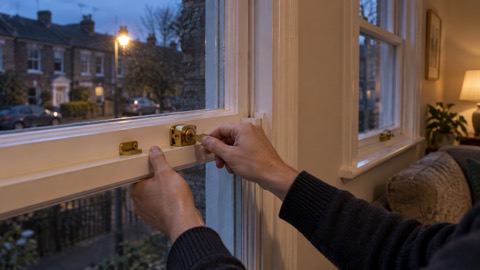
On windows, the police advice is equally specific. Fitting window locks to accessible windows reduces the chances of being burgled: it slows the intruder down and makes entry much more difficult if your home is targeted8. A burglar may be less likely to enter at all if a window has to be smashed, because smashing makes noise and leaves evidence9. For casement windows, the number and position of locks depends on the window: fit two locks opposite each hinge if you live in a high-crime area or the opening casement is bigger than one metre, and fit locks to the opening or leading edge if the window has a scissor-type hinge8.
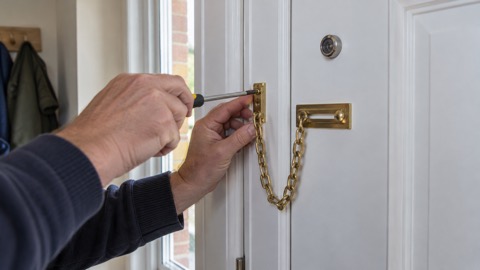
If you are unsure whether your locks meet what your policy asks for, a member of the Master Locksmiths Association can check whether your front door is secure and what it is made of, reinforce the frame, often with London and Birmingham bars, and check whether the locks and hinges are British Standard approved10. That last check is the one that matters for insurance: a locksmith can tell you in minutes whether your cylinder and mortice lock carry the marks your insurer expects. When buying new windows and doors, police advice is to buy ones certified by Secure by Design, the police-backed security standard11.
Two cautions are worth carrying alongside the security advice. First, security and escape pull in opposite directions: fire safety guidance asks you to consider window locks and security features that give a balance between security and ease of opening, because a lock that cannot be opened quickly in a fire is a hazard12. Second, a thumb turn lock, which lets you exit without a key, is worth considering so keys are not required when leaving the property in an emergency13. If your policy demands keyed locks on final exit doors, ask your insurer how it treats thumb-turn versions before you fit them.
Burglar alarm conditions and what insurers may ask for
Some policies ask you to have a burglar alarm; some give a discount for one; some ask only that you use it. The police guidance on alarms and insurance is straightforward: opportunist burglars tend to avoid houses where they can see a burglar alarm, and the cost of your home insurance may also be reduced3. That is the trade in plain terms: an alarm makes the house less attractive to a burglar and may make the premium cheaper.
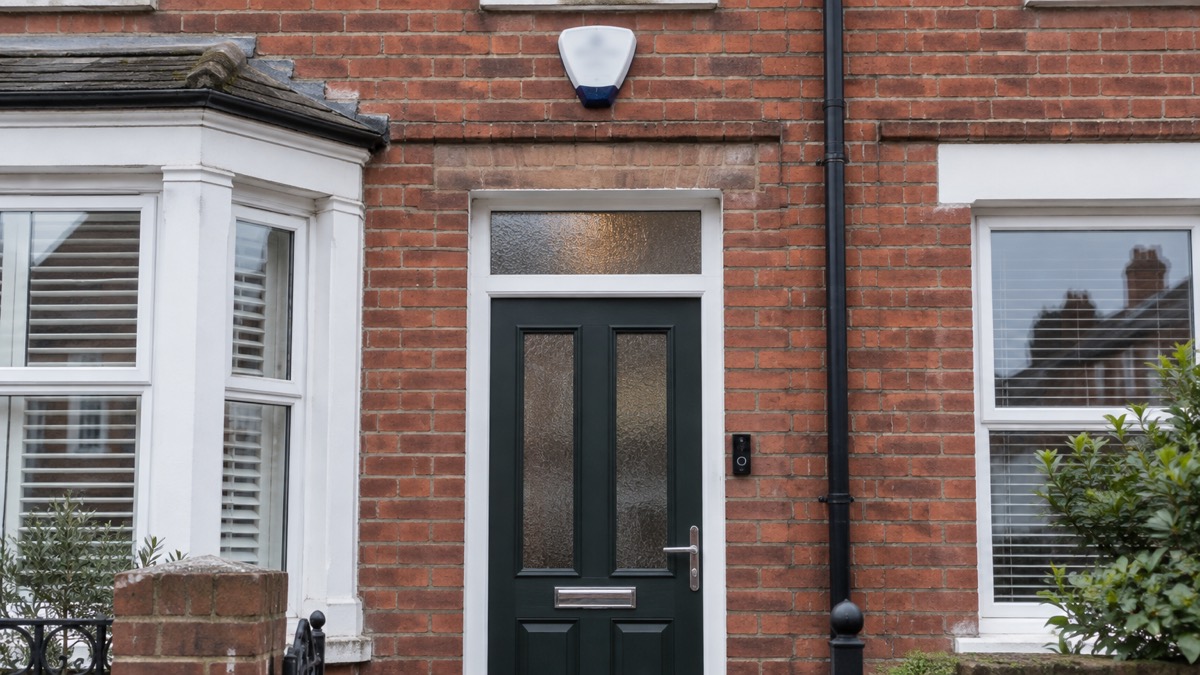
The condition that catches people out is the "set it" clause. If your policy says the alarm must be in use when the home is empty, an alarm that sits switched off while you are on holiday is an unmet condition. Police pre-holiday advice is explicit: if you have a burglar alarm, ensure it is set before you leave2. Make that part of your leaving routine, every time, not only for long absences.
If you are having an alarm installed, check who is fitting it. Police advice is that the person or company setting it up should have National Security Inspectorate (NSI) or Security System and Alarms Inspection Board (SSAIB) certification11. Some insurers ask for an alarm installed and maintained by an approved company, and NSI and SSAIB are the approvals they recognise. Ask the installer for their certification details and keep the paperwork with your policy.
What alarms and detectors should not be confused with is smoke and carbon monoxide alarms, which are a different matter and, in rented homes, a legal one. In England, landlords must ensure at least one smoke alarm on each level of the home where there is a room used as living accommodation, and a carbon monoxide alarm in any room used as living accommodation which contains a fixed combustion appliance, excluding gas cookers14. When buying alarms, look for the British Standard Kitemark and Loss Prevention Certification Board (LPCB) symbols, which show the alarm is approved and safe7. These certification marks matter for insurance too, because they are the independent evidence an insurer looks for that a security or safety product does what it claims.
Safes, key safes and what the certification marks mean
Where a policy asks for a safe, it almost always asks for a rated one. Insurers do not take a maker's word: they look for independent certification, and the two names you will meet are ECB.S and the Loss Prevention Certification Board (LPCB). The LPCB mark is one of the recognised symbols of approved and safe products7, so a safe carrying it has been independently checked rather than simply described as secure by its maker. If your policy says "cash rating of X", ask your insurer what certification they accept and check the safe's paperwork against it before you rely on it.
The same logic applies to key safes, the lockable boxes that hold a spare key for carers or responders. Official health guidance says to purchase a key safe that is police approved and meets the British Loss Prevention Standard LPS 1175, naming tested models such as the C500, P500 and Keyguard Digital XL15. An unrated key safe on an outside wall is a weak point, not a security measure, and an insurer could take the same view if a burglar used it to enter. If a key safe is part of your arrangements, choose one tested to LPS 1175 and note the model in your records.
For garden and shed equipment, the insurance point is easy to miss. Police advice is to check your household insurance policy covers garden or shed equipment and to find out if any minimum security standards apply9. Sheds and outbuildings are often covered on different terms from the house, with their own lock requirements and lower single-item limits. If you keep bikes, tools or machinery in a shed, read that section of the policy and fit what it asks for before, not after, a theft.
Smart locks and your policy wording
Smart locks raise a question traditional locks do not: what happens if the lock is compromised electronically? Independent guidance from Which? is that installing a smart lock should not void your home insurance as long as it meets British Standards, but if the lock is hacked or a password is stolen it could affect your ability to claim5. Insurers' advice is mixed, and some view a smart lock as an enhancement only when it is combined with a robust mechanical locking mechanism meeting British Standards5.
The practical reading is that the mechanical lock still does the insuring. A smart lock that operates a British Standard lock mechanism is one thing; a smart device that replaces the mechanical security entirely is another, and your insurer may not accept it as satisfying a lock condition. Before fitting one, check your policy wording for how it defines required locks, and if the wording is silent, ask your insurer in writing and keep the reply.
If you do fit a smart lock, protect it as you would any account. Which? advises: create a long, unique password, keep the software updated, and where possible connect it to other security devices such as outdoor cameras and smart security systems5. A smart lock on outdated software with a reused password is the scenario that turns an electronic convenience into a claim problem.
Unoccupancy: when an empty home changes your cover
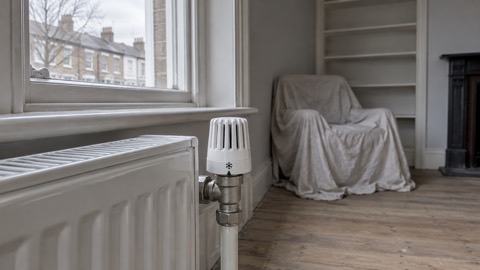
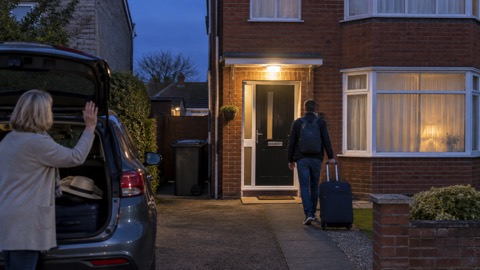
Most policies contain an unoccupancy clause, and it is the condition people most often discover only after a loss. The position from fire and rescue guidance is plain: some policies limit the number of days you can leave your home empty and still be able to claim4. The limit varies between policies, so the number to know is the one in your own wording. If you are planning an absence of several weeks, or the house will be empty between tenancies, during probate or while repairs are done, check the clause first and tell your insurer if the absence will run past it.
An empty home is also a more attractive target. Police guidance notes that housebreaking is more likely when a house looks empty11, and fire and rescue guidance warns that leaving your home empty while away carries a higher risk of burglars targeting it4. The steps that follow from that are practical ones:
- Set your burglar alarm before you leave2
- Close and lock all doors and windows16
- Do not make it obvious no one is home: leaving bins out for days or letting mail pile up is a sure sign the house is empty3
- Be careful what you say publicly: with a public profile, posting about your holiday on social media could tell an opportunistic burglar your home will be empty for a couple of weeks3
- Inform the police: if your house is unoccupied you are advised to let them know17, and fire guidance after an incident says to contact your local police station to make them aware the property will be empty18
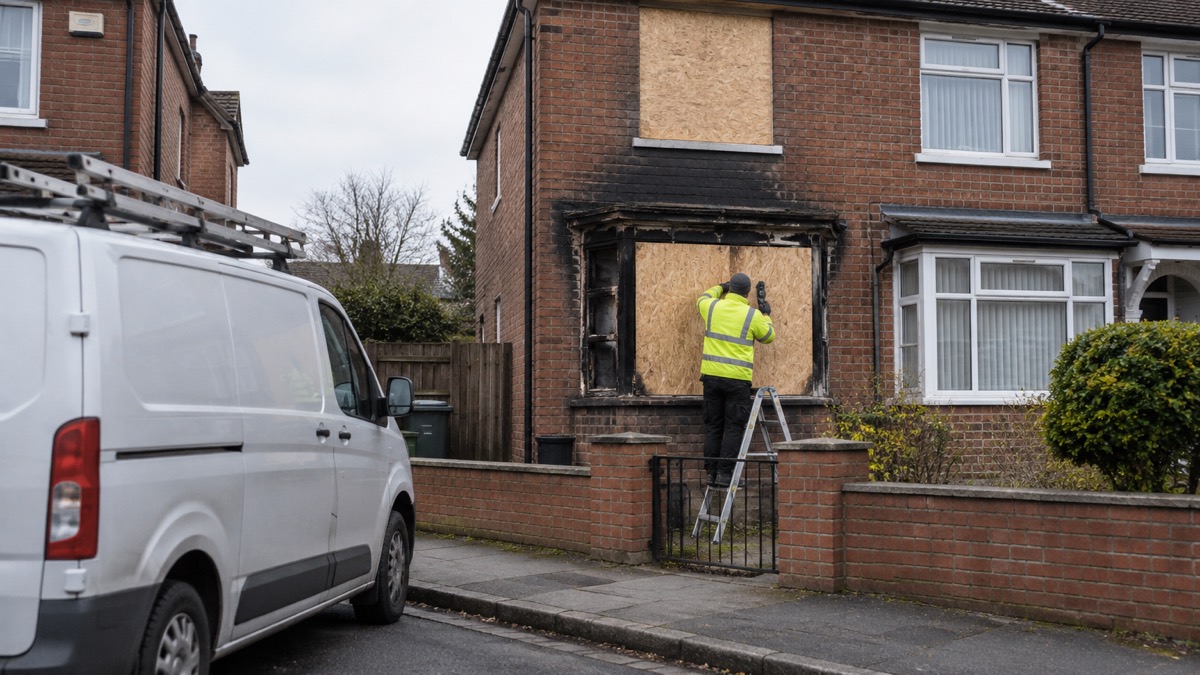
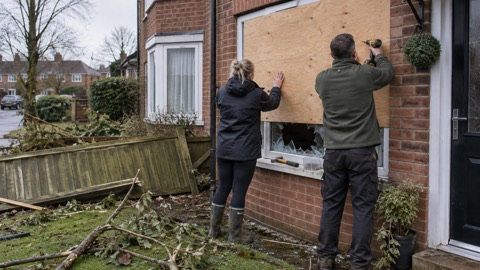
After a fire or flood, unoccupancy rules bite hardest, because the home may be uninhabitable while work is done. Fire and rescue service guidance says that if you have to leave your property unattended, close all windows and doors if possible, and if windows or doors need boarding up, a contractor can do this and your building insurance will normally pay for the work19. If a property cannot be secured and must be left unattended, the service advises closing and locking all doors and windows, removing valuables and important documents, seeking alternative accommodation and contacting the local police station to make them aware the property will be empty16. Tell your insurer the home is empty from the first conversation, because the unoccupancy clock usually starts when you leave, not when you notify them.
Keeping a claim valid: use the security your policy lists
The security conditions in a policy are not background noise; they are the terms under which the insurer agreed to pay. If the policy requires window locks and a burglar enters through an unlocked window with no lock fitted, the insurer can point to the unmet condition. The police advice on window locks explains the mechanism from the other side: a burglar may be less likely to enter if a window needs to be smashed9, and a smashed window is both evidence and noise. Meeting the condition and protecting the home are usually the same act.
The same applies day to day, not only when you go away. Fire and rescue guidance on reducing arson risk is to keep doors locked and windows closed when appropriate20. A policy that requires locks to be used when the home is empty or at night is asking for exactly that habit. Build the locking routine into leaving the house so it is not a decision each time.
Changes at home are the other route to an invalid claim. Tell your insurer about the changes that affect risk:
- Moving home: police advice includes changing your locks, if you want to, since you cannot know who holds keys to the old house11
- Older aluminium doors: if the cylinder lock protrudes beyond the frame handle, a Master Locksmiths Association member can change it to a shorter, more snap-resistant one10
- An oil leak: call your household insurance company or landlord and make them aware of the leak21
- Flood damage and repairs: insurers will usually pay for like-for-like amendments, but you are likely to have to pay for any work beyond like-for-like yourself22
The oil tank example shows how narrow policy cover can be. Some policies will only cover the cost of replacing lost oil after a theft or leak, not any clean up, and most companies will not cover you at all if a leak is caused by lack of maintenance21. Read the exclusions as carefully as the conditions: the two work together, and either can stop a claim.
Flood cover and Flood Re
Flood cover is where security conditions meet a wider insurance question: whether the peril is covered at all. Official flood guidance is to make sure your insurance provides cover against flood damage to property23, and to ensure you have home insurance in place covering both buildings, unless rented, and contents6. For homes in flood risk areas, the scheme that matters is Flood Re, an insurance scheme set up by government and insurers6. Its purpose is to help households that would otherwise struggle to get affordable flood cover. If your home has flooded before or sits in a risk area, ask your insurer or broker whether Flood Re applies to your policy.
Cover and preparation go together. If your property is at risk of flooding, official guidance is to have some sandbags or floodboards or plastic covers prepared to block doorways and airbricks23. Physical protection can also be grant-funded in some places: in Northern Ireland, the Homeowner Flood Protection Grant can give owners financial help to install physical barriers and equipment, like door barriers, air brick covers, non-return drainage outlets and waterproofing walls22. Check with your devolved government or council whether a similar scheme runs where you live.
After a flood, the insurance position on repairs matters for what you rebuild. Insurers will usually pay for like-for-like amendments, restoring your home to a similar state to before the flood, but you are likely to have to pay for any work beyond that yourself22. If you want flood-resilient materials, raised sockets or door barriers fitted during the repair, raise it with the insurer at the start of the claim, not after the work is agreed.
Where to check your policy conditions and get help
Start with your own documents. The security conditions, unoccupancy clause and exclusions are all in the policy wording your insurer sent you, usually as a PDF. Work through the wording and note anything that sets out a security requirement, a period your home can be left empty, or a loss the policy does not cover. If the wording is unclear, call your insurer and ask the question directly, then keep a note of the date, the answer and who gave it.
For the security itself, the Master Locksmiths Association can put you in touch with a locksmith who checks locks and hinges against British Standards10, and alarm installers should hold NSI or SSAIB certification11. For fire risk, which sits alongside security in any empty or vulnerable home, you can complete a home fire safety check form, offered by fire and rescue services24. Fire services also run home safety visits: depending on your circumstances you may not need a visit, but the service will give up to date guidance on reducing fire risk and free smoke alarms if required2.
If the worst happens and you need to claim, the sequence matters. Secure the property, boarding up if needed, which building insurance normally covers19; tell the police if the home is unoccupied17; and notify your insurer promptly. The security you fitted and used is what the claim will be tested against, which is the quiet argument for reading the conditions now, while they are still instructions rather than evidence.
Sources (24)
- House security guidance, PSNI, 2026-11-02
- Pre-holiday routine, Avon and Somerset Police, 2026-11-02
- Securing your home, nidirect, 2024-01-23
- Mynd ar wyliau? (Going on holiday?), Mid and West Wales Fire and Rescue Service, 2026-10-29
- Do I need a smart door lock?, Which?, 2026-04-15
- Preparing for a flood, Nottinghamshire County Council, 2026-10-29
- Fire alarms and carbon monoxide detectors, Lincolnshire County Council, 2026-10-29
- Window security advice, Avon and Somerset Police, 2026-11-02
- Home safety leaflet, PSNI, 2022
- Door security advice, Avon and Somerset Police, 2026-11-02
- Break-in and housebreaking advice, Police Scotland, 2026-11-02
- Fire escape plan, Warwickshire County Council, 2026-10-29
- Fire safety for carers, Devon and Somerset Fire and Rescue Service, 2026
- Smoke alarms and carbon monoxide alarms | Housing Standards | Cherwell District Council, Cherwell District Council
- Keeping safe and warm at home, Torbay and South Devon NHS, 2023-11
- After the Fire booklet, Mid and West Wales Fire and Rescue Service, 2013-03-11
- Be Prepared leaflet, Lancaster City Council, 2026-10-26
- Steps after a fire, North Yorkshire Fire and Rescue Service, 2026-06-17
- After a fire guidance, Devon and Somerset Fire and Rescue Service, 2026
- Reducing arson risk | Devon and Somerset Fire and Rescue Service, Devon and Somerset Fire and Rescue Service
- Domestic oil storage tank leaks, Somerset Council, 2025-07-29
- How to protect your home from flooding, nidirect, 2025-12-18
- Preparing for a flood, nidirect, 2025-09-11
- Home fire safety check, Cheshire Fire and Rescue Service, 2026-10-05
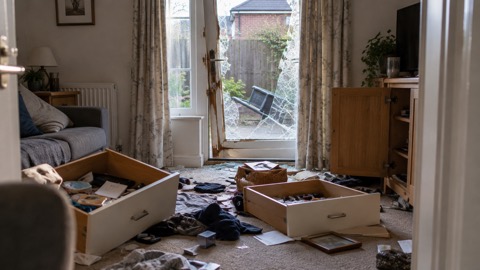 After a Break-In Checklist
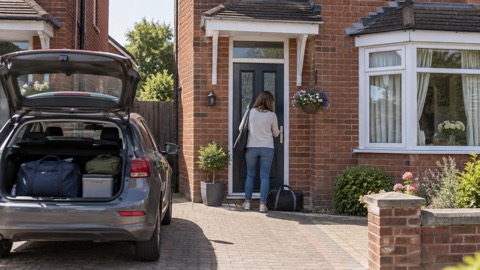 Holiday Security Checklist
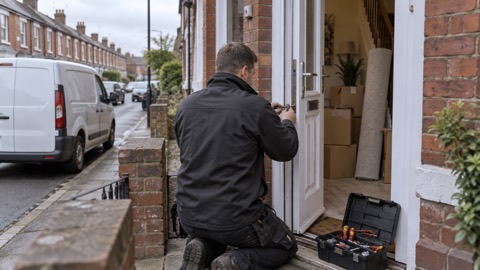 Moving Home Locks Checklist
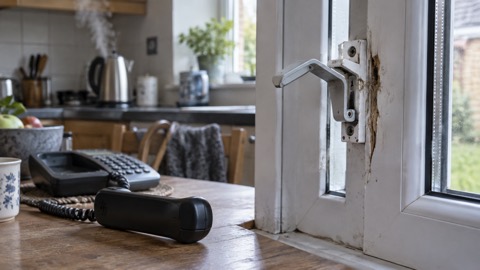 After a Burglary
 Bogus Callers
 Coming Home to a Break-In
 Catalytic Converter Theft
 Riots and Disorder Near Home
 Securing a Damaged Home
 Dogs as a Burglar Deterrent
 Doorstep Selling and Your Rights
 Empty Homes and Long Absences
 Leaving Home on Holiday
 How Burglars Choose a Home
 Keyless Car Theft