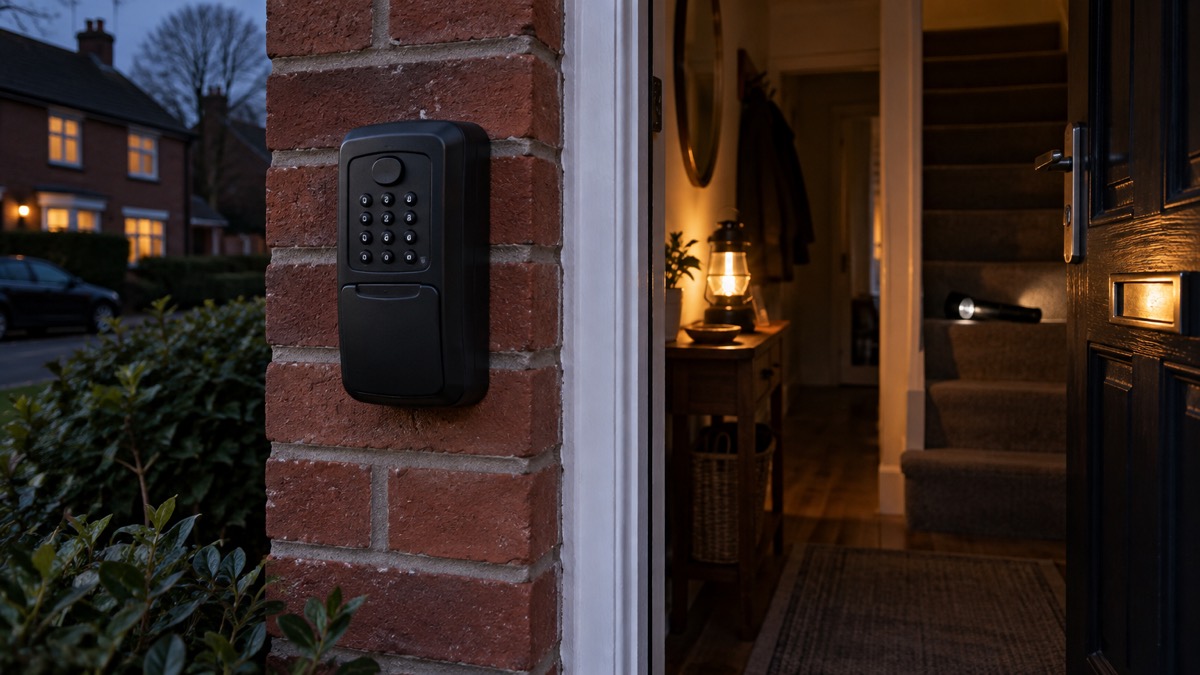
A key safe is a lockable box fixed to an outside wall that holds a key, so that carers, family or emergency services can get into your home when you cannot reach the door yourself1. The Keyguard Digital XL is one of them, and its distinguishing feature is its certification: the maker states it is the first key safe to be successfully certified to LPS1175 Issue 8, independently tested and certified to LPS1175 Issue 8 A52. That is the British Loss Prevention Standard, and official NHS guidance names the Keyguard Digital XL among key safes that are police approved and meet it3.
For a household preparing for emergencies, that matters more than it might sound. The situations where a key safe earns its place are exactly the ones on this site: a fall at home, a fire at night, a power cut that takes out a telecare alarm, a flood evacuation where a neighbour needs to check on the house. In each case the question is the same, can someone get in without breaking a door down, and a certified key safe is the answer that the fire and rescue service, the NHS and councils all point to.
This page sets out what the Keyguard Digital XL is, what its rating means, how to set and change the code, how to keep it working outdoors, and how to use it so that the right people can get in and nobody else can.
What the Keyguard Digital XL is and who it suits
The Keyguard Digital XL is a digital key safe: a secure box with a combination lock kept outside your home, which can be accessed by anyone you have shared the combination code with5. It is made by Keyguard, the key safe range from Burton Security, and it appears in the maker's July 2024 product guide alongside the rest of the range2.
It suits a household in three broad circumstances. The first is a home where someone has care visits, because a key safe lets a carer in without the household having to answer the door or hand over a key each time. The second is a home where someone is at risk of falling or becoming unwell and might not reach the door: NHS Inform's falls guidance suggests leaving a spare key in a police-approved key safe so that people can get to you quickly6. The third is a household that wants a spare key available to a trusted neighbour or relative in an emergency without hiding a key under a plant pot.
The maker's own description of the range is "Secure key storage devices from entry level to Police approved, Secured by Design product, some with independent certified assurance"4. The Digital XL sits at the certified end of that range. If you are weighing up whether a key safe is right for your household at all, the wider guide to key safes and letting carers and responders in covers the alternatives, and the page on where to fit a key safe for emergency access deals with siting in detail.
Security rating: what LPS1175 Issue 8 A5 means
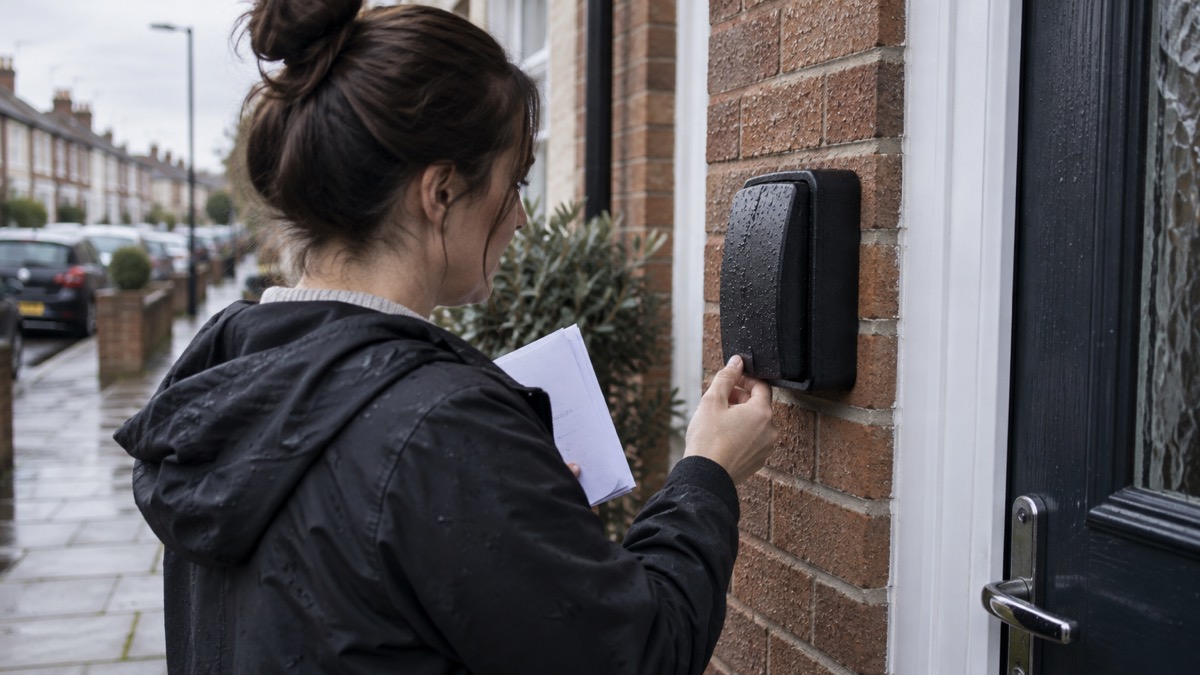
LPS1175 is the British Loss Prevention Standard, and it is the benchmark that official guidance reaches for when it tells people to buy a key safe. NHS guidance is explicit: "purchase a key safe that is police approved and meets the British Loss Prevention Standard LPS 1175", and it names the Keyguard Digital XL as an example3. The standard is tested against attack, so a rating is a statement about how long the product resists someone trying to force it, not a marketing label.
The Keyguard Digital XL carries two claims that matter here. The maker states it is "the world's first key safe to be successfully certified to LPS1175 Issue 8", and that it is "Independently tested and certified to LPS1175 Issue 8 A5"2. The word independently is the important one: the certification comes from testing, not from the maker's own assessment.
The second claim is police approval. The maker lists the key safe range as including a Secured by Design product4, and Secured by Design is the official UK Police flagship initiative combining the principles of designing out crime with physical security7. Secured by Design's own guidance states that "All the security products that are recommended in these guides meet the 'Police Preferred' specification"8. Age UK's summary is the plainest: "Security products licensed by Secured by Design have passed police standards and tests"5.
| Feature | What the maker or guidance states | Source |
|---|---|---|
| Loss Prevention Standard | Independently tested and certified to LPS1175 Issue 8 A5 | 2 |
| Police approval | Named in NHS guidance as police approved and meeting LPS 1175 | 3 |
| Secured by Design | Key safe range includes a Secured by Design product | 4 |
| Code combinations | Over 4,000 possible codes | 2 |
| Warranty | Five years | 2 |
If you want to check any security product's police approval for yourself, the guide to how to tell if a security product is police approved sets out what the labels mean. The narrower question of which key safes are police preferred covers the field beyond this one model.
Code security: over 4,000 combinations, and how to choose one
The Keyguard Digital XL offers over 4,000 possible code combinations, according to the maker's datasheet2. That is a meaningful number for a key safe, because the weakness of any combination lock is a code someone can guess: a four-digit code of the obvious kind, a birthday or a house number, is the first thing anyone trying the box will enter.
The National Cyber Security Centre's advice on passwords translates directly to a key safe code. Its guidance is blunt about defaults: "If your smart device comes with a default password (like 0000), change it immediately"9. The same instruction appears in the NCSC's guidance on smart devices and on smart security cameras: if the device comes with a default password, change it10. A key safe that arrives with a factory code is no different. Change it before the box goes on the wall, not after.
A code that is easy to remember and hard to guess is the aim. The Keyguard Digital XL offers over 4,000 possible code combinations, and the code can be changed multiple times1. Pick something with no connection to your address, your phone number or your date of birth, and avoid sequences.
Changing the code: reset it as often as you need
The code can be reset as often as you need, and there is no reason to be precious about it. The moments that call for a change are predictable:
- A carer, cleaner or contractor who knew the code stops coming.
- A relative who had the code moves away or the relationship changes.
- A key goes missing, or you are not sure who has been told the code.
- You review your household emergency plan, which official fire safety guidance suggests doing at least every 12 months12.
That last point is the one people forget. A key safe code is part of your emergency plan, and the Keyguard Digital XL lets you change the code multiple times, so a code that has been shared too widely can be replaced1. Put the code change on the same annual list as testing smoke alarms and checking the emergency kit.
When you change it, tell everyone who needs the new code before you close the box, and tell them not to write it down where it can be found. If you use a telecare or community alarm service, tell the control centre the new code too, because the control centre can store the key safe PIN and pass it on to friends, family or the rapid response service in an emergency13.
Sharing the code safely, and letting responders in
A key safe only works if the right people know the code and the wrong people do not. The practical rules are simple.
- Tell the emergency services the code when you call. Fire and rescue guidance for people with mobility difficulties and for people with sight difficulties says the same thing: if you have a key safe outside your property or an access code to the property, tell the emergency services when calling them in an emergency14. The Welsh Ambulance Service gives the same advice for falls: make sure someone trusted has a key or you have a key safe outside, and make sure emergency services are aware of the code16.
- Keep it out of sight. Police Scotland's burglary advice suggests considering a key safe that meets the Sold Secure gold standard and keeping it out of sight17.
- Use the alarm service if you have one. Warwickshire County Council's assistive technology guidance notes that the control centre can store the key safe PIN and pass it to friends, family or the rapid response service in an emergency13.
- Tell the people who check on you. Alzheimer's Society guidance suggests installing a keysafe, a small safe on the outside of your home holding a spare set of keys, accessed by entering the correct code18. Carers UK Scotland notes that electronic door locks requiring a code can keep someone safe at home and can be used by trusted professionals as well19.
"If you have a key safe outside your property or an access code to the property, it is a good idea to tell the emergency services when calling us in an emergency."
For a household with an older or disabled member, the wider guide to extra help in an emergency covers the Priority Services Register and the other routes to support. The page on keys, spares and hiding places explains why a key safe beats a key under a stone.
Weather-resistant cover: keeping the keypad working outdoors
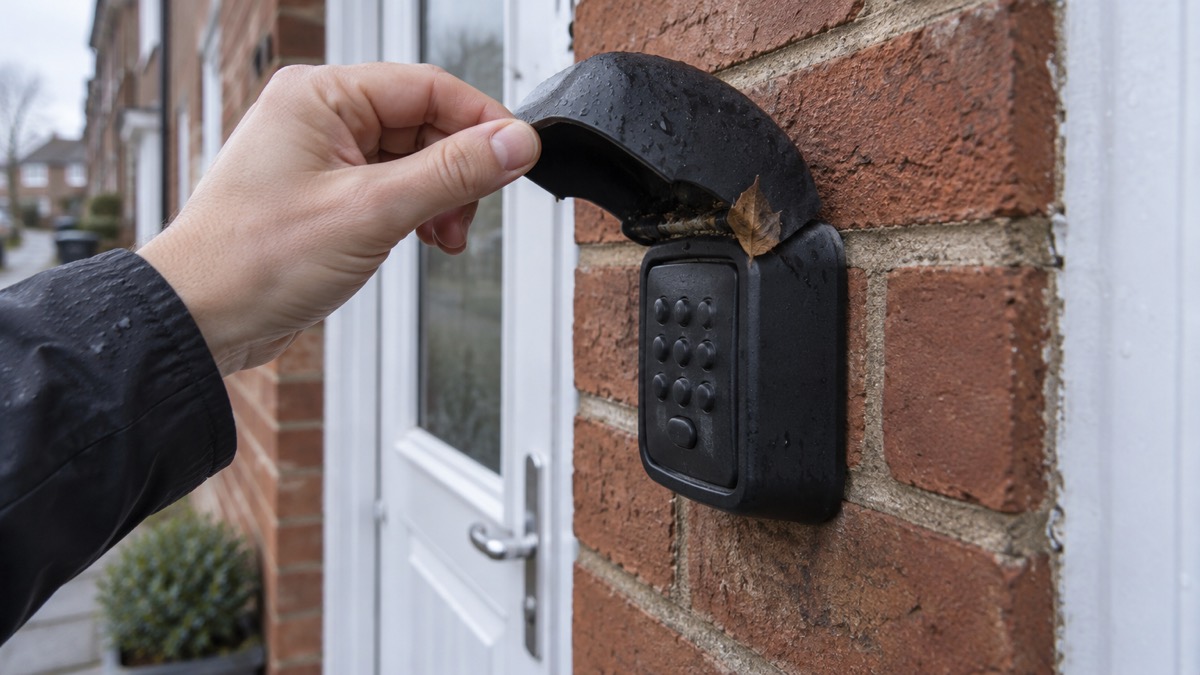
A key safe lives outside, so it has to survive what the weather does to it. The Keyguard Digital XL has a weather-resistant cover over the keypad, which is the part that matters: a keypad full of water or grit is a keypad that will not take a code when someone needs it to.
The general principle is well established in official guidance for anything electrical kept outdoors. Electrical Safety First's advice is that if you are working with electrical equipment in the garden, always use an outdoor waterproof electric socket protected by an RCD20, and that if using an outdoor socket, ensure it is splashproof or waterproof21. A key safe is not mains powered, but the same logic applies: outdoor equipment needs protection from water to keep working.
Storms are the other risk. Lancashire Prepared's storm guidance is to secure outdoor items such as bins, garden furniture and trampolines to prevent them being blown into roads or through windows22. A key safe is fixed, but the cover and the keypad are exposed, and a loose cover after a gale is worth checking. The Resuscitation Council's guidance on public access defibrillator cabinets makes the point plainly for any outdoor box that has to work in an emergency: "The cabinet should also be weatherproof"23.
Fitting it, keeping it ready and getting support
Fitting is a job for someone who can fix securely into a solid wall, and the siting matters as much as the fixing. Keep the box out of plain sight from the street, within reach without a ladder, and away from a door that can be reached and covered by a passer-by. Police Scotland's advice to keep a key safe out of sight is the principle to follow17. If you rent, get permission before drilling. The dedicated guide to where to fit a key safe for emergency access works through the options.
Keeping it ready is a short annual routine:
- Open the box and check the key still turns the lock.
- Check the cover sits flush and the keypad is clean and dry.
- Change the code if anyone who knew it has left.
- Tell your insurer and your alarm service the model and the code.
- Check the warranty paperwork is filed.
The Keyguard Digital XL carries a five year warranty from the maker2, so keep your proof of purchase. For faults, replacement parts or a warranty claim, contact the maker through the details on its own site. The maker lists a single product variation for the Keyguard Digital XL4, so there is no size or finish to match when you are ordering a replacement.
A key safe is one layer of a household's security, not the whole of it. Gloucestershire Police's burglary campaign notes that installing a "WIDE" combination of security devices gives 49 times more protection against burglary compared to no devices being installed24. The home security guide sets out the other layers, and the guides to doors and locks and home safes cover what else is worth doing.
Sources (24)
- Equipment, Devon and Somerset Fire and Rescue Service, 2026
- Burton Security Product Guide July 2024, Burton Security, July 2024
- Keeping Safe and Warm at Home, Torbay and South Devon NHS Foundation Trust, 2023
- Key Safes, Burton Security, 2026
- Staying Safe, Age UK, 2024
- What to do if you fall, NHS Inform, 2026
- Ultion Lock, Ultion, 2026
- Cyber Security Advice, Secured by Design, 2026
- Using passwords to protect your devices and data, National Cyber Security Centre, 2026
- Security law for smart devices, National Cyber Security Centre, 2024
- Smart security cameras: using them safely in your home, National Cyber Security Centre, March 2020
- Residential Personal Emergency Evacuation Plans: A Guide for Responsible Persons, London Fire Brigade, October 2026
- Assistive Technology, Warwickshire County Council, October 2026
- Fire Safety for People with Mobility Difficulties, Devon and Somerset Fire and Rescue Service, 2026
- Fire Safety for People with Sight Difficulties, Devon and Somerset Fire and Rescue Service, 2026
- Some of the Reasons People Call 999, Welsh Ambulance Service, October 2026
- Break-in and Housebreaking, Police Scotland, November 2026
- Keeping Secure at Home, Alzheimer's Society, October 2026
- Technologies to Make Life Easier, Carers UK Scotland, October 2026
- New Parents, Electrical Safety First, October 2026
- Chainsaws, Electrical Safety First, October 2026
- Storms and Gales, Lancashire Prepared, October 2026
- Public Access Defibrillators: A Guide for Communities, Resuscitation Council UK, October 2025
- Burglary, Gloucestershire Constabulary, November 2026
 ABS Ultimate Series Cylinder
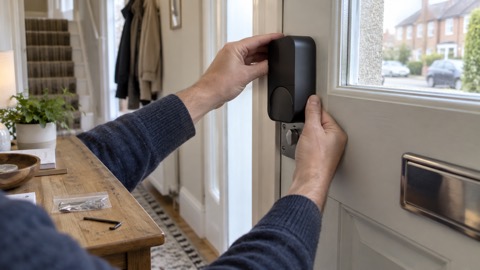 Aqara Smart Lock U200 Lite
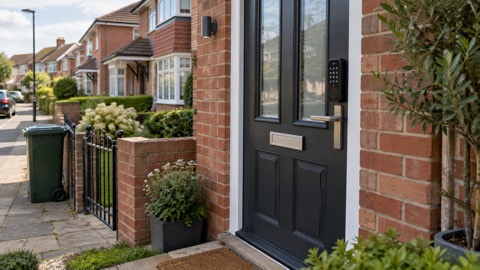 Aqara Smart Lock U200
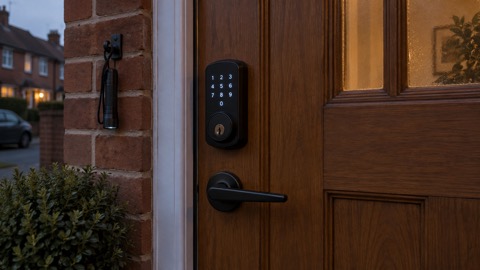 igloohome Deadbolt 2S
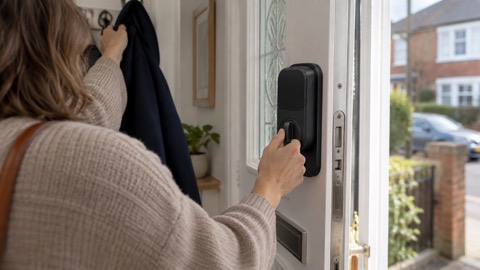 Nuki Smart Lock Go
 Nuki Smart Lock Pro
 SwitchBot Lock Ultra
 Ultion ALPS Cylinder
 Ultion Nuki Smart Lock