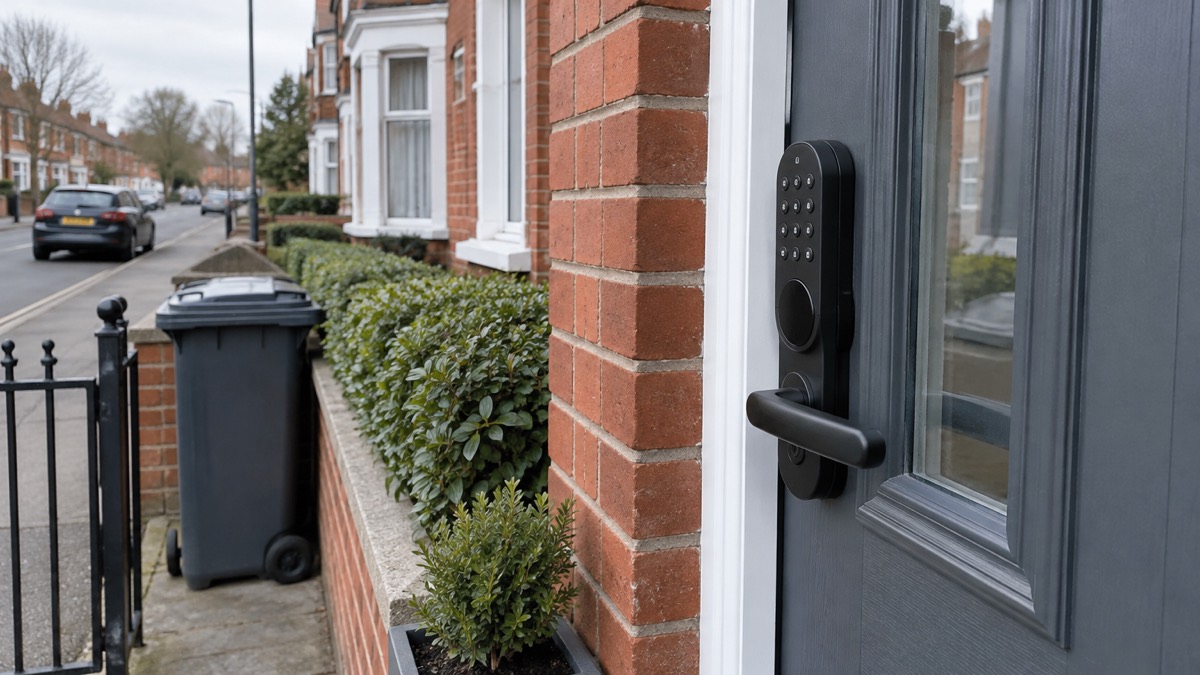
The Nuki Smart Lock Pro is a retrofit smart lock that fits over the cylinder on the inside of your door and turns the key for you. It is not a replacement lock: your existing cylinder stays, and the lock sits on the inside face, so the outside of the door looks much as it did. Nuki describes it as its most advanced retrofit solution1. For a household thinking about emergencies, that matters in a specific way: the lock changes how you get in and out, and how you let someone else in, when the usual routine is disrupted.
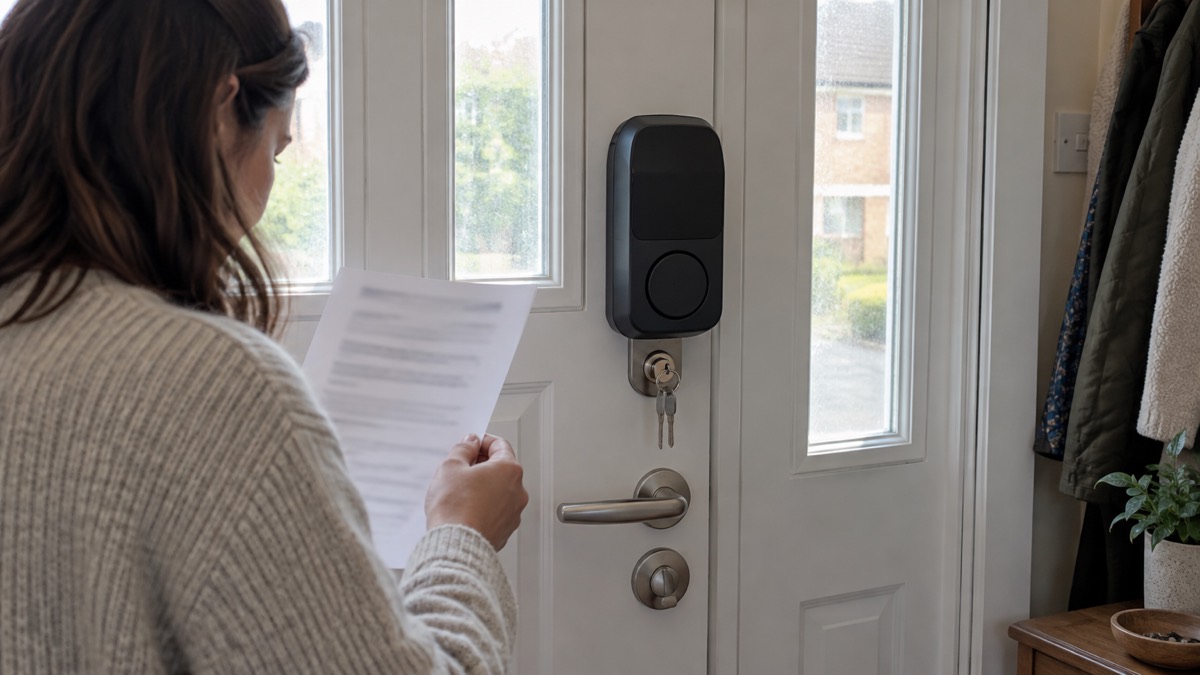
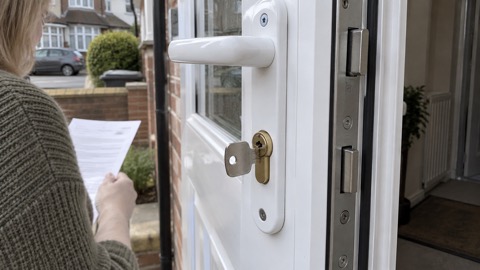
Before you buy, three measurements decide whether it will fit. Nuki states the key must be no thicker than 4 mm and protrude no more than 37 mm. The keyhole must sit more than 30 mm from the handle on a door that opens outwards, and more than 40 mm from the frame on the same door; on a door that opens inwards, it must be more than 30 mm from both the frame and the handle. If your cylinder sticks out, the lock fits only if the overhang is less than 6 mm and you use the stick-on mounting plate.
What the Nuki Smart Lock Pro is and how it fits inside your door
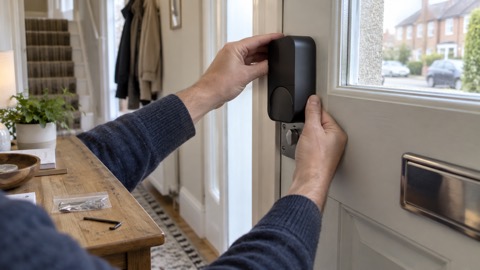
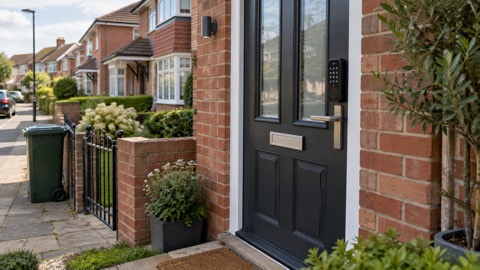
The Smart Lock Pro is a motorised unit that mounts on the inside of the door over the existing cylinder and turns the key. Nuki's own fitting instructions are explicit: install the Smart Lock Pro and the Door Sensor on the inside of your door3. The outside face keeps its cylinder and handle, and you add whatever entry device you choose, such as a keypad, on the outside.
That arrangement has a practical consequence for a household. The lock does not change the physical security of the door in the way a new cylinder or a British Standard lock does. It changes how the door is operated: by app, by keypad, by fob, or by hand. If you are working through Doors and Locks: Standards, Cylinders and Making Entry Harder, treat the Smart Lock Pro as an addition on top of a sound door and cylinder, not a substitute for one.
Nuki states the lock integrates into many common systems, including smart assistants, intelligent doorbells and smart home hubs3. That is the point of a retrofit lock for preparedness: it can sit inside a wider set-up without rewiring the door.
Keyhole clearance: at least 30 mm to the handle, 40 mm to the frame on outward doors
Clearance is the first thing to check, because it cannot be adjusted after the fact. Nuki gives different figures depending on which way the door swings, and the difference is not cosmetic: on an outward-opening door the frame is on the other side of the keyhole, so the lock needs more room there.
| Door type | Distance to handle | Distance to frame |
|---|---|---|
| Opens outwards | more than 30 mm | more than 40 mm |
| Opens inwards | more than 30 mm | more than 30 mm |
Source: Nuki compatibility guide.
Measure from the centre of the keyhole, not the edge of the cylinder. If you are close to the limit, measure twice: a lock that fouls the handle or the frame will not sit flat, and forcing it risks damaging the door.
The key itself is the second constraint. Nuki states the key must be no thicker than 4 mm and protrude no more than 37 mm to fit inside the Smart Lock Pro. A long key with a thick bow will not seat. If your only key is like that, a locksmith can cut a shorter one, but check the cylinder first.
Working with multipoint locks, emergency function cylinders and any number of locking turns
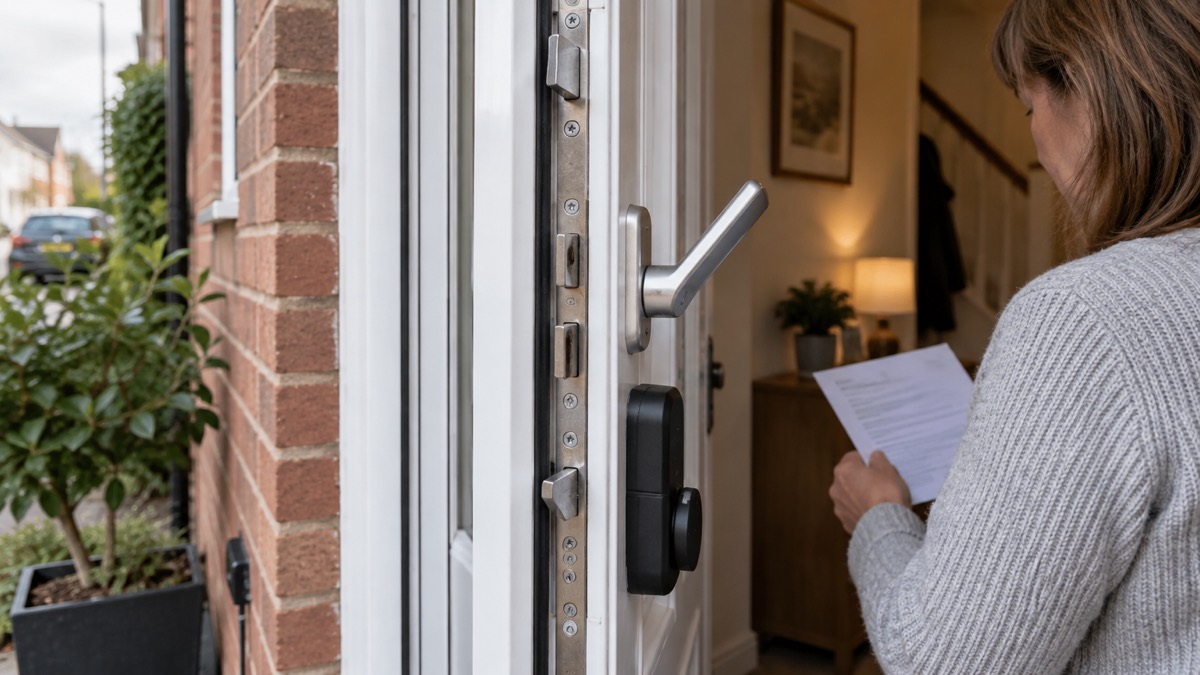
Many UK doors, especially uPVC and composite front doors, use multipoint locks that throw several bolts at once and may need two or three turns of the key. Nuki states the Smart Lock Pro works regardless of how many locking turns your cylinder requires, and that it is strong enough to operate multipoint locks. That removes the most common reason a retrofit lock will not work on a modern front door.
The emergency function is the other feature worth understanding before you rely on the lock. Nuki states the lock works with cylinders that have the emergency function, which lets you unlock from outside even if a key is inserted inside, with the inside and outside keys turning synchronously. Without that function, a key left in the cylinder on the inside can block the outside key, and by extension the lock's ability to let you in.
For a household, this is the difference between a lock that works when someone is at home and one that works only when the inside is clear. If you keep a key in the lock overnight, check whether your cylinder has the emergency function before you depend on remote entry.
Nuki also states the Smart Lock Pro is compatible with most common European cylinder types. If your cylinder is unusual, or you are unsure, the maker's compatibility guide is the place to check rather than a guess at the door.
Remote access and smart home links through its built-in WiFi
The Smart Lock Pro has a built-in WiFi module that connects it directly to your home WiFi, so you can reach it remotely without adding a separate hub2. That is a meaningful difference for preparedness: fewer boxes to power, fewer things to fail, and one less device to keep updated.
Nuki states that no mandatory user account is required, and that all its products except the Nuki Box can be used without an account4. If you want to use Nuki Web, the maker states you need remote access to your Smart Lock and an account5. So the account is optional for the lock itself but required for the web portal.
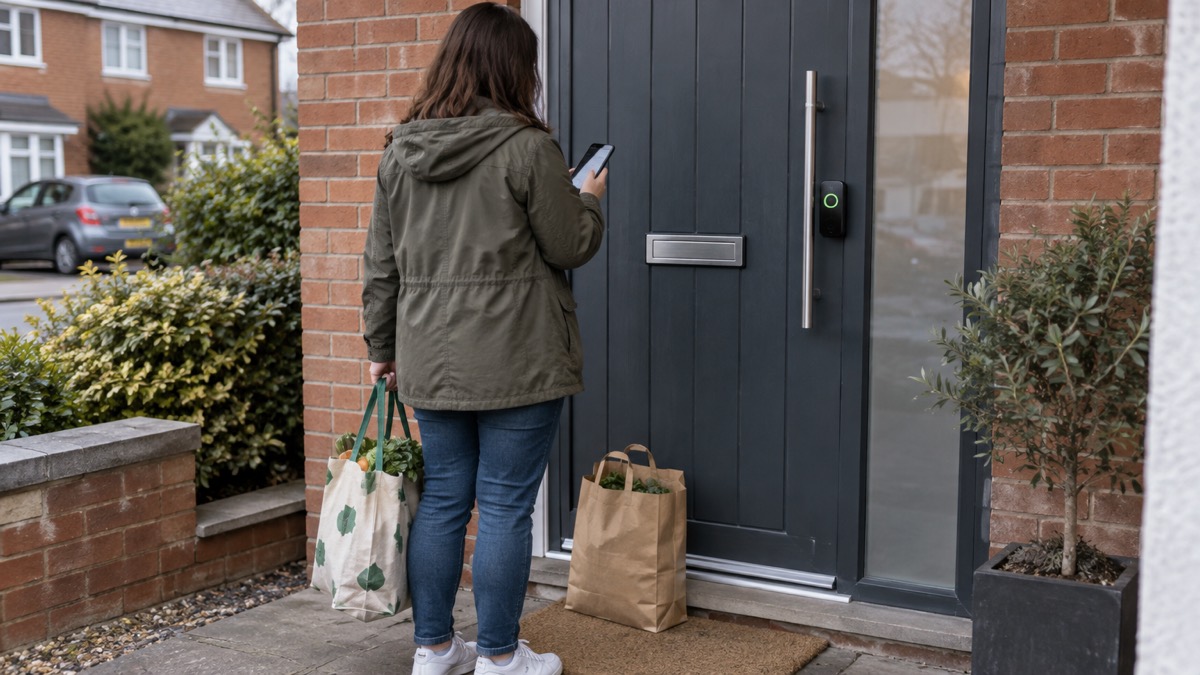
For a household, the practical question is what happens when the internet is down. The lock still works at the door by key, keypad or fob; what you lose is remote access. If your emergency plan depends on letting a carer or a relative in from a distance, keep a second route: a key safe, a neighbour with a key, or a keypad code you can give out. Smart Locks: How They Work and What to Check sets out the wider questions to ask before choosing one.
What it does for a household in an emergency
A smart lock earns its place in a preparedness plan at the points where the normal routine breaks. Three matter most.
Getting out in a hurry. If you have to leave quickly, a lock that opens by app, keypad or fob, without hunting for a key in the dark, is one less delay. The same applies to a household where someone has restricted mobility: Warwickshire County Council notes that smartphone or voice-activated systems can control door opening alongside heating and lights6. Carers UK Scotland notes that voice-activated systems require that speech is not impaired7, so voice control is not a substitute for a physical route out.
Letting someone in when you are not there. A carer, a relative or a responder can be given a code or remote access rather than a key. That is useful during a flood, a storm or a hospital stay. It also means the code is a secret worth managing: change it when the reason for it ends.
Keeping the door usable when the power is off. The lock is battery-powered and sits on the door, so a power cut does not stop it working at the door. What a power cut does stop is your WiFi, and with it remote access. Do Smart Locks Work in a Power Cut? covers the wider picture, and Keeping Your Home Protected in a Power Cut covers the household side.
Fitting, safety and keeping it ready
Nuki states the Nuki Access Kit is ready to go in just a few minutes, with no screws or drilling required, and includes the Smart Lock Pro, a Door Sensor and a Keypad 23. That is the maker's description of its own kit; the fit still depends on the clearances above.
On the cylinder, Avon and Somerset Police advise that if the cylinder lock protrudes beyond the frame handle, you should get a member of the Master Locksmiths Association to change it to a shorter, more snap-resistant one8. That advice is about the cylinder, not the smart lock, but it bears directly on whether the lock will fit and on the door's security. Northern Ireland's nidirect guidance notes that a door not in good condition should be replaced with one at least 44 millimetres thick, which allows for a mortise lock. A smart lock on a poor door is a smart lock on a poor door.
To keep the lock ready:
- Check the batteries on a routine, not when you are locked out. How Long Do Smart Lock Batteries Last? sets out what affects it.
- Keep a physical key somewhere you can reach it, and know where it is.
- Keep the app and the lock's software updated.
- Test the keypad code and the remote access before you rely on them, not during an emergency.
- If you rent, check the tenancy terms first: Smart Locks in Rented and Shared Homes.
Support, warranty and where to get help
Nuki publishes its compatibility guide and product pages, and the maker's own instructions are the authority on fitting and safe use3. For warranty terms, check the documentation supplied with the lock; the maker's page is the place to confirm what is covered and for how long.
If you are choosing between a smart lock and a traditional one, Smart Lock or Traditional Key Lock? sets the two side by side. If you want the wider picture on door security, start with Home Security: A Household Guide, and for the maker's other products see Nuki.
Sources (8)
- Nuki Smart Lock Pro product page, Nuki, 2026-11-03
- How Nuki works, Nuki, 2026-11-02
- Nuki Access Kit, Nuki, 2026-11-03
- Privacy and security, Nuki, 2024-10-16
- Nuki app and Nuki Web, Nuki, 2026-11-02
- Assistive technology, Warwickshire County Council, 2026-10-29
- Technologies to make life easier, Carers UK Scotland, 2026-10-25
- Securing doors and windows, nidirect, 2024-08-27
 ABS Ultimate Series Cylinder
 Aqara Smart Lock U200 Lite
 Aqara Smart Lock U200
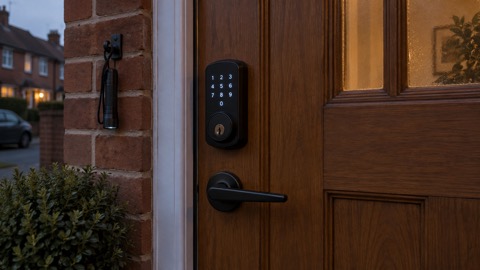 igloohome Deadbolt 2S
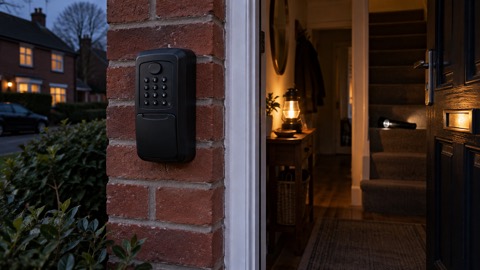 Keyguard Digital XL Key Safe
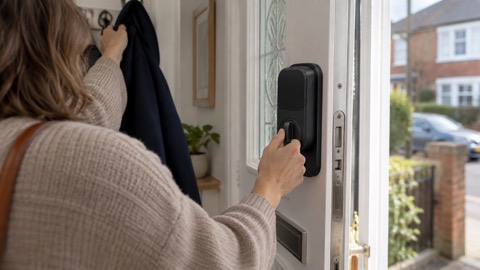 Nuki Smart Lock Go
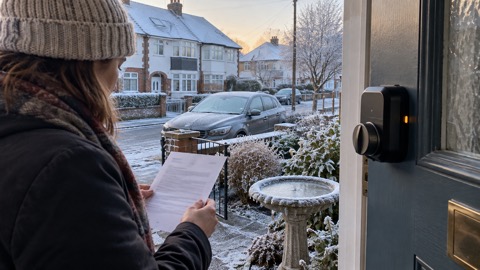 SwitchBot Lock Ultra
 Ultion ALPS Cylinder
 Ultion Nuki Smart Lock