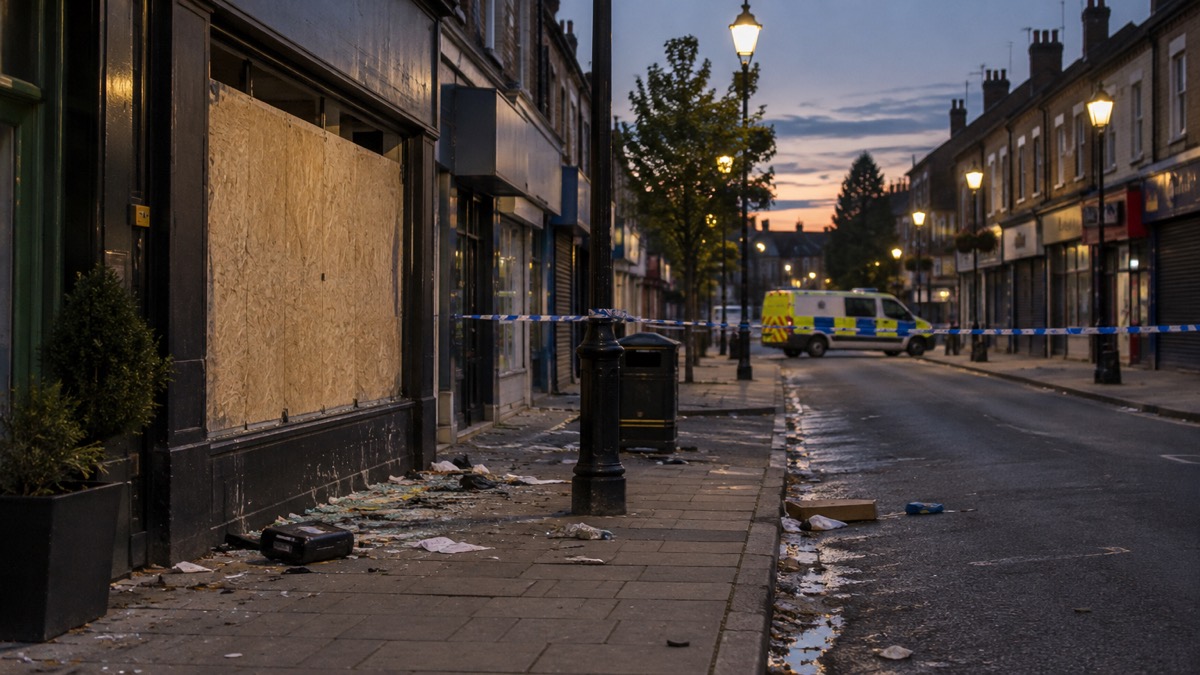
Civil disorder near your home, whether a protest that turns violent, a riot or sustained antisocial behaviour on your street, is first and foremost a matter of personal safety. The consistent advice from police and emergency planners is simple: call 999 if you or anyone else is in immediate danger1, and otherwise go inside, stay inside and tune into local radio and official information2. The police lead the response to disorder in the street, and your job as a household is to stay out of the way, keep yourself informed and pass on what you know.
This page sets out what to do in the order you will need it: when to call 999, when 101 is the right number, what the police will actually be doing, what to do if you are told to evacuate, how to stay safe indoors while disorder continues, how to report what you saw anonymously, and how to protect yourself from the scams that often follow an incident.
Call 999 if you feel threatened or in danger
The rule is the same whichever police force area you live in: call 999 if you or someone else is in immediate danger1. Police Scotland's guidance puts it plainly: "Call 999 if you feel threatened or in danger."6 Avon and Somerset Police give the same advice for an unexpected caller who alarms or intimidates you: call 999 immediately7. If disorder is outside your door and you believe you or your family are at risk, that is a 999 call.
Some situations have their own specific guidance. If you face a credible and immediate threat of arson, Devon and Somerset Fire and Rescue Service advise calling 999 immediately and asking for the police8. If you need to report an immediate terrorist threat, gov.uk guidance says to call 999 or the police anti-terrorist hotline on 0800 789 3213.
If you are outside when disorder starts, get to safety first. PSNI advice for being followed is to go to the nearest busy place or well-lit area and call the police on 9999. Once you are indoors, stay there. If the danger is inside your home, the advice from emergency planners is to get out and call 9992.
101: reporting disorder that is not an emergency
Not everything needs a 999 call. The police non-emergency number, 101, is for reporting something that is not an emergency, giving information, or making an enquiry3. NI Direct lists the kinds of things that belong on 101: a stolen item, property damage, a civil dispute, suspected drug use or dealing in your neighbourhood, sharing information about possible criminal activity in your area, antisocial behaviour, and non-urgent enquiries10. Damage to your property once the disorder has passed, or a car damaged overnight, is a 101 matter, not a 999 one.
101 works across the whole of the United Kingdom. Belfast City Council lists Police non-emergency as 10111, and the same number appears in the council's emergency advice for the PSNI12. In Scotland, the national Home Emergency Plan gives Police as 10113. So wherever you are, 101 reaches your local force without you needing to know which one covers you.
Report what you have seen as quickly as you can. Neighbourhood Watch guidance in Northern Ireland is explicit on this: report what you have seen to the police as quickly as possible, and only call 999 in an emergency14. A description of people, vehicles or the direction they went in is far more useful to officers an hour after the event than a day later. If you are unsure whether what you saw counts as a crime, report it anyway and let the police decide. Our page on when to call 999 or 101 about a crime at home goes into the choice in more detail.
What the police do at a major incident
It helps to know what is happening behind the cordon, because it explains why you may be stopped from going home, or asked to leave. At a major incident, police, fire and ambulance services may all respond, and other organisations may also help, including councils, NHS services and utility companies15. The police lead the overall response. The City of Edinburgh Council states that if a large scale evacuation is needed, the police will coordinate it16, and Orkney Islands Council's guidance says Police Scotland coordinates the overall response if a major incident is declared, including evacuation, public information and site security17.
Two things follow from this. First, if a cordon is set up, it is there for your protection. Shropshire Council's guidance on emergencies is clear that at the scene of most emergencies a cordon will be established which for a period may prevent you returning to your home or place of work5. That can be frustrating if you are stuck outside with shopping or medication inside, but the cordon is not negotiable with individual officers. Second, the police are the source of authoritative instructions during the incident. West Midlands Ambulance Service's public advice for a major incident is to move to a place of safety if it is safe to do so, follow instructions from emergency services and other authorised responders, avoid the incident area unless advised it is safe to enter, and follow official updates from emergency services and local authorities15.
If you need to be evacuated because of damage or danger, contact the police or other emergency services by calling 99917. Our guide to major incidents covers the wider response to terror attacks and other large emergencies.
If the police tell you to leave your home
Evacuation during disorder is rare, but it happens, and the instruction may come from an officer at your door or through official channels. The advice is consistent: cooperate. The Greater London Authority's flood guidance, which applies to any evacuation, says to follow the advice of emergency services before leaving your home, and that it is important to cooperate with the emergency services if you are told to evacuate your property18. Emergency services can help you evacuate if you need it19.
If you have to leave your home, the advice in the Royal Borough of Windsor and Maidenhead's home emergency plan is to get out, stay out and take others with you, then call 99920. North Wales Fire and Rescue Service add: find somewhere safe to wait21. Take pets, medication and keys with you if you have a moment, but do not delay to pack. Our page on leaving your home locked when you have to evacuate covers what to close and lock on the way out.
Do not go back to check on the house. A cordon may remain in place for some time after the immediate danger has passed5, and you will only be allowed back when the police advise it is safe to enter15. If you are away from home and cannot get back because of a cordon, follow the instructions at the cordon line and use official information channels rather than trying another route in.
Staying safe indoors while disorder continues
For most households caught near disorder, the safest place is inside, with doors locked. The standard advice for most major emergencies, set out in the "Are You Ready?" booklet used by community resilience groups, is to go inside, stay inside, and tune into local radio2. The same booklet gives a simple framework for the first minutes of any emergency: STAR, meaning Stop, Think, Assess, Respond, and to contact 999 if people are injured or in danger2.
While you wait indoors, keep away from windows at the front of the house, especially on ground floors, and keep curtains or blinds closed. Do not film or photograph crowds from a window: it draws attention to your home and gives you nothing the police cannot get from people who were safely placed to see more. If you have a burglar alarm, leave it unset while you are awake and moving around the house, so that a genuine entry later is unmistakable. Check that doors are locked properly, including any patio doors and the door between a garage and the house, and keep car keys somewhere out of sight rather than in a hallway.
Keep your phone charged and with you. Pay attention to official sources of information: the websites and social media accounts of local authorities, government agencies or emergency services, and messages to your mobile phone from the UK Government Emergency Alerts Service22. Our guide to staying informed and in touch in an emergency covers how to keep a phone working and how to find reliable information when networks are busy.
If someone knocks at your door during or after disorder, be careful. Bogus callers use emergencies as cover, and police advice is to call 999 if an unexpected caller makes you feel alarmed or intimidated7. Our pages on bogus callers and checking a doorstep caller is genuine explain how to verify anyone who claims to be from a utility company or the council.
Reporting what you saw: Crimestoppers on 0800 555 111
You may have seen something the police need to know about: faces you recognised, vehicles, or the direction a group went. If you do not want to give your name, Crimestoppers takes reports about criminal activity anonymously on 0800 555 111. Belfast City Council lists Crimestoppers at that number in its emergency contacts11, and the same number appears in its community safety advice12. Devon and Somerset Fire and Rescue Service describe it as a way to share information about criminal activity confidentially8, and Dorset and Wiltshire Fire and Rescue Service likewise invite anonymous reports on 0800 555 11123.
Anonymous means anonymous. Crimestoppers is not the police: it is an independent route for information, and it exists precisely so that people who do not want to be identified can still pass on what they know. You give information free and in confidence, and no one asks for your name.
In Scotland, the same options exist. Police Scotland's Shut Out Scammers campaign points to Crimestoppers for reporting scammers and fraudsters anonymously24, and its guidance on reporting suspicious behaviour in the countryside gives both Police Scotland on 101 and Scotland Crimestoppers on 0800 555 11125. If you have been affected by crime yourself and want support rather than to report, Victim Support in Scotland can be reached on 0800 160 198526. Our page on how to report a burglary anonymously covers the same choice for a break-in.
Official warnings and news during an incident
Rumour spreads fast during disorder, and much of what circulates on social media will be wrong or out of date. Trust official channels. Shropshire Council's guidance says you will be informed of what you need to do via a number of channels that may include local radio, social media, public address systems or having someone knocking on your door5. For a large scale evacuation in Edinburgh, the alerting methods include local media, roadside message boards, radio systems in shops, restaurants, pubs and clubs, and public address systems in shopping centres, bus and railway stations16.
The national Be Prepared campaign gives the same instruction: in an emergency, pay attention to official sources of information such as the websites and social media accounts of local authorities, government agencies or emergency services, or messages to your mobile phone from the UK Government Emergency Alerts Service22. Emergency Alerts are sent to compatible mobile phones in an affected area and do not need you to sign up, so a message that arrives during an incident deserves to be read and acted on.
Follow the instructions you are given. West Midlands Ambulance Service's major incident advice is to move to a place of safety if it is safe to do so, follow instructions from emergency services and other authorised responders, avoid the incident area unless advised it is safe to enter, and follow official updates15. If official information tells you to stay indoors, stay indoors, even if neighbours or group chats suggest otherwise.
After the disorder: damage, insurers and scams
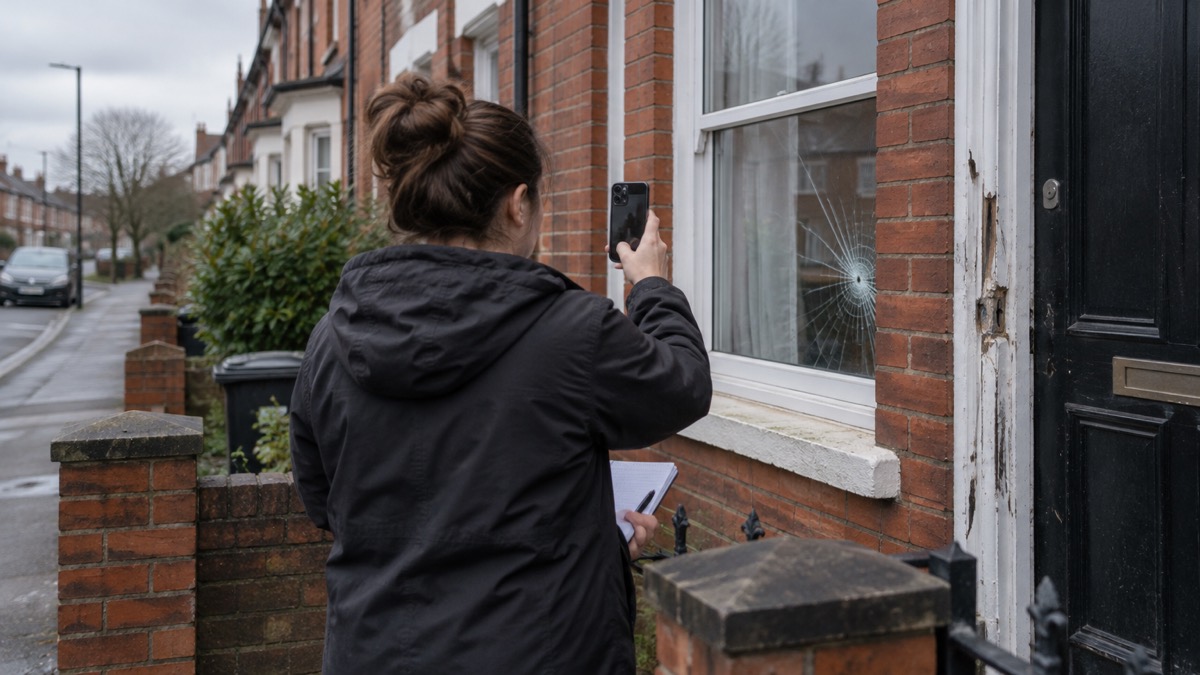
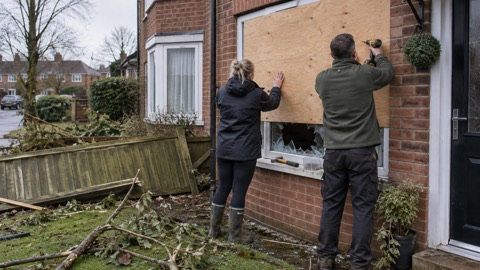
Once the disorder has passed and the police say it is safe, deal with the aftermath in a sensible order. First, make the home secure. A damaged door or window is an invitation to further theft, so board or temporarily repair it as soon as you safely can; our page on making a damaged home safe from intruders covers this step by step.
Second, report the crime. Police Scotland's housebreaking guidance notes you can report online, by phone, or in person26, and the same routes apply to criminal damage in most force areas. Property damage on its own is a 101 matter10, not a 999 call, unless someone is still in danger. Keep any crime reference number your insurer asks for; our guide to after a burglary: crime numbers, insurers, repairs and support explains how the process works.
Third, watch for scams. Bogus callers and rogue traders follow emergencies, offering urgent repairs at inflated prices. Police Scotland's advice is to call 101 to report any suspicious activity, and to call 999 and ask for the police if you feel scared or threatened24. You can also report scammers anonymously through Crimestoppers24. Never agree work on the doorstep, and check any caller's identity before opening the door: our pages on rogue traders after a flood and how to report a bogus caller cover the warning signs and who to tell.
Finally, report hazards that make an area unsafe, such as damaged power lines, washed out roads, gas leaks, dead animals or chemical releases, to the local authority or emergency services27. Do not assume someone else has already rung.
Getting ready before anything happens
The best protection against disorder near your home is the same preparation that serves any emergency. The national Be Ready campaign's core advice is to call 999 if you or someone else is in immediate danger, and to have a household plan before anything happens1. A written home emergency plan, like the model plan published by the Scottish Government's Ready campaign, sets out who to call, where to meet and what to take13, and the Royal Borough of Windsor and Maidenhead publish a template you can fill in with your own numbers and arrangements20. Our getting started guide walks you through building one.
A few practical steps matter most for this kind of incident:
- Know your numbers: 999 for danger, 101 for non-emergencies, Crimestoppers on 0800 555 11111, and the anti-terrorist hotline on 0800 789 3213.
- Keep a charged power bank and a battery or wind-up radio, so official information reaches you if the power or mobile networks are disrupted22.
- Keep doors and windows locked as a habit, so that "stay inside" means something when you need it to. Our home security guide covers doors, locks, windows and alarms from the ground up.
- Keep an emergency kit at home with torches, first aid and essentials, so a night indoors with the curtains closed is uncomfortable rather than frightening.
- Consider joining or starting a Neighbourhood Watch scheme. In Northern Ireland, Neighbourhood Watch guidance encourages reporting what you see to the police quickly and working with the local Policing and Community Safety Partnership14, and in Scotland Neighbourhood Watch Scotland offers free message alerts about incidents and crime prevention in your area24.
None of this is about expecting the worst. It is about knowing that if disorder ever does come to your street, the decisions are already made: you go inside, you lock the door, you call 999 if you are threatened, 101 if you are not, and Crimestoppers if you have something to say without giving your name.
Sources (27)
- Be Ready for Emergencies, UK Government Be Ready campaign, 2026-10-21
- Are You Ready? booklet, Culham Parish Council, 2025-09
- Contact the police, GOV.UK, 2026-10-29
- Fire chiefs warn UK's third heatwave heightens wildfire risk - NFCC, National Fire Chiefs Council (NFCC)
- What happens in an emergency, Shropshire Council, 2026-10-29
- Doorstep scam advice, Police Scotland, 2026-11-02
- Doorstep crime advice, Avon and Somerset Police, 2026-11-02
- Reducing arson risk, Devon and Somerset Fire and Rescue Service, 2026
- Protect yourself outdoors, Police Service of Northern Ireland, 2026-11-02
- Emergency situations and keeping safe, NI Direct, 2025-01-08
- Emergency contact numbers, Belfast City Council, 2026-10-29
- Emergency advice, Belfast City Council, 2026-10-29
- Home Emergency Plan, Scottish Government Ready campaign, 2026
- Neighbourhood Watch, NI Direct, 2025-09-09
- Major incidents, West Midlands Ambulance Service NHS Foundation Trust, 2026-10-22
- City evacuation, City of Edinburgh Council, 2026-10-29
- Preparing for emergencies: flooding, Orkney Islands Council, 2026
- Be flood aware, Greater London Authority, 2026-10-26
- How to prepare for flash flooding, Greater London Authority, 2026-10-25
- Emergency home emergency plan, Royal Borough of Windsor and Maidenhead, 2025-10
- Get out, stay out and call 999, North Wales Fire and Rescue Service, 2026-10-26
- Be informed about hazards, UK Government Prepare campaign, 2026-10-22
- Plea to help reduce the risk of wildfire, Dorset and Wiltshire Fire and Rescue Service, 2026-08-11
- Shut Out Scammers: more information, Police Scotland, 2026-11-02
- How to report wildfires, Scottish Fire and Rescue Service, 2024-03-04
- Break-in and housebreaking, Police Scotland, 2026-11-02
- Prepare yourself, Greater Manchester Combined Authority, 2026-10-29
 After a Break-In Checklist
 Holiday Security Checklist
 Moving Home Locks Checklist
 After a Burglary
 Bogus Callers
 Coming Home to a Break-In
 Catalytic Converter Theft
 Securing a Damaged Home
 Dogs as a Burglar Deterrent
 Doorstep Selling and Your Rights
 Empty Homes and Long Absences
 Leaving Home on Holiday
 How Burglars Choose a Home
 Home Insurance Conditions
 Keyless Car Theft