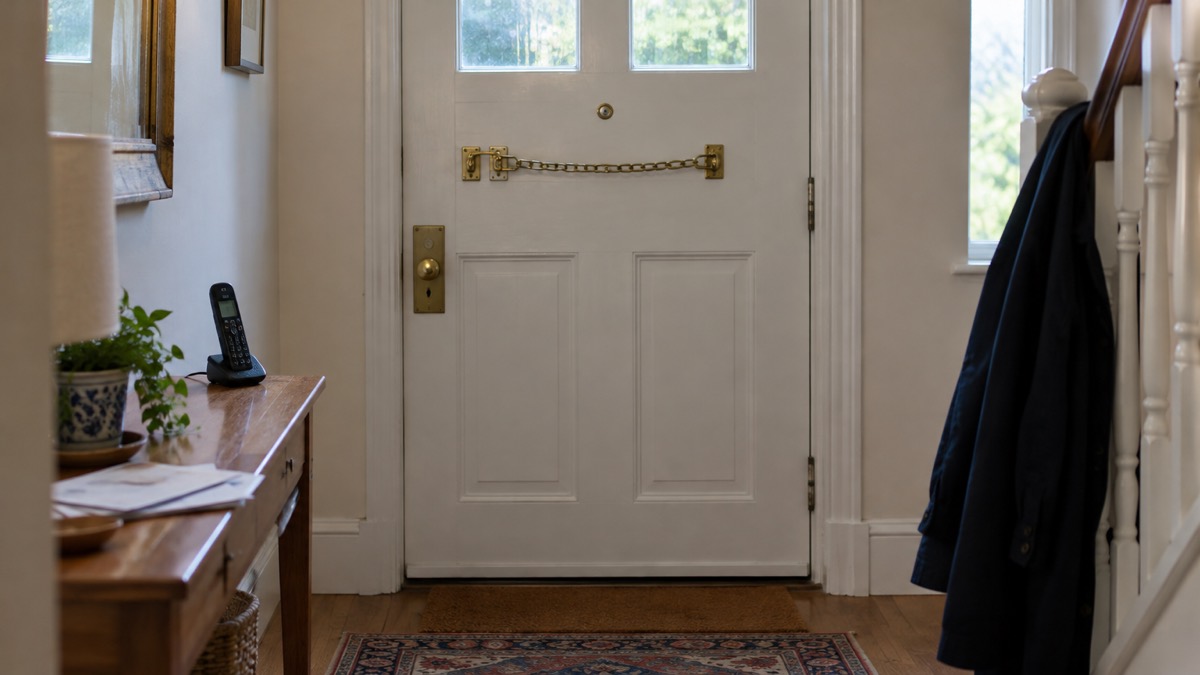
Someone knocks and says they are from the water company, the council or the police. You do not have to open the door to find out whether they are genuine. Keep it locked or on the chain, ask for identification, and check it by ringing a number you look up yourself, never a number the caller gives you1. Genuine callers, including meter readers, will be happy to wait while you check2.
The simplest check in most of the UK is to ring 101, the police non-emergency number, and ask for Quick Check. A trained call handler takes your details and contacts the company to confirm whether the person at your door really works for them, and can send police directly if they are not or something is suspicious3. In Northern Ireland the same service is run by the PSNI4. If you feel scared or threatened at any point, ring 999 and ask for the police5.
Most doorstep crime works the same way: someone claims to be from a utility or a reputable organisation to get inside, then steals money and valuables3. The defence is a routine you follow every time, whether the caller looks official or not. This guide sets out that routine, how to check each kind of caller, the warning signs of a fake, and who to tell if you think someone has tried it on.
Keep the door shut or on the chain until you have checked
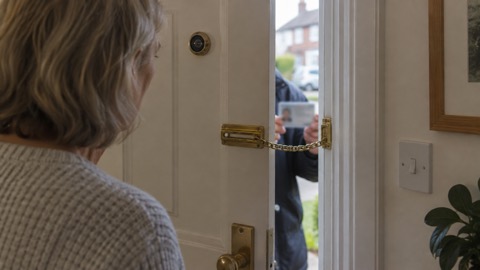
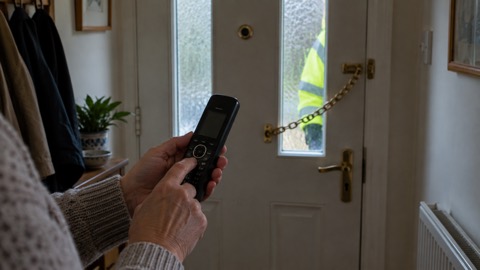
The single most useful habit is not to open the door fully until you know who is outside. Police Scotland's campaign puts it as three steps: LOCK, STOP and CHECK. Keep front and back doors locked, check through a viewer or window before opening, and only let callers in if they have an appointment and you have confirmed their ID5. The PSNI adds the practical detail: ask the caller for their identification and check it carefully, ask them to wait outside and close the door while you do3.
If you have a security chain, fasten it before you open the door. If you do not have one, talk through the letterbox without opening the door, and consider getting a security chain fitted as soon as possible6. After a flood, when unfamiliar tradespeople may call, the advice is the same: always put the chain on when answering, make sure windows and other doors are locked in case an accomplice tries to get in, check the caller's ID and phone the company they say they represent7.
A few practical points make the routine work. Keep a phone by the door so you can ring without leaving the hallway. Have the numbers for your water, energy and council suppliers written down or saved, so you are not searching while someone waits. If a caller is genuine, the delay costs them nothing. If they are not, the closed door has already done its job.
Check an ID card by calling the number you look up yourself
An ID card on its own proves very little. Anyone can print one. What makes a check meaningful is ringing the organisation on a number you have found independently, from a bill, a website you typed in yourself, or directory enquiries, and asking them to confirm the person at your door. Police Scotland is explicit: you can phone the company they represent or check online, but never use contact details they give you1.
Different organisations give you different ways to do this:
| Caller says they are from | How to check | Number to use |
|---|---|---|
| Water, energy or other utility | Ring the company and quote the number on the ID card, or ring 101 for Quick Check | The company's own number, or 1013 |
| Police | Ring 101 and ask for Quick Check; a handler checks with the force | 1013 |
| Fire service (home safety visit) | Ring the fire service to confirm the visit | 0800 05 02 9999 |
| Belfast City Council | Ring the council with the name of the person requesting the visit | 028 9032 020210 |
| Meter reader | Ask for the ID card and ring 101 for Quick Check, or the company | 1012 |
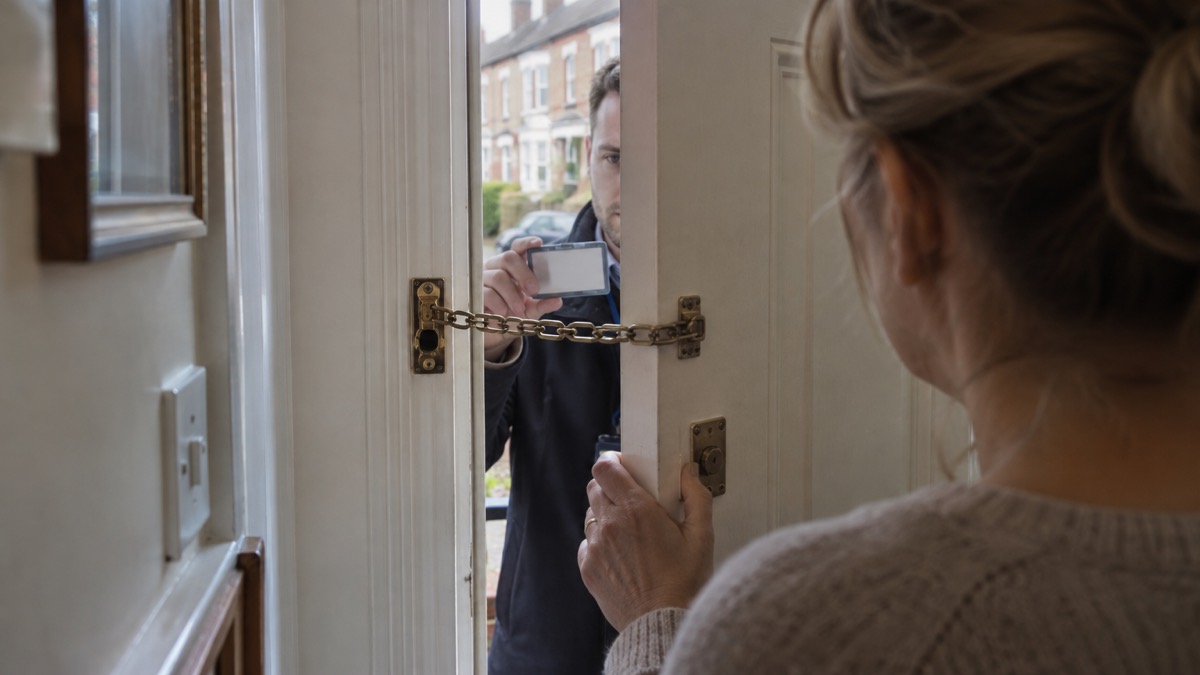
Some companies print a unique number on each identity card. South Staffs Water, for example, says each card has a unique number and you can ring 0345 60 70 456 so they can check the holder's name and reason for the visit8. Yorkshire Water says its colleagues and partners carry identity cards with the holder's photograph, and the employee number can be checked by phone11. Thames Water says everyone calling on its behalf carries an ID card you can inspect, and you can ring 0800 316 9800 to check whether a caller is from Thames Water12.
The principle is the same everywhere: the number must come from you, not from the person at the door. If a caller hands you a card with a number on it and invites you to ring it, that number may go straight to an accomplice.
Utility callers and the password scheme
Bogus callers often pretend to be from a utility supplier because it is a reason to be at your door that sounds routine3. Water and energy companies have responded with doorstep password schemes. You agree a password with your supplier in advance, and when someone calls claiming to be from them, they give the password so you know they are genuine13. Thames Water describes the scheme as protection from bogus callers pretending to be from your water, electric, gas or phone company12.
Setting one up is straightforward. Yorkshire Water offers a free security password that lets you confirm a caller's identity11. Surrey County Council lists ID and password schemes from energy suppliers, so you know if it is really them if they contact you, and passwords from water companies, which you give them so you know who they are when they knock on your door13. The register is free and you can ask your supplier to add you. Our guide to doorstep password schemes explains how they work in more detail.
For power cuts, there is a separate check. If someone calls at your door claiming to be from your electricity network operator during an outage, always check their identification badge, and you can ring 105 for free to confirm they are who they say they are14. Northern Ireland Electricity Networks says that if you are unsure about a caller, ask them to wait outside and close the door, then ring the PSNI Quick Check service on 101 to confirm they work for the company15. If you have agreed a password with your electricity supplier, meter readers can give it to prove they are genuine15.
Signs a caller may not be genuine
Genuine callers will be only too happy to provide proof of identity3. The warning signs of a bogus caller are mostly about pressure and evasion. Dwr Cymru Welsh Water lists the pattern: they will not have an appointment, will not be willing for you to study their identity card, often work in pairs, try to make you feel under pressure, and ask for money16.
Watch for these in particular:
- No appointment. Tradespeople should have an appointment and show ID17.
- Reluctance to let you examine the card. A genuine caller will wait while you check2.
- Working in pairs. One may keep you talking at the front while another tries the back16.
- Pressure to decide now. A cold caller may offer a service you do not really need, claiming to have noticed work that needs doing and offering to fix it for cash or an inflated price1.
- Asking for money, or asking you to go to the bank. Being convinced to go to a bank branch and withdraw money while the caller sets up is a warning sign1.
- Offering a service you did not ask for. If someone calls offering a service you have not sought out, or making enquiries about property you may have for sale, treat it as a cold call18.
If you are in any doubt about whether the caller is genuine, do not let them into your home16. The same applies to cold callers generally: do not talk to them18. A no-cold-calling zone discourages unsolicited doorstep selling in an area, but it does not physically stop anyone, so the door routine still matters.
If you think a caller was a fake: who to report it to
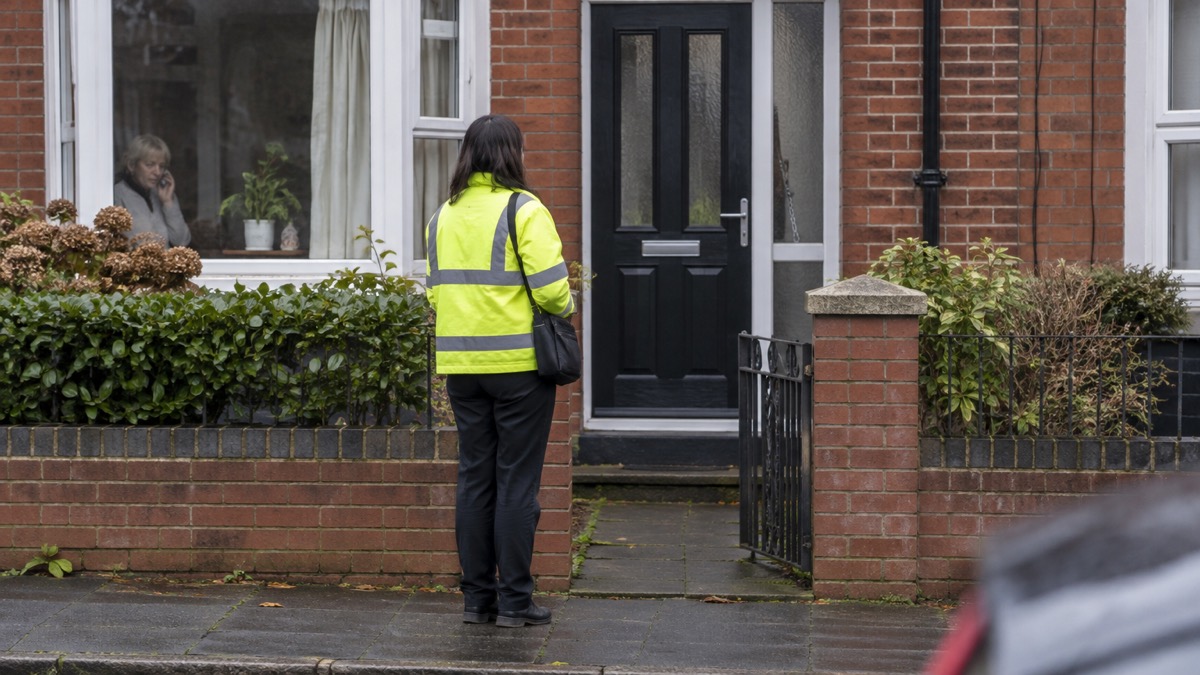
Report suspicious activity on 101. If you feel scared or threatened, ring 999 and ask for the police5. In Northern Ireland, ring the PSNI on 101, or 999 if it is an emergency, describe the caller as best you can, and tell neighbours, community groups and your local Neighbourhood Watch scheme so they can be alert too10.
For fraud, the route depends on the circumstances. Report Fraud, the national fraud reporting service, deals with all fraud unless the suspect is known to the victim or the victim is vulnerable, in which case ring 10119. Report Fraud can be reached on 0300 123 204019. If you have been called by someone claiming to be from the police, you can always hang up and ring 101 to check whether the call was genuine20.
It also helps to tell other people. Neighbours who know a bogus caller is working the street are forewarned. Our guide to reporting a bogus caller sets out the steps in more detail, and Bogus Callers: Spotting and Turning Away Doorstep Crime covers the wider picture.
Callers claiming an emergency
A caller who says there is a gas leak, a burst main or another emergency is using urgency as a tool. The advice does not change because they sound alarmed. Keep the door on the chain, ask for identification, and ring the company yourself. If someone calls at your home claiming to be from an energy or water company, you can ring 101, the police non-emergency number, to check that they are who they say they are2.
If you think there really is an emergency, such as a smell of gas, ring the emergency number for your supplier from a phone away from the property, not a number the caller gives you. If you feel scared or threatened, ring 999 and ask for the police5. A genuine emergency worker will not object to you checking; they will expect it.
Police officer at the door
A police officer at your door is one of the hardest callers to challenge, and one of the most important to check. Ask for identification and check it carefully, then ask them to wait outside while you close the door3. Ring 101 and ask for Quick Check. A trained operator will check with the force that the person at the door is genuine, and can send police directly if they are not or something is suspicious3.
Never ring a number the officer gives you. If you have been called by someone claiming to be from the police, hang up and ring 101 to check20. The same applies at the door: the check must go through a number you have found yourself.
Council and charity collectors
Council staff and charity collectors are legitimate callers, but they should still be able to prove it. Belfast City Council says its staff will always carry ID when they call, and you should ask to see it when they arrive10. If you have concerns, ring the council on 028 9032 0202 with the name of the person requesting the home visit so they can check10.
For any council or charity, the routine is the same: ask for identification, check it carefully, and if in doubt ring the organisation directly on a number you find yourself to verify the visit21. Do not rely on a leaflet or card the caller hands you. Charities rarely call unannounced, so an unexpected collector is worth a check.
Checking a meter reader
Meter readers are the callers most likely to be genuine and most likely to be challenged, and that is fine. Genuine callers, like meter readers, will be happy to wait while you check their identity. If you have any doubt, ask to see their identity card and check it by ringing 101 for Quick Check22.
Some water companies give you a second route. South Staffs Water prints a unique number on each card that you can quote when you ring 0345 60 70 4568. Yorkshire Water's cards carry a photograph and an employee number that can be checked by phone11. If you have agreed a password with your electricity supplier, a meter reader can give it to prove they are genuine15.
No-cold-calling zones
A no-cold-calling zone is an area where unsolicited doorstep selling is discouraged. It is a useful backstop, but it is not a barrier. The practical advice is the same whether you live in one or not: do not talk to cold callers7. If someone calls offering a service you have not sought out, or making enquiries about property you may have for sale, treat it as a cold call18.
If a cold caller persists, close the door and ring 101 to report suspicious activity5. Our guide to rogue traders and doorstep selling explains your rights and who to tell.
Help for older or vulnerable relatives
Older and vulnerable people are targeted more often, and they may be less able to check a caller themselves. Look out for uninvited doorstep callers in their area23. Keep an eye out for bogus officials who call door to door without an appointment claiming to be from a heating supply or other company, and remind your relative to always check the identity of callers and ring the police if in doubt21.
Practical help you can give:
- Help them set up a doorstep password with their water and energy suppliers13.
- Put the numbers for their suppliers, the council and 101 somewhere by the door.
- Ask them to ring you if anyone calls unexpectedly, before they open the door.
- If you are worried about a relative or elderly neighbour, contact your local council or ring the Age UK helpline on 0800 678 1602, open 8am to 7pm every day24.
If the person has a carer, check that they can contact the primary care team if the carer is unavailable, particularly during cold weather25. Our guide to extra help in an emergency covers the wider support available.
Door cameras and video doorbells
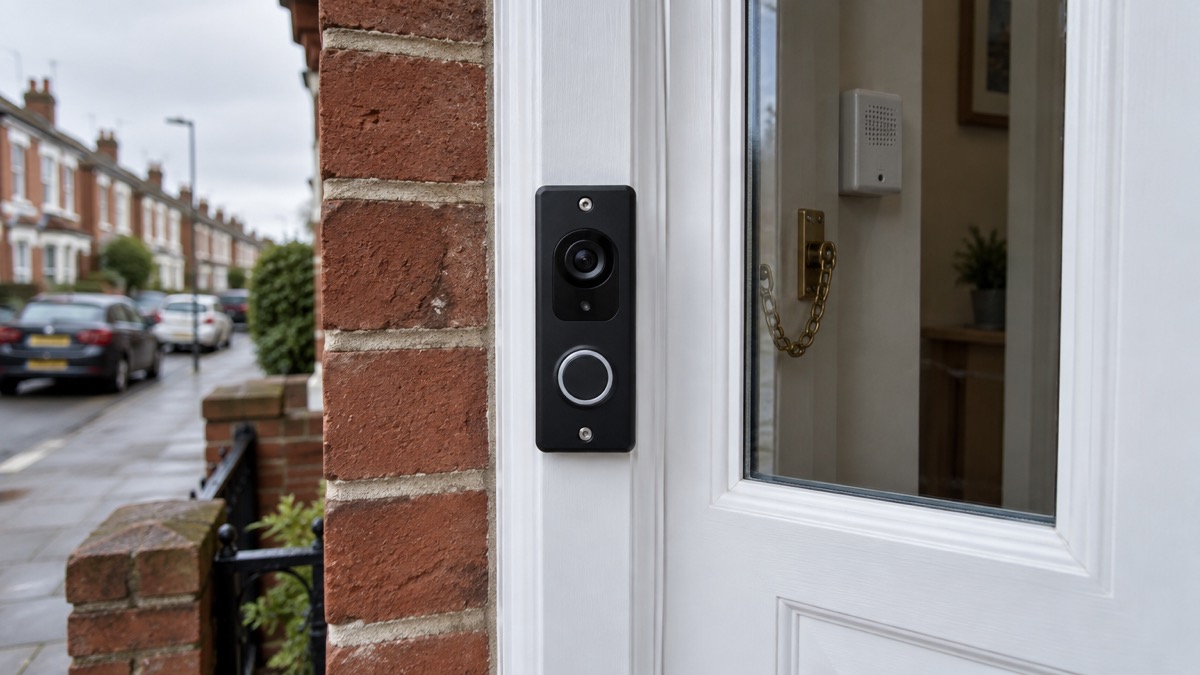
A camera or video doorbell lets you see who is at the door before you open it, and many let you speak to the caller without opening the door at all. That is a genuine help, but it does not replace the check. You still need to confirm identity by ringing a number you look up yourself.
If you fit an alarm or CCTV, the police advise that it meets British Standards (PD6662)26. Our guides to video doorbells and home cameras and CCTV explain the options, and video doorbell or outdoor camera compares the two.
Sources (26)
- Doorstep scam, Police Scotland, 2026
- Quick Check 101, Phoenix Energy, 2026
- Bogus callers, Police Service of Northern Ireland, 2026
- Bogus callers, NI Water, 2026
- Shut Out Scammers: more information, Police Scotland, 2026
- How to avoid bogus callers, Southern Water, 2026
- After the flood, Scottish Flood Forum, 2026
- Bogus callers, South Staffs Water, 2026
- Home safety visits, Devon and Somerset Fire and Rescue Service, 2026
- Bogus callers, Belfast City Council, 2026
- Priority Services Register, Yorkshire Water, 2026
- Doorstep password, Thames Water, 2026
- Police issue advice following cold caller reports, Police Service of Northern Ireland, 2026
- Types of power cut, Powercut 105, 2026
- When we contact you, NIE Networks, 2026
- Protect yourself from bogus callers, Dwr Cymru Welsh Water, 2026
- Keeping secure at home, Alzheimer's Society, 2026
- Flooding advice for homeowners, Nottinghamshire County Council, 2025
- Others who can help, Devon and Cornwall Police, 2026
- Spotlight on Wiltshire police courier fraud, Wiltshire and Swindon Prepared, 2026
- COVID-19 and scams, Nottinghamshire County Council, 2026
- Community child safety, NIE Networks, 2026
- Keep warm in winter, Derbyshire County Council, 2026
- Use the right service this winter, Hampshire Hospitals NHS Foundation Trust, 2026
- Supporting vulnerable people before and during cold weather: for healthcare professionals - GOV.UK, UK Health Security Agency; Centre for Climate and Health Security
- Break-in and housebreaking, Police Scotland, 2026
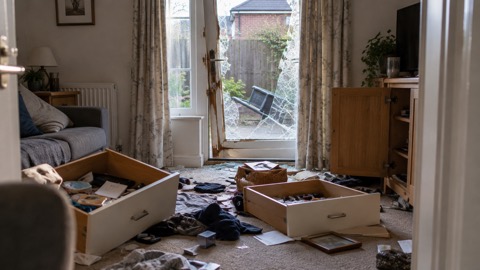 After a Break-In Checklist
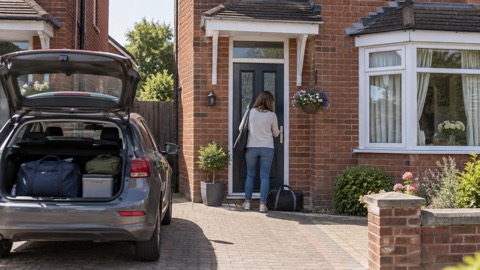 Holiday Security Checklist
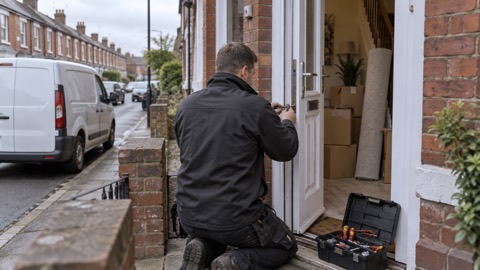 Moving Home Locks Checklist
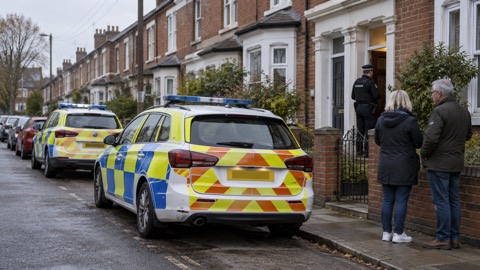 When to Call 999 or 101
 Reporting a Burglary Anonymously
 Doorstep Caller Will Not Leave
 Car Running While De-Icing
 Burglary at Christmas
 Cash in a Fire Safe
 Heating Oil Tank Theft
 Making a House Look Occupied
 Police Approved Products
 Reporting a Bogus Caller