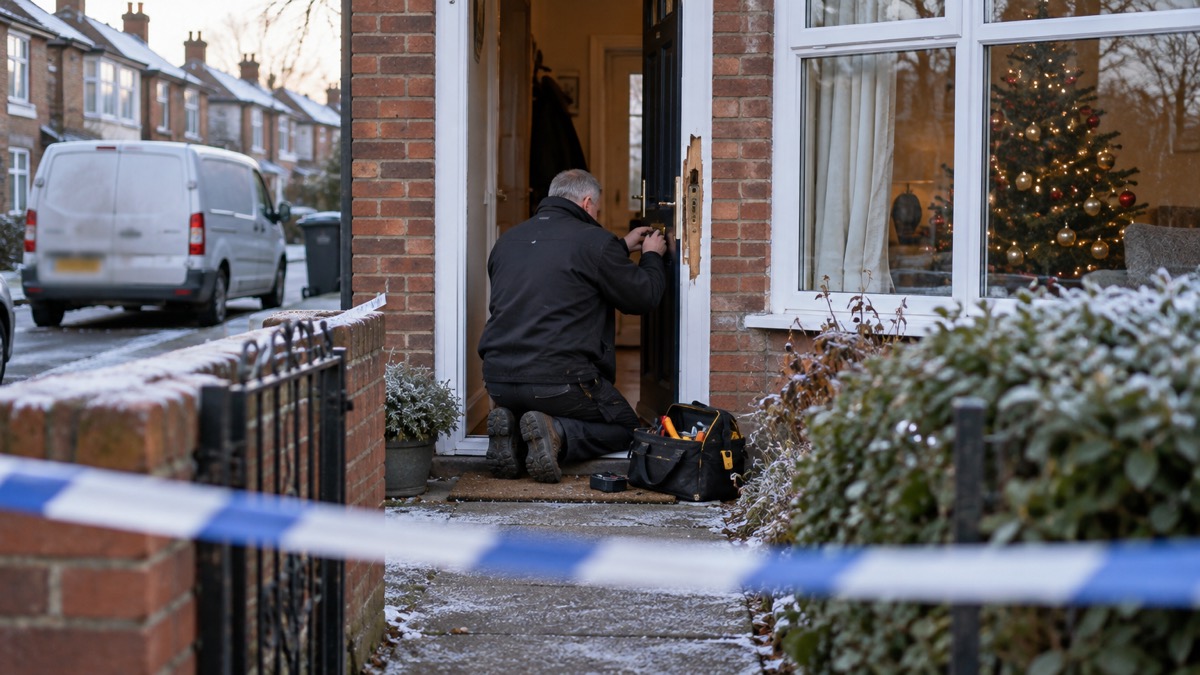
Christmas is the busiest month of the year for burglars, and the reason is usually simple. North Yorkshire Fire and Rescue Service puts it plainly: one in three festive burglaries happen because homes are left insecure1. Presents on show, packaging piled by the bin, a dark house while you visit relatives and a new bike left in the shed all tell a passer-by that there is something worth taking.
The good news is that most of what protects you takes minutes. Lock doors and windows every time you go out, and again when you come back2. Keep gifts and expensive items out of view of windows and doors, and keep keys away from the letterbox2. If you are going away, put lights on timers, leave curtains in their normal position, and ask a trusted neighbour to check the house and bring in the post4.
If you come home to a break-in, call the police on 999 if you have been burgled, as the Police Service of Northern Ireland advises3. If you notice suspicious activity or vehicles nearby, report it on 101, or 999 in an emergency2. This page sets out what to do before you go out, what to get ready, and what to do if the worst happens.
Make the house look lived in while you are away
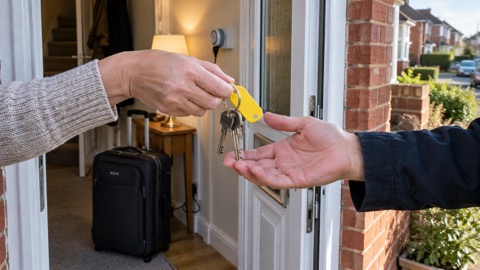
An empty house is the single biggest invitation. Mid and West Wales Fire and Rescue Service warns that leaving your home empty while you are away carries a higher risk of burglars targeting it7. Opportunistic burglars will look for signs that a house is unoccupied, so having lights on timers and keeping curtains in a normal position helps the house not look empty4.
The fix is to keep the house looking the way it does when you are there. Use lights on timers and keep curtains in a normal position so the house does not look unoccupied4. Set them for the evening hours you would normally have lights on, not all day.
If you have a burglar alarm, ensure it is set before you leave8. Ask someone trusted to check the house regularly, bring in bins and post, and use timers on lights, as government guidance for Northern Ireland sets out5. Local Neighbourhood Watch schemes can help while you are on holiday by increasing surveillance of your property and encouraging neighbours to report suspicious activity8. If you want to go further, see how to make your house look occupied when you are away and the full holiday checklist.
Security lighting around the perimeter of your home can also be a good deterrent, and can be set to come on with motion detectors9. If you are fitting lights, outdoor lights that deter burglars covers types and placement.
Keep presents out of sight from windows and doors
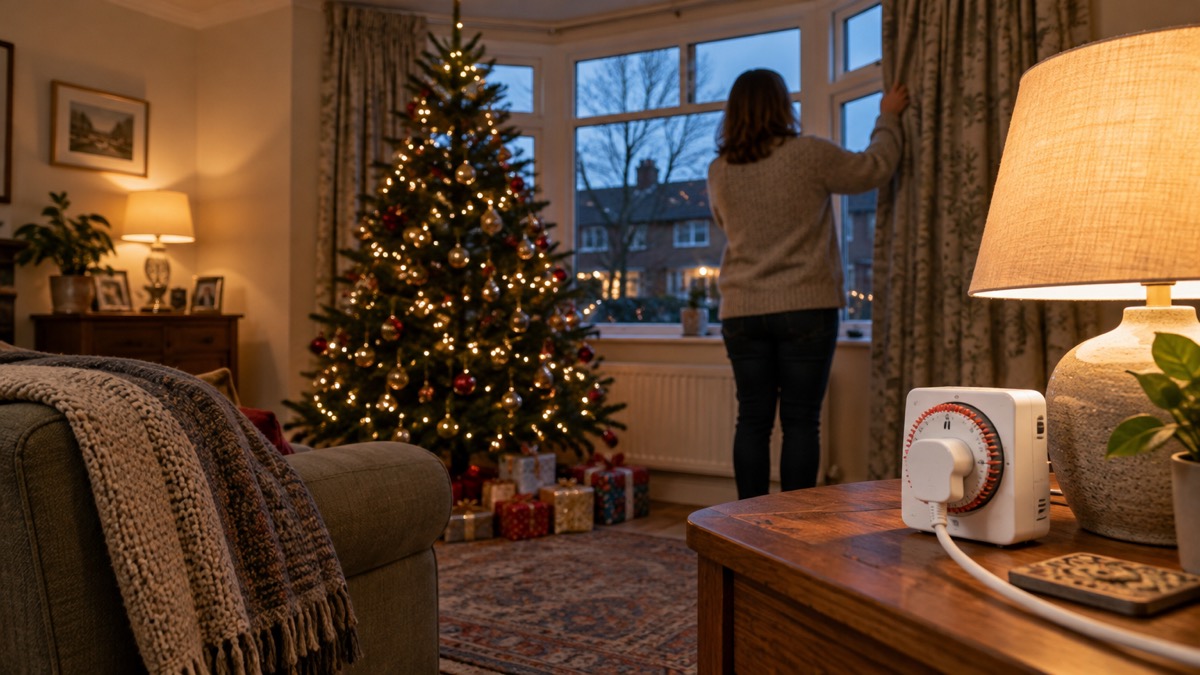
The tree in the front window is part of Christmas, but the pile of presents underneath it is also a shop display. Police advice is to keep gifts and expensive items out of view2. Gloucestershire Constabulary puts it in practical terms: if there are items that may look tempting to a burglar, remove them from view, and when you are not using a room make sure external windows and doors are closed and locked10.
Keys matter as much as presents. Keep your house and car keys safe and away from doors and windows3. Sussex Police warn that it is not uncommon for car keys to be stolen by fishing through the letterbox, so keep them out of view when at home and away from the front door11. The same applies to laptops and other valuables: keep them out of sight of anyone looking through your windows7.
If you have a lot of jewellery in the house over Christmas, West Yorkshire Police suggest considering a domestic safe, using bank deposit boxes if available, and marking items with a DNA solution, plus keeping a written and photographic record of anything of financial or sentimental value12. Our guides to home safes and property marking explain the options.
Lock doors and windows every time, even for short trips
Most burglaries are not planned. They are a burglar trying a handle and finding it open. That is why the police message is so repetitive: double-lock the door every single time you leave the house, because simply shutting the door will not prevent burglaries6. North Yorkshire Fire and Rescue Service add that front and rear doors should be shut and locked both when you leave the house and also on your return13.
The same applies to windows. Always lock your doors and windows and keep them in good condition, as government guidance for Northern Ireland advises14. Close and fasten windows and doors securely, particularly when wind and rain are forecast15. If you are not using a room, close and lock its external windows and doors10.
Double-lock the door every single time you leave the house, because simply shutting it will not prevent burglaries6. Always lock your doors and windows and keep them in good condition10, and make sure front and rear doors are shut and locked both when you leave the house and also on your return11.
For the detail on locks, cylinders and standards, see doors and locks and windows. If you are unsure whether your door is double-locked properly, how to double lock a uPVC door walks through it.
Getting rid of gift packaging without advertising what is inside
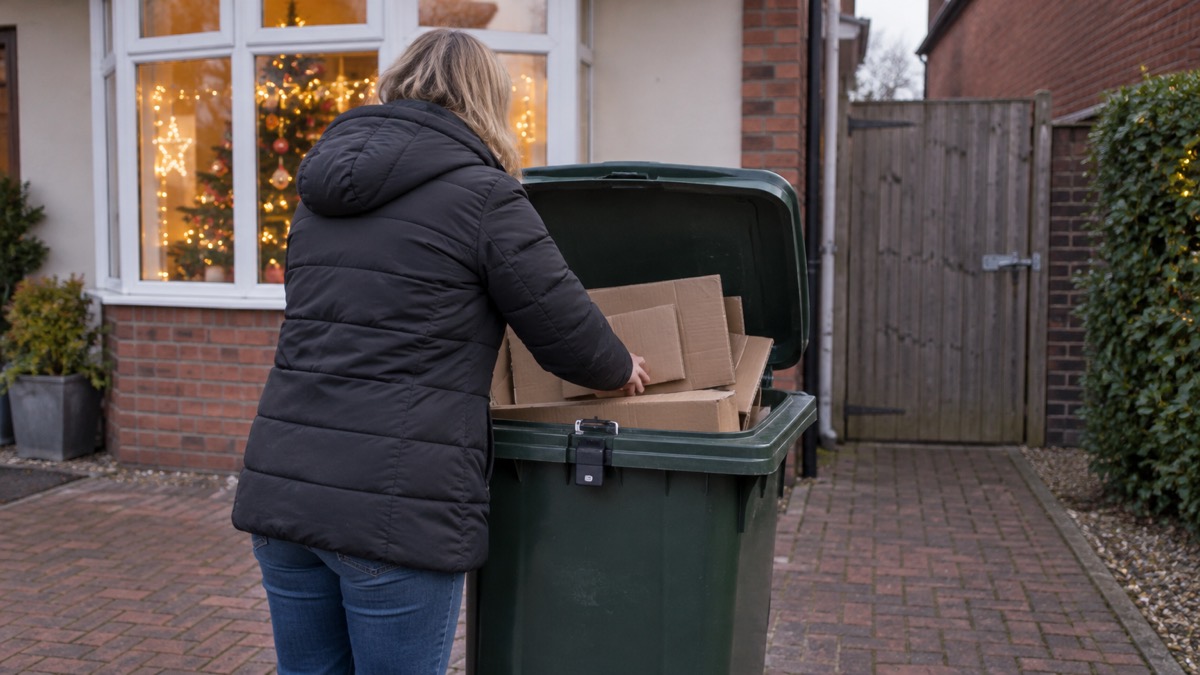
A bin bag full of boxes for a new television, games console or laptop is an advert. It tells anyone walking past exactly what is now in the house. Break boxes down, turn packaging inside out, and put it out on the morning of collection rather than the night before. If you have a lot, take it to the tip yourself.
Bins and recycling are also a fire risk over Christmas. Keep paper, wrappers and other rubbish that could catch light out of your ashtray, and never leave a cigarette, cigar or pipe unattended17. If you have visitors who smoke, put a proper ashtray outside and empty it into a metal bin.
Keep hallways and entrances clear of clutter so you can escape quickly and safely, and so firefighters can enter your home to save pets or family members inside18. Christmas brings extra boxes, bags and wrapping paper into the hall; clear them as you go.
What not to share online over the holidays
The single most common mistake is announcing the holiday before you go. Mid and West Wales Fire and Rescue Service warn that many criminals monitor social media and will look for posts about your holiday which may indicate that your home is empty7. Their advice is direct: do not post details of your trip on social media, and save your posts until you get home4.
Police Scotland give the same guidance in general terms: when you post on social media, it is safest not to share anything you would not want public, personal details, anything that makes you uncomfortable, your location especially when you are on holiday, or information that could upset or embarrass another person19. Be careful about what you post online, as national cyber guidance puts it20.
There is a second risk beyond burglary. Avoid using unsecure public wifi, particularly when you are away and logging into accounts from a hotel or cafe20. If your account is hacked while you are away, you may not notice until you are home. Our guide to whether you should post about your holiday on social media covers the settings that limit who sees what.
If you are burgled: who to call and what to do first
If you have been burgled, call the police immediately on 9993. That is the advice from the Police Service of Northern Ireland, and it applies across the UK. If you or someone else is in immediate danger, call 99921. Do not go inside if you think someone may still be there: call from outside, from a neighbour's house or from your car.
If you notice suspicious activity or vehicles in your local area, make a note of relevant information, including vehicle registrations and descriptions, and report it to police on 101, or 999 in an emergency, or use the non-emergency reporting form2. Our guide to when to call 999 or 101 about a crime at home sets out which number fits which situation.
Once the police have been, the practical steps begin. Do not tidy up before officers arrive if you can avoid it, because they may want to look for forensic evidence. Contact your insurer, and keep a record of what has gone. Our guides to coming home to a break-in and after a burglary take you through crime numbers, insurers, repairs and support. If you would rather report anonymously, how to report a burglary anonymously explains how.
Sheds, garages, decorations and the neighbours
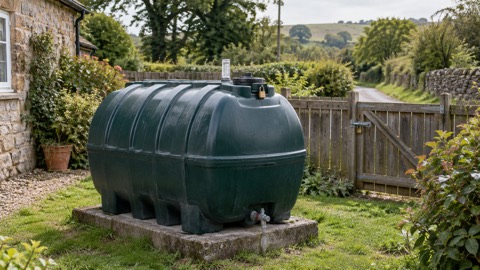
Sheds and garages are often the weakest point on a property, and at Christmas they fill up with bikes, tools and presents that did not fit under the tree. Before you go away, check and lock your doors, windows, sheds and garages5. The Met Office advises that sheds should have their doors locked22. Lock your garden or drive gates closed and securely locked, and make sure all gates and fences are in good repair, as the Police Service of Northern Ireland advise for protecting heating oil and outbuildings23. Valuables should be marked with your postcode24.
Outdoor decorations bring their own risks. Ladders left propped against the house after you have put the lights up give easy access to upper windows, so lock them away. Check that decorations are secure before wind and rain arrive, and close and fasten windows and doors securely when storms are forecast14. Fire and rescue services warn that your tree and other decorations must not block escape routes, and that you and your guests should know where the exits are25. Make sure everyone in the house knows the escape plan, including guests like grandparents at Christmas, and practise it, turning it into a game for children26.
Neighbours are the best security system you have. Ask whether elderly or vulnerable neighbours might want or need your assistance in the event of an emergency, as emergency planning guidance suggests27. If your neighbour will have difficulty getting in and out of their home, offer to clear snow and ice around their property28. In return, ask them to keep an eye on yours: bring in the bins and post, and tell you if anything looks wrong. If you want to go further, joining or starting a Neighbourhood Watch explains how local schemes work.
Sources (29)
- Christmas safety advice, North Yorkshire Fire and Rescue Service, 2025-12-15
- Christmas safety advice, Police Service of Northern Ireland, 2026-11-02
- House security, Police Service of Northern Ireland, 2026-11-02
- While you are away, Mid and West Wales Fire and Rescue Service, 2026-10-29
- Securing your home, nidirect, 2024-01-23
- Door and window lock advice, Sussex Police, 2026-11-02
- Mynd ar wyliau? (Going on holiday?), Mid and West Wales Fire and Rescue Service, 2026-10-29
- Pre-holiday routine, Avon and Somerset Police, 2026-11-02
- Protecting your home, Security Systems and Alarms Inspection Board, 2026-11-02
- Burglary, Gloucestershire Constabulary, 2026-11-02
- Preventing car and vehicle theft, Sussex Police, 2026-11-02
- Home security advice, West Yorkshire Police, 2026-11-02
- Stay safe this Christmas, North Yorkshire Fire and Rescue Service, 2024-12-03
- Securing doors and windows, nidirect, 2024-08-27
- Storms and Gales | Lancashire Resilience Forum, Lancashire Resilience Forum
- Fire safety information for residents living in flats operating a stay safe policy, Greater Manchester Fire and Rescue Service, 2026-10-29
- Christmas safety tips, Warwickshire County Council, 2026-10-29
- Pet safety campaign, North Yorkshire Fire and Rescue Service, 2025-03-11
- Social media safety, Police Scotland, 2026-11-02
- Hacked accounts, Police Scotland, 2026-11-03
- Be ready for emergencies, UK Government, 2026-10-21
- Stay safe in a thunderstorm, Met Office, 2026-10-25
- Protecting heating oil, Police Service of Northern Ireland, 2026-11-02
- Garden security, Police Service of Northern Ireland, 2026-11-02
- Staying safe this season, Devon and Somerset Fire and Rescue Service, 2025-12-01
- Planning your escape route, Gloucestershire Fire and Rescue Service, 2026-04-29
- Preparing for an emergency, Nottinghamshire County Council, 2026-10-29
- Clearing paths and driveways, Met Office, 2026-10-25
- Preparing for a flood, Nottinghamshire County Council, 2026-10-29
 After a Break-In Checklist
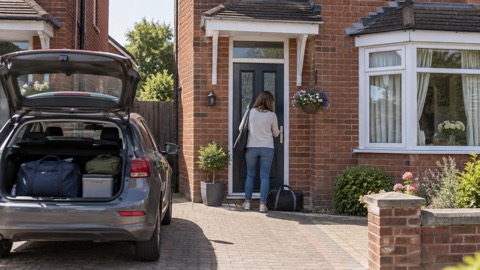 Holiday Security Checklist
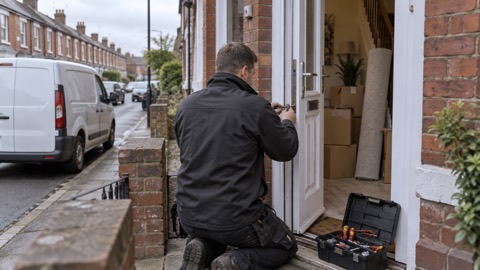 Moving Home Locks Checklist
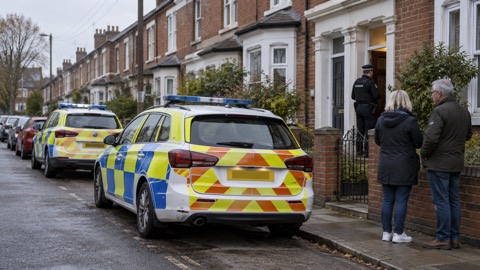 When to Call 999 or 101
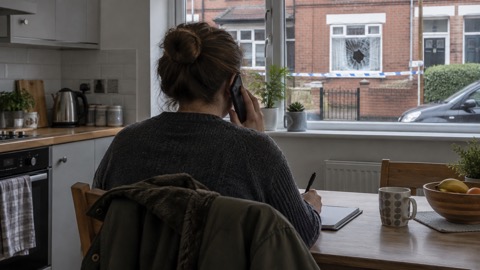 Reporting a Burglary Anonymously
 Doorstep Caller Will Not Leave
 Car Running While De-Icing
 Checking a Doorstep Caller
 Cash in a Fire Safe
 Heating Oil Tank Theft
 Making a House Look Occupied
 Police Approved Products
 Reporting a Bogus Caller