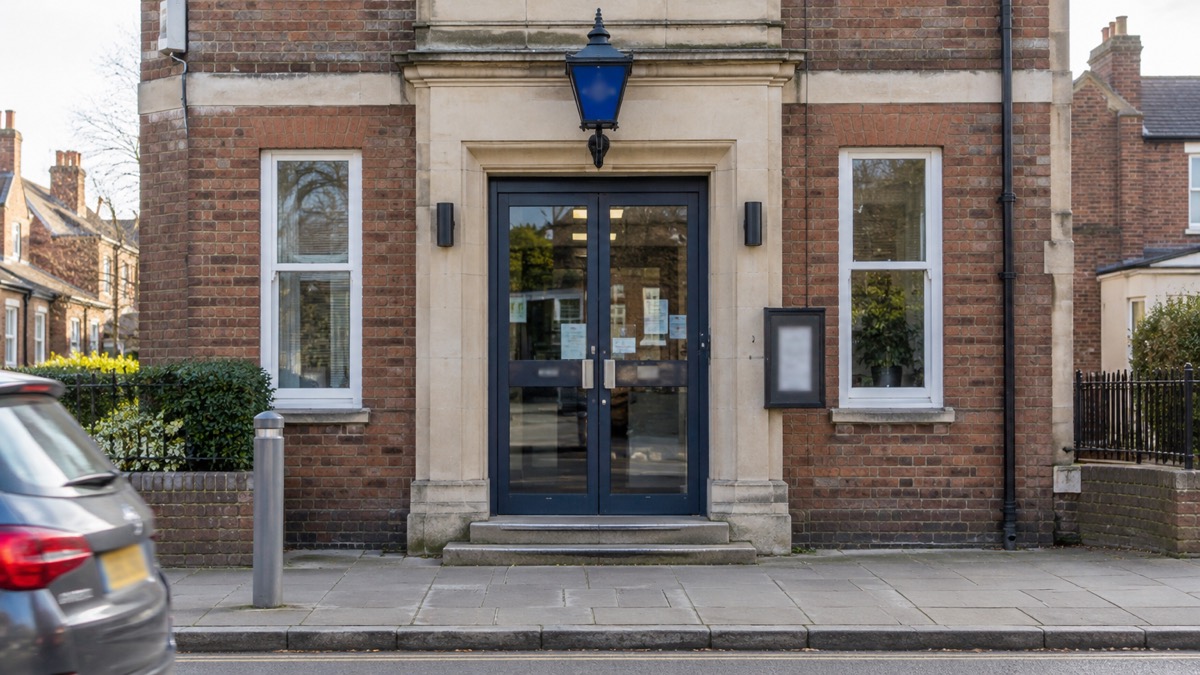
There is no national register of empty homes, and no police force keeps one. Ringing 101 to tell the police you are going away does not add your house to a watch list, because no such list exists. What actually protects an empty home is a small set of practical steps: a trusted neighbour who knows your dates, lights on timers, post paused, and an insurance policy that still covers you while you are gone.
The single most useful thing you can do is tell a neighbour. Official guidance on leaving a home unoccupied after a fire is to inform your local police station and ask neighbours to keep an eye on your property1. The police station part is a courtesy in that specific circumstance, not a holiday service. The neighbour part is what works.
The second most useful thing is to read your policy. Fire and rescue service guidance for people going away is blunt: check your home insurance policy, because some policies place a limit on the number of days you can leave your home unoccupied and still be able to make a claim2. That limit, not the police, is the thing most likely to cost you money after a burglary.
Why the police do not keep a list of empty homes
The idea that you can notify the police of an empty property is widespread and understandable, but it does not match how policing works. Forces respond to reports and intelligence; they do not hold a database of which houses are vacant on which dates, and they could not resource a patrol of them. The official household emergency plan lists 101 simply as the police non-urgent number5, not as a holiday notification line.
That does not mean the police are uninterested. It means the useful contact is a report, not a registration. If you see something suspicious near a neighbour's empty house, that is worth a call. ProtectUK, the national counter-terrorism policing site, advises the public to report any suspicious activity to the police by calling 9996. For non-urgent information, 101 is the route.
There is one genuine exception, and it is narrow. After a fire, fire and rescue service guidance says to contact your local police to make them aware your property will be empty7, and a second service's guidance says to inform your local police station and ask neighbours to keep an eye on your property1. That is because a fire-damaged, insecure property is a real and specific risk, not because a holiday creates one.
Who to tell instead: neighbours, family and your insurer
Think of it as a short list of people who need to know, in order of usefulness.
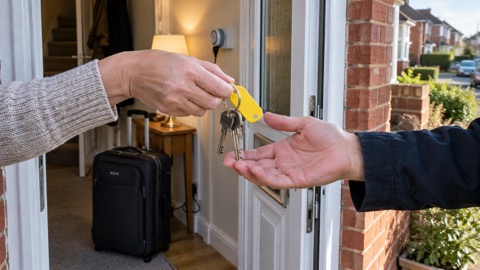
- A trusted neighbour. Ask them to keep an eye out, to put your bins out and back, and to tell you if anything looks wrong. Give them a key only if you are comfortable doing so, and tell them your return date.
- Family and friends. Emergency planning guidance is to tell family, friends and carers where you are going, and to let NHS or social care providers know if you receive visits from them10. If you are a carer, the same applies in reverse: tell the person you care for how to reach you.
- Your insurer. Check the policy before you book, not after. Some policies limit the number of days you can leave your home unoccupied and still claim2.
- Your Neighbourhood Watch scheme, if you have one. Belfast City Council's bogus caller guidance suggests telling your neighbours, community groups and local Neighbourhood Watch scheme when something suspicious has happened, in case the caller tries other homes in your area12. The same network is your eyes while you are away.
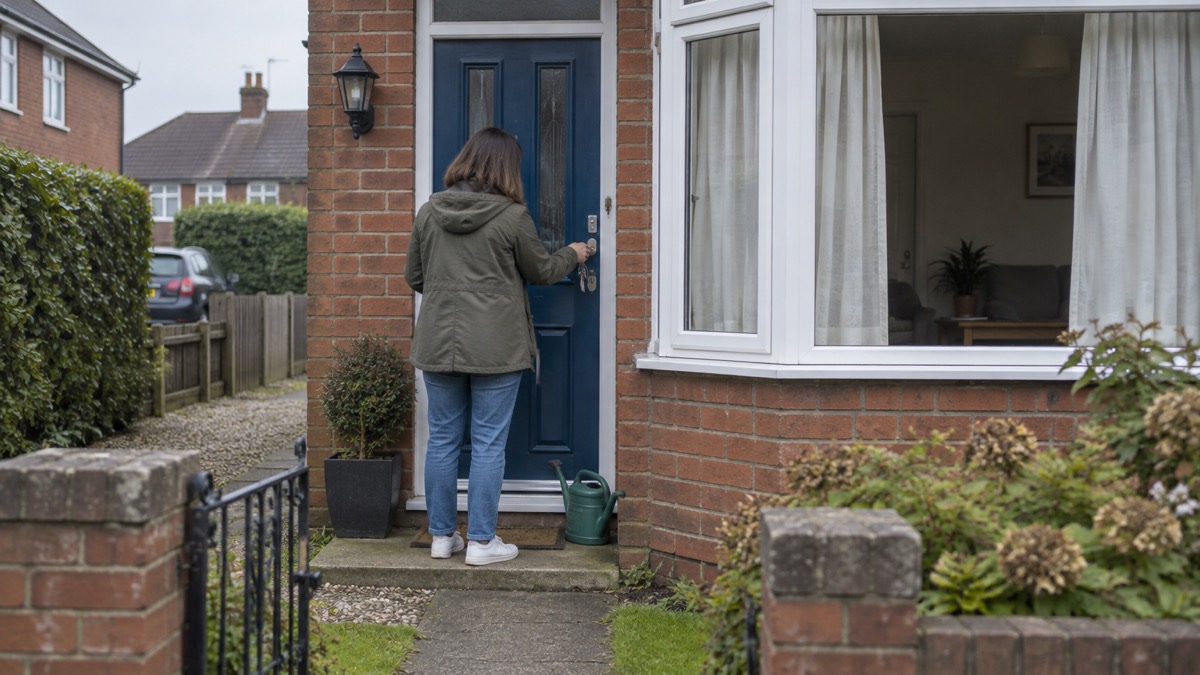
If you are leaving because of an emergency rather than a holiday, the same list applies but faster. Clackmannanshire Council's evacuation guidance is direct: if the police ask you to leave your home, do not argue, because they know the dangers and risks better than you13. Once you are out, tell people where you have gone.
Making an empty home look lived in
Burglars read the signals a house gives off. Police Scotland's housebreaking guidance notes that winter is a particular risk because houses look empty if the lights are off4. The fix is to break that signal.
| Signal | What to do | Who advises it |
|---|---|---|
| Dark windows in the evening | Timer switches to turn on some lights when it goes dark | PSNI3 |
| Post piling up on the mat | Royal Mail's Keepsafe service to stop post going to your house | Police Scotland4 |
| Holiday posts online | Do not post trip details; save posts until you get home | 2 |
| Doors and windows left insecure | Lock doors when you leave and when you return | 14 |
| Valuables on show | Keep gifts and expensive items out of view; mark valuables with postcode and house number | PSNI14 |
The PSNI's Christmas safety advice bundles these together: give your property an occupied look by using timer switches for lights when your home is empty, lock windows and doors, keep gifts and expensive items out of view, and mark valuables with your postcode and house number14. Its house security guidance repeats the timer point: when you are away from home, use timer switches to turn on some lights when it goes dark3.
One figure makes the case for locking up. The PSNI reports that one in three festive burglaries happen because homes are left insecure15. That is not about sophisticated entry; it is about unlocked doors and windows.
Home insurance limits on unoccupied homes
This is the part that catches people out, and it is worth reading twice. Fire and rescue service guidance for people going away says plainly: check your home insurance policy, as some policies limit the number of days you can leave your home empty and still claim2. The English-language version of the same guidance repeats it: some policies place a limit on the number of days you can leave your home unoccupied and still be able to make a claim11.
The practical consequences are worth spelling out:
- The limit is often shorter than a long trip. Check the number of days before you book, and check whether the limit resets when someone stays overnight.
- A neighbour visiting may not count. Some policies require the property to be occupied overnight, not merely visited. Ask your insurer what counts.
- Tell your insurer if you will exceed the limit. A short call before you go is cheaper than a declined claim after a break-in.
- Long absences are a different problem. If the house will be empty for months, for probate or a move, the cover you need is different again.
Reporting a break-in while you are away
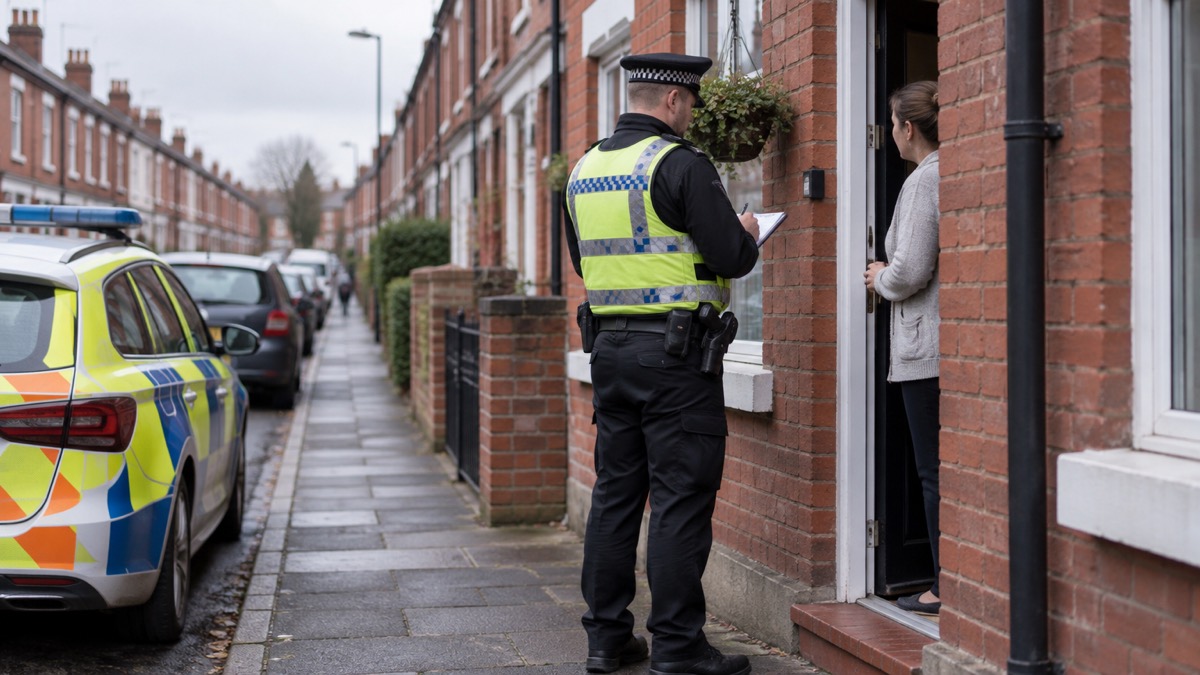
If you are away and someone tells you your home has been broken into, the first question is whether anyone is still there. Police Scotland's guidance is clear: you should not go inside in case the intruder is still there, and you should call 999 if you think the intruder is still there4. If you are abroad, ask your neighbour to call rather than doing it yourself from a foreign phone.
If the break-in is over and nobody is at risk, you can report it online, by phone, or in person4. That is a 101 matter, not a 999 one. Give the police your return date and ask your neighbour to secure the property if it can be done safely.
A few things help at this point:
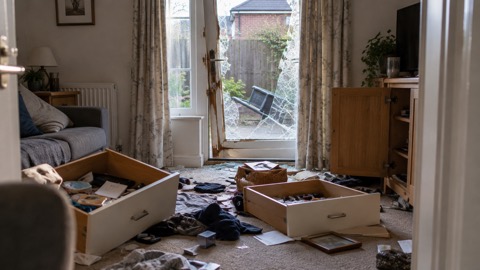
- Do not tidy up before the police have seen it. Disturbing the scene loses evidence.
- Tell your insurer early. Most policies require prompt notification and may send a loss adjuster.
- Ask about victim support. Police forces can point you to support services; the practical steps after a burglary are covered in our guide to coming home to a break-in.
When it is an emergency, not a holiday
The distinction between 101 and 999 is worth stating plainly, because it is the one number question people get wrong. Call 999 if a crime is happening now, if someone is in danger, or if you think an intruder is still in your home4. Use 101 for something that has already happened and does not need an immediate response5.
There are two refinements worth knowing. If you cannot speak when you call 999, the Silent Solution system lets you press 55 to signal that you need help, but pressing 55 does not allow police to track your location16. And Emergency Alerts, the government's phone alert system, do not track your location, need your phone number, or collect personal data17.
"call 999 if you think the intruder is still there"
Checking the home on return
Walk the outside first. Look at the doors and windows before you put the key in. If a door is open, a window is broken, or anything looks disturbed, do not go inside in case the intruder is still there4. Call 999 from outside.
If all is well, check inside room by room, and check the things that matter: valuables, documents, the meter cupboard, the loft hatch. Then:
- Reset your routines. Turn the timer switches back to normal, cancel the post hold, and tell your neighbour you are home.
- Check your smoke alarms. A free home fire safety check is available from most fire and rescue services; if you are not home when the service visits, a postcard is left detailing the date and time of the call along with a reference number and telephone number you can contact18. Some services will not need a visit at all and will instead give you up to date guidance on reducing fire risk and free smoke alarms if required19.
- Look at your insurance again. If you were away longer than the unoccupied limit, tell your insurer now rather than discovering the problem at claim time2.
Where to get help and more detail
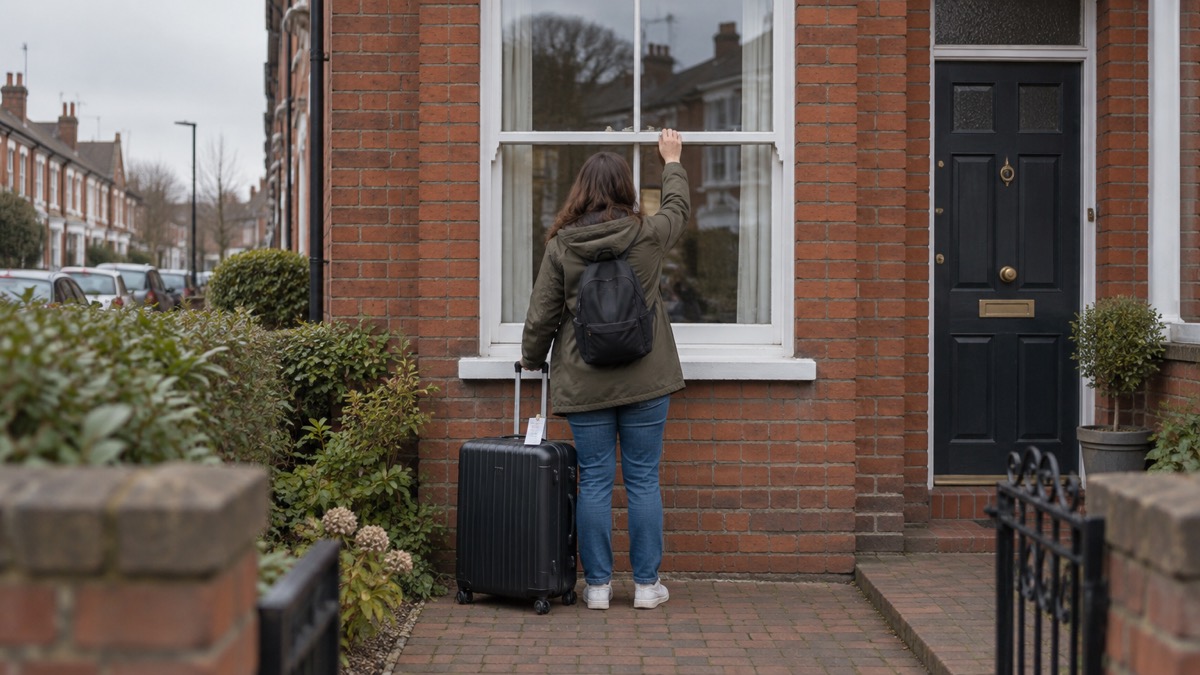
If you are going away and want a single list to work through, our before you go away checklist covers the whole sequence. For the wider picture on protecting an empty home over a long absence, see empty homes, and for the practicalities of a normal holiday, leaving your home while you are on holiday.
If you are burgled, the after a burglary guide covers crime numbers, insurers, repairs and support. If you are in Scotland or Northern Ireland, reporting crime and getting support sets out the differences in how forces there handle reports.
For the deterrents themselves, outdoor lights that deter burglars and how to make your house look occupied when you're away go deeper than this page can. And if you are wondering whether to post about your trip, should you post about your holiday on social media? answers it directly.
Sources (19)
- Steps after a fire, North Yorkshire Fire and Rescue Service, 2026-06-17
- While You Are Away, Mid and West Wales Fire and Rescue Service, 2026-10-29
- House Security, Police Service of Northern Ireland, 2026-11-02
- Break-in and housebreaking, Police Scotland, 2026-11-02
- Household Emergency Plan, UK Government Be Ready campaign, 2026
- Threat levels, ProtectUK, 2026-05-01
- After an incident: fire, Devon and Somerset Fire and Rescue Service, 2026
- Getting back into your home following flooding, Surrey County Council, 2026-10-28
- Homes Prepared, Surrey County Council, 2026-10-28
- ICE template, Surrey County Council, 2026-10-29
- Mynd ar wyliau? (Going on holiday?), Mid and West Wales Fire and Rescue Service, 2026-10-29
- Bogus callers, Belfast City Council, 2026-10-29
- Emergency evacuation, Clackmannanshire Council, 2026-11-03
- Christmas Safety Advice, Police Service of Northern Ireland, 2026-11-02
- Christmas Safety Advice - North Yorkshire Fire & Rescue Service, North Yorkshire Fire & Rescue Service
- If you can't speak when you call 999, Bath and North East Somerset Council, 2026
- Emergency alerts, Denbighshire County Council, 2026-10-26
- Free home fire safety check, Cornwall Council, 2026-10-29
- Request a home safety visit, South Wales Fire and Rescue Service, 2026-08-20
 After a Break-In Checklist
 Holiday Security Checklist
 Moving Home Locks Checklist
 When to Call 999 or 101
 Reporting a Burglary Anonymously
 Doorstep Caller Will Not Leave
 Car Running While De-Icing
 Checking a Doorstep Caller
 Burglary at Christmas
 Cash in a Fire Safe
 Heating Oil Tank Theft
 Making a House Look Occupied
 Police Approved Products