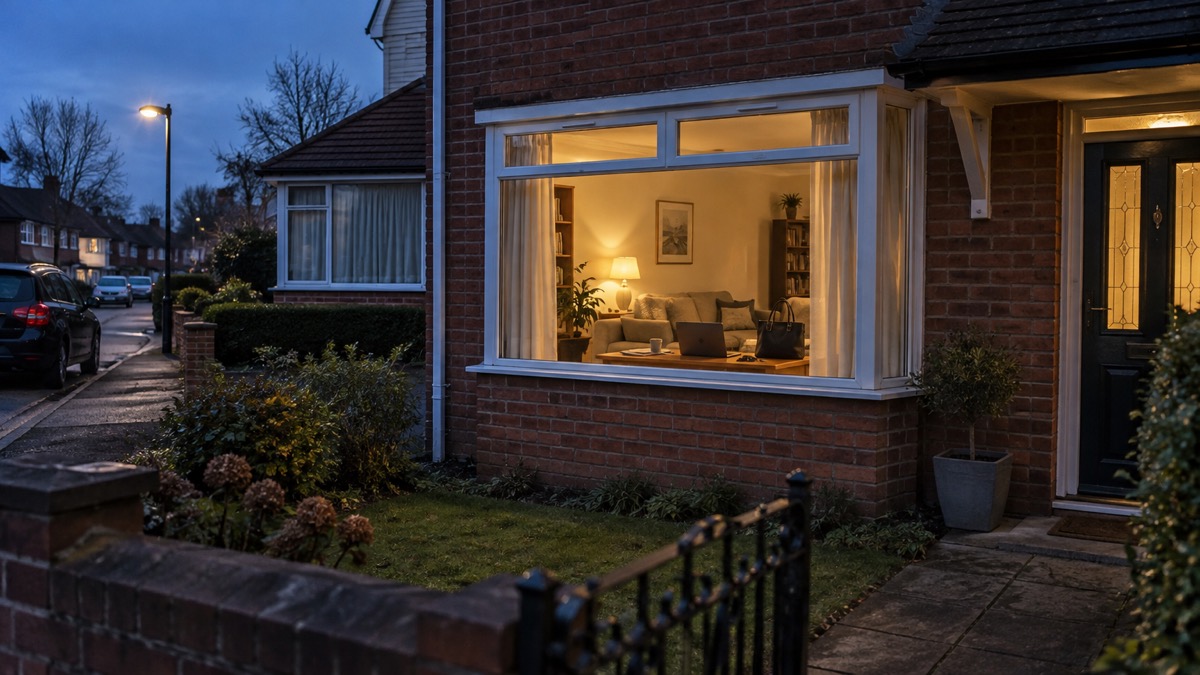
Most burglaries are crimes of opportunity, and the police say they can be prevented by keeping your home secure1. The single most useful thing you can do for your valuables is to take them out of sight: from the window, from the hall table, from the bedroom dressing table. A thief who cannot see a laptop, a jewellery box or a set of car keys has far less reason to break in, and far less to take if they do.
Beyond that, the advice splits into three jobs. Keep valuables hidden and, where it makes sense, locked away in a safe that carries the police-preferred Secured by Design mark1. Keep documents and small items up high and in water-tight bags, so a flood or a storm does as little damage as possible2. And keep the people in the house safe while you do it: keys and phones where you can find them in the dark, nothing blocking an escape route, and no confronting anyone who is already inside.
When the risk is highest
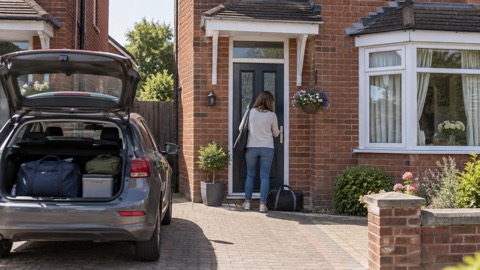
Some moments carry more risk than others, and knowing them helps you decide when to be extra careful. The police in Scotland note that housebreaking is more likely during holidays, because thieves know it is more likely that valuables will be inside7. That is the single clearest signal in the official guidance: an empty house with a full one next door is a target.
Everyday comings and goings matter too. Gloucestershire Constabulary advises removing tempting items from view and closing and locking external windows and doors when you are not using a room. A laptop left on the kitchen table while you are in the garden is exactly the opportunity a burglar looks for. The same logic applies to vehicles: catalytic converter theft often involves a vehicle being raised using a car jack in a car park or residential area, so parking in a well-lit, overlooked spot and keeping an eye on your street helps8.
What to do now
Start with a walk round your own home, looking at it the way a stranger would. Anything valuable visible through a window should move. The fire service advises putting valuables such as car keys and laptops out of sight of people looking in your windows4, and Avon and Somerset Police suggest removing laptops and jewellery from open view and considering marking your valuables with an approved product5. Property marking makes items harder to sell on and easier to return, and our guide to property marking and keeping a record of valuables explains how it works.
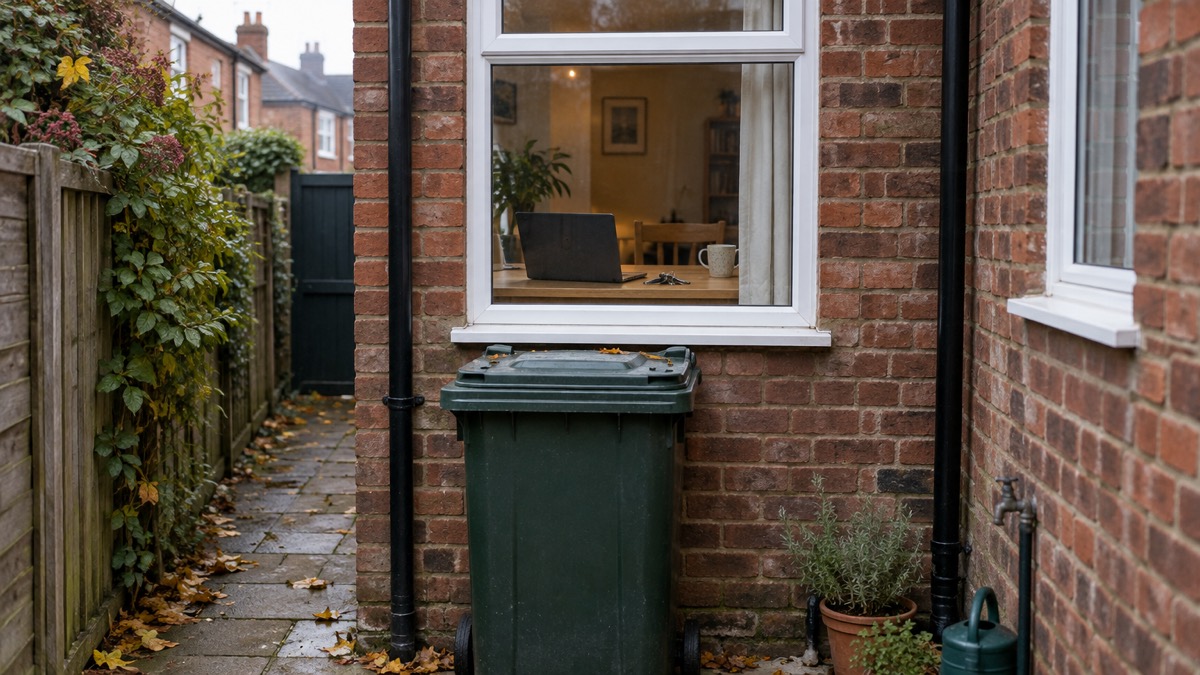
Then deal with the small things that add up. Keep doors locked and windows secure at all times, as doorstep crime guidance puts it10. If you have a safe, check it is fixed down and that you know where the key or code is. If you do not, decide whether one suits your circumstances, which the next section covers. And back up your phone: Avon and Somerset Police say backing up is essential so you can comfortably wipe your device remotely should it be taken, without losing anything11.
For a fuller routine, work through our holiday checklist before any trip, and read how burglars choose a home to understand what puts them off.
Choosing a safe, and where to put it
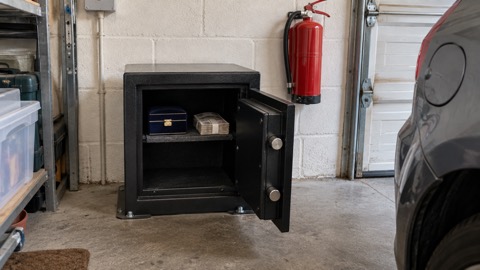
A safe is only useful if it is somewhere a thief will not find it quickly and cannot easily remove it. Police Scotland's guidance is blunt: hide it somewhere a thief is less likely to look, noting that safes are often in bedrooms and wardrobes7. That is where an experienced intruder will go first. A less obvious spot, bolted down, is worth more than an expensive box in the most predictable place.
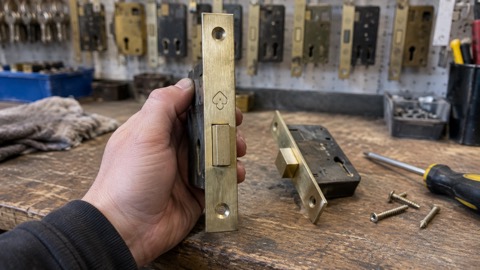
When you buy, the police recommend a safe that is Secured by Design and displays the logo1. That is the official police-preferred standard, and it tells you the product has been tested to a recognised level. Our guide to home safes explains fire, burglary and cash ratings, and how to tell if a security product is police approved covers the marks to look for.
| What you are protecting | What helps | What to check |
|---|---|---|
| Jewellery, small heirlooms | A hidden, fixed safe | That it is bolted down, not just heavy |
| Cash and documents | A safe rated for fire as well as burglary | The rating stated by the maker |
| Car keys | Out of sight of anyone looking through your windows4 | Whether your car has keyless entry |
| Spare house keys | A police-approved key safe outside12 | That the code is shared only with people you trust |
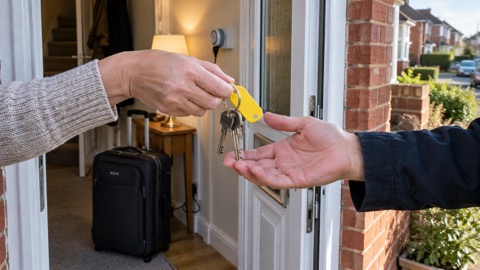
A key safe is a lockable box that holds a key, fixed to an outdoor wall with a chosen code set to it, and some are police-approved12. It lets carers, family or emergency services into the home, and NHS Inform suggests one so that a family member or neighbour can reach you quickly if you fall13. Our guide to key safes covers fitting and codes, and where to fit a key safe for emergency access deals with placement.
Keeping documents and valuables safe from water and storm damage
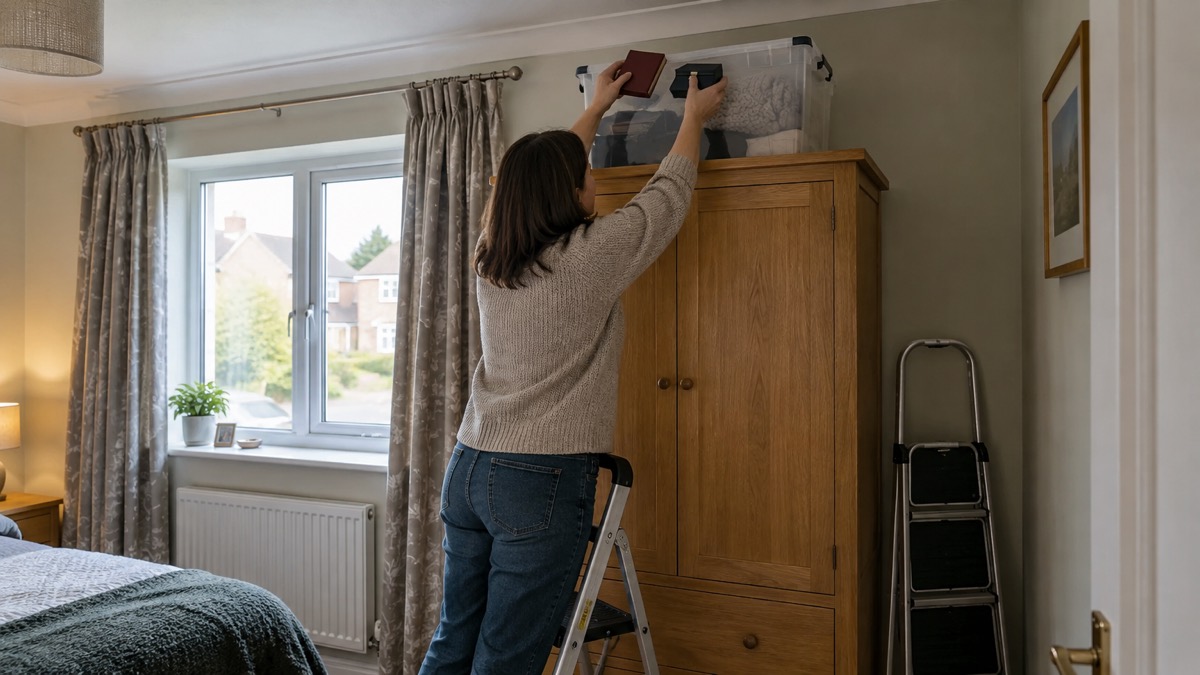
Theft is not the only way to lose things that matter. Flood water and storm damage destroy papers, photographs and electrical items, and the official advice is consistent across the agencies. Natural Resources Wales says to store valuable or sentimental items up high all year round2. The government's flood guidance says to move sentimental or valuable items upstairs or keep them in a high place such as the top shelf or drawer of a cabinet, and to store important documents such as birth certificates in resealable water-tight plastic bags3. The Met Office gives the same instruction ahead of heavy rain: store valuables up high, including electrical devices, important documents and furniture14.
Storms bring a second risk: things blowing about. When a Severe Weather Warning is issued, the guidance is to secure loose objects such as ladders and garden furniture, close and securely fasten windows particularly on the windward side and large doors, and park vehicles in a garage if available, otherwise clear of buildings, trees, walls and fences15. Lancashire Prepared adds bins, garden furniture and trampolines to the list, to prevent them being blown into roads or through windows16. A yellow wind warning carries the same message: prepare to protect your property and people from injury, check for loose items outside your home and plan how you could secure them, including bins, garden furniture, trampolines, tents, sheds and fences.
The National Risk Register adds a practical point for any emergency: store important documents such as insurance documents and key contact numbers, and important items such as medication and identification, in an easily accessible location in case of emergency or evacuation at short notice, and do not attempt to retrieve these items if it becomes dangerous to do so17. Our guides to flooding and storms, snow and ice go further on preparing the whole house.
Staying safe while you protect your home
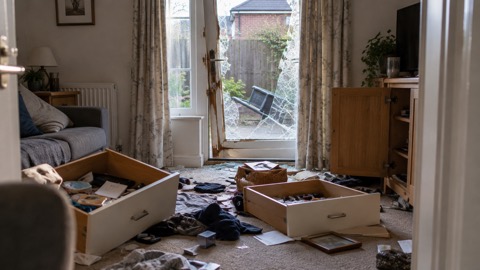
Security measures should never put you in danger. The clearest rule is about confrontation. Police advice is that if you feel you are in danger, or you are threatened with violence, then let your valuables go, because property can be replaced6. Nothing in a drawer is worth an injury. Our guide to your rights if someone breaks into your home explains the law on reasonable force, and coming home to a break-in covers what to do if you return to a disturbed house.
Fire safety and security pull in the same direction if you plan ahead. Keep doors and window keys accessible, avoid keeping them in the kitchen because this is where most fires in the home start, and keep hallways and doorways free from clutter, including communal areas18. Keep mobile phones and keys for doors and windows where they can be easily found as part of a bedtime routine19. And if a fire does start, do not stop to retrieve any valuables, because it can all be replaced. Our guide to planning an escape route sets this out step by step.
A few more habits keep you safe day to day. Keep money, phone and keys safe in a bag or pocket when you are out20, and keep any jewellery you are wearing covered when walking down the street6. At home, store frequently used items between waist and shoulder height where possible, and do not climb on chairs or stools to reach cupboards21. If you use a key safe, share the code only with people you trust, and change it if that changes.
Where to get help and advice
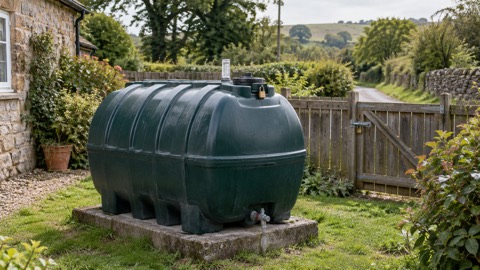
For crime prevention advice specific to your area, your local police force's website is the first stop, and forces publish guidance on burglary, vehicle crime and doorstep crime. In Scotland, Police Scotland publishes its own break-in and housebreaking advice7; in Northern Ireland, the Police Service of Northern Ireland does the same, including guidance on protecting heating oil22. Our guide to Scotland and Northern Ireland covers reporting crime and getting support where arrangements differ.
For home safety and practical help, your local council's adult social care pages often include home safety and home maintenance advice; Staffordshire County Council, for example, notes that a well-maintained home reduces the risk of accidents and makes everyday life easier23. And if you are worried about a neighbour or relative who lives alone, a spare key held by a family member or neighbour, or in a police-approved key safe, means people can get to them quickly13.
Emergency Alerts are designed to help protect lives and property, and they can reach your phone when there is a danger in your area24. Our guide to staying informed and in touch in an emergency explains how they work. For the wider picture, start with Home Security: A Household Guide.
Sources (24)
- Home safety, Devon County Council, 2025
- Preparing for a flood, Natural Resources Wales, 2026
- Flooding, UK Government Prepare campaign, 2026
- While you are away, Mid and West Wales Fire and Rescue Service, 2026
- Pre-holiday routine, Avon and Somerset Police, 2026
- Protect yourself outdoors, Police Service of Northern Ireland, 2026
- Break-in and housebreaking, Police Scotland, 2026
- Catalytic converter theft, Metropolitan Police, 2026
- Protect your property from arson, Cheshire Fire and Rescue Service, 2024
- Doorstep crime, Avon and Somerset Police, 2026
- Smartphone theft, Avon and Somerset Police, 2026
- Equipment, Devon and Somerset Fire and Rescue Service, 2026
- What to do if you fall, NHS Inform, 2026
- Stay safe in heavy rain, Met Office, 2026
- Be prepared, Lancaster City Council, 2026
- Storms and gales, Lancashire Prepared, 2026
- National Risk Register, City of York Council, 2023
- Fire safety information for residents living in flats operating a ‘Stay Safe’ policy - Greater Manchester Fire Rescue Service, Greater Manchester Fire and Rescue Service
- Cheshire Fire & Rescue Service - Bedtime Routine and Escape Routes, Cheshire Fire & Rescue Service
- Keeping yourself safe, Police Service of Northern Ireland, 2024
- Stay Steady and Safe home safety checklist, NHS Norfolk and Suffolk, 2026
- Protecting heating oil, Police Service of Northern Ireland, 2026
- Maintaining your home, Staffordshire County Council, 2026
- 10 things to know about Emergency Alerts, Lancashire Prepared, 2026
 After a Break-In Checklist
 Holiday Security Checklist
 Moving Home Locks Checklist
 When to Call 999 or 101
 Reporting a Burglary Anonymously
 Doorstep Caller Will Not Leave
 Car Running While De-Icing
 Checking a Doorstep Caller
 Burglary at Christmas
 Cash in a Fire Safe
 Heating Oil Tank Theft
 Making a House Look Occupied
 Police Approved Products