If your burglar alarm sends its signal down a traditional phone line, the move to digital landlines is something to check now, not on the day your line changes. All traditional phone lines in the UK are moving to digital by 31 January 20271, and systems connected to a landline, such as a burglar or fire alarm, might not work after the switchover3. The fix is usually simple: contact your alarm company, tell your landline provider what is connected, and confirm the arrangement before anything changes.
The same applies to personal alarms, fall detectors and medical pendants. Do not assume they will keep working after the switch to digital phone lines, or during a power cut4. The NHS advises that an analogue telecare alarm may not work properly if you have an internet connection or a digital landline instead of an analogue one, and suggests considering a digital alarm if you are unsure5.
What matters is that you have the conversation early, know what your alarm does when the power fails, and know who to call if it stops working.
What changes when your phone line goes digital
The old telephone network, often called the Public Switched Telephone Network or PSTN, is being retired. On 31 January 2027, all traditional phone lines in the UK will move to digital2. The original 2025 deadline for the upgrade was extended to 20278. Your telephone service provider should inform you ahead of the switch9, and your telecoms provider should contact you before the switchover to check in and discuss what you need to do10.
What changes for an alarm is the signalling path. Many alarms and telecare devices use the phone line to send a message when they trigger. Once that line is digital, an older device may not be able to send that message at all. The official guidance is to review your current infrastructure and devices to work out which rely on legacy networks such as the PSTN or ISDN11. That covers alarm systems, telecare devices and door entry systems, all of which will require upgrading11.
It is not only alarms. If you use telecare, a health alarm, CCTV, a house alarm, a payment terminal or any other device connected to your phone line, check with the equipment provider that it is compatible with a digital phone line before you switch6. If broadband is reliant on a traditional phone line, that will need upgrading too9.
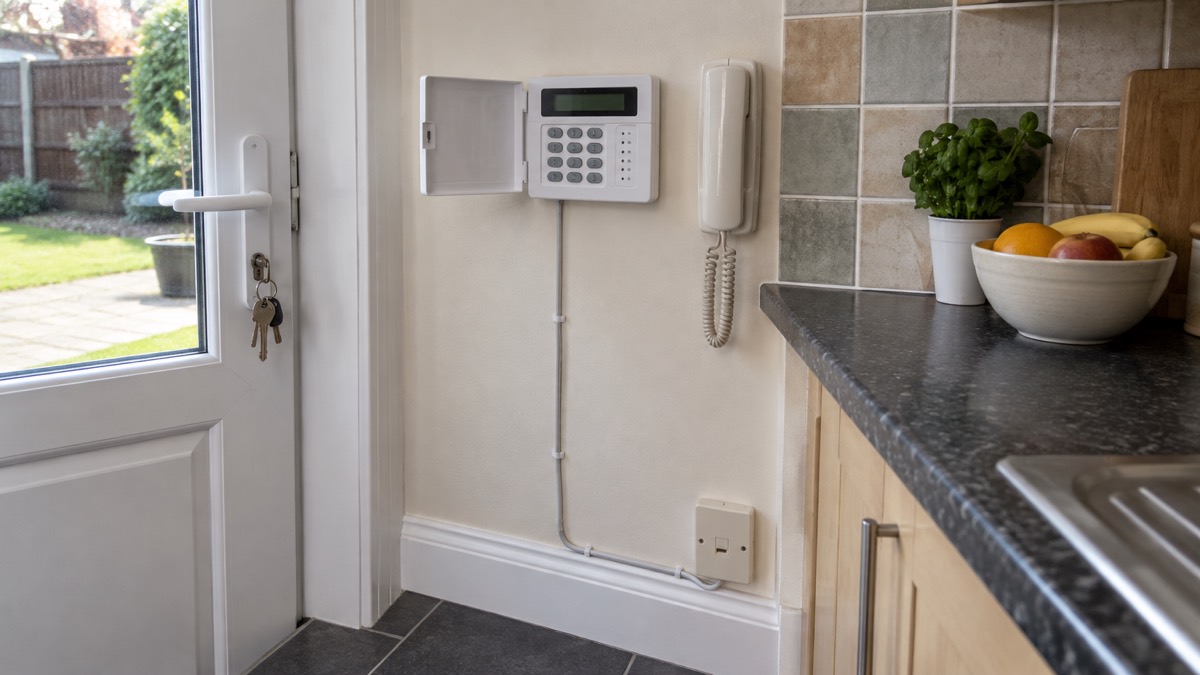
Alarms that dial out over a landline need checking
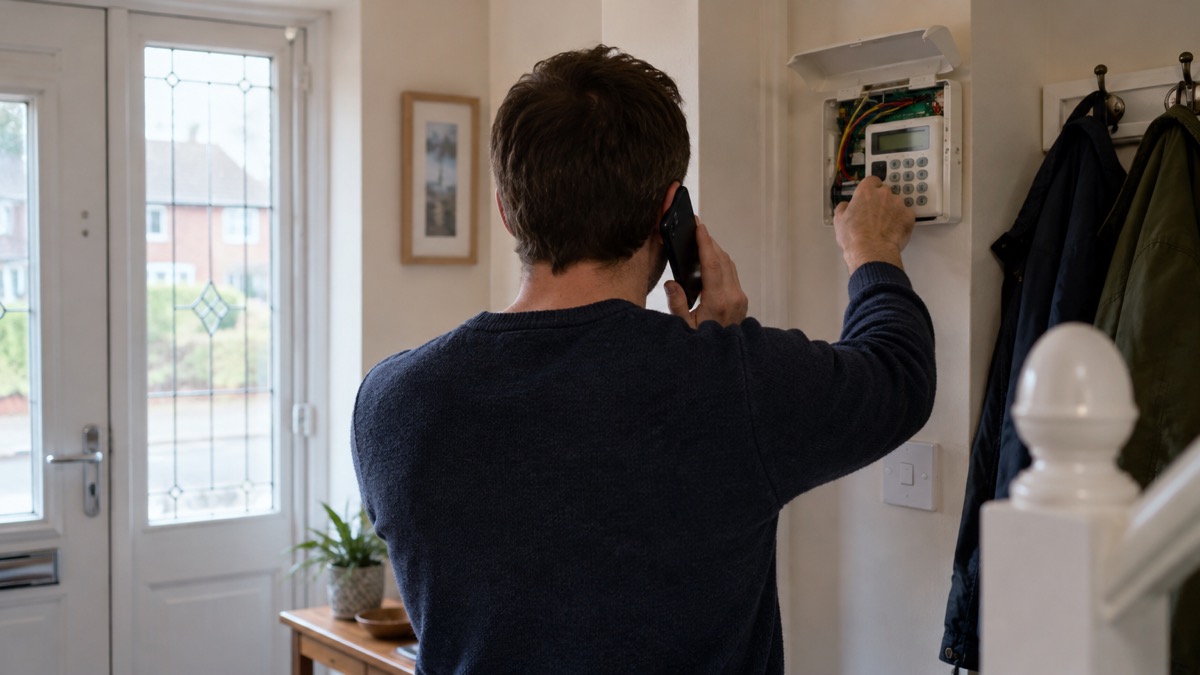
A monitored alarm system notifies a call centre when an alarm is activated12. In a monitored signalling system, the signalling path is usually a telephone line. If that path is interrupted, for example by the telephone cable being cut during a burglary, an alarm is activated at the alarm receiving centre and either the police or the key holder of the premises is informed13. That is a useful safety feature, but it depends on the line working as expected.
The switchover guidance is direct: checking whether devices connected to your landline, such as telecare sensors and some burglar alarms, are compatible with digital lines is part of getting ready14. Some of these systems might not work after the switchover, so talk to your system provider about your options even if you do not know when your phone line will be switched3.
If you have a burglar alarm, the practical steps are:
- Find out how your alarm signals: over a phone line, over broadband, or by mobile network.
- Contact the company that supplies and monitors it and ask them to confirm it is compatible with the new digital phone network4.
- Tell your landline provider that you have a security alarm on the line before the change15.
- Ask what happens if the power goes off, and what you should do if the alarm stops signalling4.
For more on how monitoring works and who responds, see Monitored Alarms: Receiving Centres and Who Responds. If you are choosing a system from scratch, Burglar Alarms: Types and How to Choose One sets the options side by side.
Alarms with a mobile SIM, and what happens when the phone network changes
An alarm that signals over a mobile network rather than a phone line is less exposed to the landline switch, because it does not depend on the line at all. Many digital telecare alarms have an in-built roaming SIM, meaning they will connect to a mobile phone mast in the event of a mains power cut5. That is a meaningful advantage for anyone who relies on an alarm for health reasons.
Mobile signalling is not automatically better in every home. Signal strength varies, and a weak mobile signal can affect any device that depends on it. If that is your situation, Alarms and Cameras on a Weak Mobile Signal or Slow Broadband explains what to check.
Self-monitored smart alarms work differently again. With a self-monitoring setup, a detected threat triggers an alarm at the base station and a notification is sent directly to your phone16. Without a monitoring plan, a system may function as a siren only, with no guard dispatch or break-in alert call17. If you want a call centre involved, ask your provider which signalling method their monitoring uses and what happens if it fails.
| Alarm signalling type | How it sends an alert | What to check before the switch |
|---|---|---|
| Landline dialler | Down the traditional phone line | Compatibility with digital lines, and what happens in a power cut3 |
| Broadband or digital | Over your internet connection | That your broadband stays on in a power cut |
| Mobile SIM | Over a mobile network | Signal strength at your home, and battery backup5 |
| Bells-only | Siren at the property, no dial out | That it is fitted by a certificated installer13 |
What to ask your alarm company before your line moves
The single most useful thing you can do is to tell people before the change, not after. Tell your landline provider and your device supplier before your landline is changed to digital if you, or someone in your household, has a telecare alarm, health pendant, personal alarm or any other device that uses your phone line6. If you use telecare, a health alarm, health monitoring equipment or other devices connected to your phone line, tell your service provider before switching so they can help you check everything continues to work safely18.
When you call, ask these questions:
- Is my alarm compatible with a digital phone line, and will it still signal to the monitoring centre?4
- What happens to my alarm if the power goes off?4
- If I have already switched to a digital provider, do you offer a service compatible with a broadband-based line?19
- Are you making arrangements to upgrade my service if it still runs over a traditional phone line?20
- What will the upgrade involve, and when should it happen relative to my line change?10
Most telecare alarm providers will have upgrade plans, so let your communication provider know if your phone line has or is due to be upgraded10. If you are buying a personal alarm service for the first time and have already moved to a digital provider, check with the supplier that they offer one compatible with a broadband-based service before you buy19.
Switching to Digital Voice: what BT tells customers
Your telecoms provider should contact you before the switchover to check in and discuss what you need to do10. Respond to your provider if they contact you about the change, as you might risk losing service if you do not speak to them about the process18. BT is hosting webinars to help guide customers through what the digital switchover means, why acting now is essential and how to ensure services continue without disruption14.
If you need extra support making the switch to Digital Voice, BT customers can call 0330 1234 150 or register via the webform on the Connected Together website21. Openreach also publishes support for vulnerable customers22.
Be alert to scams around the switch. Fraudsters impersonate BT or other providers, urging people to pay for upgrades or provide personal information8. They warn victims they will lose their landline or internet connection if they do not act immediately, and tell them to pay fees on the spot or face disconnection8. Even people without landlines have received similar fraudulent calls on their mobiles8. A legitimate provider contacting you about the switch will not pressure you to pay on the spot.
Alarms in a power cut, and what to do about it
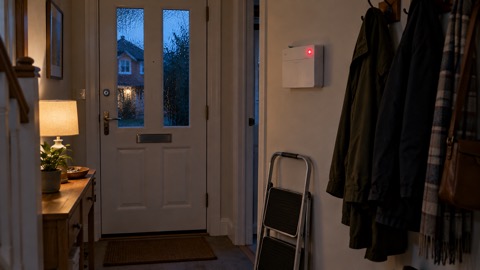
A power cut tests an alarm in a way the switchover does not. Do not assume a personal alarm, fall detector or medical pendant will keep working during a power cut4. Ask the company that supplies your alarm to confirm what happens if the power goes off4.
Digital telecare alarms with an in-built roaming SIM can connect to a mobile phone mast in the event of a mains power cut5, which is why the type of alarm matters here. If your alarm has no such backup, plan for what you would do without it: keep a charged mobile phone to hand and know who you would call.
Your alarm may beep when the power is turned off. Contact your alarm supplier so they can tell you how to stop this from happening23. This matters during a planned power cut, when the supply is switched off deliberately for network work, as well as an unplanned one.
For wider planning around outages, see Keeping Your Home Protected in a Power Cut and Power Cuts: A Household Guide.
Bells-only alarms, smoke alarms and other alarms at home
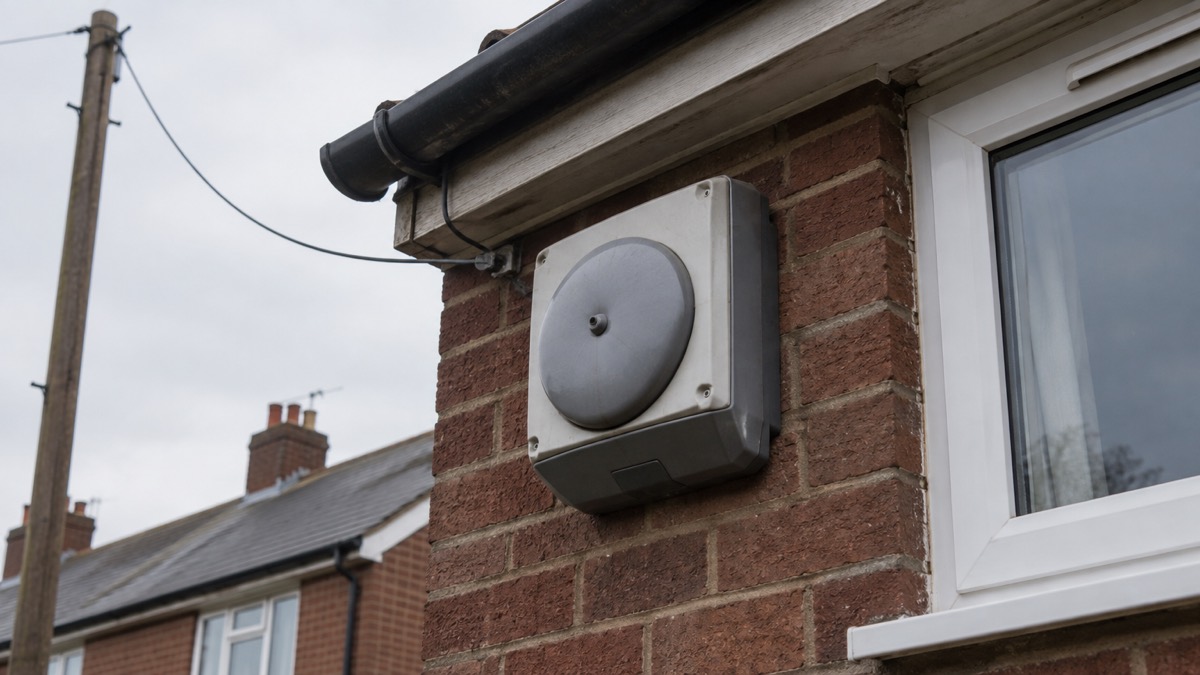
A bells-only alarm sounds a siren at the property and does not dial out, so the phone switchover does not change how it signals. It should always be fitted by a certificated installer to the relevant British Standards13. If you have no need to connect to the internet or Wi-Fi and are happy with a bell-only alarm, that remains a straightforward option24.
The limitation is human, not technical. When a bell-only alarm is activated nearby, nearly a third of people simply ignore it, and only 6% would call the police25. A monitored alarm, by contrast, notifies a call centre when it is activated12. If you want a response rather than a noise, that difference decides the choice. Monitored or Self-Monitored Alarm? compares the two approaches.
Smoke and carbon monoxide alarms are a separate matter but worth checking at the same time. A monitored smoke alarm can sound a siren and issue a spoken voice alert inside the property when smoke is detected, with trained operators able to verify whether a fire has started using connected devices such as cameras and audio26. For carbon monoxide, only use an alarm clearly labelled with BS EN 5029127. If you have a monitored alarm linked to care assistance, tell your provider about every device on the line28.
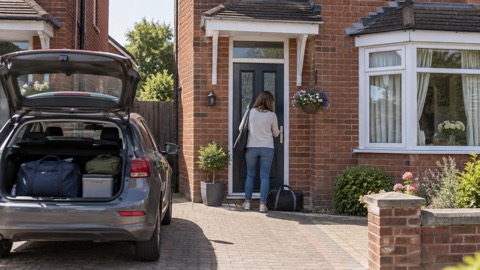
Whatever the type, set your burglar alarm before you leave the house29. For the full routine, see Leaving Your Home While You Are on Holiday.
Emergency alerts on your mobile phone
Emergency alerts are sent to mobile phones, so the landline switchover does not affect them. They are a separate system from your burglar alarm and from any telecare device.
If you do not want to get any emergency alerts in the future, you will need to change your phone settings, and you can learn how at gov.uk/alerts/opting-out7. Depending on the manufacturer and software version of your phone, the settings may be called different names, such as wireless emergency alerts or emergency broadcasts30. Android phones and tablets may get more than one reminder about the same emergency alert, and you can turn these reminders off through the emergency alerts settings on the device31.
Where to get help and what to do next
Work through this in order and you will have covered the risk well before your line changes.
- Check what is connected to your phone line: burglar alarm, telecare alarm, health pendant, CCTV, door entry, payment terminal6.
- Call your alarm or device supplier and ask the compatibility and power cut questions above4.
- Tell your landline provider what is connected before the change6.
- Respond when your provider contacts you about the switch, so you do not risk losing service18.
- Note the date of your line change and confirm the alarm still signals afterwards.
If you need extra support, BT customers can call 0330 1234 150 or register via the Connected Together website21. Age UK explains how the digital switch may affect telecare devices and personal alarms32, and Carers UK has guidance on checking with your provider that an upgrade is being arranged20. In Scotland, Carers UK Scotland covers technologies that can make life easier33. For fire safety at home for carers, the fire and rescue service publishes advice28.
If you are weighing up a new system, Home Security: A Household Guide is the place to start, and Burglar Alarms: Types and How to Choose One sets out the types. For anyone who needs help at home, Extra Help in an Emergency covers older, disabled and medically dependent households.
Sources (33)
- Digital phone line, Openreach, 2026
- Big switch off, Openreach, 2026
- Check your personal alarm will work after the landline switch off, Citizens Advice, 2025
- The landline switchover, National Grid, 2026
- Telecare national action plan, GOV.UK, 2025
- Future of landline calls, Ofcom, 2026
- Opting out of emergency alerts, GOV.UK, 2025
- Digital switchover scam warning, SNAPE-PC, 2025
- The big PSTN switch off is approaching, Lancashire Prepared, 2026
- The digital phone switchover, Cheshire Fire and Rescue Service, 2026
- Moving landlines to digital technologies, GOV.UK, 2025
- Fire safety for carers, Devon and Somerset Fire and Rescue Service, 2026
- Alarm systems, SSAIB, 2026
- Switchover to digital landlines, South Gloucestershire Council, 2026
- Your landline is going digital: what you need to know, Ofcom
- How does professional monitoring work, SimpliSafe, 2026
- Choose monitoring, SimpliSafe, 2026
- Analogue phone lines, Openreach, 2026
- Smart tech and handy devices for the home, Carers UK, 2026
- Technologies to make life easier, Carers UK Scotland, 2026
- Your landline is going digital, RNID, 2025
- Support for vulnerable customers, Openreach, 2026
- Your planned power cut explained, SSEN, 2026
- Alarms: which is right for me, Yale, 2026
- Home alarm, Verisure, 2026
- Fire response, Verisure, 2026
- Carbon monoxide, Public Health Wales, 2025
- Smoke alarms for vulnerable people, Devon and Somerset Fire and Rescue Service, 2026
- Pre-holiday routine, Avon and Somerset Police, 2026
- How alerts work, GOV.UK, 2026
- Emergency alerts easy read, GOV.UK, 2025
- Telecare, Age UK, 2026
- Home safety and personal security system, Hinckley and Bosworth Borough Council, 2026
 Moving Home Locks Checklist
 After a Break-In Checklist
 Holiday Security Checklist
 Alarm Before Going Away
 False Alarms and Police Response
 Checking an Alarm Installer
 Should a Burglar Alarm Bell Box Be Visible?
 Outdoor Siren Fitting Height
 Alarm Sensors and Pets