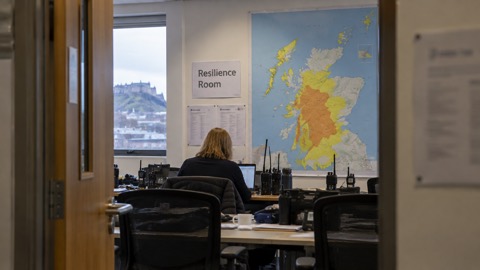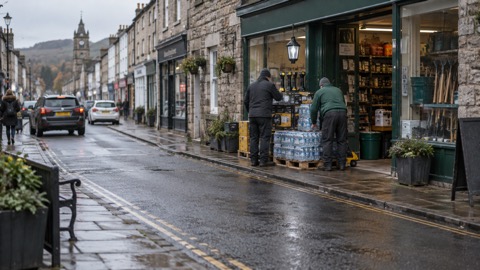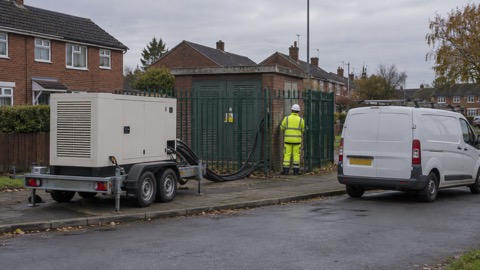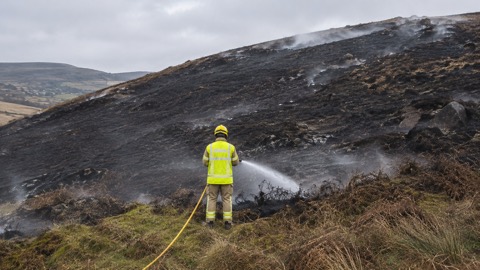
The government has launched a new Flood and Drought Resilience Taskforce to champion community voices and strengthen extreme weather planning and response, according to an Environment Agency announcement published on 13 October 20261. The Department of Food, Environment and Rural Affairs (Defra) said the taskforce would launch that week, the week beginning 12 October2.
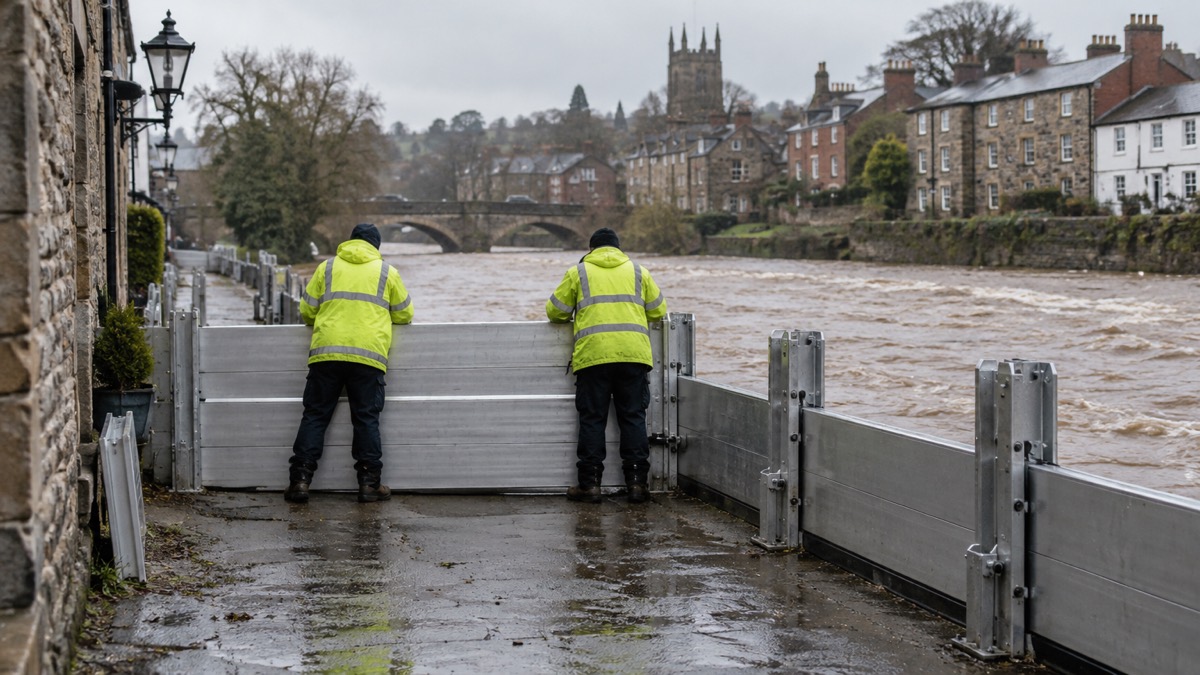
The announcement was made alongside the completion of a flood defence upgrade at Keyhaven Harbour in Hampshire, where the Environment Agency has replaced the Avon Water Outfall, better protecting around 40 properties from flooding ahead of winter1. The outfall forms a barrier between the Solent and Avon Water and is a key part of the flood defence network; the original had significantly corroded, and the new structure is intended to prevent water in the River Avon from backing up during periods of high tide and flooding properties upstream1. The Environment Agency said the new structure uses more durable materials than the original and will withstand the coastal environment, reduce future maintenance and extend the structure's working life1. Because much of the structure is submerged for long periods, work depended heavily on tides, with specialist divers carrying out detailed underwater inspections1.
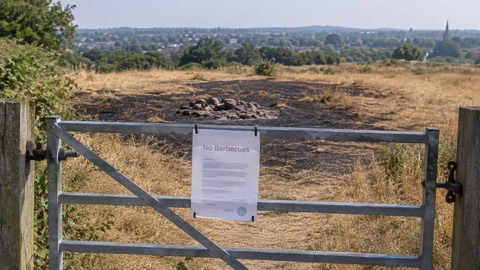
The taskforce was announced against a background of widespread drought. The Environment Agency has declared drought in 11 regions in England, and around 45 million people were living in drought conditions in August2. Yorkshire was the latest area to announce drought conditions after successive months of minimal rainfall, though Yorkshire Water said it was not planning to impose restrictions on customers at that moment2. Wessex Water declared its first hosepipe ban in 50 years from 18 August, affecting 1.4 million customers2. As of October, temporary use bans affecting almost 30 million people remained in force across England2. Eight reservoirs are classed as exceptionally low for the time of year, including Wimbleball (South West Water), Ardingly (South East Water), Clatworthy (Wessex Water), Colliford (South West Water), and Hanningfield and Abberton (both Essex and Suffolk Water)2. England would need 120 per cent of typical rainfall over the next seven months just to be considered out of drought status, and above-average rainfall throughout autumn and winter would be needed for most areas to be out of drought by April 20272.
The Environment Agency's announcement coincided with this year's Flood Action Week, starting 12 October, which urges people to check their flood risk, draft a flood plan, and sign up for flood warnings1.
"It is important to remember though that extreme weather is becoming more common due to climate change, and we can't stop all flooding. That's why we are urging everyone to check their flood risk online and if advisable, draft a flood plan and sign up for free flood warnings."
The Environment Agency said that following both a wet winter and a historic summer drought, the driest July in nearly two centuries, the nation is now bracing for an intensified, wetter winter, and that it remains ready to respond to both ongoing drought conditions and any winter flooding incidents1.
Why it matters for households
Households in the 11 regions where drought has been declared are affected by temporary use bans, which are legal restrictions enforced by water companies to limit temporarily non-essential domestic water use during periods of drought or severe water shortages2. Affected areas named in reporting include those served by Affinity Water in its Central and East regions, covering Bedfordshire, Berkshire, Buckinghamshire, Hertfordshire, Surrey, and parts of London and Essex2. One water company figure said that unless the UK had a significant amount of rainfall this winter, hosepipe bans were likely to stay in place for the foreseeable future2. The Environment Agency does not give one single definition for a drought, attributing different factors including duration and its impact on people2.
On flooding, the Environment Agency urges people to check their flood risk, draft a flood plan, and sign up for flood warnings1. The agency's project manager said extreme weather is becoming more common due to climate change and that not all flooding can be stopped1.
What happens next
Defra said the Flood and Drought Resilience Taskforce would launch in the week beginning 12 October 20262. The Environment Agency said it remains ready to respond to both ongoing drought conditions and any winter flooding incidents1. No further detail on the taskforce's membership, remit or timetable has been reported.
The government's wider approach to resilience is set out in The UK Government Resilience Framework and Action Plan, and long-term threats are covered in Chronic Risks: Long-Term Threats in Government Planning. The UK preparedness hub collects the site's household guidance.