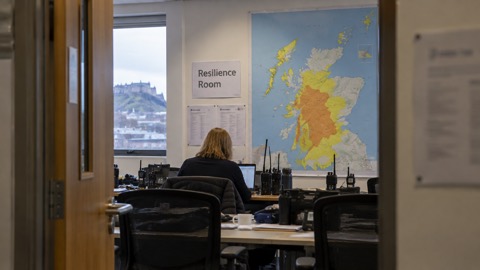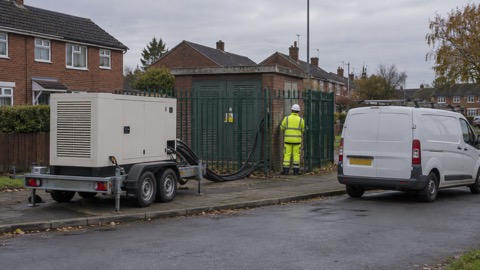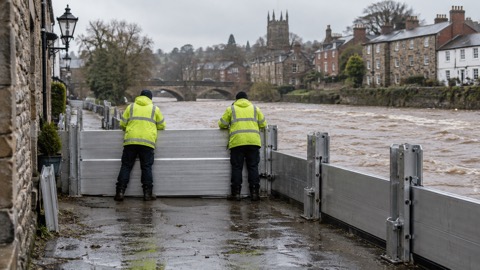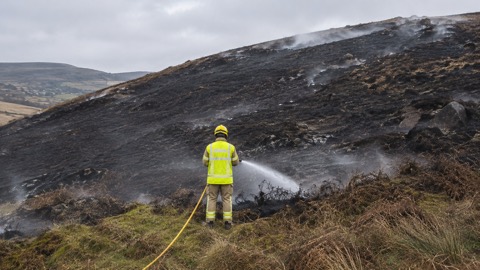
The government made its annual statement on national resilience to Parliament on 14 July 2026, delivered in the Commons by Darren Jones, Chief Secretary to the Prime Minister, and in the Lords by Baroness Anderson of Stoke-on-Trent1. Alongside the statement it published the National Risk Register, the 2026 implementation reports for the Resilience Action Plan and the Biological Security Strategy, and a Call for Views on the Civil Contingencies Act 2004 post implementation review1.
The statement said the government had committed on 8 July 2025, when the Resilience Action Plan was published, to give Parliament an annual overview of the UK's resilience1. The National Risk Register summarises all but the most sensitive, classified risks, and "95 risks are listed in total"1. The statement cited conflict in the Middle East and Russia's war in Ukraine as exposing vulnerabilities in global energy supply chains, and said artificial intelligence could be weaponised by criminals for hostile cyber attacks against businesses and critical infrastructure1. On climate, it said temperatures across the UK broke records in May and were exceeded again in June, and that climate change is exacerbating the spread of high-consequence infectious diseases1.
On defence and civil contingency planning, the statement said defence spending will rise to almost £80 billion a year by 2029, and that the government War Book has been updated1. It said plans will be tested through the largest UK home defence exercise in several decades in 20271. An Energy Resilience Strategy and a Transport Resilience Strategy are to be published later this year1.
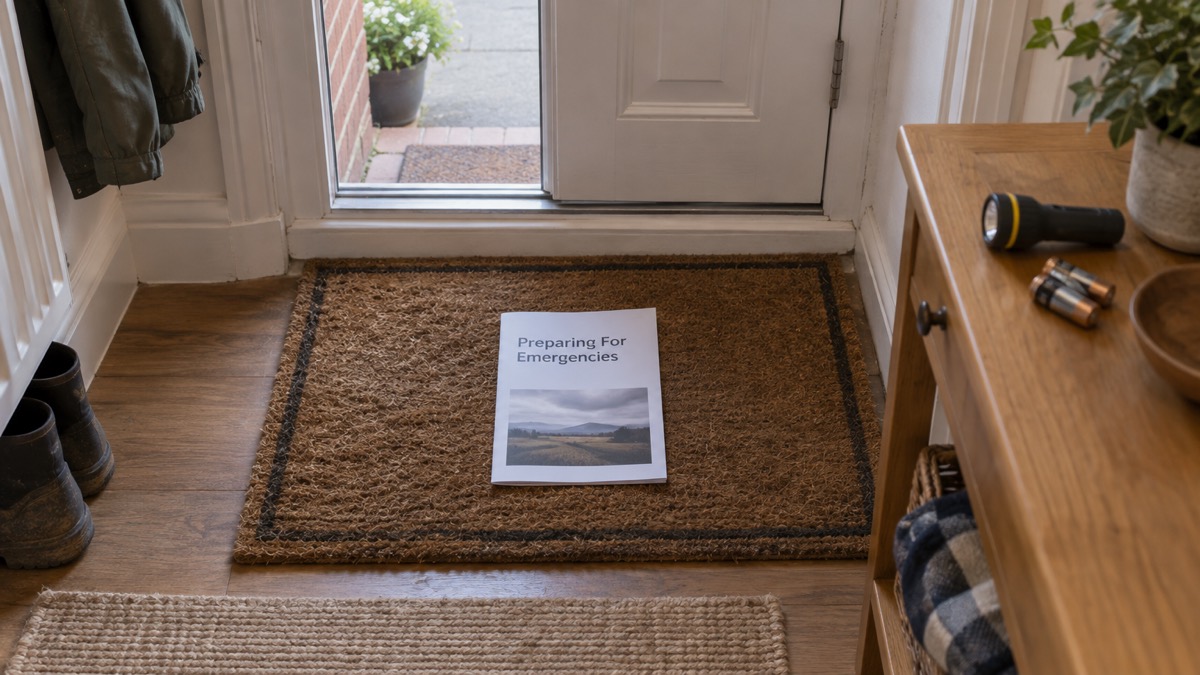
The statement announced a national public awareness campaign later this year, and a Call for Views on the Civil Contingencies Act 2004 to gather evidence on where it may need updating1.
"Today, I can announce that the government will launch a national resilience public awareness campaign later this year, in order to inform the public of the small but important steps they can take to be prepared in case of emergencies and disruption"
On biological security, the statement listed progress including Exercise Pegasus, described as the largest Tier 1 pandemic scenario simulation in UK history; a Network of National Biosecurity Centres backed by £1.83 billion; Moderna's new mRNA vaccine manufacturing centre; a new Pandemic Preparedness Strategy supported by an additional £1 billion in health protection measures; and a Biothreats Radar providing real-time data on biological incidents1. It said the implementation report sets out commitments to ensure that, by 2030, the UK is resilient against a spectrum of biological threats1.
| Document published on 14 July 2026 | Detail given in the statement |
|---|---|
| National Risk Register and supplementary guidance | 95 risks listed in total1 |
| Resilience Action Plan: 2026 Implementation Report | Annual update on implementation1 |
| Biological Security Strategy: 2026 Implementation Report | Commitments to 20301 |
| Call for Views: Civil Contingencies Act 2004 Post Implementation Review | Gathers evidence on where the Act may need updating1 |
Why it matters for households
The statement names the services households depend on. It said extreme weather events, as shown by storms earlier this year, can cause significant and prolonged disruption to essential services, and that a cyber attack can impact access to power, water, phone signal or local shops to get food1. The awareness campaign is intended to inform the public of the small but important steps they can take to be prepared for such disruption1. The statement gives no date for the campaign beyond "later this year"1. The Call for Views concerns the framework under which local responders plan and prepare; the statement does not set out a timetable for it, and this has not been reported1.
What happens next
The Energy Resilience Strategy and Transport Resilience Strategy are to be published later this year1. The national resilience public awareness campaign is to launch later this year1. The largest UK home defence exercise in several decades is planned for 20271. The Call for Views on the Civil Contingencies Act 2004 is open, with no closing date given in the statement1. Further background is set out in the uk-preparedness hub.
Sources (1)
- Written statements - Written questions, answers and statements - UK Parliament, questions-statements.parliament.uk
 UK Resilience Framework
 Civil Contingencies Act 2004