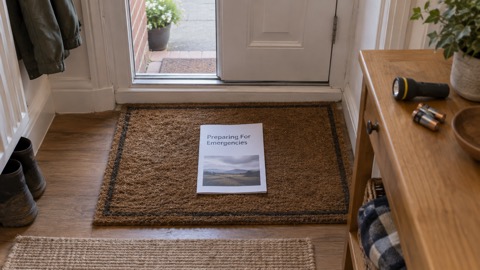
The Cabinet Office published updated advice for households on 22 October 2026 and launched the "Be Ready" campaign, described in the announcement as the first stage of a three-year campaign to help households across the UK feel better prepared for events such as severe weather, which can occasionally affect services including power, water, phones and the internet1. The department said the campaign brings the UK into line with European peers who run similar campaigns, and that the advice to be prepared for three days of disruption at the heart of the UK campaign is also used by France, Ireland and The Netherlands1.
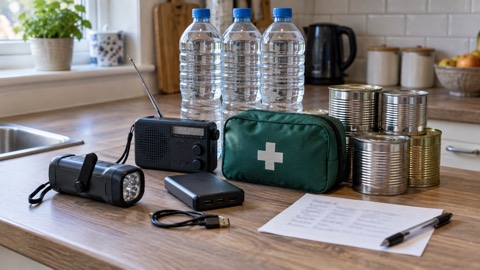
The published steps include signing up to the Priority Services Register, a service that helps gas, water and electricity companies identify customers that may need extra support in an emergency, and keeping a small supply of non-perishable food and bottled water at home1. The announcement said many of the steps are quick and cost-free, and others are designed to be as low-cost as possible1. It said more than five hundred organisations across the UK, from charities to businesses, have already signed up to share messaging and campaign assets within their networks and communities, and that social media and radio advertising over the coming weeks and months will reach audiences it describes as particularly at-risk in everyday emergencies: families with young children and older people1. The campaign was built in collaboration with charities and campaigners working with groups that are often under-represented, including people with insecure housing and people who use foodbanks, and with local resilience forums across the UK1.
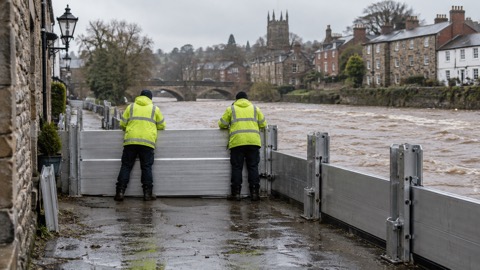
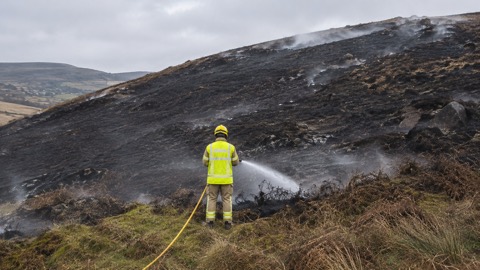
The government has published resilience advice for households since May 2024, and the announcement said that while the previous "Prepare" website has been updated with new messaging and branding, much of the advice has not changed and remains evergreen1. The announcement cited storms last winter and the wildfires this summer as showing how severe weather can disrupt services from phone signal to water and the internet1.
"Those who can follow this advice should follow this advice. By taking simple steps to be ready for everyday emergencies like severe storms, people can reduce pressure on emergency services, helping them prioritise people who need more support in an emergency."
The emergency communications charity RAYNET-UK reported the launch on 23 October 2026 and listed the steps it says the campaign urges people to take2:
| Step listed by RAYNET-UK |
|---|
| Build an emergency kit with food and water for three days |
| Make a household emergency plan |
| Prepare a "grab bag" |
| Ensure that your vehicle is prepared |
RAYNET-UK also reported that Defence Secretary Wes Streeting warned that people needed to be more aware of emerging risks facing the UK and make plans to deal with them, saying the public need to be prepared for increasingly sophisticated cyber-attacks on businesses, or supply chain disruption caused by hostile state actors or terrorists, and that incidents could leave the public without access to everyday services such as mains water, sewage, phones and the internet2. The Cabinet Office announcement does not mention the Defence Secretary or cyber-attacks; it refers to severe weather and to storms and wildfires1. The two accounts therefore differ on what the campaign is presented as responding to.
Why it matters for households
The advice applies to households across the UK and centres on disruption lasting up to three days to services including power, water, phones and the internet1. The Cabinet Office frames the steps as a way for households that can take them to reduce pressure on emergency services, so that services can prioritise people most in need if an emergency happens1. The Security Minister's quoted words make the same point1. The Priority Services Register is named as a free step for people who may need extra support from gas, water and electricity companies in an emergency1. The British Red Cross welcomed the campaign; its Director for UK Resilience, Laura Scott, said local people know their communities best and want to play a part when a crisis happens, and that clear and trusted advice, especially for those who may be more at-risk, could help reduce the impact of crises and even save lives1.
What happens next
The campaign is to build gradually over time, with social media and radio advertising over the coming weeks and months aimed at families with young children and older people1. No further stages, dates or funding figures have been reported1.
The updated advice sits within the wider UK preparedness framework; the Be Ready campaign page explains the national campaign, and the Be Ready checklist sets out the government's list step by step. Households starting from scratch can use Getting Started or the 30-day preparation plan, and the household checklist covers home, grab bag and car.
 Be Ready Campaign
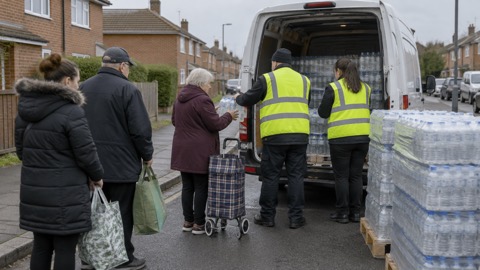 UK Emergency Preparedness Guide
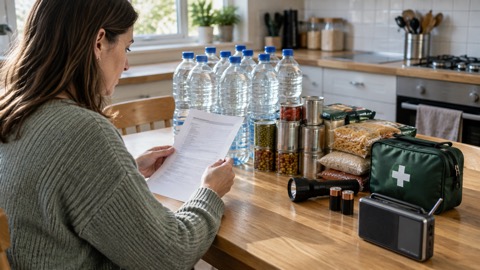 Be Ready Checklist Explained
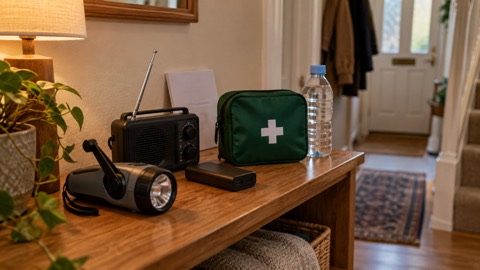 Official Government Advice
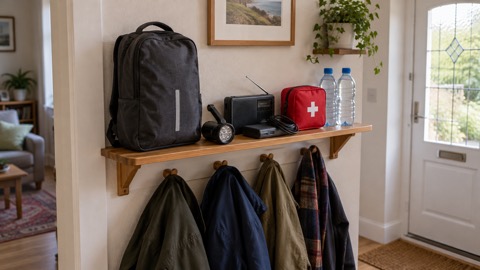 Getting Started