The Cabinet Office published the UK Government Resilience Action Plan: 2026 Implementation Report on 1 October 2026, together with a refreshed National Risk Register1. The report says the register has been updated "to reflect the latest developments in the risk landscape" and is accompanied by new guidance intended to reach wider audiences1. The register is the public-facing version of the classified National Security Risk Assessment1.
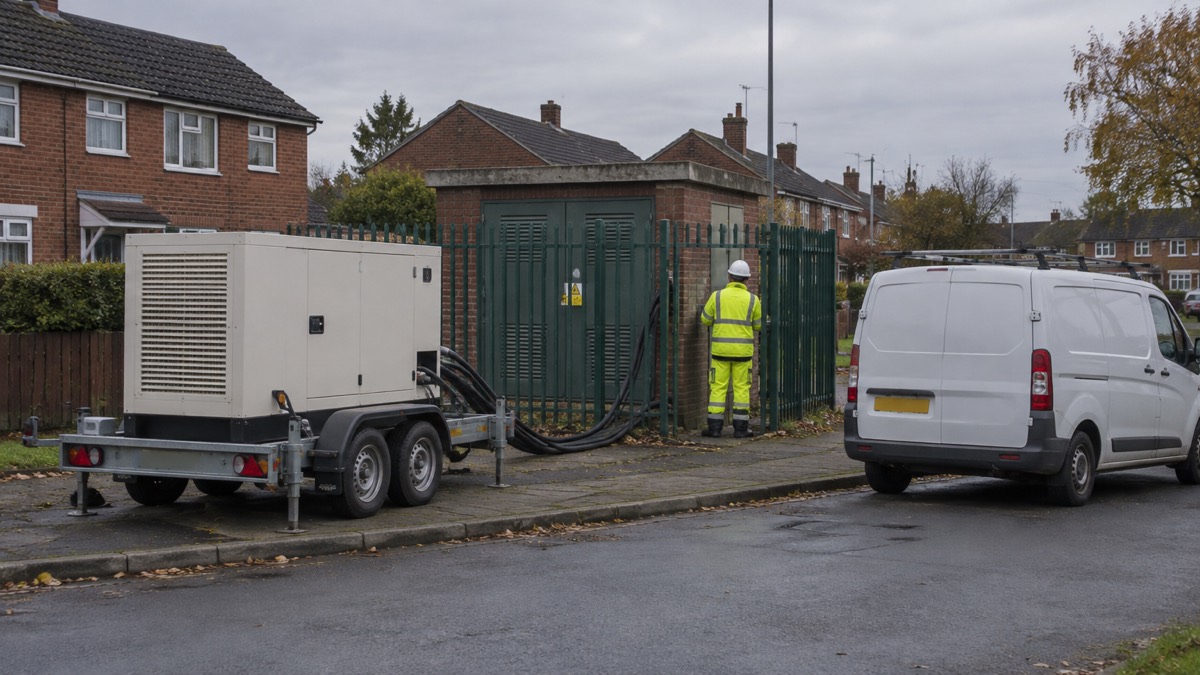
The report sets out the emergencies of the past year that shaped its assessment. Storms Chandra, Goretti and Ingrid "caused severe disruptions and widespread utility failures in January 2026", and the Cabinet Office "issued two emergency alerts to approximately 500,000 people across the Isle of Scilly and Cornwall on Thursday 8 January"1. COBR stood up a Severe Weather Resilience Network in response to heat in June, July and August, and record-breaking temperatures in June 2026 required a RED heat weather warning, with a maximum of 37.3oC in Suffolk1. The report also records the Manchester Synagogue Attack in October 2025, a Meningitis B outbreak in Kent requiring rapid immunisation and antibiotic distribution sessions, and the MV Hondius Hantavirus outbreak in May 2026, which required the safe evacuation of over 20 British nationals back to the UK1.
On infrastructure, the report notes that in November 2025 the government published its response to NESO's report on the North Hyde Substation outage, "setting out clear actions to improve GB resilience"1. The Security Minister's foreword refers to "several major cyber attacks" among the risks of the past year, and to the dependency of economic security on global supply chains1.
"We have published a refreshed National Risk Register to reflect these changes in the risk landscape, accompanied by new guidance to enable wider audiences and ensure that we are able to prepare across society."
The report describes resilience work across the devolved administrations. It says the Scottish Government is developing a Scotland-specific risk assessment and promoting societal resilience through the Ready Scotland website; that a Welsh Government classified risk register, developed with Wales's four Local Resilience Fora, underpins improved risk management; and that the Executive Office will launch a "Be Ready NI" campaign during the summer1. Five Chief Resilience Officers have been introduced under the Stronger LRF Trailblazer programme, with recruitment to the final post underway1. A funding package of up to £2.5 million to support civil society infrastructure in England will be delivered by the selected organisation between October 2026 and March 20291.
Why it matters for households
The register is the government's public account of the risks it assesses as most serious, and the report says the refreshed version and its new guidance are meant to help wider audiences prepare1. The incidents listed in the report are the kinds that interrupt power, water, heating and travel: the January storms caused widespread utility failures, and the June heat prompted a RED warning1. The report states that the Resilience Action Plan focuses on vulnerable people, assessing and planning for those who may be disproportionately impacted by emergencies1. It also says a national resilience public engagement campaign, anchored in GOV.UK/Prepare, is being designed with devolved and local governments, Local Resilience Forums, utilities providers, businesses and civil society organisations, and is due to launch later this year1. The guide to the National Risk Register explains how to read the document; the preparedness hub covers the household basics, and the Be Ready campaign page follows the national campaign.
What happens next
The report gives several dated commitments. Four new standards are to be published in July 2026, and the first cross-government users of a new system were scheduled to begin onboarding in July1. A public call for views has been launched to gather evidence from the resilience community ahead of the review of the Civil Contingencies Act 20041. The report also refers to a review into the response to Storm Goretti1. The national resilience public engagement campaign is due to launch later this year1.
 National Risk Register