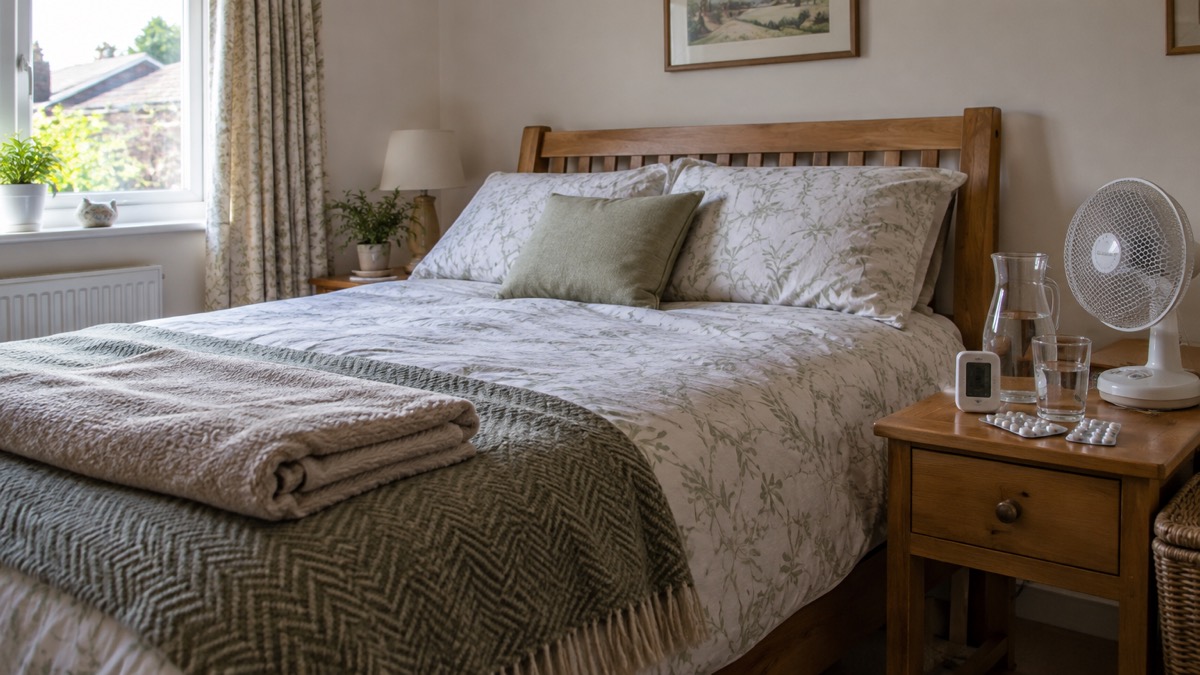
Caring for someone who is ill at home comes down to a short list of things you can get ready before you need them: their medicines and a written record of doses, a thermometer, food and drink they can manage, a first aid kit, and a plan for who to call. Most of the work is ordinary and calm. The skill is in noticing when ordinary illness is turning into something that needs a doctor, and in keeping the person comfortable while you wait.
The two weather extremes matter most. In hot weather, older people, people with long-term conditions and people who live alone are at particular risk, and the aim is to keep them cool and drinking. In cold weather, health advice recommends keeping the home heated to at least 18°C, especially if the person is 65 or over or has a health condition1. A thermometer in the living room and bedroom lets you check rather than guess2.
This page is a checklist first: the supplies and arrangements to have in place, then how to use them when someone is too hot, too cold, or becoming more unwell than you expected. It is written for the carer at home, not for a care home, though the same principles apply.
The checklist: what to have ready before you need it
Work through this list once, when the person is well, and again at the start of a spell of very hot or very cold weather. Each item earns its place because it answers a problem you will otherwise be solving in a hurry.
Keeping the person cool in hot weather
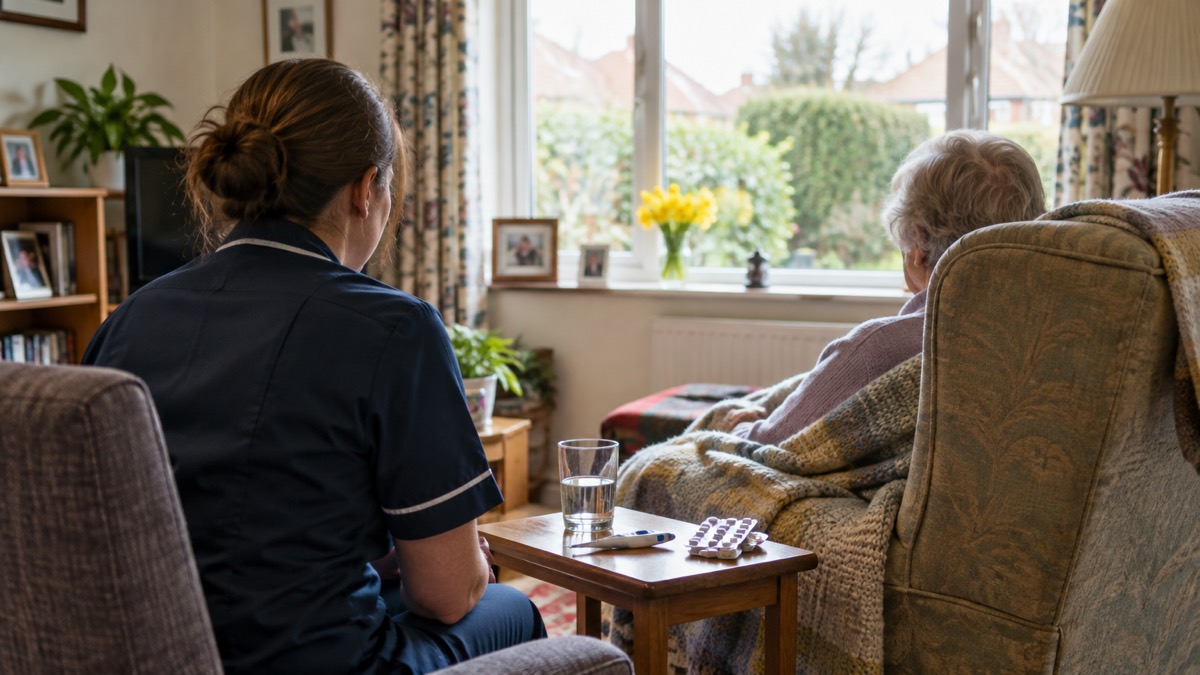
Heat is the weather that catches carers out, because a hot day feels harmless. Official guidance is clear that older people, those with underlying conditions and those who live alone may need support to keep cool and hydrated. Older people and people with heart, respiratory and other serious health problems are described as most vulnerable when the temperature starts to rise13.
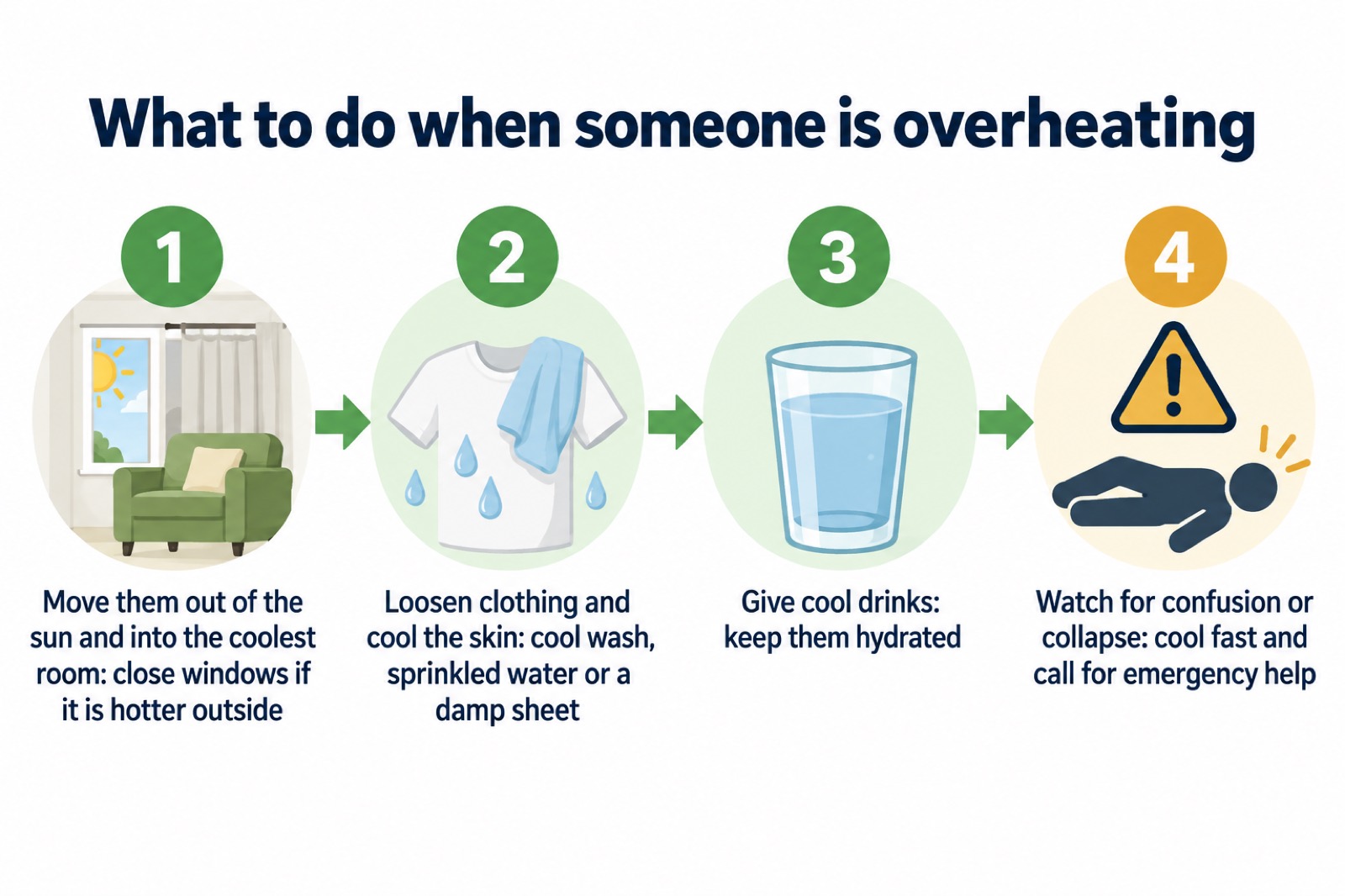
Start with the room. Close windows when the outdoor temperature is higher than indoors, for example during the day, and open them when it is cooler outside3. Ensure adequate ventilation14. Where you can, keep one room cool enough to retreat to: official guidance for care settings is a cool room or area able to be maintained below 26°C3. Check the temperature with the thermometer rather than by feel2.
Then the person. NHS Inform advises a cool shower, bath or wash, sprinkling cool water over the skin or clothing, or a damp cloth on the back of the neck15. Offer cool drinks regularly. If they have a long-term condition, make sure they have enough medication at home so they do not need to travel during the hottest hours11.
Medicines, symptoms and when to get help
Most minor illness can be managed at home. NHS guidance for winter illness is to keep warm, rest, drink plenty of fluids, have at least one hot meal a day and use over-the-counter medicines for relief17. Minor illnesses can often be treated at home, and pharmacists can offer advice as well as medication over the counter, while your GP surgery should usually be your first contact18.
The judgement call is when to escalate. If the person is 65 or over, or in one of the other at-risk groups, it is important to get medical help as soon as they feel unwell, and help is available from a pharmacy, a GP or NHS 1116. Do not wait for a cough or cold to become more serious before seeking advice from a pharmacist10. If you are unsure which service to use, our guide to NHS 111 explains what it can help with, and when to call 111 and when to call 999 sets out the difference.
| Situation | Who to contact |
|---|---|
| Minor illness, cough, cold, upset stomach | Pharmacist for advice and over-the-counter medicine18 |
| Feeling unwell and 65 or over, or in an at-risk group | Pharmacy, GP or NHS 111 as soon as possible6 |
| Getting worse, or you are worried | GP surgery as first contact18 |
| Confusion, collapse or a rapid deterioration | Emergency help16 |
Keep the medicines list up to date and store medicines safely, away from heat and out of reach of children. Our page on storing medicines safely covers temperature and expiry dates, and the medicine cabinet checklist lists what to keep in.
Cold weather: keeping them warm and fed
Cold is the slower danger. Health advice recommends keeping the home heated to at least 18°C during winter, especially if the person is 65 or over or has a health condition1. Keep the living room and bedroom warm, and check the temperature with the thermometer2.
Practical support matters as much as heating. Check on older neighbours or relatives, especially those living alone or with serious illness, to make sure they are safe, warm and well10. Make sure they are warm enough, especially at night, and have stocks of food and medicines so they do not need to go out during very cold weather10. Warm clothing and hot drinks help prevent vulnerable people falling ill6. If you know someone who may be struggling, check they have enough food, medicines and heating1.
Anyone in a high-risk category who lives alone is likely to need at least daily contact during adverse cold weather, whether from care workers, volunteers or informal carers5. In Northern Ireland, official guidance says older people living on their own should be visited daily to check they are well2.
If someone becomes very cold and drowsy, treat it as an emergency. While waiting for help, if they cannot be moved indoors, find something for them to rest on to protect them from the cold ground, such as a towel or blanket20. For someone in shock, keep them warm by covering their legs and body with coats or blankets and monitor them until help arrives21.
Keeping the checklist ready, and knowing who checks on whom
A checklist only works if it is current. Review it at the start of summer and the start of winter, and whenever a medicine changes. The Be Ready campaign's advice is to write down the contact details you would need in an emergency, including anyone who might need checking on, and a list of any regular medication and doses7. Keep a copy where a visiting carer or relative can find it.
Agree a backup plan with anyone who might need extra support, particularly if they live alone: for example, that if an outage happens and you cannot call, you or another trusted person they know will visit them7. That single arrangement covers power cuts, phone failures and the ordinary day when your call does not get through.
If the person you care for is disabled or has care needs, the government's advice for disabled people and carers is a useful starting point, and our section on extra help in an emergency explains the Priority Services Register and other support. For the wider picture of looking after someone unwell, see looking after someone who is ill at home, and for supplies, the sick at home kit checklist.
Sources (21)
- Stay warm and nourished, NHS Norfolk and Suffolk ICB, 2026-10-16
- Hot weather advice, nidirect, 2026-10-05
- Supporting vulnerable people before and during hot weather: social care managers, GOV.UK, 2024-12-19
- Advice for disabled persons and carers, Be Ready, 2026-10-20
- Supporting vulnerable people before and during cold weather for healthcare professionals, GOV.UK, 2025-09-24
- Keep warm keep well, NHS, 2022-11-16
- Be ready for emergencies, Be Ready, 2026-10-21
- Use right service winter, Hampshire Hospitals NHS Foundation Trust
- Alternatives to 999, South Central Ambulance Service, 2026-10-29
- Keep well keep warm, Stonehill Medical Centre, 2022-11-01
- Stay cool and safe in hot weather, Somerset Council, 2026-07-08
- Get prepared, Carmarthenshire County Council, 2026-10-28
- Severe weather planning, Derbyshire County Council, 2026-10-29
- Keeping cool in summer, Derbyshire County Council, 2026-10-29
- Heatstroke and heat illness, NHS Inform, 2026-07-15
- Heatwave: how to cope in hot weather, South Western Ambulance Service, 2026-10-29
- Keep winter well, Birmingham Community Healthcare NHS Trust, 2026-10-28
- Winter Wellness 2025-26 leaflet, NHS North East London ICB, 2025-11
- Home fire safety tips, Warwickshire County Council, 2026-10-29
- Hypothermia, nidirect, 2025-06-03
- Shock first aid, NHS Inform, 2026-07-24
 Medicine Cabinet Checklist
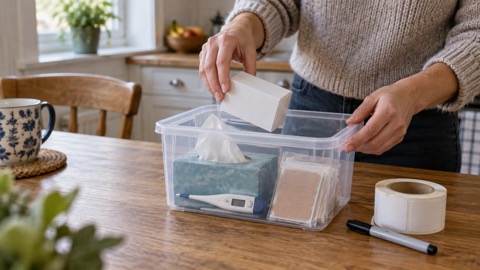 Sick at Home Supplies Kit
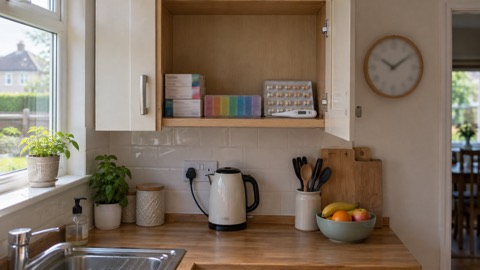 Medicine Supply Checklist