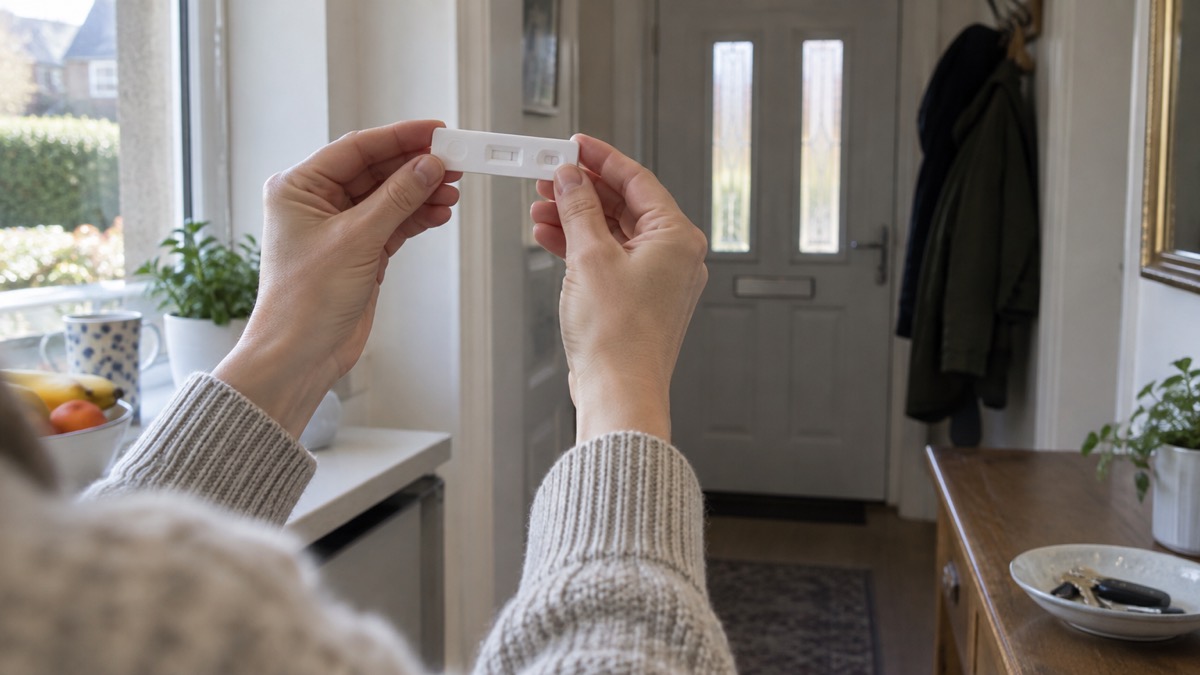
If you have tested positive for COVID-19, the advice for an ordinary household is straightforward. Adults are advised to try to stay at home and avoid contact with other people for 5 days after the day they took the test1. Children and young people under 18 are advised to stay at home for 3 days after the day the test was taken1. The day you took the test does not count as day one, so the clock starts the following day.
These are public health recommendations, not a legal requirement. The legal requirement to isolate ended in 2022, but the advice to stay at home and avoid contact with others continues2. The purpose is simple: to reduce the chance of passing the virus to people who could become seriously ill, including those with a weakened immune system, older relatives and anyone with an underlying health condition.
If you are still unwell when the minimum period ends, stay at home for longer. If you have a high temperature or do not feel well enough to go to work or carry out normal activities, you are advised to stay at home and avoid contact with other people until you no longer have a high temperature and feel better3. Most people will no longer be infectious to others after 5 days, but some people may be infectious for up to 10 days from the start of their infection3.
Adults: five days after the day of your test
For anyone aged 18 or over, the advice is to try to stay at home and avoid contact with other people for 5 days after the day you took your test1. The same figure appears in the NHS rapid lateral flow test guidance, which says to stay home and avoid meeting people for 5 days after the day the test was taken if you are aged 18 or over5. The government's guidance on respiratory infections gives the same advice: if you have a positive COVID-19 test result, try to stay at home and avoid contact with other people for 5 days after the day you took the test3.
This applies whether or not you have symptoms. The winter guidance from Suffolk Fire and Rescue Service is explicit: if you have a positive COVID-19 test result you should try to stay at home and avoid contact with other people for 5 days after the day you took your positive test, even if you have no symptoms6. The NHS also states plainly that if you have COVID-19 you should try to stay at home7.
The 5 day figure is a minimum, not a fixed sentence. It reflects the point at which most people are no longer infectious. The government's guidance notes that although most people will no longer be infectious to others after 5 days, some people may be infectious for up to 10 days from the start of their infection3. If you are still unwell at the end of the 5 days, the advice is to continue staying at home until you have recovered.
For care home residents, the guidance is slightly different. Age UK notes that residents with a positive COVID-19 test should stay away from others for a minimum of 5 days after the beginning of respiratory symptoms, continuing until well and without a high temperature, usually no longer than 10 days in total8. This reflects the higher vulnerability of people living in care settings.
Children and young people under 18: three days after the test
For children and young people under 18, the advice is to try to stay at home and avoid contact with other people for 3 days after the day the test was taken1. The NHS lateral flow guidance gives the same figure: 3 days after the day the test was taken if you are under 18, because children and young people tend to be infectious for less time than adults5. The government's respiratory infection guidance also states that children and young people with a positive COVID-19 test result should try to stay at home and avoid contact with other people for 3 days after the day they took the test, if they can3.
The shorter period for children reflects how the virus behaves in younger people. It does not mean children cannot pass the virus on, but the window of infectiousness is generally shorter.
NHS inform in Scotland gives slightly different wording for children and young people aged 18 and under. It says that if a child or young person tests positive or has respiratory symptoms, they should stay at home and can return when they no longer have a fever and do not need medicine to control it, with 48 hours as a rough guide and no specific time limit9. This is broadly consistent with the 3 day advice but frames the return to normal activity around the fever clearing rather than a fixed number of days.
Children with severe symptoms should stay at home and return to education when they feel well enough2. If a child is still unwell after the 3 day period, keep them at home until they have recovered.
How to count the days from your test
The counting rule is simple but easy to get wrong. The day you took the test is not day one. The 5 days for an adult, or 3 days for a child, start the day after the test was taken1. If you took a positive test on a Monday, the 5 days for an adult run from Tuesday to Saturday, and you can think about mixing with others again from the Sunday. For a child under 18, the 3 days run from Tuesday to Thursday.
| Test taken | Adult (5 days) | Child under 18 (3 days) |
|---|---|---|
| Monday | Tuesday to Saturday | Tuesday to Thursday |
| Wednesday | Thursday to Monday | Thursday to Saturday |
| Friday | Saturday to Wednesday | Saturday to Monday |
This table is a plain illustration of the counting rule: the day after the test is day one, and the period runs for 5 days for adults or 3 days for children1.
If you have symptoms and are waiting for a test result, the advice is different. The old guidance from Suffolk said that you and anyone you live with must stay at home until you get your result4. That advice dates from the period when PCR testing was the main route, and the current guidance focuses on what to do after a positive result rather than while waiting.
For people in Northern Ireland, there is a specific testing rule. Public Health HSCNI advises that you should not undertake regular lateral flow tests for three weeks after testing positive, except to determine when your isolation period ends10. This is a local arrangement and does not apply in England, Scotland or Wales.
If you have diarrhoea or are being sick: 48 hours after it stops
If you have diarrhoea or you are being sick alongside COVID-19, the advice is to stay at home until 48 hours after they have stopped4. This is the standard rule for sickness and diarrhoea, and it applies whatever the underlying cause.
The 48 hour rule appears across official guidance for a range of infections. Derbyshire County Council advises that you should not go to school, nursery or work or visit others in hospital or care homes until 48 hours after the last episode of sickness or diarrhoea11. NHS inform in Scotland gives the same advice for norovirus: stay off work or school until at least 48 hours after the symptoms have stopped12. Somerset Council advises that children under 5 should not attend nursery or school until 48 hours after their diarrhoea and vomiting have settled13.
The reason for the 48 hour rule is that you can still be infectious after you feel better. The government's guidance on cryptosporidium, a cause of diarrhoea, states that you should not return to work or school until you have been free from diarrhoea and/or vomiting for 48 hours14. The NHS ambulance service first aid guidance for vomiting advises staying at home and getting plenty of rest15.
If you have diarrhoea or vomiting, do not visit hospitals or care homes until 48 hours after the symptoms have stopped11. This protects people who are already unwell and more vulnerable to infection.
Avoiding contact with other people while you stay at home
Staying at home does not mean you have to shut yourself away completely, but it does mean reducing close contact with others. The government's guidance for household and overnight contacts of someone with a positive COVID-19 test result advises them to avoid contact with people at higher risk, limit close contact with others outside the household, wear a well-fitting face covering, and wash hands frequently3. The same principles apply to you while you are infectious.
The NHS advises that you should try to stay at home and avoid contact with other people for 5 days after the day you took your test1. In practice, this means working from home if you can, avoiding crowded places, and keeping your distance from people you live with where possible. The government's guidance on living safely with respiratory infections advises working from home wherever possible and telling medical or dental appointments about your symptoms if you attend in person16.
If you live with someone who is vulnerable, take extra care. The NHS lateral flow guidance advises trying to wait 10 days after the day you took your test before meeting anyone who is more likely to get seriously ill from viruses5. The Lullaby Trust gives the same advice for people with a weakened immune system17. This is because some people remain infectious for longer, and the people most at risk need the most protection.
Carers UK advises that if your test result is positive, you should advise those you have been close to in recent days straight away, arrange care cover if necessary, and self-isolate18. This is practical advice for anyone who cares for someone else: let people know early so they can make other arrangements.
The Welsh Government's public health guidance is clear: you should stay at home if you are unwell and avoid contact with others if you have symptoms or test positive19. This applies across Wales and is consistent with the advice in England.
For people who live with someone who has tested positive, the current guidance focuses on the person who has tested positive rather than the whole household. Household or overnight contacts should avoid contact with people at higher risk, limit close contact with others outside the household, wear a well-fitting face covering and wash their hands frequently, because infection can take up to 10 days to develop6.
Still feeling unwell after five days
The 5 day figure is a guide, not a deadline. If you still have a high temperature or do not feel well enough to go to work or carry out normal activities, you are advised to stay at home and avoid contact with other people until you no longer have a high temperature and feel better3. The government's guidance on living safely with respiratory infections says the same: stay at home and avoid contact with others until you no longer have a high temperature or until you feel better20.
The Welsh Government's guidance for people with symptoms of a respiratory infection advises getting plenty of rest, drinking water to keep hydrated, and using medications such as paracetamol to help with symptoms16. It also advises staying at home and avoiding contact with others until you no longer have a high temperature or until you feel better, working from home wherever possible, and telling recent contacts you are feeling unwell16.
If you are still unwell after 5 days, you do not need to take another test to confirm you are negative before going back to normal activities. The advice is based on how you feel, not on a test result. However, if you are in Northern Ireland, the guidance on testing after a positive result may affect when you take further tests10.
For people who are clinically vulnerable and being monitored at home, the COVID Oximetry at Home programme provided up to 14 days of at-home monitoring, with discharge after 14 days from the onset of symptoms if there were no signs of deterioration21. This was a specific programme for people at higher risk and does not apply to the general population.
Living with vulnerable people
If you live with someone who is vulnerable, the advice to wait 10 days before meeting them is important. The NHS lateral flow guidance says to try to wait 10 days after the day you took your test before meeting anyone who is more likely to get seriously ill from viruses5. The Lullaby Trust gives the same advice, specifically mentioning people with a weakened immune system17.
This does not mean you have to move out of your home. It means taking extra care: keeping your distance where you can, washing your hands frequently, and avoiding close contact such as hugging or sharing food and drink. The government's guidance for household contacts advises wearing a well-fitting face covering and washing hands frequently3.
If the vulnerable person you live with is extremely vulnerable, they may have received specific advice during the pandemic. The National Audit Office reported that government guidance urged people considered clinically extremely vulnerable to the virus to not leave their homes for 12 weeks and not go out for shopping, travel or leisure22. That advice was specific to the shielding programme and is no longer in force, but it illustrates the level of caution that has been advised for the most vulnerable.
Age UK notes that care home residents with a positive test should stay away from others for a minimum of 5 days after the beginning of respiratory symptoms, continuing until well and without a high temperature, usually no longer than 10 days in total8. If you are visiting a care home, check the home's own rules before you go.
Other respiratory infections
The advice for COVID-19 sits within broader guidance for respiratory infections. If you have symptoms of a respiratory infection such as flu or a cold, and you have a high temperature or do not feel well enough to go to work or carry out normal activities, you are advised to try to stay at home and avoid contact with other people20. The same principles apply: rest, fluids, and staying away from others until you feel better.
The government's guidance on living safely with respiratory infections advises getting plenty of rest and drinking water to keep hydrated, using medications such as paracetamol to help with symptoms, staying at home and avoiding contact with others until you no longer have a high temperature or until you feel better, working from home wherever possible, telling medical or dental appointments about your symptoms if attending in person, and telling recent contacts you are feeling unwell16.
For children and young people who are unwell with a high temperature, the Welsh Government advises that they should stay at home and avoid contact with other people where they can, and can go back to their setting when they no longer have a high temperature and are well enough to attend23. This is consistent with the advice for COVID-19 and applies to other respiratory infections too.
If you are unsure whether you have COVID-19, a cold or flu, the symptoms can overlap. The NHS advises that if you have COVID-19 you should try to stay at home7. The same everyday habits, such as handwashing and keeping rooms ventilated, help reduce the spread of all respiratory infections.
For more on staying at home when ill, see Staying at Home When Ill: Keeping Your Household and Others Safe. For advice on stopping infections spreading at home, see Stopping Infections Spreading at Home: Hands, Cleaning and Fresh Air. For information on COVID-19 more broadly, see COVID-19 Now: Symptoms, Testing and Staying at Home. For norovirus, which causes sickness and diarrhoea, see Norovirus: Symptoms, How Long It Lasts and Stopping It Spreading. For advice on how long to stay off work or school after vomiting and diarrhoea, see How Long to Stay Off Work or School After Vomiting and Diarrhoea.
Sources (23)
- COVID-19 symptoms and what to do, NHS, 2026
- Coronavirus (COVID-19) latest information, Suffolk County Council, 2022-04-13
- People with symptoms of a respiratory infection including COVID-19, GOV.UK, 2022-04-01
- COVID-19 testing in Suffolk, Suffolk County Council, 2022-01-25
- COVID-19 rapid lateral flow test, NHS, 2025-03-03
- Seasonal winter safety advice, Suffolk Fire and Rescue Service, 2026-10-29
- Coronavirus (COVID-19), GOV.UK, 2026-10-29
- Coronavirus guidance, Age UK, 2025-12-10
- Coronavirus (COVID-19), NHS inform, 2026-10-20
- Testing for COVID-19, Public Health HSCNI, 2024-11-29
- Norovirus, Derbyshire County Council, 2026-10-29
- Norovirus, NHS inform, 2026-10-13
- Food poisoning, Somerset Council, 2026-07-09
- Cryptosporidium public advice, GOV.UK, 2023-11-01
- Vomiting, North West Ambulance Service, 2025-03-13
- Guidance for people with symptoms of a respiratory infection including COVID-19, Welsh Government, 2020-03-19
- COVID-19 and caring for your baby, The Lullaby Trust, 2025-02-01
- COVID-19 guide, Carers UK, 2026-10-25
- Public health guidance for the general public, Welsh Government, 2022-03-29
- Living safely with respiratory infections, including COVID-19, GOV.UK, 2022-04-01
- COVID Oximetry at Home, NHS England, 2026-10-29
- Protecting and supporting the vulnerable during lockdown, National Audit Office, 2021-02-10
- Children and young people who are unwell with a high temperature, Welsh Government, 2020-03-19
 Medicine Cabinet Checklist
 Sick at Home Supplies Kit
 Caring for Someone Ill at Home
 Time Off After Sickness
 Stopping Flu Spreading at Home
 How Long to Wash Your Hands
 When to Call 111 or 999
 When Your GP Is Closed
 Disposing of Unused Medicines
 Medicines in a Heatwave
 Taking Someone Else's Medicine
 Ordering Repeat Prescriptions
 Treating Dehydration at Home
 Cold-Health Alerts Explained
 The Glass Test for Meningitis