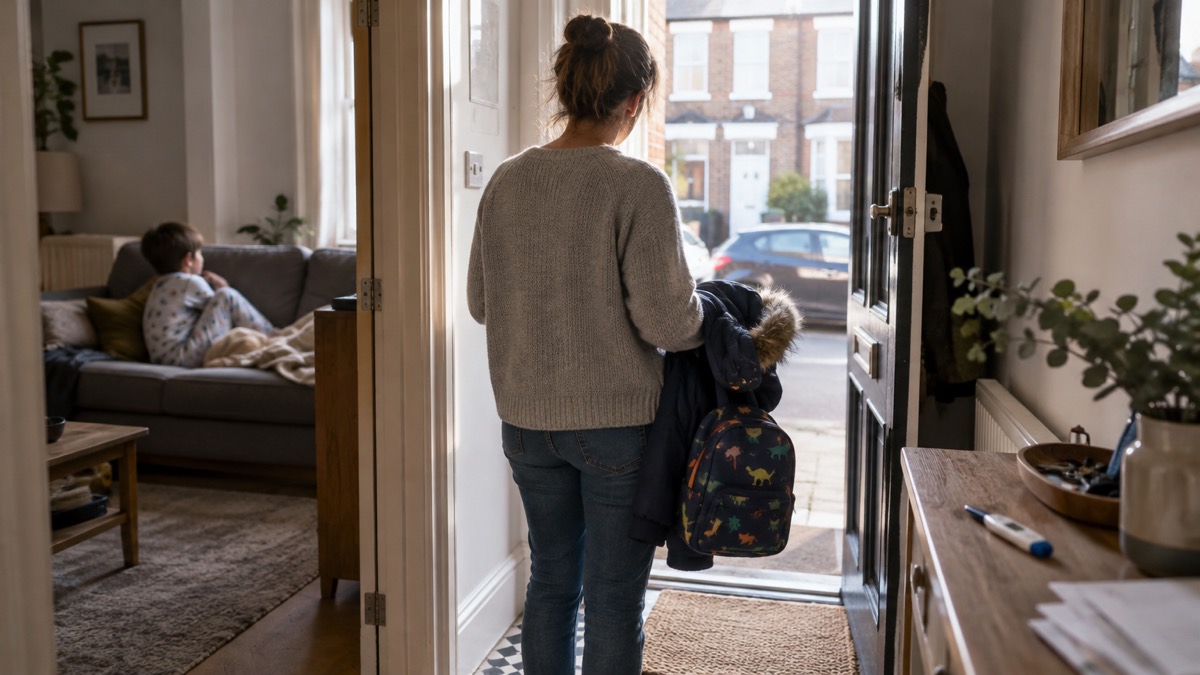
If your child is vomiting or has diarrhoea, keep them off school or nursery until at least 48 hours after the symptoms have stopped1. That is the single rule most families need, and it is the same across NHS inform, Food Standards Scotland and council public health teams1. Children under five should not return until 48 hours after their diarrhoea and vomiting have settled4.
For most other illnesses the decision is yours, made with the school. If you do keep your child at home, phone the school or nursery on the first day, say your child will not be in and give the reason5. If you are not sure whether your child is unwell enough to need medical attention, call 111 or your GP for advice; if they are seriously unwell, call 9996.
Hot weather rarely closes a school. Head teachers generally decide whether a school should close in severe weather, and parents are contacted if it intends to close7. Most summer guidance is about keeping children cool, out of the sun between 11am and 3pm, and never left alone in a stationary car8.
Check the NHS guidance before deciding to keep your child at home
Start with the NHS. The national norovirus pages, your GP surgery and NHS 111 all cover the common childhood illnesses, and the exclusion advice for most of them is short and clear. Where a child has swallowed something that is not harmful and has no symptoms, NHS advice is to continue providing your child's care at home, and to call NHS 111 if you are still concerned1.
Some children need a longer or firmer exclusion. Children under five, or anyone unable to keep up good personal hygiene, should be kept away from school or other establishments until they have been symptom-free for at least 48 hours and given clearance by the UK Health Security Agency or council officers11. That covers the youngest nursery children, who cannot be relied on to wash their hands.
If your child has swallowed something that might be harmful but has no symptoms and you believe the substance was not dangerous, the advice is to continue caring for them at home and call NHS 111 if you are still concerned13. If they have any symptoms at all, treat it as an emergency.
Sickness and diarrhoea: the 48 hour rule
Norovirus is the illness that catches families out, because it spreads so easily and because children can pass it on before anyone realises what it is. NHS inform's guidance, updated on 13 October 2026, is to stay off work or school until at least 48 hours after the norovirus symptoms have stopped, and to avoid visiting anyone in hospital during that time1. Derbyshire County Council puts it in the same terms: do not go to school, nursery or work, or visit others in hospital or care homes, until 48 hours after the last episode of sickness or diarrhoea2.
Food Standards Scotland adds a practical point: stay off school or work until the symptoms have stopped for two days, especially if you are a food handler3. The same 48 hour rule applies to cryptosporidiosis, a parasite that causes diarrhoea: while you are ill and have symptoms you are infectious and should stay off work or school, and you should not return until you have been free from diarrhoea or vomiting for 48 hours14.
While your child is ill, keep them away from others as much as possible2. If you have been in contact with someone with diarrhoea and vomiting in the last 48 hours, do not visit relatives or friends in hospital or in residential and nursing homes15. That protects the people most vulnerable to dehydration.
Hot weather and school closures
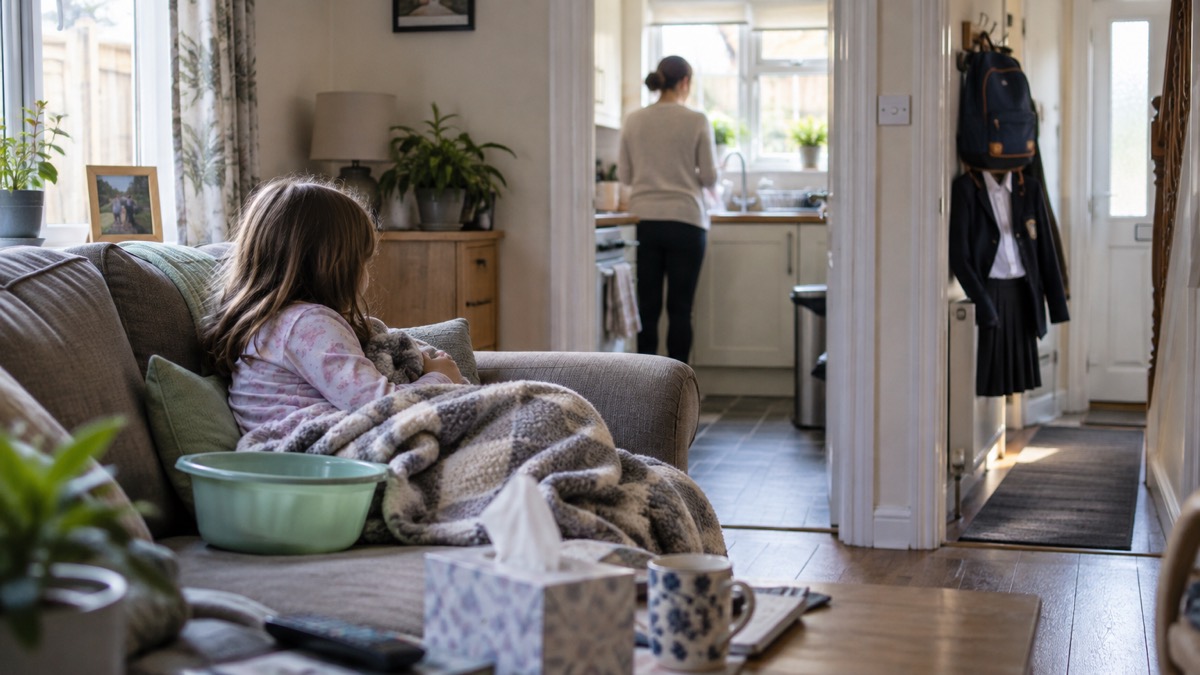
Heatwaves rarely close schools, but they change what happens inside them. The advice for households is to keep the home cool by closing windows and curtains in rooms that face the sun, and to shut doors and windows when the temperature outside is hotter16. Keep out of the sun between 11am and 3pm when it is at its hottest8. Wear sunscreen18. Never leave babies, children or elderly people alone in stationary cars8.
If a child becomes unwell in the heat, move them to a cool place, have them rest and drink plenty of water. Call 999 if they are still unwell after 30 minutes, with confusion, shortness of breath, a temperature above 40C, not sweating, or loss of consciousness19.
School closures in severe weather are a separate matter. Head teachers generally decide whether a school should close, and parents are contacted if it intends to close7. In Wales, check the school's website or your local authority website to find out if your school will not be open7. In England, check the school's website20. In Scotland, make sure the school has up to date contact details so it can reach you21. If a child's school is open during bad weather but a parent does not think it is safe for them to travel, they are entitled to keep the child at home22.
| Situation | Who decides | Where to check |
|---|---|---|
| Severe weather closure | Head teacher, with parents contacted7 | School website or local authority website7 |
| Transport not running | Transport contractor and school22 | Let the school know about alternative arrangements22 |
| Heatwave | Usually no closure; keep children cool8 | School's own advice |
Who the official guidance is written for
Some of the guidance you will find online is not written for parents at all. The government's cold weather collection for schools and early years settings is intended for those who work in, or manage, schools or early years settings, and offers advice on looking after children during cold weather23. The Department for Education's emergency planning guidance covers developing plans for risks from adverse cold weather, communicating with parents and carers, decisions about closing settings, and remote education where appropriate24.
That matters because the language can read as if it is addressed to you when it is not. If a page talks about "settings" and "remote education", it is written for the school, and the practical advice for your household is usually on the NHS or council pages instead.
The Welsh public health guidance for the general public was last updated on 22 September 202325. NHS inform's norovirus page was updated on 13 October 20261. Council pages carry their own review dates. If a page looks old, check the date at the bottom before relying on it.
When to call the school, nursery or a health professional
Phone the school or nursery on the first day your child is at home, say they will not be in and give the reason5. If your child has an infection that could be passed on, such as a cold sore or head lice, let their teacher know26. Keep your contact details up to date so the school can reach you if it closes or your child becomes unwell during the day21.
Call 111 or your GP if you are not sure whether your child is unwell or needs medical attention6. Call 999 for an ambulance or go to your nearest A&E if they are seriously unwell6. For norovirus specifically, phone 111 if you are worried about a baby under 12 months, if a child stops feeding, shows signs of dehydration, cannot keep fluid down, has bloody diarrhoea, has diarrhoea for more than seven days or vomiting for more than two days1. For a fever with persistent vomiting, contact your GP9. For a burn or scald, call your GP, 111 or 999 if your child is under five or you are worried27.
Sources (29)
- Norovirus, NHS inform, 13 October 2026
- Norovirus, Derbyshire County Council, 2026
- Foodborne viruses, Food Standards Scotland, 2026
- Food poisoning, Somerset Council, 2026
- Health protection, Devon County Council, 2026
- Preventing accidents, Just One Norfolk, 2026
- Emergencies at school, Lewisham Council, 14 September 2026
- How to keep cool this summer, Lancashire County Council, 2026
- Your Health Guide Winter 2025, NHS Western Isles, December 2025
- Scarlet fever, Derbyshire County Council, 2026
- Infectious diseases, Cornwall Council, 2026
- Food poisoning, Belfast City Council, 2026
- Poisoning, Frimley Healthier Together, 2026
- Cryptosporidium: public advice, GOV.UK, 1 November 2023
- Norovirus, Warwickshire County Council, 2026
- Heatwave and drought, Essex Prepared, 2026
- Stay safe as temperatures rise this week, Wiltshire and Swindon Prepared, 2026
- Winter weather advice, Welsh Government, 2026
- Staying safe over the summer, Healthier Together, 2026
- Heatwave, Surrey County Council, 2026
- Winter gritting FAQs, Scottish Borders Council, 2026
- Emergency school closures and transport updates, Angus Council, 2026
- Supporting vulnerable people before and during cold weather, GOV.UK, 24 September 2025
- Supporting vulnerable people before and during cold weather: for teachers and educational professionals, Department for Education, 24 September 2025
- Public health guidance for the general public, Welsh Government, 22 September 2023
- Health protection, Devon County Council, 2026
- Burns and scalds, Just One Norfolk, 2026
- Emergency advice for residents, Warwickshire County Council, 2026
- Emergency planning, Fareham Borough Council, 2026
 Medicine Cabinet Checklist
 Sick at Home Supplies Kit
 Caring for Someone Ill at Home
 How Long to Stay Home With COVID
 Time Off After Sickness
 Stopping Flu Spreading at Home
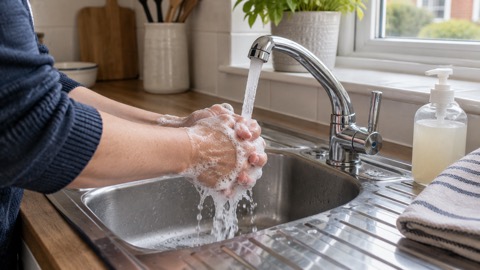 How Long to Wash Your Hands
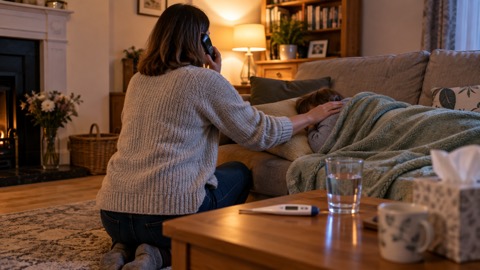 When to Call 111 or 999
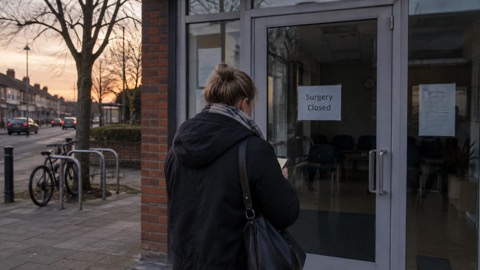 When Your GP Is Closed
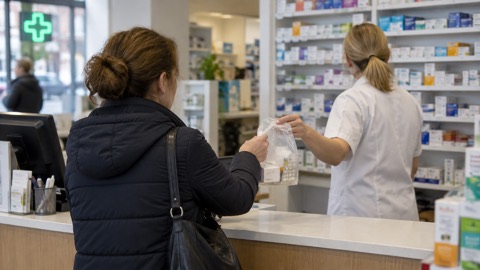 Disposing of Unused Medicines
 Medicines in a Heatwave
 Taking Someone Else's Medicine
 Ordering Repeat Prescriptions
 Treating Dehydration at Home
 Cold-Health Alerts Explained