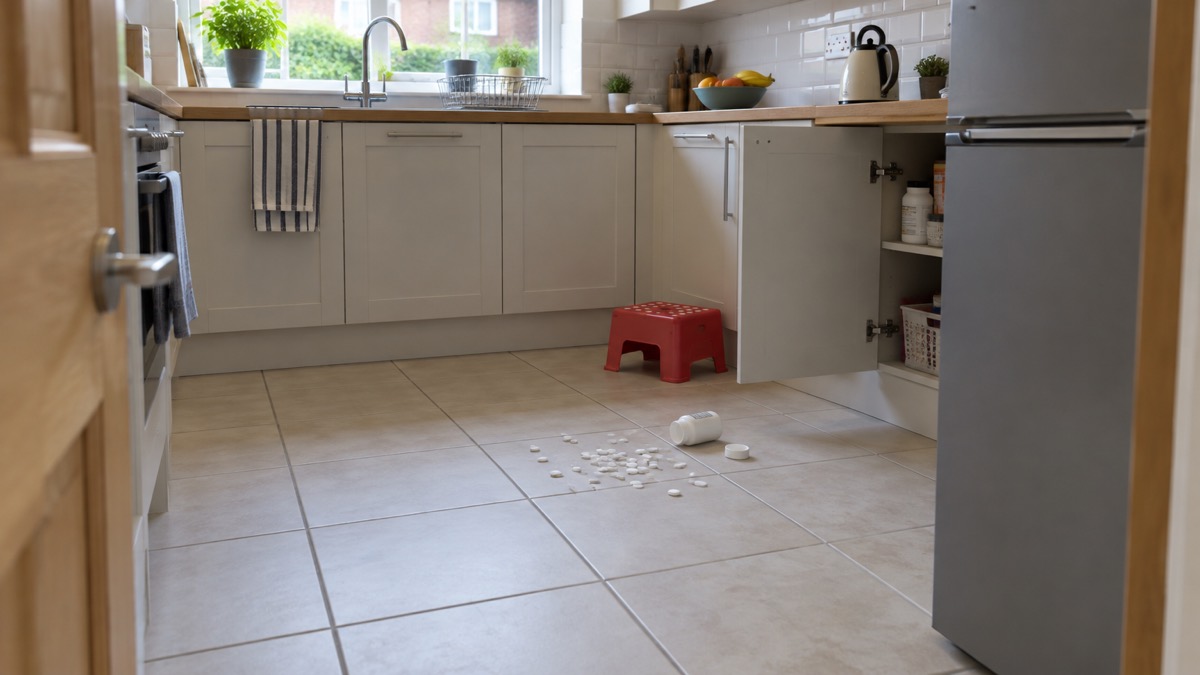
If you think a child has swallowed pills, a medicine, a cleaning product or a garden chemical, get medical help straight away. Do not try to treat them yourself, and do not try to make them sick. If they seem well, call NHS 111; if they are seriously ill, call 999 or take them straight to A&E1.
Which route you take depends on what was swallowed. For pills or medicines, the NHS says take the child straight away to your GP or A&E, whichever is quickest, and take the full set of tablets so doctors can check the labelling3. For household or garden chemicals, act quickly to get your child to A&E2. For a button battery or a magnet, call 999 or go to A&E straight away, because these can cause serious harm if not treated very quickly4.
Whatever it was, take the container or packet with you, keep your child calm, and tell staff what you know: what was swallowed, when, how, and how much7. The rest of this page sets out each of those steps in the order you need them.
Get medical help straight away if a child swallows something harmful
The first thing to do is not to work out how bad it is, but to get medical help moving. The Royal Society for the Prevention of Accidents is blunt about it: if children have accidentally ingested medication or household chemicals, medical treatment should be immediately sought8. The NHS says the same for pills and medicines: get medical help immediately, and do not try to treat them yourself1.
Poisoning in children most often comes from things already in the house. The NHS lists medicines and household or garden products, such as soaps, cleaning products and chemicals used in the garden, as the common causes7. Medicines like painkillers and household cleaning products are the most common way for children to be poisoned10. That is why the response is the same whether the child has found a packet of tablets or a bottle from under the sink.
What you may see is not always dramatic. A baby or child who has swallowed something harmful may vomit and have stomach pain, may have evidence of the substance around their mouth or smell of it, and there may be empty containers nearby, for example containers for medication, alcohol or cleaning products11. But a child can also swallow something harmful and show nothing at all at first, which is why advice does not wait for symptoms.
If you are in any doubt, seek medical advice11. That applies when you did not see it happen, when you are not sure what was taken, and when the child seems fine. The sections below set out which service to use for which substance.
Swallowed pills or medicines: GP or A&E, whichever is quickest
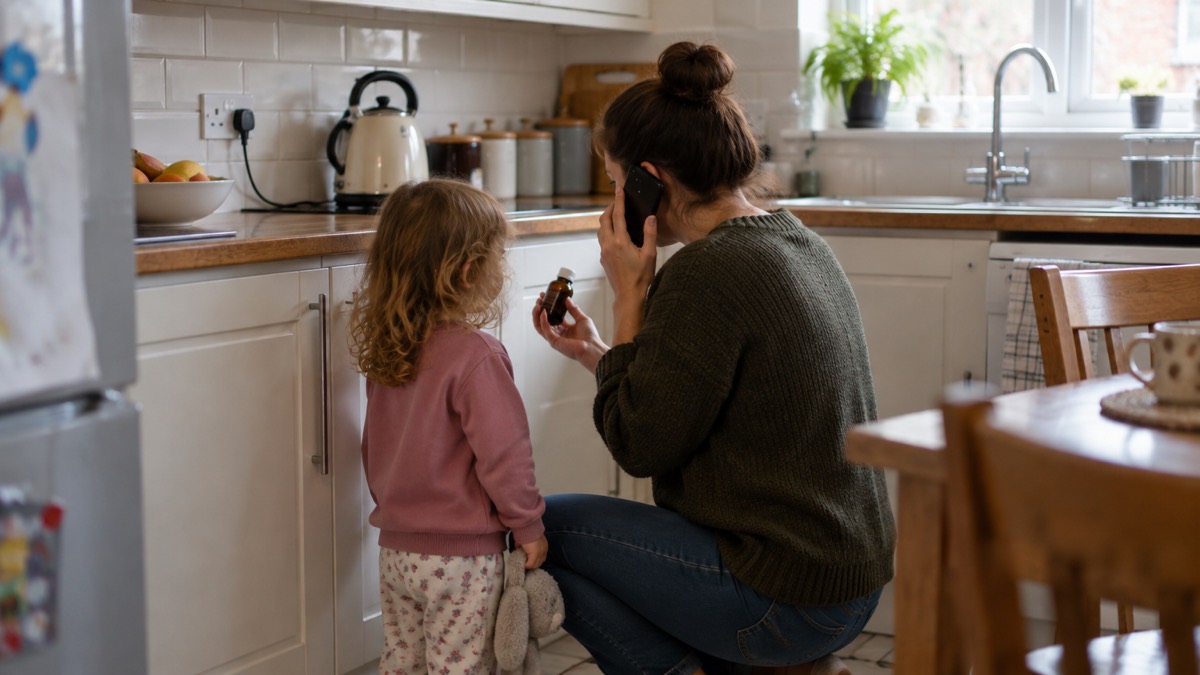
For medicines, the NHS advice is specific: take them straight away to your GP or A&E, whichever is quickest9. If it was pills or medicines, take the full set of tablets with you so doctors can check the labelling3. The packet carries the drug name, the strength and the batch, and staff can act faster with it in front of them.
If your child is showing signs of being seriously ill, call 999 or take them straight to Accident and Emergency instead1. Signs to act on include drooling, blisters in the mouth, noisy or difficult breathing, a new cough, choking or coughing when eating or drinking, refusing food, gagging, vomiting or retching, chest or neck pain, blood in vomit or poo, or becoming confused or difficult to wake2.
If your child seems well, call NHS 111 for advice on what to do next2. The NHS also says to contact your GP practice or call NHS 111 today if the substance was a medication, a poisonous plant, or a product with warning symbols on the bottle or packet12. If symptoms persist for 4 hours or more and you have not managed to speak to your GP practice or NHS 111, check again for the warning signs listed above12.
Swallowed household or garden chemicals: go to A&E
For household and garden chemicals, the advice is to act quickly to get your child to A&E if you think they have swallowed something harmful2. Do not wait to see how they go. Chemicals that are swallowed may harm the digestive system, and they can cause more widespread damage if they enter the bloodstream13.
Garden products deserve the same respect as medicines. The Royal Society for the Prevention of Accidents warns that common garden chemicals, such as slug pellets, solvents, paint or plant food, can all be deadly if swallowed by children8. The NHS includes chemicals used in the garden among the common causes of poisoning7. If a child may have swallowed, inhaled, or had skin or eye contact with a solvent, seek urgent medical advice immediately14.
When you go, take the substance with you7. If you can, give staff a full description of the product and describe any symbols or guidance from the manufacturer detailed on the bottle or package15. That includes hazard symbols, the product name and any instructions printed on the label.
If the child has had contact with a chemical rather than swallowing it, the same principle applies: if you or a member of your family have swallowed or come into contact with a potentially toxic chemical, you must seek medical advice15. For a chemical on the skin or in the eye, rinse as the label directs and get advice; our page on chemical burns and eye splashes covers how long to rinse.
Keep your child calm and do not treat them yourself
Two instructions run through all the official and independent guidance. Keep your child calm2, and do not try to treat them yourself1. Calm matters because distress makes breathing and swallowing harder and makes it more difficult to see what is going on. Do not try to make them be sick1.
The British Red Cross explains why: by making them sick, you can cause further damage to their throat or block their airway11. The NHS adds that you should not give your child salt and water or do anything else to make them sick2. There is no home remedy here. The treatment for a swallowed poison is decided by a medical professional who knows what was taken.
What you can do is practical and calm:
- Keep the child with you and quiet, and keep them calm2.
- Take the container, packet or bottle, and any remaining tablets or liquid, with you7.
- Note what you know: what was swallowed, when it happened and how long ago, how they came into contact with it, and how much was taken7.
- Do not give food or drink unless a medical professional tells you to.
- If the child becomes drowsy, has trouble breathing, or has a fit, call 9994.
If your child becomes unwell on the way, or stops responding, our guide to what to do first: danger, response, airway and breathing sets out the order to check them in.
When your child seems well: call NHS 111
A child who seems well still needs advice. The NHS says if your child has no symptoms and is well you could speak to NHS 111 about what to do next2. If you are worried about your child and are not sure if they need medical help, call NHS 1114. If your child has had an accident and needs medical attention, contact NHS 111, or call 999 in life-threatening emergencies10.
The British Red Cross takes a firmer line: call 999 anyway, even if they seem to be showing no symptoms11. That is not a contradiction so much as a difference of emphasis. For most swallowed medicines and household products, NHS 111 is the right first call for a well child. For a button battery or a magnet, the risk is that there are no symptoms to warn you. The Child Accident Prevention Trust says there may be no symptoms to warn you a child has swallowed magnets, so do not wait for them to show; by the time symptoms start, more damage has likely been done5. Symptoms of a swallowed button battery may not be obvious or can seem like a tummy bug or cough, and young children may not be able to say they swallowed something16.
If your child has no symptoms and is well, and the substance was not harmful, you can continue providing your child's care at home, but if you are still concerned, call NHS 1117. If you are not sure whether what they swallowed was harmful, treat it as harmful and call.
Button batteries, magnets and other objects: a different route
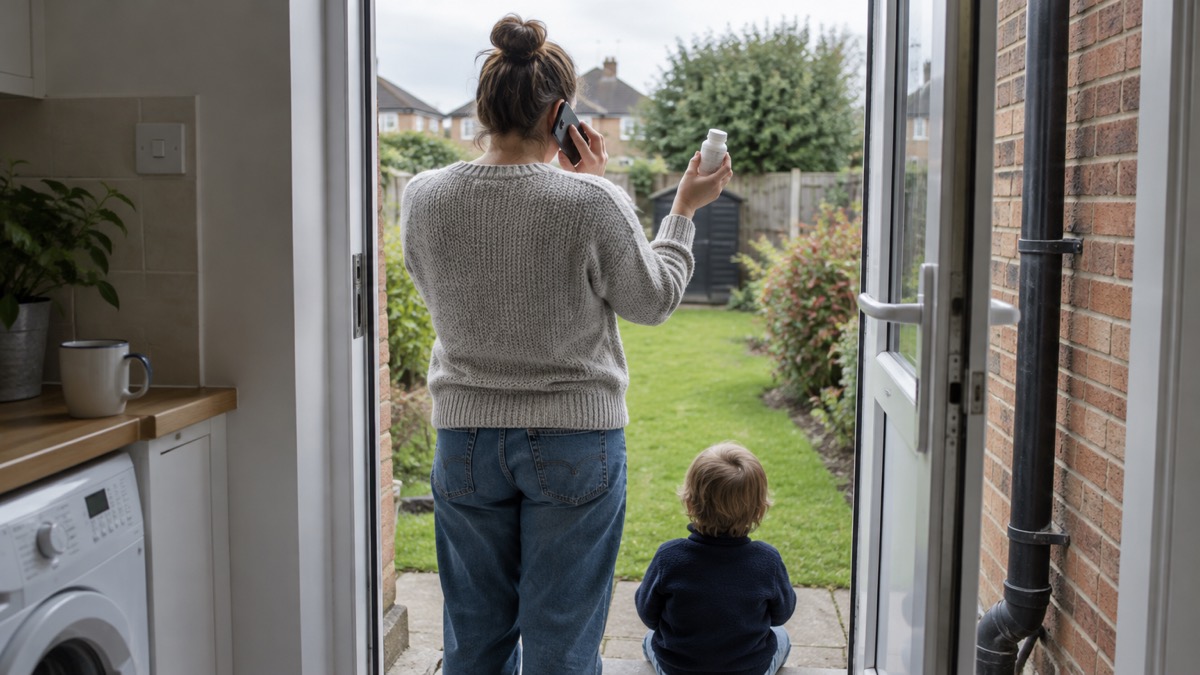
Some swallowed objects are not a poisoning question at all, and they need a faster route. If your child swallows a button battery or you think they may have swallowed one, take them to A&E straight away2. Go to the nearest Hospital Emergency (A&E) Department or phone 999 if you think your child has swallowed a button battery17. If swallowed, children not treated very quickly by emergency doctors can suffer serious harm and even death6.
Magnets are the same. If your child has swallowed one or more magnets, bring them to the Emergency Department straight away2. If you think your child may have swallowed magnets, go straight to A&E or call an ambulance5. The Child Accident Prevention Trust puts it plainly: if you think a child has swallowed magnets, act fast, take them straight to A&E or phone 999 for an ambulance, and do not delay14.
Call 999 or go to A&E now if your child has swallowed a battery, a magnet or more than one magnet, something large or sharp, or an object that could harm them, or shows drooling, blisters in the mouth, noisy or difficult breathing, voice changes, a new cough, choking or coughing when eating or drinking, refusing food, gagging, vomiting or retching, chest or neck pain, blood in vomit or poo, or becomes confused or difficult to wake2.
If your child has swallowed something like a battery, coin or magnet, follow the advice for that object rather than the general poisoning advice7. Our page on what to do if a child is choking covers the case where an object is stuck on the way down.
Stopping it happening again
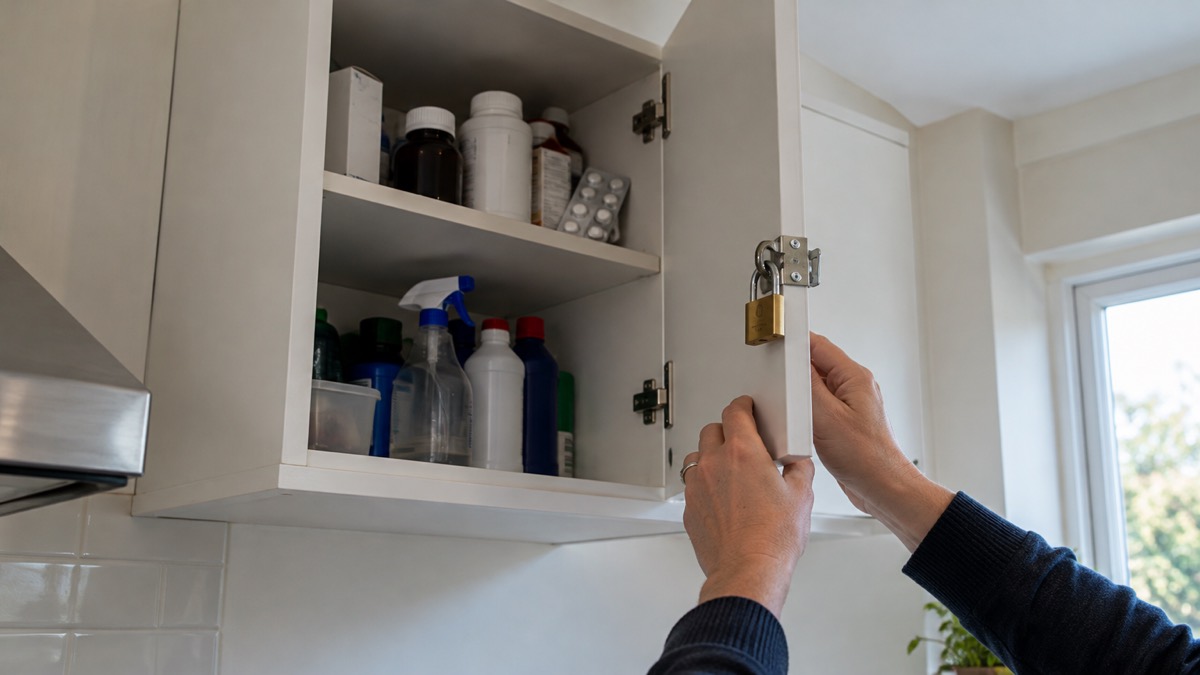
Most of this is preventable, and the changes are small. The NHS advises keeping medicines and cleaning products locked away in their original containers and supervising children at all times10. Keeping products in their original container matters more than it sounds: out of their original container, cleaning products are easier to mistake for a drink or sweets, so the risk of a child swallowing them is much higher18.
When you use a hazardous product, always read the warning label and follow the instructions, use only as much as you need, remove children, pets and their toys from the area for as long as recommended on the label, ventilate the area by opening the windows, wear gloves, long sleeves and a mask if recommended, and wash any part of you that came into direct contact with the substance with warm soapy water15.
For the child who puts things in their mouth, the NHS advises gently stopping your child putting non-food items in their mouth, keeping unsafe items out of reach and sight, keeping floors and play areas clear, teaching the difference between food and non-food, praising safe behaviour, offering safe alternatives like chew or sensory toys, washing hands regularly with soap and water, and providing regular meals and snacks19. Choosing cleaning products that contain a bittering agent can help too, because it makes them taste nasty, so children are less likely to swallow them20.
Sources (20)
- Safety for Medicines and Poisons, NHS West Yorkshire Healthier Together, 2026-10-29
- Swallowed something, Alder Hey Children's NHS Foundation Trust, 2025-09-25
- Baby accidents: what to do, NHS 111 Wales, 2023-05-17
- What to do if your child has an accident, NHS, 2025-12-18
- Magnet safety, Child Accident Prevention Trust, 2025-12-17
- Preventing accidents, Just One Norfolk NHS, 2026-10-28
- Poisoning (accidental swallowing in children), NHS Aneurin Bevan Healthier Together, 2026-10-29
- Poisoning, RoSPA, 2026-10-26
- Poisoning, NHS South Yorkshire Healthier Together, 2026-10-29
- Child safety, Berkshire Healthcare NHS Foundation Trust, 2026-10-29
- Poisoning first aid for babies and children, British Red Cross, 2026-10-28
- Poisoning and accidental swallowing, NHS Healthier Together, 2026-10-29
- Poisoning first aid, NHS inform, 2026-07-24
- Child safety hub: poisoning, RoSPA, 2026-10-26
- Chemical safety in the home, nidirect, 2026-04-14
- Are your used batteries really flat?, Child Accident Prevention Trust, 2026-04-15
- Button batteries, NHS South Yorkshire Healthier Together, 2026-10-25
- Poisoning prevention, Child Accident Prevention Trust, 2026-02-26
- Lead poisoning, NHS inform, 2026-09-07
- Baby and toddler safety, NHS, 2026-02-19
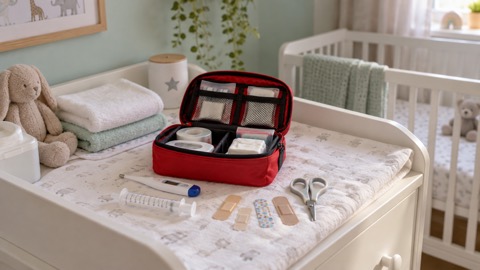 Baby and Child Kit Checklist
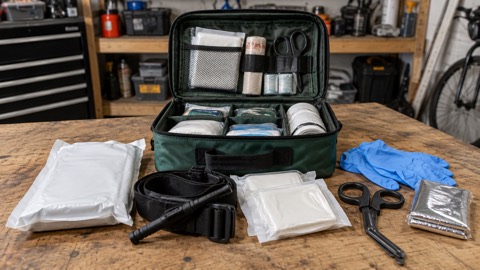 Bleeding Control Kit Checklist
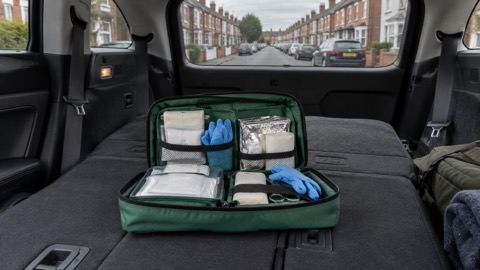 Car Kit Checklist
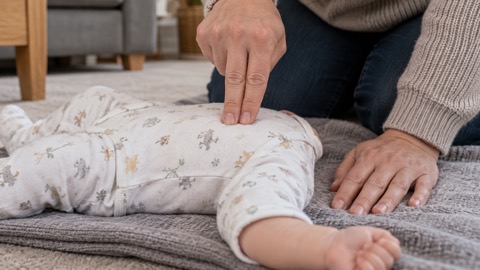 CPR on a Baby
 CPR on a Child
 Chest Compression Rate and Depth
 Rescue Breaths or Hands-Only CPR
 Checking Breathing
 Agonal Breathing and CPR
 Breathing During CPR
 Recovery Position and Spine
 Cardiac Arrest vs Heart Attack
 Heart Attack First Aid
 Defibrillator Pad Placement
 Defibrillator on a Child