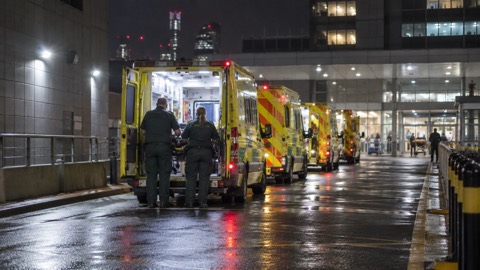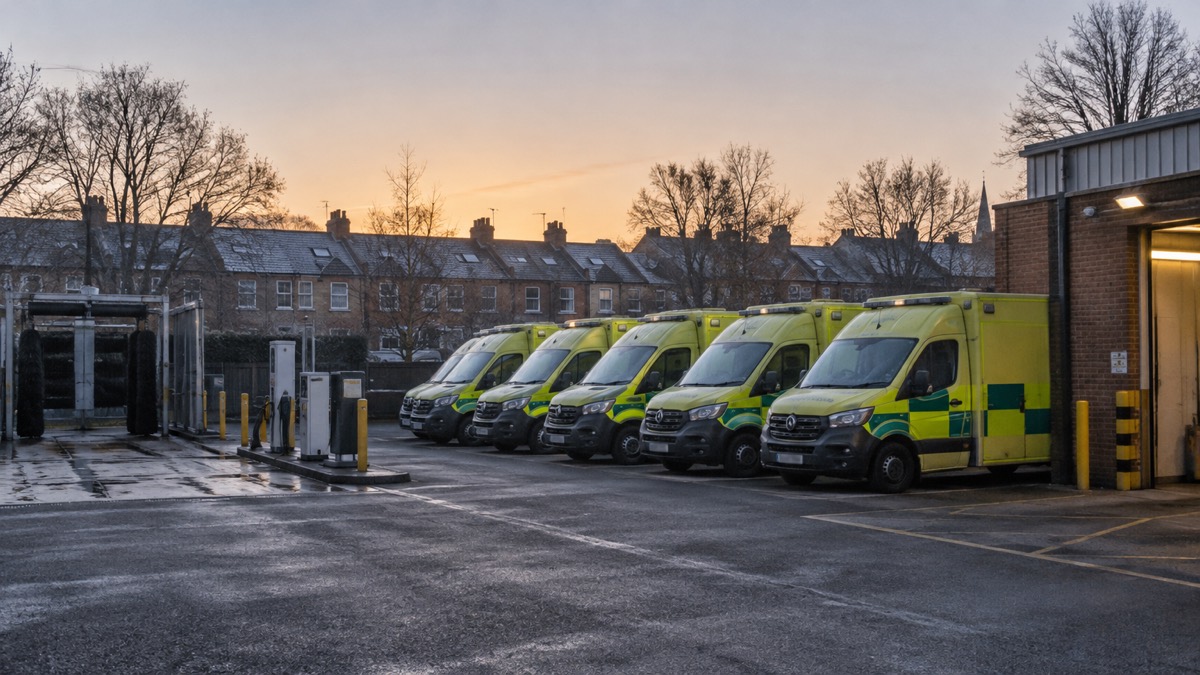
London Ambulance Service (LAS) finalised its operational plans for this winter and set out the details on 12 October 2026, as the service reported an early surge in calls from patients with breathing problems and from the sickest patients1.
During what LAS described as its busiest ever September, more than 10,000 patients were seen for breathing problems, just over 330 a day, and the first week of October saw this climb to almost 360 a day1. Calls for the sickest patients, known as Category 1, have risen steadily to well over 500 a day in recent days, against the 400 LAS would usually expect to attend on a typically busy day1. Calls to 111 have risen 19% on the same time last year as people seek advice around colds and flu1.
LAS said it is currently taking between 6,000 and 6,500 999 calls a day, compared with 5,500 on a typically busy day, and that on Monday 5 October it received more than 6,800 999 calls1. The service said the elderly and vulnerable groups were among the hardest hit by the spike in patients with breathing difficulties1.
The Winter Plan includes additional ambulances on the road during peak demand, the use of AI tools to help with recording patient notes, more clinicians treating patients over the phone, scaled-up cleaning and vehicle repair capacity across the fleet and estates, and work with hospitals to hand patients over more promptly at A&E departments1.
"As 999 and 111 calls continue to rise and we attend a much higher number of extremely sick patients than is usual for the time of year, it’s timely that we have finalised the most detailed planning for winter we have done to reinforce our response."
Why it matters for households
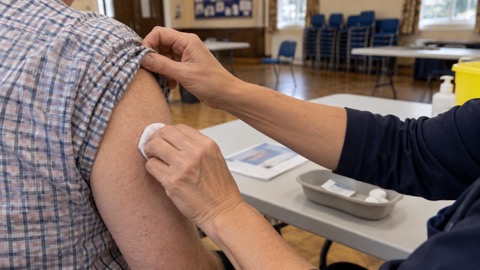
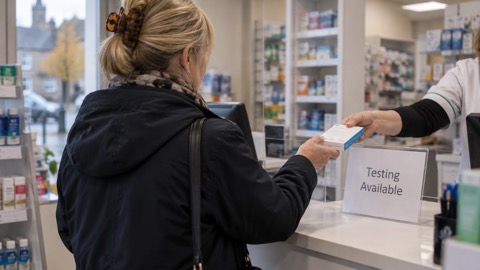
The pressure described by LAS affects households across the capital who need an ambulance or urgent advice in the coming weeks, with the service reporting demand above its usual busy levels for the time of year1. LAS advises that 999 is used only for emergencies, and that GPs, pharmacies and 111 are good places to get advice about colds, flu and seasonal illnesses1. Its chief executive also encouraged anyone who is eligible to get a flu vaccine as soon as possible to help protect themselves and the vulnerable this winter1. The service said the rise in demand follows a record-breaking summer, and that it has been working with partners in the capital for many months on a city-wide approach to winter1. Further detail on respiratory illness and seasonal health pressures is set out in the site's health emergencies hub.
What happens next
LAS said the additional ambulances will be put out on the road during peak demand, and that more crews will be in control rooms, as part of the plan it has now finalised1. No start date for individual measures, and no further timetable, has been reported1.