NHS inform published updated guidance on norovirus on 13 October 2026, setting out the symptoms of the illness, how it spreads, how households can limit transmission and when to seek medical help1. The page describes norovirus as one of the most common stomach bugs in the UK, also called the "winter vomiting bug" because it is more common in winter, though it can be caught at any time of the year1.
The guidance states that symptoms appear 1 to 2 days after infection and typically last for up to 2 or 3 days1. Likely signs are suddenly feeling sick, projectile vomiting and watery diarrhoea, and some people also have a slight fever, headaches, painful stomach cramps and aching limbs1. Norovirus is most infectious from the start of symptoms until 48 hours after all symptoms have stopped, and people may also be infectious for a short time before and after this1. The virus can survive outside the body for several days on contaminated surfaces or objects, and it spreads easily in public places such as hospitals, nursing homes and schools1. The guidance notes that people can get norovirus more than once because the virus is always changing and the body cannot build up long-term resistance to it1.
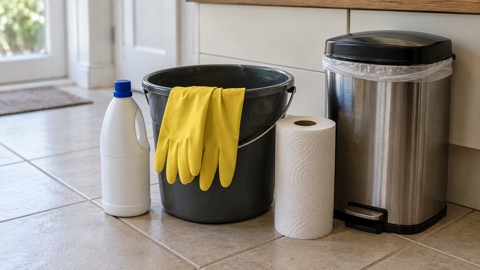
On prevention, NHS inform advises staying off work or school until at least 48 hours after symptoms have stopped, avoiding visiting anyone in hospital during that time, and washing hands frequently and thoroughly with soap and water, particularly after using the toilet and before preparing or handling food1. It states that alcohol-based hand gels do not kill the virus1. For cleaning, it advises disinfecting surfaces or objects that could be contaminated with a bleach-based household cleaner, washing contaminated clothing or bedding separately on a hot wash at 60°C, not sharing towels and flannels, flushing poo or vomit in the toilet and cleaning the surrounding area, avoiding raw unwashed food, and only eating oysters from a reliable source1.
On looking after yourself or a child at home, the guidance says there is no treatment for norovirus and it has to run its course, with plenty of fluids to avoid dehydration1. It advises against giving fizzy drinks or fruit juice to children as this can make diarrhoea worse, and says babies should continue to feed as usual1. It lists paracetamol for fever or aches and pains, rest, and special rehydration drinks from community pharmacies where there are signs of dehydration such as a dry mouth or dark urine1. It notes that babies and young children, especially under a year old, have a greater risk of becoming dehydrated, and that antibiotics will not help because norovirus is caused by a virus1.
"Avoid going to your GP, as norovirus can spread to others very easily. Phone your GP practice or NHS 24 on 111 if you're concerned or need advice."
The guidance sets out when to phone 111 and when to phone 999 or go to A&E1.
| Phone 111 if | Phone 999 or go to A&E if you or your child |
|---|---|
| You are worried about a baby under 12 months | Vomit blood or have vomit that looks like ground coffee |
| Your child stops breast or bottle feeding while ill | Have green vomit (adults) or yellow-green or green vomit (children) |
| A child under 5 has signs of dehydration, such as fewer wet nappies | Might have swallowed something poisonous |
| You or your child (over 5) still have signs of dehydration after using oral rehydration sachets | Have a stiff neck and pain when looking at bright lights |
| You or your child keep being sick and cannot keep fluid down | Have a sudden, severe headache or stomach ache |
| You or your child have bloody diarrhoea or bleeding from the bottom | |
| You or your child have diarrhoea for more than 7 days or vomiting for more than 2 days |
Why it matters for households
Norovirus spreads easily in homes, schools, hospitals and nursing homes, and the updated guidance sets out the practical steps NHS inform says limit transmission: handwashing with soap and water rather than alcohol gel, bleach-based cleaning of surfaces, a 60°C wash for contaminated bedding and clothing, and keeping away from work, school and hospital visits until at least 48 hours after symptoms stop1. The page states that most people can look after themselves or their child at home, and that medical advice is not usually needed unless there is a risk of a more serious problem1. It identifies babies and young children under a year old as at greater risk of dehydration, and gives the 111 and 999 thresholds above for when NHS inform says to seek advice or emergency care1. Further background is available in the guide to norovirus symptoms and how long it lasts, within the wider health emergencies section.
What happens next
No further updates or dates have been announced. The guidance carries a last updated date of 13 October 20261.
Sources (1)
- Norovirus | NHS inform, nhsinform.scot
 Norovirus Symptoms and Spreading