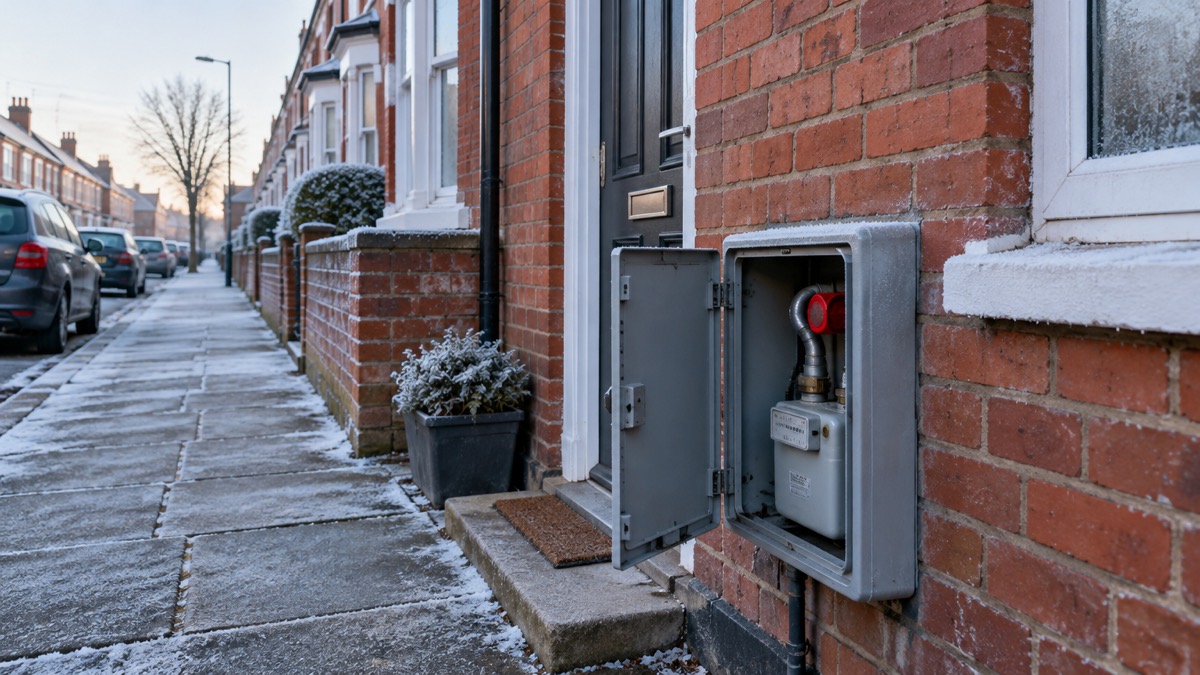
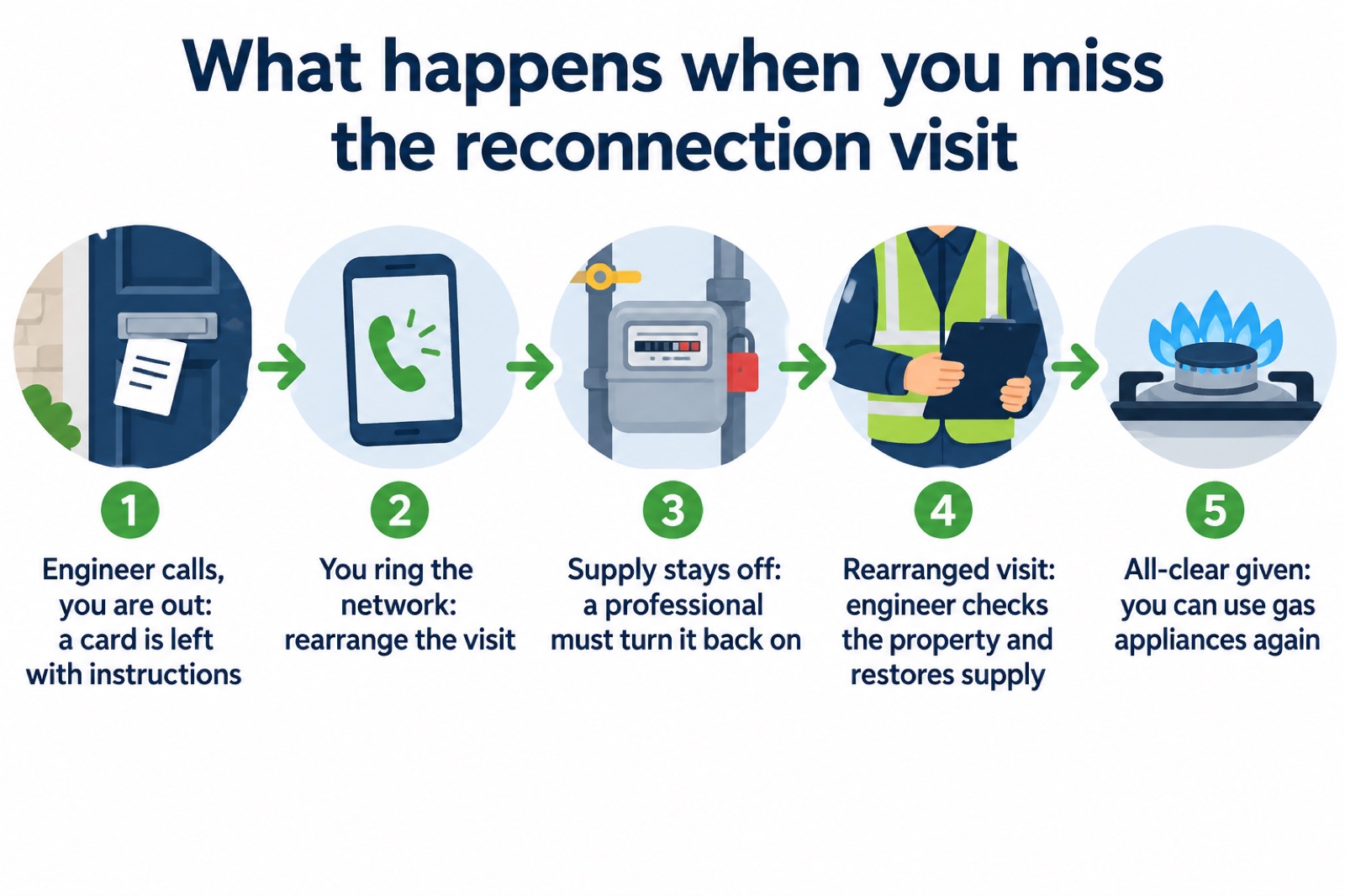
If the engineer called to put your gas back on and you were out, the first thing to do is ring the company that booked the visit and rearrange it. Follow the instructions on the card they left behind1. Do not try to turn the gas back on yourself: for safety reasons, customers should not attempt it, and a professional must do it1.
While you wait, keep warm and cook safely without the gas, and check whether anyone in the household is on the Priority Services Register, which tells your supplier you need extra support if your supply is cut off3. If you ever smell gas, stop and ring the National Gas Emergency Service on 0800 111 999, day or night4.
This page walks through rearranging the visit, why the supply must stay off, how to manage heat and cooking in the meantime, the extra help available, and what the engineer will actually do when they come back.
Ring the company that booked the visit
The visit was arranged by your local gas network, the company that owns the pipes in your street, not by your energy supplier. When an engineer calls and you are out, they leave a card, and the card tells you how to rearrange1. Ring the number on it and ask for a new appointment. If you are not sure which network covers your home, our guide to which network operator covers your home explains how to find out.
When you ring, be clear about your situation. Say that the supply is off, that you missed the visit, and whether anyone in the household is on the Priority Services Register. If you have already turned the gas off at the meter yourself, say so, because that changes how quickly the network aims to reach you: within two hours if you have turned it off at the emergency control valve, and within one hour if you have not been able to6.
If the problem turns out to be inside your home, on your own appliances or pipework rather than the network, the network will not repair it. You will need to arrange your own Gas Safe registered engineer to resolve it9. You can find one through the Gas Safe Register on 0800 408 550010.
Do not turn the gas back on yourself
This is the rule that matters most. If you turn the gas off, a professional must turn it back on, and you should not attempt to do it yourself2. The same applies whether the network turned it off or you did: for safety reasons, customers should not attempt to turn their gas supply back on themselves1.
The government's household emergency plan is blunt about it: you can turn the water and electricity back on yourself, but not the gas, which must be done by a qualified engineer5. Councils repeat the same advice: if you turned off gas, it must be turned on again by a professional for safety reasons12.
There are good reasons for the rule. Gas appliances and pipework need checking before they are used again, and any work on cookers, boilers or fires has to be carried out by a Gas Safe registered engineer13. If there has been a leak, do not turn the supply on again until it has been checked by a Gas Safe registered engineer14. After a fire, a gas engineer must evaluate safety before you use gas appliances, and you should not turn them on if damage or leaks are suspected15.
Staying warm and cooking safely until the gas is back
With the gas off, your boiler and hob will not work, so plan for warmth and hot food another way for a few days. The NHS advises checking that your heating and cooking appliances are safe, and contacting a Gas Safe registered engineer to make sure they are working properly once the gas is back17.
For warmth in the meantime, layer clothing and keep the rooms you use most warm rather than the whole house. Have your heating and cooking appliances serviced by a Gas Safe engineer, even if they seem to be working normally, because there is a risk of carbon monoxide poisoning if they are not working properly19. Our guide to heating and cooking without mains power or gas has more on safe alternatives.
For cooking, use appliances you can operate safely without gas, and keep flames away from anything flammable. Any work on appliances such as cookers, boilers or fires has to be carried out by a Gas Safe Registered engineer6.
If your home has been flooded as well as losing gas, have your heating and cooking appliances serviced by a Gas Safe engineer even if they seem to be working normally, because there is a risk of carbon monoxide poisoning if they are not working properly20. Portable gas heaters should be well maintained and checked over by a qualified gas engineer periodically19.
Extra help if you are vulnerable or on the Priority Services Register
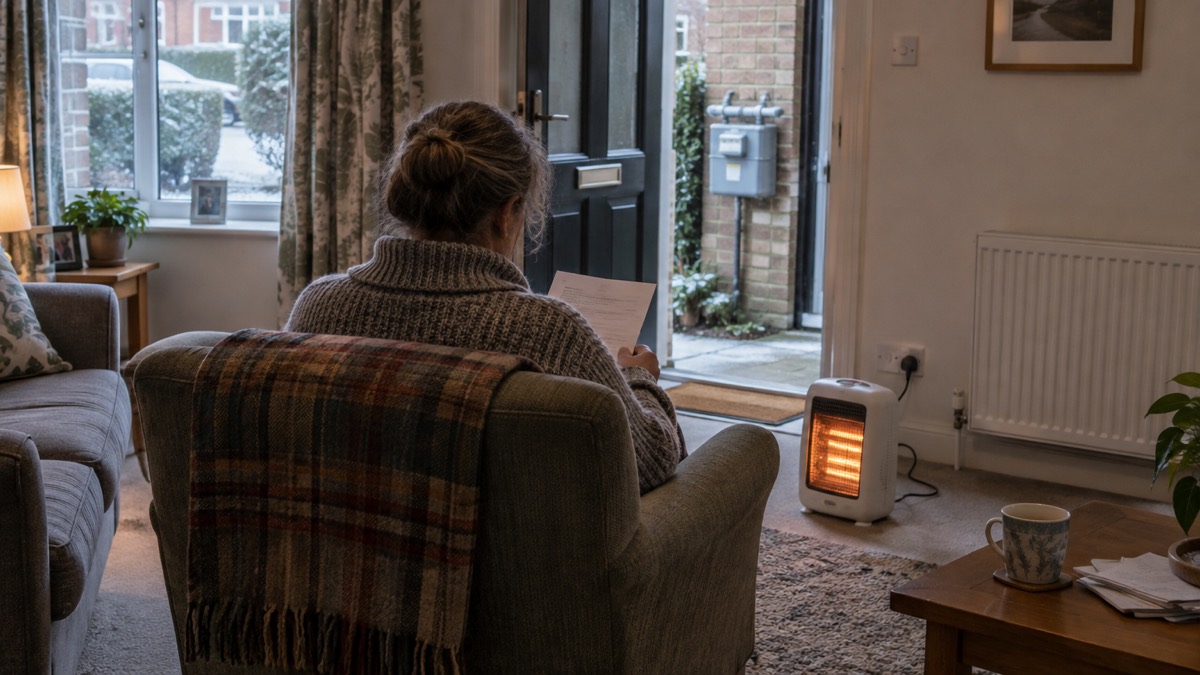
If anyone in your household is older, disabled, medically dependent on heat, or otherwise vulnerable, the Priority Services Register is the single most useful thing to sort out. It is a free service that can give extra help if your electricity, gas or water stops working21. You or someone you know may be eligible for extra support in the event of interruptions to power, gas or water supplies22.
Once you are on it, your suppliers will know you need extra support if your gas, electricity or water supply is cut off3. The register brings priority fault repairs7, and if your gas supply is interrupted, the network will get in touch with you23. Most energy providers on the register will offer a free annual gas check8.
| What the register can give | Who it suits |
|---|---|
| Priority fault repairs7 | Anyone who would struggle without heat or power |
| Suppliers told you need extra support3 | Older or disabled households, or those with medical needs |
| A call from the network if gas is interrupted23 | Households that may miss a card or a knock |
| A free annual gas check from most providers8 | Homeowners without a check in the last 12 months |
To join, contact your energy supplier and ask to be added. Our guide to extra support from networks and suppliers explains who qualifies and what each network offers.
What happens at the rearranged visit
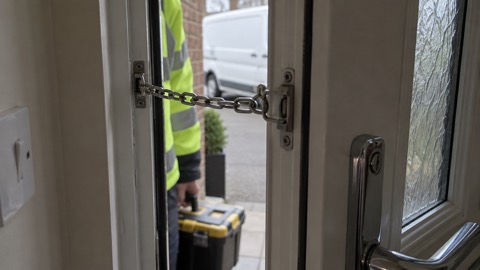
When the engineer comes back, expect them to need entry to your property to make it safe: the gas network will visit each property, carry out checks and ensure the emergency control valve is switched to off24. If you are in any doubt about who is at the door, refuse entry and seek assistance from a neighbour or relative, or ring the number on the identification card1. Our guide to checking a network engineer is genuine sets out what a genuine card looks like.
The visit itself is part of a coordinated process. During an incident, engineers visit each property, carry out checks and make sure the emergency control valve is switched off10. The gas network cannot simply be switched back on, because the order in which premises are restored has to be coordinated to keep pressure in the network steady25. That is why reconnection is done street by street and why a missed visit can put you further down the queue.
At the visit, the engineer will check the supply and, where it is safe, restore it. They may relight appliances using their own staff or other suitably qualified gas engineers25. Always wait until the gas engineer has given you the all-clear before returning inside your property if you have had to leave26.
If you smell gas while you are waiting
A smell of gas changes everything. Ring the National Gas Emergency Service on 0800 111 999, 24 hours a day4. An engineer will be with you within the hour, seven days a week8. Open doors and windows27, and if the smell is in a cellar or basement, wait outside or with a neighbour until the emergency engineer arrives16.
Do not wait for your rearranged visit if you smell gas. The emergency service is separate from the reconnection queue, and it exists for exactly this. Our guide to the National Gas Emergency Service explains what happens when you ring.
Sources (27)
- Gas supply updates, SGN, 2026
- Get help and advice in an emergency, Lincolnshire County Council, 2026
- Guidance at home, Oxford Health NHS Foundation Trust, 2026
- Smell gas, Northern Gas Networks, 2026
- Homes prepared, Surrey County Council, 2026
- Gas safety, SGN, 2026
- Be winter ready, Lancashire County Council, 2026
- Stay fire safe, Greater Manchester Fire and Rescue Service, 2026
- Gas appliance safety, Northern Gas Networks, 2026
- Incidents, SGN, 2026
- Help from your energy supplier, Buckinghamshire Council, 2026
- Gas safety, Northern Gas Networks, 2026
- Recovering from an emergency, Essex Prepared, 2026
- Help during a flood, GOV.UK, 2026
- Gas safety for tenants, Greater London Authority, 2026
- Gas emergencies, Wessex Water, 2026
- Stay well this winter, Cheshire and Merseyside Integrated Care System, 2026
- Snow buddies, Derbyshire County Council, 2026
- Flooding and health, Public Health Wales, 2026
- Dealing with the aftermath of fire, Warwickshire County Council, 2026
- Priority Services Register, Northern Gas Networks, 2026
- Keeping warm, healthy and safe in cold weather, Greater London Authority, 2026
- Cold weather advice, West Midlands Ambulance Service, 2026
- Gas supply issues, Buckinghamshire Council, 2026
- Supply emergencies, Health and Safety Executive, 2026
- What to do if you smell gas - Cadent Gas Ltd, Cadent Gas Ltd
- Household Emergency Plan, Cabinet Office, 2026
 Checks Before Calling Engineer
 Boiler Checks When Moving In
 Power Cut Kit Checklist
 Stop a Condensate Pipe Freezing
 Repressurising a Combi Boiler
 Hot Water but No Radiators
 Resetting a Boiler Lockout
 Programmer Reset After Power Cut
 Boiler Leaking Water
 Boiler Overheating
 How to Bleed a Radiator
 Boiler On When Away in Winter
 Prepayment Credit but No Gas
 Low Supply Pressure
 Checking a Network Engineer's ID