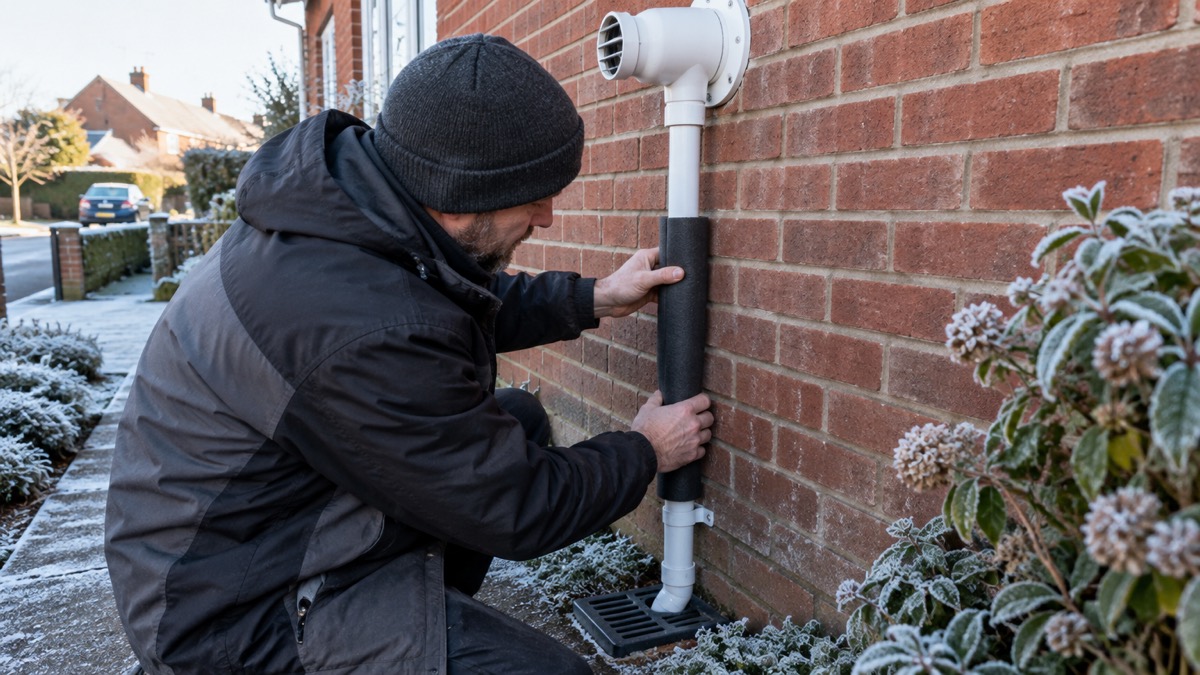
If your boiler has stopped working in a cold snap, the chances are the condensate pipe has frozen1. Modern condensing boilers, including combis, drain acidic water through a plastic pipe, and when temperatures drop below freezing the water inside an outside pipe can freeze and block it. The boiler then shuts down to protect itself, leaving you without heating or hot water2.
The fix is usually simple. If the pipe is at ground level and you feel confident, thaw it with warm water from a jug or a hot water bottle held against the pipe, starting at the end nearest the ground3. Never use boiling water, and never use a naked flame2. Once it has thawed, reset the boiler and check the pressure.
To stop it happening again, lag the outside pipe with waterproof and weatherproof lagging6. That is the single most useful thing an ordinary household can do before the cold arrives.
Why a frozen condensate pipe stops your boiler
A condensing boiler produces water as it burns gas, and that water has to go somewhere. It leaves through the condensate pipe, a plastic pipe that usually runs to an outside wall or drain10. In cold weather the water inside an external pipe can freeze and cause a blockage, and if the condensate cannot drain away the boiler may automatically switch off to protect itself2. The pipe on condensing boilers may freeze when temperatures drop below freezing, and that will cause the boiler to shut down3.
The signs are fairly clear. The boiler stops working, leaving you without heating or hot water, and you might hear a gurgling noise from the boiler or from the condensate pipe outside2. If your boiler has stopped working in the cold, check the condensate pipe before assuming anything more serious6.
Condensate pipes are commonly found in properties with a combi boiler, as well as other modern boilers11. In winter the condensation in the pipe can freeze and burst the pipe, and cause pipes inside your home to do the same11. That is why prevention matters as much as the thaw.
Lag the outside pipe with waterproof, weatherproof lagging
The best defence is to stop the pipe freezing in the first place. To help prevent your condensate pipe freezing, lag the pipe with waterproof and weatherproof lagging6. Insulating the pipe can prevent this from happening12, and a Gas Safe engineer can insulate the condensate pipe for you if you would rather not do it yourself13.
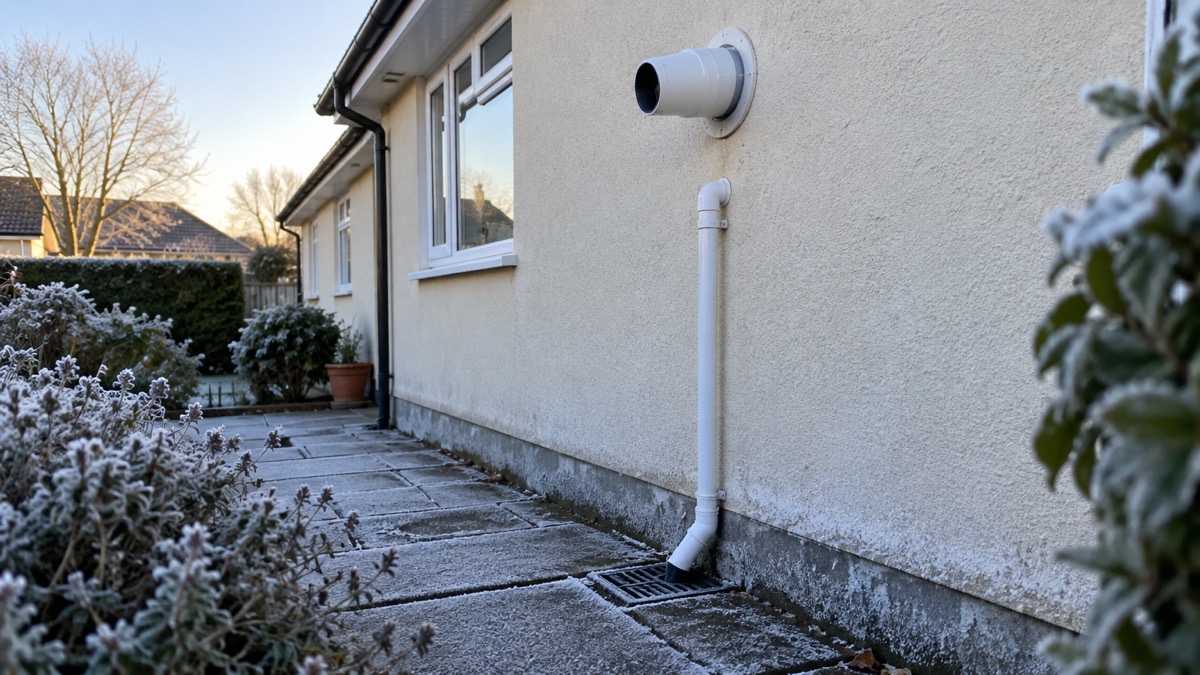
Water companies give the same advice for pipes generally. Wrap exposed pipes in cold locations such as the garage, loft or outdoors with lagging or pipe insulation to prevent freezing and bursting14. Use waterproof lagging for outdoor pipes11. Good quality lagging protects from freezing, helps insulate your hot water system and saves you money15. Foam tubing is cheap and simple to fit16, and lagging exposed pipes helps prevent bursts and reduces the risk of water loss during freezing temperatures17.
| Where the pipe is | What to use | Why |
|---|---|---|
| Outside, on an external wall | Waterproof and weatherproof lagging6 | Rain and damp defeat ordinary foam; weatherproof lagging keeps the pipe dry as well as warm |
| In a garage, loft or outhouse | Lagging or pipe insulation14 | These spaces get cold and are easy to forget |
| Any exposed run indoors | Foam pipe insulation16 | Simple, cheap and effective against freezing |
A few other habits help through a cold spell. Set your heating to come on for short periods every day19, and if you are going away, turn off the water at the stop tap and drain pipes and tanks, and ask a neighbour to turn the heating on and off regularly19. Know where your stop taps are and that they work19. If a pipe does freeze or burst, locate the stop valve and turn it off immediately20.
How do you unfreeze a condensate pipe?
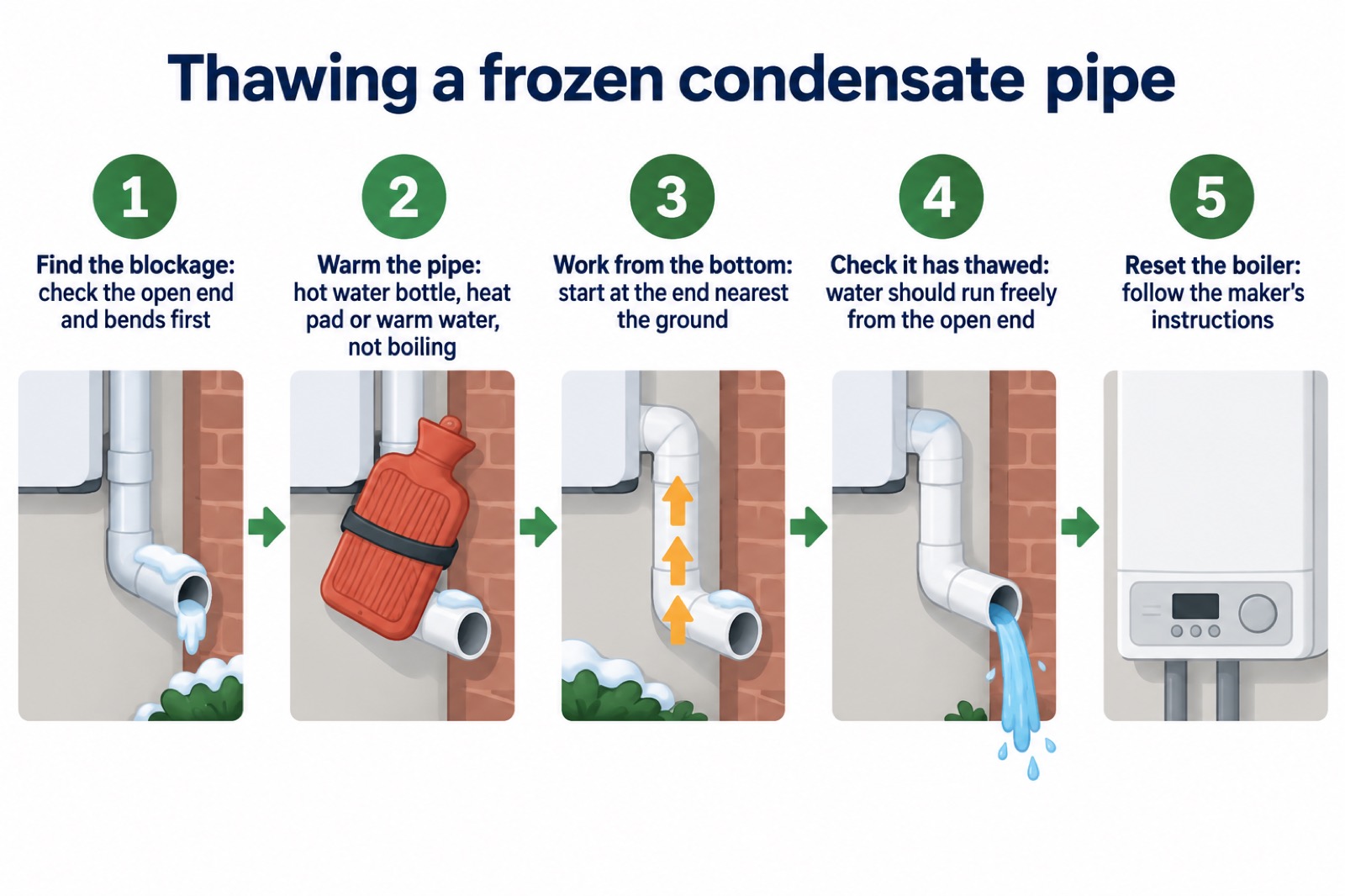
First, find the blockage. Pipes normally freeze at their most exposed points, so check the open end or any bends first, and run your hand down the pipe to find an area colder than the rest9. Check the end of the pipe: if water is not coming out, you can see ice, or it feels very cold, it is probably frozen8.
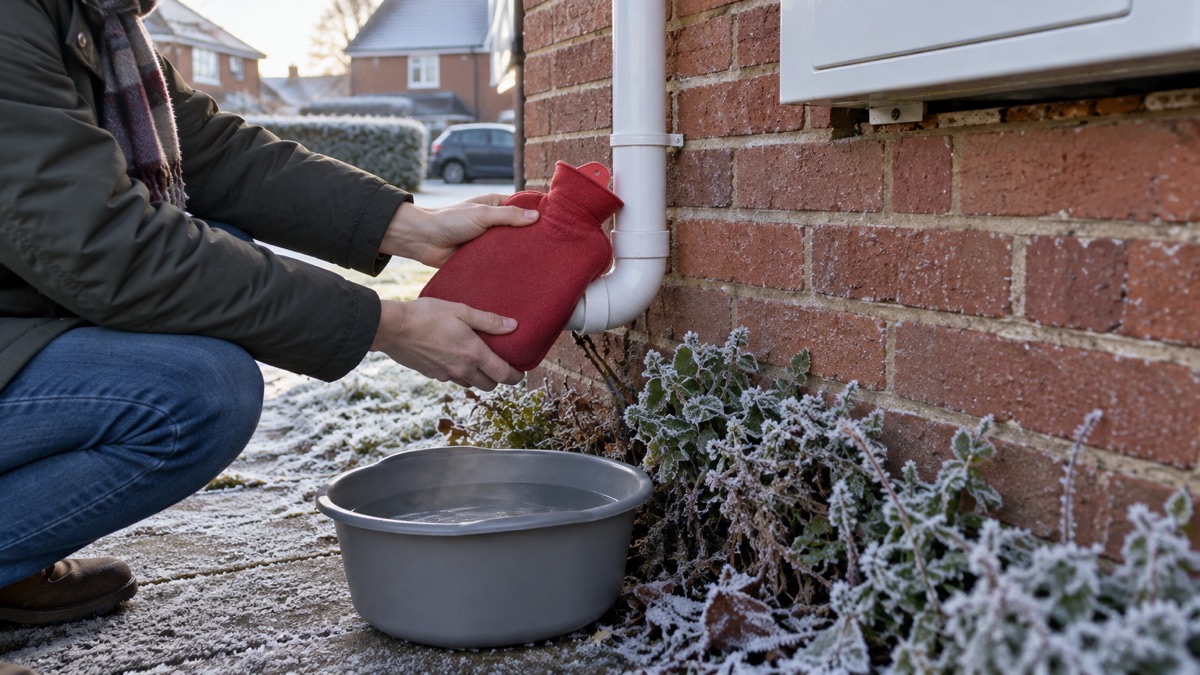
Then thaw it, working from the end nearest the ground. Hold a hot water bottle or warm heat pad against the pipe2, or pour warm, not boiling, water over it using a jug or watering can2. Pour hot, but not boiling, water on the pipe; you might need a few kettles or jugs to defrost it8. If safe to do so, pour warm water along the pipe21. Several applications may be needed22.
Only attempt defrosting condensate pipes that are at ground level and if you feel confident to do so. If the pipe is higher up or you are unsure, call a professional heating specialist3.
Using a heat wrap, heat pad or warm water
There are two safe ways to warm the pipe, and both work on the same principle: gentle heat applied to the outside.
A hot water bottle or warm heat pad held against the pipe is the simplest2. A microwaveable heat pack or a warm damp cloth works too, and several applications may be needed22. You can also ask your plumber to install a heat wrap, so the pipe can be warmed without removing the lagging8.
Pouring warm water is the other route. Pour hot, but not boiling, water on the pipe, and repeat until it starts to thaw8. Carefully remove any pipe lagging first and pour warm water down the side of the pipe, repeating the process until you start to see it thaw9.
Whichever you use, start at the end nearest the ground4. If you are dealing with a frozen water pipe rather than a condensate pipe, the advice differs: turn off your water supply at the stop tap, switch off the immersion heater and central heating, leave the cold tap on so thawed water can escape, and thaw the pipe slowly with a hairdryer on warm, a hot water bottle or a heated cloth23. If you spot that one of your pipes might be frozen, turn off your inside stop tap immediately24.
Restarting the boiler after thawing
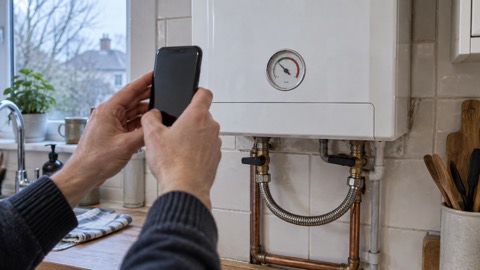
Once the pipe is clear, the boiler usually needs a reset. Follow the maker's instructions for your model; if you have an Ideal Logic Combi2, its manual sets out the reset procedure. Before you do, check the pressure gauge, and if it reads low, follow the maker's guide to repressurising a combi boiler.
If the boiler locks out again straight away, or the pipe refreezes within hours, stop resetting it and call a Gas Safe registered engineer. Repeated lockouts can point to a different fault, and a boiler breakdown in cold weather is worth diagnosing properly rather than guessing. If you rent your home, your landlord is responsible for repairs, and our guide to broken boilers in rented homes explains what they must do.
If you have no heating at all and need help, our gas and heating failures section covers the wider picture, including finding a Gas Safe registered engineer and extra support for vulnerable households.
Sources (24)
- Winter safety, Wessex Water
- Boiler not working, Northern Gas Networks
- Plumbing emergencies, CIPHE
- Avoid a boiler breakdown, WaterSafe
- Snow and ice in Cornwall, Cornwall Council, 2025-10-01
- How to prevent a boiler condensate pipe from freezing, Baxi
- How to thaw a frozen boiler condensate pipe, Baxi
- My boiler isn't working, SGN
- Frozen condensate pipes, Alpha Innovation
- What does the boiler condensate do, Alpha Innovation
- Winter advice, WaterSafe
- Why is my boiler pressure low, Baxi
- Boiler appliance guide, Gas Safe Register
- Prepare for winter, United Utilities
- Lagging and insulating your pipes, Wessex Water
- Prepare your home for winter, Southern Water
- How to save water in your home, Southern Water
- Winter proof your home, NI Water
- Getting water to your home, Essex & Suffolk Water, 2024-01
- Winter wrapped up, Scottish Water
- Frozen condensate, Worcester Bosch
- Ideal Logic+ Combi user guide, Ideal Heating, 2023-10
- Winter advice, CCW
- Frozen or burst pipes, Met Office
 Checks Before Calling Engineer
 Boiler Checks When Moving In
 Power Cut Kit Checklist
 Repressurising a Combi Boiler
 Hot Water but No Radiators
 Resetting a Boiler Lockout
 Programmer Reset After Power Cut
 Boiler Leaking Water
 Boiler Overheating
 How to Bleed a Radiator
 Boiler On When Away in Winter
 Missed Reconnection Visit
 Prepayment Credit but No Gas
 Low Supply Pressure
 Checking a Network Engineer's ID