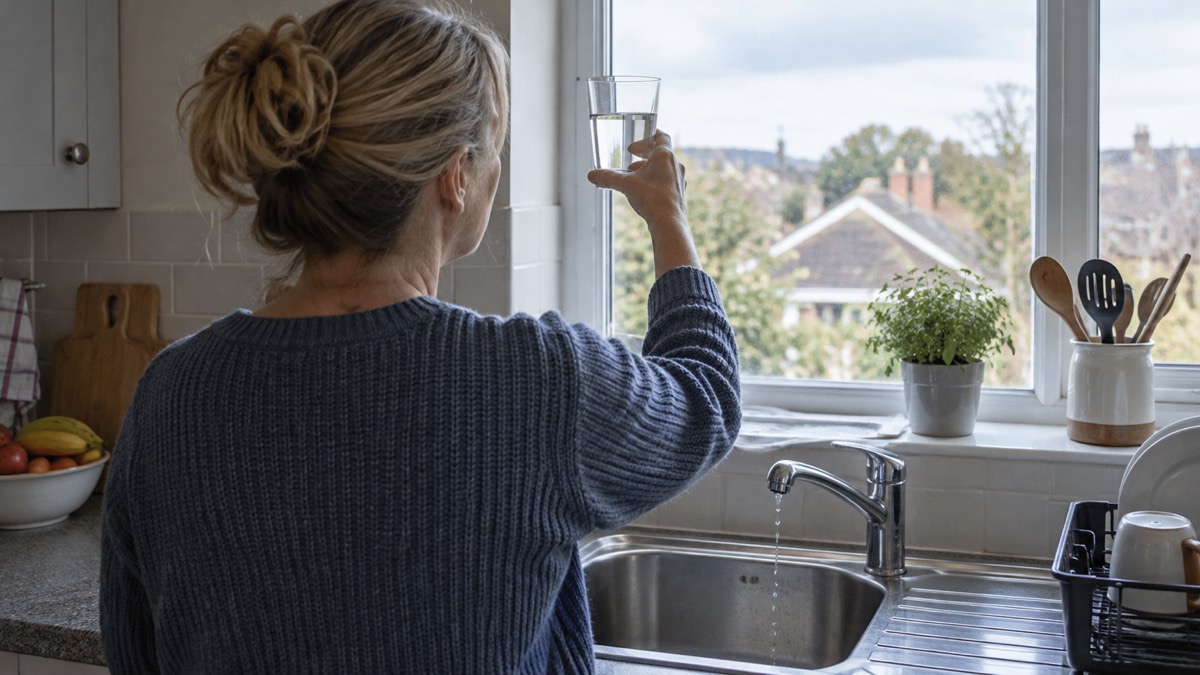
Blue water from the tap usually has an ordinary explanation, and it is often not a problem with the mains supply at all. In a new building or after new plumbing, small amounts of copper can dissolve into the water until a natural protective layer builds up inside the pipes1. It is quite common in newly installed pipes and boilers, and it can take a few days for the water to run clear2. Run the tap for a few minutes and see whether it clears3.
The exception is bright blue, green or pink water, which can mean water from your toilet cistern has got into your supply. Coloured cleaning blocks in cisterns create brightly coloured water, and faulty or poorly installed plumbing can let it siphon back into your internal pipes4. If that is what you are seeing, stop using the water and contact your water company immediately5.
So the first question is not "is blue water safe?" but "where is the blue coming from?" A faint tint that clears when you run the tap is one thing. A bright colour that comes back, or that appears at one tap only, is another, and it needs a phone call rather than a guess.
Blue tap water is usually natural and safe to drink
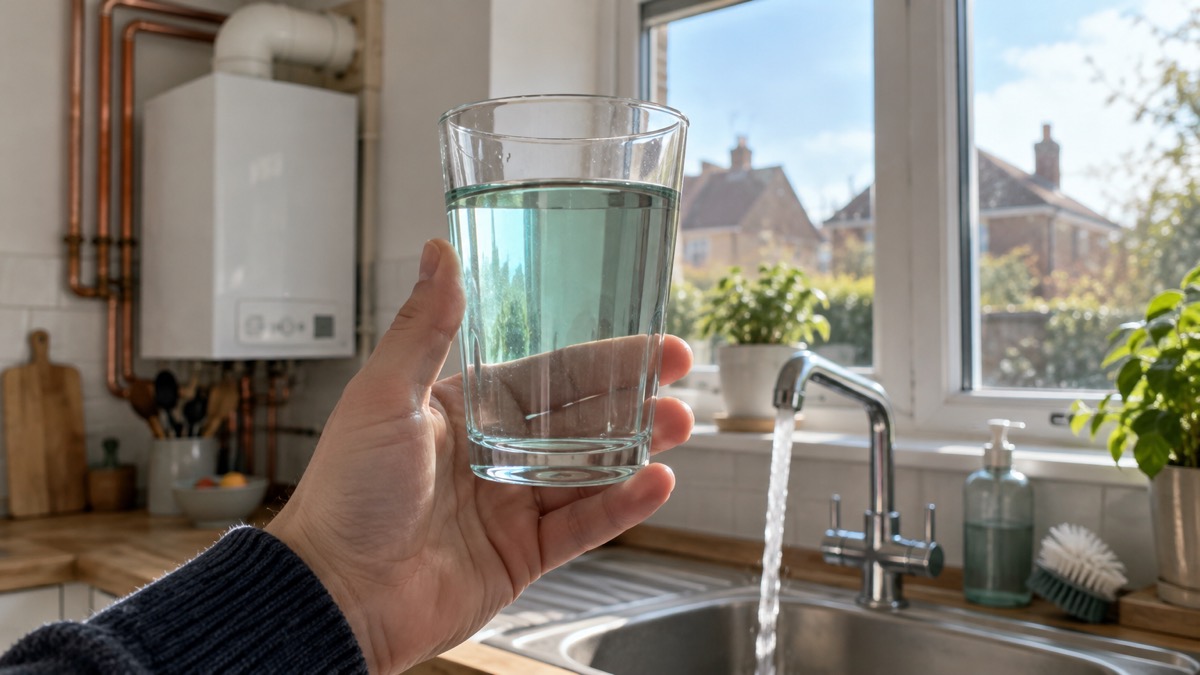
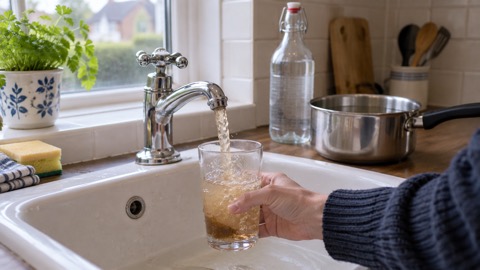
A blue tint in a full glass is often nothing to worry about. Scottish Water says water can look blue because it comes from a high quality treatment works, or from a high quality spring or borehole with very little or no organic content, which is normal and typical of water free from natural colour8. In other words, very clear water can pick up a blue cast from the glass or from the light, without anything being wrong with it.
The more common household cause is copper. Most household pipes are made from copper, and in buildings with new plumbing small amounts of copper can dissolve into the water9. In very new buildings, or buildings with new plumbing, this continues until a natural, protective layer builds up on the inside of the pipes1. It is quite common in newly installed pipes and boilers as that protective film forms, and it can take a few days for your water to run clear2.
What to do is simple. Run your tap for a few minutes until the water clears before using it, especially after new copper piping has been installed3. If the discolouration is caused by copper leaching into the water, running the tap should clear it and reduce the level of copper7. If it has been going on for several weeks, Affinity Water advises contacting the company who built or renovated the property, or an approved WaterSafe plumber, and telling the water company's fitting regulations team if you have a water softener10.
There is a limit to this reassurance. WaterSafe is direct: if your water is blue, do not drink it or use it for cooking until you have sought advice from your water supplier6. Bristol Water says it is not advisable to drink water that has an unusual, bright colour7. So a faint tint that clears is one thing; a colour that persists is a reason to pick up the phone.
Pink, blue or green water from one tap: check the toilet cistern
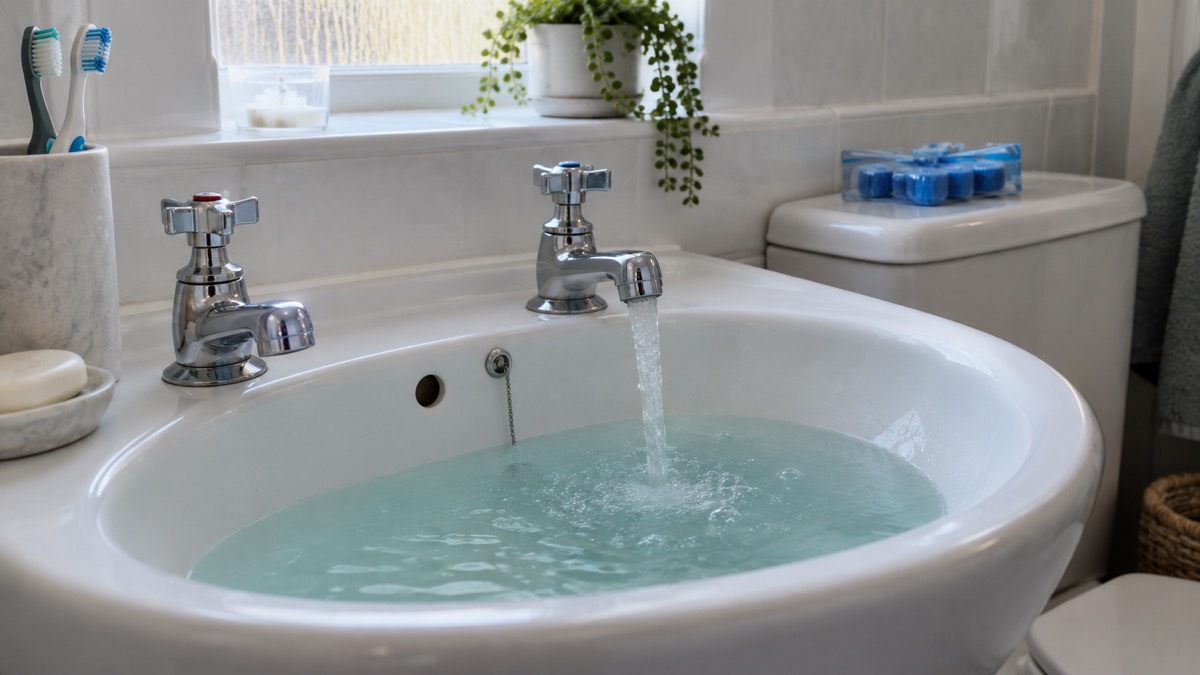
Bright blue, green or pink water is a different matter, and the usual culprit is in the bathroom. Coloured cleaning products in toilet cisterns are a recognised cause4. Toilet disinfectant blocks create brightly coloured water in a variety of colours, commonly blue, green or pink, and incorrectly installed or faulty plumbing connected to the cistern can let that water get into your supply, usually following pressure changes caused by burst water mains and planned works5.
The mechanism is backflow. A faulty toilet cistern or poor plumbing can cause water to flow back from the cistern to your taps3. Poorly installed cisterns can allow water to siphon back into the internal plumbing6. Blue-looking water can also result from back syphonage from the cistern, where blue loo blocks and depressurisation combine to produce blue water at the taps1. Yorkshire Water names the same cause for green water: blue disinfectant in the toilet cistern siphoning back into the internal plumbing11.
| What you see | Likely cause | What to do |
|---|---|---|
| Faint blue tint, clears when run | Copper from new pipes or a new boiler2 | Run the tap for a few minutes3 |
| Bright blue, green or pink | Cistern water backflow from a coloured block5 | Stop using it and contact your water company immediately5 |
| Blue or green, new-build home | New copper pipework1 | Run the tap; seek advice if it persists3 |
| Colour at one tap only | Plumbing inside the home7 | Run the tap, then contact a plumber if it persists12 |
If the water is bright green, blue or pink, suggesting water from your toilet cistern has got into your supply, Wessex Water says to contact it immediately5. WaterSafe points readers to the Water Regs UK website for information on how to check a toilet cistern6. If you are worried about copper pipes in your home, Thames Water advises contacting a plumber12.
When to stop drinking coloured water and call your supplier
The rule across the water industry is consistent. If you have blue, green or any other coloured water coming from your tap, stop using it until it has been tested2. If your water is blue, pink, green or any other colour not otherwise described, do not drink it or use it for cooking until you have sought advice from your water supplier9. United Utilities gives the same instruction for blue, pink, green or any other unusual bright colour13.
This matters most for the people least able to judge the risk. The London Resilience Partnership advises that if your water is discoloured, cloudy or smells, you should check with your water supply company before drinking it or using it to make baby formula or brush your teeth, as it may be contaminated14. The same caution applies to anyone preparing feeds for a baby.
"If your water is blue please do not drink the water or use it for cooking until you have sought advice from your water supplier."
Contacting your supplier is straightforward. Southern Water, for example, asks customers who experience blue water to call straight away on 0330 303 0368 to report it2. Your own supplier's number is on its website and usually on your bill. If you have a private supply, such as a well, borehole or spring, the route is different: your local council regulates it, and GOV.UK advises contacting your water company, or your local council if you have a private water supply, if your tap water is not clear and does not smell right15.
Coloured water that is not blue: brown, orange and cloudy
Not every colour change is a copper or cistern problem, and knowing the difference helps you decide how quickly to act. Brown water can be caused by naturally occurring deposits of iron and manganese found in cast iron water pipes16. Brown water from the tap may indicate slightly higher iron levels, and black particles may indicate a higher level of manganese2. A yellow, brown or orange colour is normally caused by disturbance of sediment, mostly iron particles, in the water main, and can follow a burst main or use of a hydrant by the Fire Service7.
For brown, black or orange water, the Drinking Water Inspectorate's advice is that in areas with a known iron or manganese problem, if you have run your tap until the water becomes clear it will then be safe to use, unless your supplier has issued a warning notice to say otherwise17. Thames Water suggests flushing the tap at the highest flow for 2 to 3 minutes, and contacting a plumber if the colour does not clear12.
Cloudy or white water is usually air, not contamination. Fill a glass and let it stand for a few minutes; if the water clears from the bottom upwards, it contains trapped air18. If it is air, the glass will clear from the bottom upwards as the air rises to escape from the surface7.
After an outage, a flood or a holiday
Colour problems often follow a disruption, and the response is slightly different each time. After a supply interruption, the government's preparedness campaign advises running the cold tap nearest to your stopcock, usually under your kitchen sink, for a while to see if it clears the discolouration, and contacting your water provider if problems continue19. Running the taps helps flush discoloured water through the system20.
After a flood, contact your water company if tap water is discoloured or tastes bad21. The Met Office's post-flood guidance is blunt: stop drinking your tap water if you notice a change in colour, taste or smell22.
After a holiday, blue or green water is more likely because it is often noticed when water has sat in pipework for a long time, for example after returning home5. Running the tap for a few minutes is the first step3.
If your supply has been off, the general rules for bringing it back into use apply, and our guide to what to do when your supply comes back on sets them out. If you have been told to boil your water, see what to do if you get a boil water notice. For the wider picture on colour, cloudiness and taste, our pages on brown or discoloured tap water and cloudy or milky tap water go further.
Spring, borehole and private supplies
If your water comes from a spring, borehole or well rather than the mains, the colour question has a different answer and a different route to help. Blue water can be a sign of quality: it may be because your water is from a high quality spring or borehole with very little or no organic content, which is normal and typical of water free from natural colour8.
But private supplies are not monitored by a water company in the same way, and problems should go to your local council. GOV.UK advises contacting your water company, or your local council if you have a private water supply, if your tap water is not clear and does not smell right15. In Northern Ireland, discoloured drinking water should be reported to Northern Ireland Water23. In Scotland, if you are persistently receiving discoloured water at a mains-fed tap, you should contact Scottish Water so it can investigate and resolve the problem24.
Our guide to private supplies: wells, boreholes and springs covers testing and treatment in more detail. If you are storing water for an emergency, the rules on storing tap water safely at home and how much drinking water to store per person apply whatever your source.
How to report coloured water and what happens next
Reporting is quick, and the more detail you give, the faster your supplier can work out whether the problem is in the mains or in your home. Before you call, note the colour, whether it affects one tap or several, whether the hot water is affected too, and how long it has lasted.
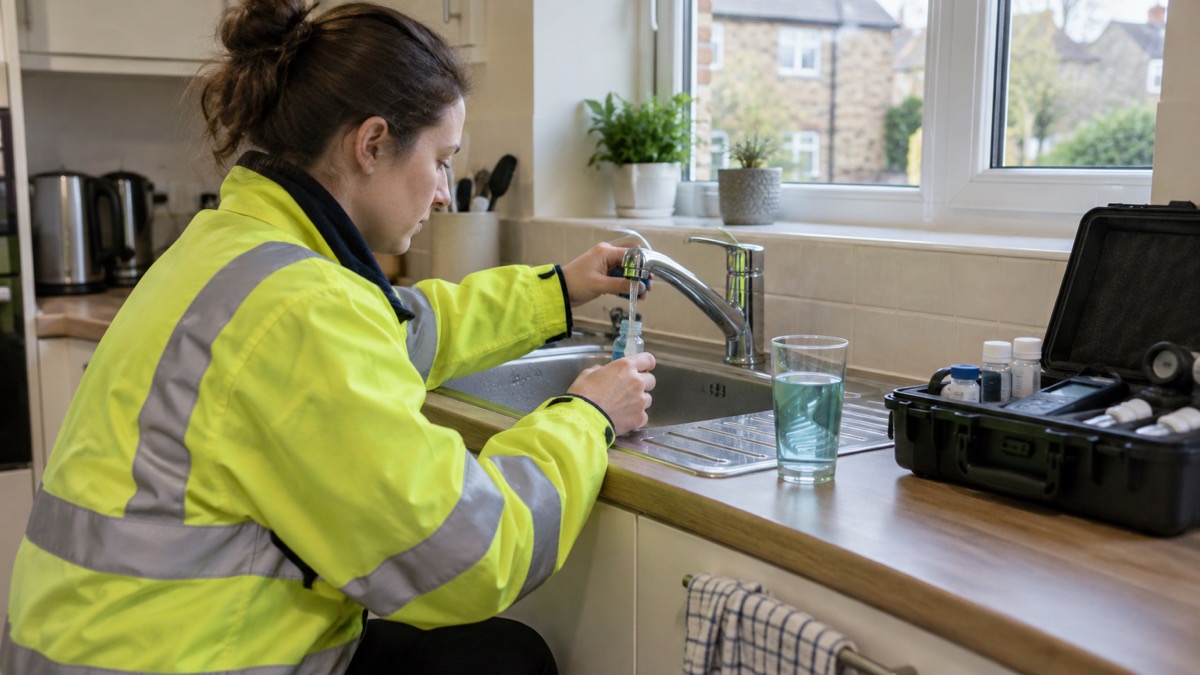
A useful check is to compare with a neighbour. If your neighbour's water is clear, or if only your hot water is affected, it is likely to be a plumbing problem7. That points you towards a plumber rather than the water company. Bristol Water recommends choosing a competent and qualified plumber using the WaterSafe scheme7.
- Bright blue, green or pink: contact your water company immediately5
- Brown, orange or yellow after a burst or hydrant use: run the tap, and call if it remains discoloured after several hours7
- Persistent discolouration at a mains-fed tap in Scotland: contact Scottish Water24
- Discolouration in Northern Ireland: report it to Northern Ireland Water23
- Private supply: contact your local council15
- After a flood: contact your water company if tap water is discoloured or tastes bad21
If your supplier issues a warning about your supply, follow it. The Drinking Water Inspectorate explains that tap water in the UK is safe to drink without boiling because it is treated and continuously monitored25. Our guide to do not drink and do not use notices explains what those notices mean in practice.
Sources (25)
- Water appearance, Severn Trent, 2026
- My water looks, smells or tastes unusual, Southern Water, 2026
- Water appearance, Dwr Cymru Welsh Water, 2026
- Discoloured water, Essex and Suffolk Water, 2026
- Discoloured water, Wessex Water, 2026
- Why is my water blue or green?, WaterSafe, 2026
- Water appearance, Bristol Water, 2026
- Water quality FAQs, Scottish Water, 2026
- Why is my water discoloured?, WaterSafe, 2026
- Water quality and appearance, Affinity Water, 2026
- My water is green, Yorkshire Water, 2026
- Water looks different, Thames Water, 2026
- Water appearance, United Utilities, 2026
- Preparing yourself for emergencies, London Resilience Partnership, 2026
- Check drinking water quality, GOV.UK, 2026
- Water quality FAQs, WaterSafe, 2026
- Brown, black or orange water, Drinking Water Inspectorate, 2026
- Discoloured water advice, United Utilities, 2026
- Water supply interruptions or outages, UK Government preparedness campaign, 2026
- Discoloured water, Affinity Water, 2026
- Flooding advice, Mid and West Wales Fire and Rescue Service, 2026
- How to dry your home out after a leak or flood, Which?, 2025
- Dealing with drinking water problems, nidirect, 2026
- Discoloured or dirty water, Drinking Water Quality Regulator for Scotland, 2026
- Receiving a boil water notice, Drinking Water Inspectorate, 2024
 Supply Interruption Checklist
 Boil Notice Checklist
 Drinking Supply Checklist
 Boil Water Notice Advice
 When Supply Is Restored
 Check for an Outage
 Report No Water or Burst Pipe
 Bottled Water Stations
 Bottled Water Delivery Help
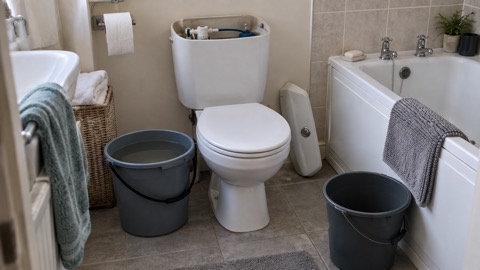 Flushing the Toilet in an Outage
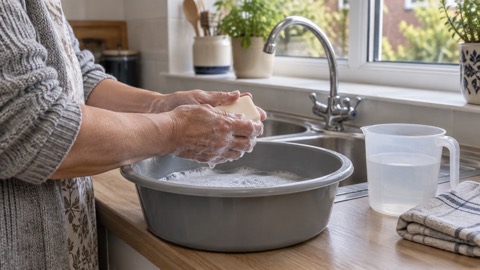 Washing Without Running Water
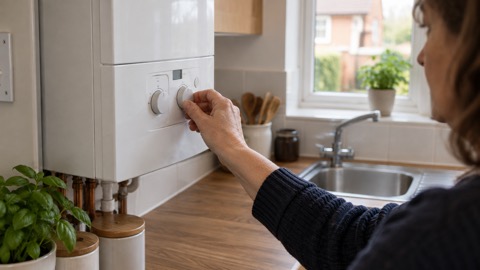 Combi Boiler When Water Is Off
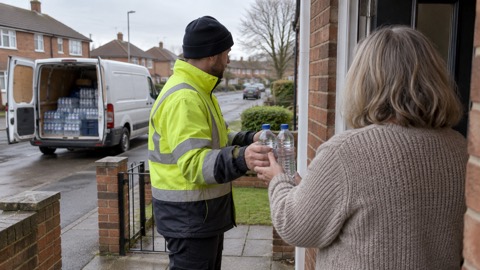 Water Company Incident Alerts
 Checking a Water Company Caller
 Brown or Discoloured Tap Water