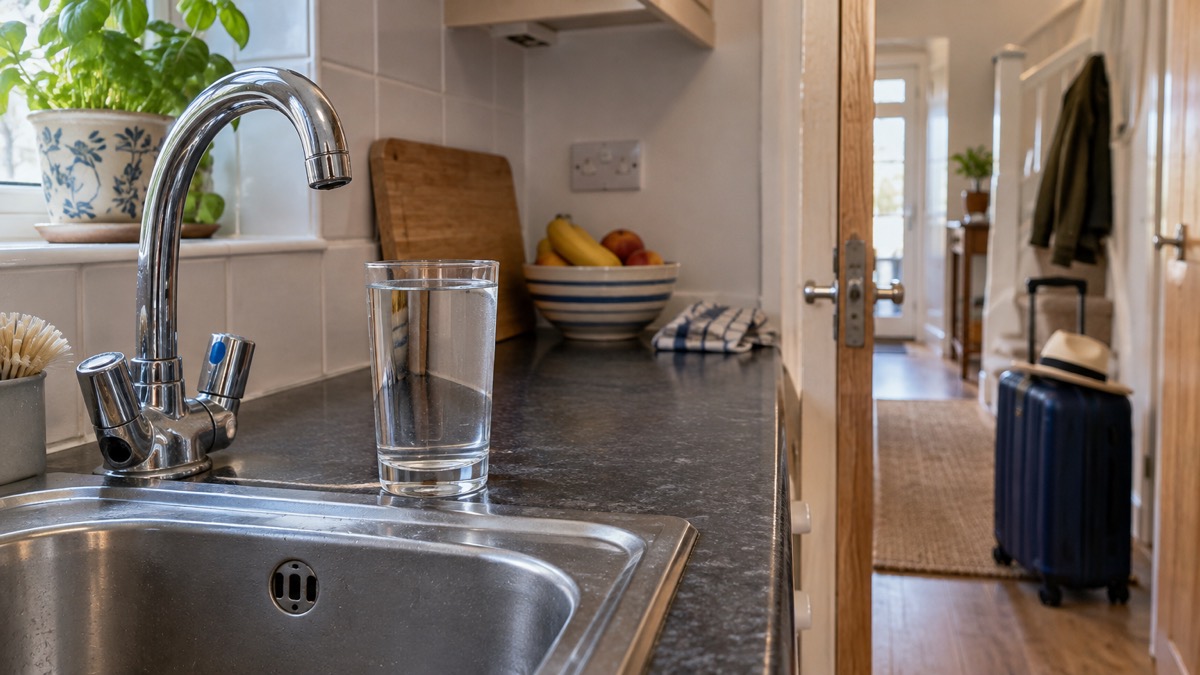
If you have come home to find your tap water tastes or smells strange, the first thing to do is simple: run the cold tap for a few minutes before you drink, cook or clean your teeth. Water that has stood in the pipework while the house was empty is the usual cause, and flushing it through brings fresh water in from the mains. Water companies and the drinking water regulators all give the same advice for a home that has stood empty1.
Most odd tastes after a holiday are harmless. A musty or stale taste comes from standing water, a metallic or bitter taste from water sitting against the metal in your plumbing, and a chlorine smell from the small amount of chlorine left in the supply to keep it safe4. Cloudy or white water is likely to be air trapped in the water and is not harmful to health7.
Some things do need action. If the taste or smell is strong enough that you cannot drink the water, or you notice it for the first time, contact your water company immediately9. If you are on a private supply, such as a well, borehole or spring, a change in taste or smell after heavy rain or flooding means the supply may be contaminated and you should not rely on it until it has been checked10.
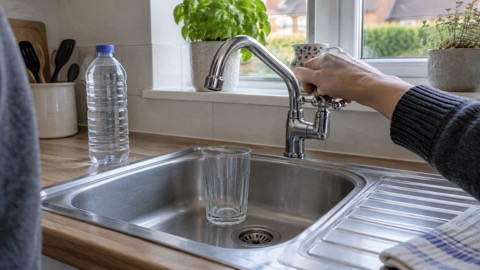
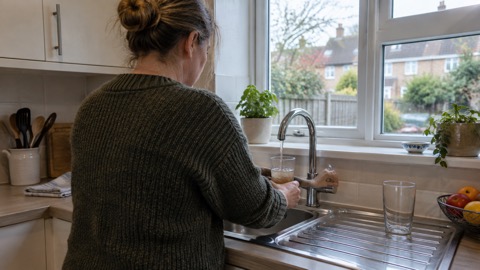
Run the cold tap before you drink: flushing water that has stood in the pipes
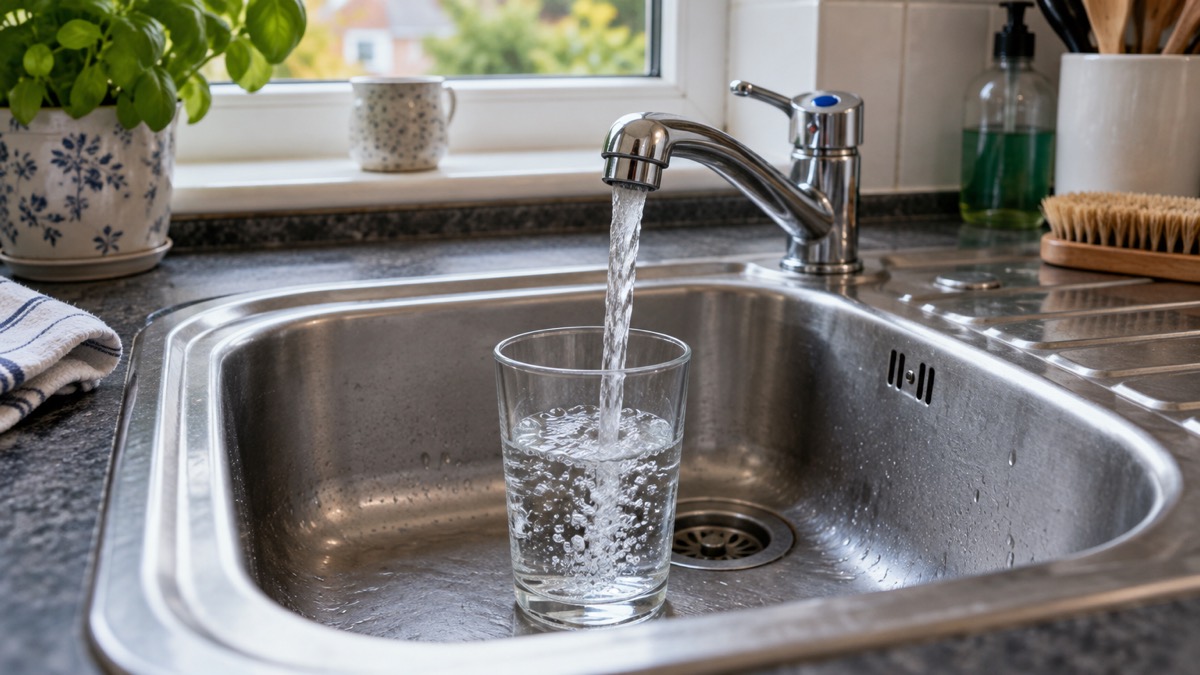
The single most useful thing you can do on returning home is to flush the pipes. Run the cold water tap for a few minutes before using any water for drinking, cooking or cleaning teeth1. This pushes out the water that has been sitting in the pipework and draws fresh water in from the mains. Several water companies give the same instruction in almost the same words: if your home has stood empty for a while, run your cold water to flush out the pipes1.
Do the same for the hot tap if the hot water tastes odd. Run the hot water for a few minutes, and if that does not help the taste or smell, get the system checked by an approved plumber on the WaterSafe Register2. Metallic tastes can come from water standing in pipes affected by local warming from unlagged hot water or central heating pipework, so if the problem keeps coming back, lagging those pipes is worth doing4.
A few practical points help:
- Flush the cold kitchen tap first, because that is the one you use for drinking and cooking11.
- Run the taps in bathrooms and any outside tap too, so every branch of the plumbing gets fresh water through.
- If you have a water softener, follow the maker's instructions for restarting it after a long absence.
- Clean the sink and overflow, and wash sink drains with bleach and hot water, because a musty smell can come from the drain rather than the water2.
If you turned your stop tap off before going away, run cold taps and flush toilets to help drain your plumbing system more quickly once you turn it back on12. This also helps clear any air that has got into the pipes.
Why water tastes odd after it has sat unused
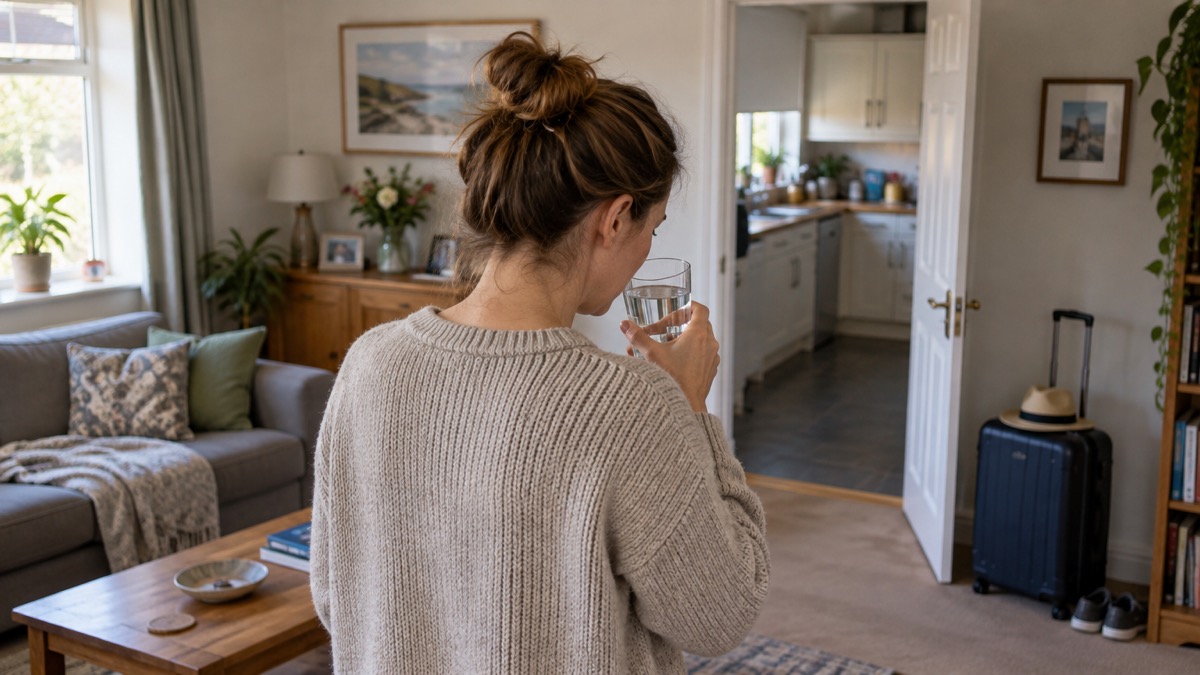
Water is not sterile once it leaves the treatment works, and it changes as it sits. The most common cause of a strange taste after a holiday is simply that the water has been standing in your pipes, especially in dead end pipes with no or low turnover5. The longer it sits, the more it picks up from its surroundings.
There are several mechanisms, and knowing which one applies helps you decide what to do:
| What you notice | Likely cause | What to do |
|---|---|---|
| Musty or stale taste | Standing water in the pipes, or a home that has stood empty1 | Run the cold tap for a few minutes1 |
| Earthy or musty smell | Water sitting in pipes, or cold pipes too close to hot pipes or radiators7 | Flush the tap; check pipe lagging7 |
| Metallic or bitter taste | Metals from the domestic plumbing, or water warmed by unlagged hot pipes13 | Flush the tap; the taste should improve as limescale forms13 |
| Chlorine smell | Chlorine residual left in the supply to keep it safe6 | Chill water in the fridge before drinking2 |
| White or cloudy appearance | Air trapped in the water8 | Leave it to clear; it is not harmful8 |
The source of your water can affect its taste too14. In summer, water taken from rivers and reservoirs sometimes has a musty or earthy smell or taste before it is treated; treatment removes most of these, but less so in hot and dry weather15. If your water company has changed supplies, for example because of increased use of water in the summer, you may notice a change in taste, though the water still complies fully with the standards15.
The good news is that most of these settle down. A metallic taste should improve with time, as a thin layer of limescale forms inside the pipework4. If it does not, the next section explains what to check.
Tastes and smells that mean more than standing water
Most odd tastes are harmless, but a few are worth taking seriously. The first test is simple: fill a glass with water and smell it in a different room, away from the kitchen sink, to work out whether the odour is genuinely from the water or from the drain16. If the smell follows the glass, it is in the water.
Some tastes and smells point to something other than standing water:
- Fuel, petrol or oily tastes and smells. A fuel or solvent taste or smell, particularly after a known spillage incident, might mean your water supply has been contaminated18. Stop drinking it and contact your water company.
- A TCP or medicinal taste. This can be stronger if the water has been boiled or left to stand in a glass19. If it is particularly bad or strong, or you notice it for the first time, contact your water company immediately19.
- A baking soda taste with a slippery feel. This can happen when the pH of the water is too high, and it will begin to leave scale deposits on plumbing and fixtures20.
- A woody taste. This is not harmful and will probably get stronger as the pipe gets older1.
If you have been away during a flood, or your area has had one while you were gone, be especially careful. Contact your local water company if you notice a change in drinking water quality, such as a change in the colour, taste or smell of tap water, and do this before cleaning is complete if you return early22. The same applies if your private supply has been covered by floodwater10.
Private supplies: when the owner must act on contamination
If your water comes from a private supply, such as a well, borehole or spring, rather than the mains, the rules are different and the responsibility sits with you or your landlord. Private supplies are more vulnerable to contamination after heavy rain or snowmelt, or when the water is highly coloured, because there is an increased risk of harmful bacteria affecting any supply23.
If a private supply has been covered by floodwater, or if you notice a change in water quality, such as the water becoming discoloured or a change in taste or smell, treat the supply as unsafe until it has been checked10. If you believe the supply may be contaminated by any chemical contamination, an alternate source of water must be provided10.
For commercial properties on a private supply, including self-catering accommodation, the supply must legally have a formal risk assessment carried out and is subject to routine sampling, and a drinking water poster must be displayed24. If a sample fails, those responsible for other properties or users, such as tenants, holiday visitors, customers or staff, must inform users about the sample failure and ensure temporary measures are put into action until the cause has been investigated and rectified, then request a further sample to confirm remedial works have been successful25.
Lead is a particular concern on private supplies. The local authority is compelled to use its enforcement powers to require a suitable remedy to mitigate the lead risk where the cause is the distribution system within a domestic premises where water is made available to the public, or is not due to the distribution system within a domestic premise26. In older homes, lead pipes or lead solder can affect drinking water, alongside old paint that may contain lead27.
If you are on a private supply and are unsure what applies to you, your local authority environmental health team is the first point of contact. Our guide to private supplies explains how wells, boreholes and springs are regulated and what to check.
When to stop drinking it and contact your water supplier
The threshold for ringing your water company is lower than most people think. If you notice a particularly bad or strong smell or taste which means you cannot drink the water, or you notice a smell or taste for the first time, you should contact your water company immediately9. After a flood, contact your water company if tap water is discoloured or tastes bad21.
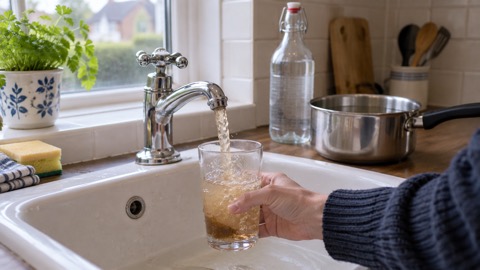
For cloudy water, the advice is to contact your water supplier for further advice if it does not clear, or there is an unusual smell or taste, or it persists beyond 24 hours8. White or cloudy water is likely to be caused by air trapped in the water and is not harmful to health, so there is no need to worry, but a persistent problem is worth reporting8.
While you wait for an answer, use an alternative supply for drinking, cooking and cleaning teeth. It is good to hold a small amount of bottled water in your home, but make sure it is not past its expiry date28. Additional water might be needed to make up baby formula, for medical devices and for pets29. If your supply is off or unsafe, your water company can tell you about bottled water stations and deliveries for vulnerable households; our guide to alternative supplies explains how that works.
For babies and formula, the NHS advises carrying on breastfeeding or using formula, giving small amounts more often than usual, and giving small sips of extra water if your baby is on formula or solid foods30. Boil water first for babies under six months, then let it cool30. In rare circumstances, such as when drinking water is unavailable or has been contaminated, you can use still bottled water to make up formula feeds31. Our guide to babies and formula feeds covers this in more detail.
If you are on a private supply and a sample has failed, do not wait: inform the users, put temporary measures in place, and arrange a further sample once the cause has been investigated and rectified25.
Sources (31)
- Taste and smells, Northumbrian Water, 2026
- Taste and smells, Northumbrian Water, 2026
- Lead pipes, Essex and Suffolk Water, 2026
- Tastes and smells, Wessex Water, 2026
- My water looks, smells or tastes unusual, Southern Water, 2026
- What to expect when your water returns, Southern Water, 2026
- My water smells strange, South East Water, 2026
- White or cloudy water, Drinking Water Inspectorate, 2026
- TCP or medicinal taste and odour, Drinking Water Inspectorate, 2026
- Flooding advice for properties using a private water supply, Shropshire Council, 2026
- Lead pipes, Essex & Suffolk Water (eswater.co.uk)
- WeatherReady weatherhacks, Met Office, 2026
- Taste and Odours of Your Water | Affinity Water, Affinity Water
- My water tastes or smells unusual, Severn Trent, 2026
- Taste and smell, Drinking Water Quality Regulator for Scotland, 2026
- Why does my water smell stagnant or like sewage, WaterSafe, 2026
- Why does my water smell stagnant or like sewerage, Water Regs UK, 2026
- Taste and smell, Bristol Water, 2026
- Taste and Odour in Drinking Water - Drinking Water Inspectorate, Drinking Water Inspectorate
- pH, United Utilities, 2026
- Flooding advice, Merseyside Fire and Rescue Service, 2026
- Cleaning up, Derbyshire County Council, 2026
- Private water supplies, Argyll and Bute Council, 2026
- Private water supplies for your property, Argyll and Bute Council, 2026
- Private water supplies water sampling, Argyll and Bute Council, 2026
- Lead in private water supplies, Drinking Water Inspectorate, 2026
- Lead poisoning, NHS Inform, 2026
- What is a national power outage, Wiltshire and Swindon Prepared, 2026
- Loss of essential services, Greater Manchester Combined Authority, 2026
- Dehydration, NHS, 2026
- Be informed about hazards: power cuts, Prepare, 2026
 Supply Interruption Checklist
 Boil Notice Checklist
 Drinking Supply Checklist
 Boil Water Notice Advice
 When Supply Is Restored
 Check for an Outage
 Report No Water or Burst Pipe
 Bottled Water Stations
 Bottled Water Delivery Help
 Flushing the Toilet in an Outage
 Washing Without Running Water
 Combi Boiler When Water Is Off
 Water Company Incident Alerts
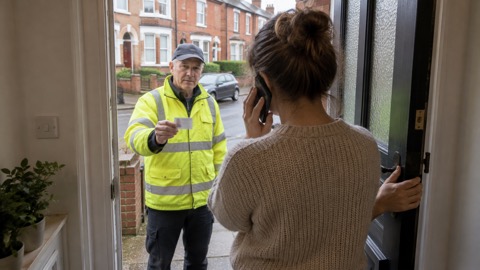 Checking a Water Company Caller
 Brown or Discoloured Tap Water