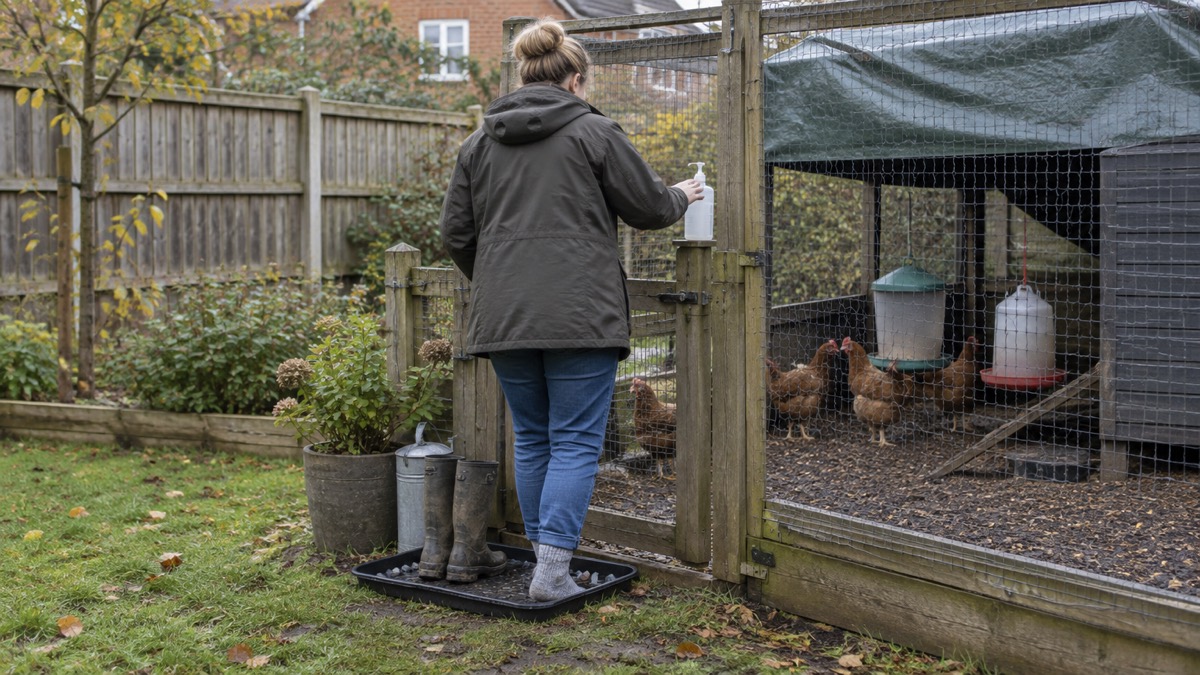
Keeping backyard hens safely is mostly a matter of small daily habits, and those habits matter more when an Avian Influenza Prevention Zone is in place. The single most important rule is the one repeated across official and welfare guidance: do not touch or pick up a dead or visibly sick wild bird, and if you have to, wash your hands thoroughly straight afterwards, keeping them away from your face and food1.
Beyond that, biosecurity for a backyard flock comes down to keeping wild birds and their droppings away from your hens. Place food and water under cover to prevent contamination from wild birds, change or disinfect footwear when you enter the enclosure, wash your hands before and after tending to the birds, regularly clean and disinfect equipment and hard surfaces, keep on top of rodent and vermin control, use scarecrows, foils or streamers to deter wild birds, prevent access to neighbouring poultry, and reduce the movement of people, vehicles or equipment4.
This page sets out what to do each day, how to choose healthy birds, what to feed and what not to feed, how to spot heatstroke and when to call a poultry vet, and how winter changes the routine. For the wider picture of housing, feeding and the law, see Keeping Chickens: Housing, Feeding and the Law, and for mites, lice and worms see Chicken Health: Mites, Lice, Worms and Common Illnesses.
Bird flu: do not touch or handle sick or dead birds
The current Avian Influenza Prevention Zone is in place across the UK, and the advice that flows from it is simple and firm: don't touch or handle sick or dead birds. If you have to, thoroughly wash your hands immediately afterwards, keeping them away from your face or food3. The same instruction appears in local authority public health guidance and in welfare charity advice, which is a sign of how consistently it is regarded1.
Biosecurity is the set of measures that stop the virus reaching your flock in the first place. Guidance for poultry keepers sets out biosecurity measures, monitoring and reporting any signs of infection in birds, and restrictions on the movement of poultry6. In practice, for a backyard keeper, that means a daily routine rather than a one-off job.
- Food and water under cover, so wild birds cannot contaminate them4
- Footwear changed or disinfected when you enter the enclosure4
- Hands washed before and after tending to the birds4
- Equipment and hard surfaces cleaned and disinfected regularly4
- Rodent and vermin control kept on top of4
- Wild birds deterred with scarecrows, foils or streamers4
- No access to neighbouring poultry, and reduced movement of people, vehicles and equipment4
If you keep birds near water, take extra care. Minimise contact between wild waterfowl and your poultry, try to net ponds and don't feed wild birds nearby7. Move any bird feeders well away from your poultry to minimise contact, and always clear up spilled feed7.
Where a disease control zone applies, the rules tighten further. In all disease control zones you must follow biosecurity rules, keep a record of anyone that transports or markets poultry or poultry eggs (with exemptions for table eggs), follow the rules for fresh meat, comply with biosecurity rules imposed by a veterinary inspector, not organise or attend bird gatherings, and not release game birds3. Check the current zone status for your area before you move birds or eggs.
Feeding rules: no kitchen scraps and no dead mealworms
What you feed your hens is part of biosecurity as well as welfare. A commercial chicken diet is grain based, with no animal proteins or hormones allowed, and includes minerals and vitamins, a formulation matched to the birds' needs and age, yolk enhancers for laying hens, and any veterinary medicines such as antibiotics or wormers5. Kitchen scraps do not belong in that list.
The rule on dead mealworms is specific and worth knowing. Defra has announced a ban on the feeding of dead mealworms to chickens, which does not apply to live insects, insect fats and oils7. If you have been in the habit of scattering dried mealworms, stop, and check the label of any treat mix you buy.
Grit is the other feeding essential. Chickens don't have teeth, so they need insoluble grit, such as hard flint grit, to grind and digest food. Oyster shell is a soluble grit providing extra calcium, particularly important for laying hens for stronger eggshells2. If you see soft shelled eggs, provide oyster shell and/or mixed grit, soluble and non-soluble9.
| What to provide | What it does | Notes |
|---|---|---|
| Grain based ration | Complete daily diet, matched to age and needs5 | No animal proteins or hormones allowed5 |
| Insoluble grit (e.g. hard flint) | Grinds and digests food in place of teeth2 | Offer separately, not mixed into the ration |
| Oyster shell (soluble grit) | Extra calcium for stronger eggshells2 | Particularly important for laying hens2 |
| Mixed grit | Soluble and non-soluble grit in one9 | Useful where soft shelled eggs appear9 |
| Wheat scratch feed | Keeps birds active10 | A little maize in cold weather only10 |
There is no food safety reason to avoid eggs from your own hens. The Food Standards Agency advises that it is safe to eat properly cooked poultry and poultry products, including eggs3. Cook them properly, and always clean surfaces, utensils, plates and hands thoroughly after they have touched raw or thawing meat to stop bacteria spreading around the kitchen11.
Buying birds: watch the whole flock before you choose
When you buy new birds, the health of the flock you are buying from matters as much as the health of the individual bird in your hand. Monitor the flock for signs of illness and immediately isolate any sick birds12. Ask to see the birds moving and feeding, not just the one you have chosen, and walk away from a seller who will not let you.
Handling a bird properly lets you inspect it at the same time. Handle birds gently but supportively, with the bird balanced resting its weight on your left forearm, head under your left arm, legs held between the fingers of your left hand with its tail pointed away from you, leaving the right hand free to inspect the bird for positive signs of health, or lice or mites13. This applies to all species and all sizes of poultry13.
Stress is a real risk in the first days after a move. Stress, for example from moving to a new environment, can disturb the hen's immune system so worms breed wildly and affect health, so monitor the worm burden, and treat any bird off its food or moping as suspect8. Lice are common and usually manageable: they are 2 to 3mm in size and can be found all over the body in the skin beneath the feathers, with eggs laid around feather shafts. They are not much of an issue in small quantities, chickens often suffocate lice by dustbathing, and a chicken-safe louse powder can be added to the dustbath for large infestations2.
If you are bringing in new birds to an existing flock, plan the introduction rather than simply putting them in. Our guide to introducing new hens to an existing flock covers the practical steps, and looking after newly adopted ex-battery hens covers the particular needs of rescue birds.
Spotting heatstroke and when to call a poultry vet
Hens cope badly with heat, and the signs are easy to miss or to mistake for something else. Heatstroke signs in chickens include open mouth breathing, wings and legs outstretched, reduced appetite and egg production, and staggering or falling over15. These symptoms can also indicate other health issues, so if heatstroke is suspected, call a poultry-friendly vet immediately for advice15.
The general principle for animals in hot weather is the same across the UK. Watch out for early signs of heatstroke, such as heavy panting, restlessness and lack of coordination, and contact a vet immediately if you have any concerns about your pet's health16. Northern Ireland's public health advice is equally direct: contact a vet if you are worried that an animal is suffering from heatstroke6. For dogs, the RSPCA says to contact a vet immediately if you spot the signs17.
In the meantime, shade and water are what you can control. Move affected birds into shade, make sure drinking water is available and fresh, and avoid handling birds in the heat of the day. Do not plunge a hot bird into cold water; the guidance for rabbits, which are similarly vulnerable, is to move them into a cool room or shaded area and not to place them in cold water15.
| Sign in a hen | What it may mean | What to do |
|---|---|---|
| Open mouth breathing | Heatstroke, or respiratory illness15 | Move to shade, offer water, call a poultry-friendly vet15 |
| Wings and legs outstretched | Heatstroke15 | Cool the environment, not the bird with cold water |
| Reduced appetite and egg production | Heatstroke, or another health issue15 | Check for other signs, call a vet if concerned15 |
| Staggering or falling over | Heatstroke, or another health issue15 | Call a poultry-friendly vet immediately15 |
Heatstroke in people follows a similar pattern, and the same principle applies: confusion, clumsiness, fast heartbeat, fast breathing or shortness of breath, hot skin and seizures are common symptoms18. If you are out tending the birds in a heatwave, look after yourself as well. Our guide to heatwaves and drought covers household heat planning.
Winter care: more feed, less activity, fewer eggs
Winter changes the daily routine, but it does not suspend it. Chickens will eat more in colder months to generate body heat, sleep more in winter to conserve energy, and are generally less active during the day5. Expect fewer eggs, and do not read a slow autumn into illness unless other signs appear.
Feeding adjusts with the season. In the winter, a little cod liver oil can be added to the ration19. Wheat, and a little maize in cold weather only, can be offered as a scratch feed to keep the birds active10. Scratch feed is a supplement, not a substitute for the balanced ration.
Water is the part that catches people out. Check drinkers at least daily in freezing weather and break ice rather than assuming the birds will manage. Keep bedding dry, and make sure the coop is ventilated without being draughty.
Parasite control continues through winter. Louse powder or spray should be applied monthly, under the tail, under the wings, along the body, up the neck including ear canals and over the back, rubbed in well, and periodic preventative application is advisable because these parasites breed extremely quickly if left unattended8.
The birds' behaviour will change in ways that look like illness but are normal. You might find your pet bird spending more time resting and napping and potentially seeking out warmer areas in their cage, fluffing feathers and showing lower activity in winter, as birds conserve energy and stay warm20. Judge by appetite, droppings and demeanour rather than activity alone.
For the wider household picture in cold weather, see Storms, Snow and Ice: A Household Guide, and for the kit a flock needs day to day, our pet hens kit checklist sets out what to have ready.
Reporting dead wild birds and where to get help
If you find dead wild birds, including swans, geese, ducks and gulls, you can report them using the DAERA Dead Wild Bird online reporting tool21. Belfast City Council directs reports of dead wild birds in its parks and other locations, including ducks, swans and geese, to the same DAERA tool20. In Northern Ireland, the public health agency's avian influenza guidance sets out measures to prevent the spread of the virus, such as biosecurity measures for poultry keepers, monitoring and reporting any signs of infection in birds, and restrictions on the movement of poultry22.
Do not handle the bird while reporting it. Note the location and, if you can, the species, and leave the carcass where it is.
For help with your own flock, a poultry-friendly vet is the first call for any suspected illness, and especially for suspected heatstroke23. For the rules on registering your birds, see Do I Have to Register My Chickens on the GB Poultry Register?, and for cleaning routines see How Often to Clean a Chicken Coop and How.
Sources (23)
- Health protection, Devon County Council, 2026-10-29
- Chicken health, RSPCA, 2026-11-04
- Avian influenza (bird flu), Suffolk County Council, 2026-10-29
- Bird flu: all you need to know, Woodgreen Pets Charity, 2026-05-15
- Chickens, RSPCA, 2026-11-04
- Avian influenza, Public Health Agency (Northern Ireland), 2026-10-06
- Avian influenza (bird flu), British Hen Welfare Trust, 2025-11-13
- Health and diseases, The Poultry Club of Great Britain, 2026-11-04
- Soft shell eggs, British Hen Welfare Trust, 2026-11-04
- Housing, equipment and feed, The Poultry Club of Great Britain, 2026-11-04
- Chilling | Food Standards Scotland, Food Standards Scotland
- Biosecurity for free range poultry, The Poultry Club of Great Britain, 2026-11-04
- Handling and welfare guidelines, The Poultry Club of Great Britain, 2026-11-04
- Information about specific safety concerns | Northumberland County Council, Northumberland County Council
- How to care for small pets in the hot weather | Woodgreen, Woodgreen
- Dogs in summer, RSPCA, 2026-10-29
- Hot weather and its impacts, Met Office, 2026-11-03
- Staying well in hot weather, Berkshire Healthcare NHS Foundation Trust, 2026-10-29
- Hatching, rearing and care of young poultry, The Poultry Club of Great Britain, 2026-11-04
- Pets in winter, RSPCA, 2026-10-29
- Emergency contact numbers, Belfast City Council, 2026-10-29
- Avian flu, Belfast City Council, 2026-10-29
- Hot weather advice, nidirect, 2026-10-05
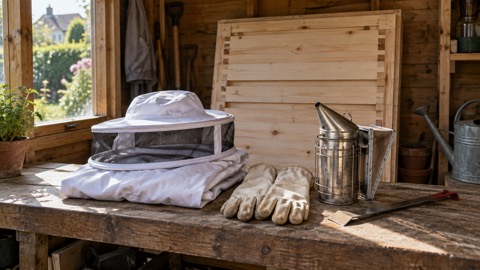 Beekeeping Starter Equipment
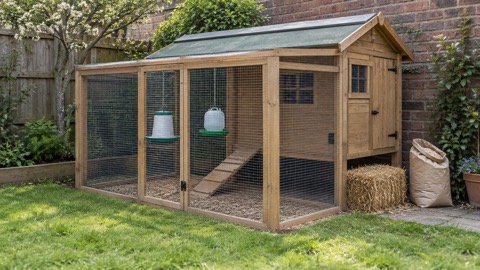 Pet Hens Starter Kit
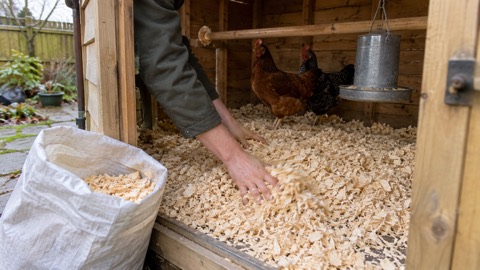 Bringing Home Rescue Hens
 Hay Bale Fires
 Livestock in a Heatwave
 Livestock Water Outage
 Sky Lanterns
 BeeBase Registration
 Broody Hen Hatching
 Cleaning a Chicken Coop
 Coop and Run Space for Hens
 Care for Ex-Battery Hens
 Reporting Foulbrood
 Fox-Proofing a Chicken Coop
 Daily Hen Feed Amounts