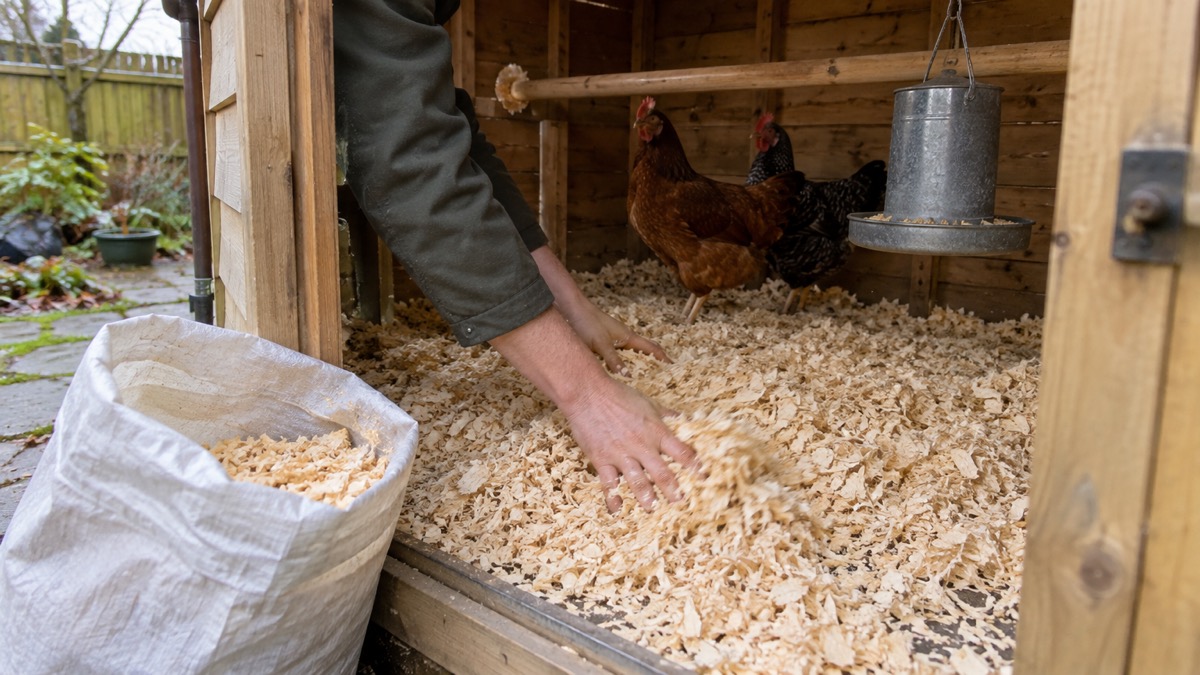
Bringing home rescue hens is mostly a job of preparation. Before the birds arrive you need somewhere dry and secure for them to live, a proper layers ration, and two separate supplements: insoluble grit so they can digest their food, and oyster shell for calcium. The British Hen Welfare Trust, which rehomes ex-commercial hens, asks for a minimum of three hens because they are sociable and like to be part of a flock, and it will only allow two if you already keep hens1. You will also need to send a photograph of your hen house and run as part of the application1.
The birds themselves need less than people expect, but the details matter. Hens have no teeth, so they need insoluble grit such as hard flint grit to grind their food, while oyster shell is a soluble grit that supplies extra calcium, particularly important for laying hens and stronger eggshells2. It is illegal to feed kitchen scraps to chickens because of the risk of disease, and dried mealworms are caught by the same rule3. Get those basics right and the first weeks are calm.
This checklist sets out what to have ready, in the order you will need it, then explains the choices behind each item: how much space, which feed, what to do about heat, and when a hen needs a vet rather than a quiet corner.
The rescue hen checklist
Work through this list before collection day. Each item has a reason behind it, and the sections that follow explain the ones that need more than a line.
At least two hens, a coop, a run and feed
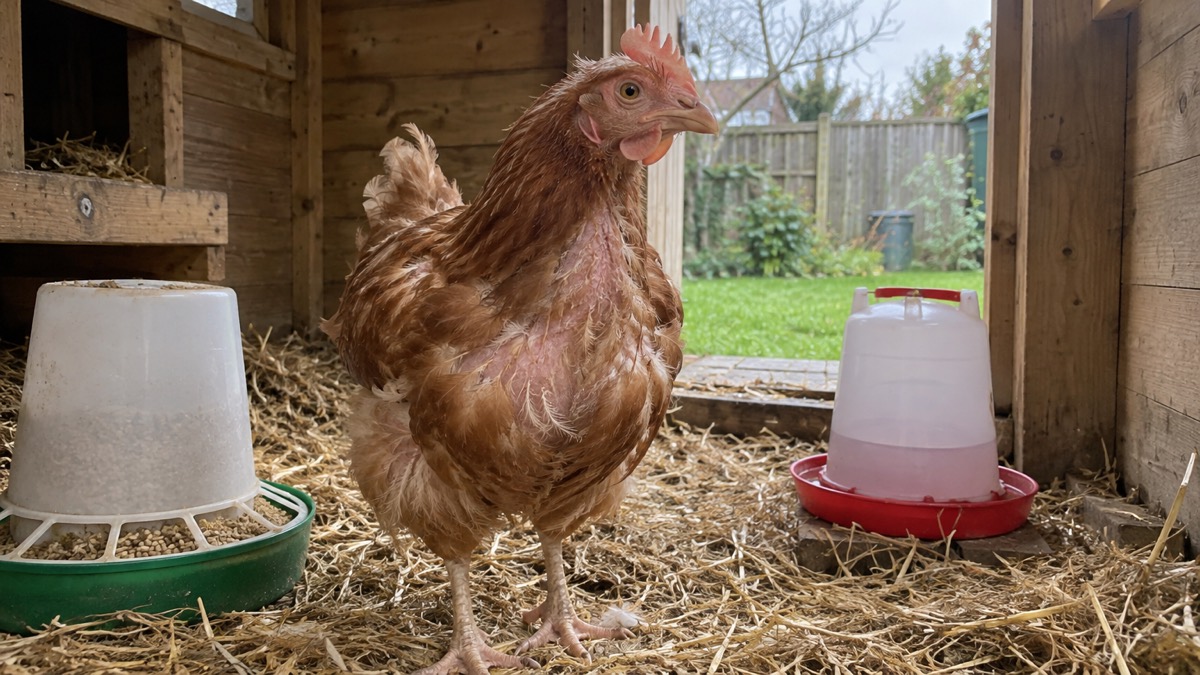
The number of hens you take is set by the rehoming charity, not by the size of your garden. The minimum you can reserve is three, because hens are sociable and like to be part of a flock1. If you already keep hens, you may adopt two, but the charity always advises adopting a greater number than you currently keep: if you already have three hens, adopt at least four new ones so the incoming birds have the advantage of numbers1. That is a practical point about bullying, not sentiment. A small group of newcomers dropped in with an established flock can be harried; a larger group holds its own.
Housing follows the same logic of buying room to spare. Buy a hen house to accommodate more hens than you want, so that if you want four hens you buy a house for six and can be sure there will be sufficient room1. Perch space should be a minimum of 25cms per bird1. The charity will ask for a photograph of your hen house and run as part of the application, so it is worth getting the setup right before you apply rather than after1.
The birds you collect are not all from one background. As well as hens from enriched cages, which hold 40 to 90 hens per cage, the charity also collects and rehomes barn hens and some free-range hens1. Whatever their origin, they arrive as adults that have never seen a garden, a perch at height or a dustbath, so expect a settling-in period. The Looking After Newly Adopted Ex-Battery Hens page covers the first days in detail, and Keeping Chickens: Housing, Feeding and the Law covers the wider rules.
| What you need | The figure or rule | Why it matters |
|---|---|---|
| Number of hens | Minimum three; two if you already keep hens1 | Hens are sociable and like to be part of a flock1 |
| Adding to an existing flock | Adopt more than you already keep: three existing, at least four new1 | Gives incoming hens the advantage in numbers1 |
| Coop size | Buy for more than you plan to keep: four hens, house for six1 | Ensures sufficient room1 |
| Perch space | Minimum 25cms per bird1 | Roosting space is a welfare basic1 |
| Run flooring | Dry wood shavings or straw, topped up or replaced2 | Keeps the floor dry and comfortable for the birds2 |
Grit and oyster shell: what each one does
These two supplements are often sold together and often confused, but they do different jobs and a hen needs both available.
Insoluble grit is the hen's substitute for teeth. As chickens don't have teeth, they need insoluble grit, such as hard flint grit, which helps them to grind and digest food2. It passes through the gut and does the mechanical work that chewing would do in a mammal.
Oyster shell is a soluble grit. It provides extra calcium, particularly important for laying hens for stronger eggshells2. A hen in lay pulls calcium from her body to make shells, so a constant supply matters more than a large one.
Offer both separately and keep them topped up, rather than mixing them into the feed where a hen cannot choose what she needs. The Chicken Health: Mites, Lice, Worms and Common Illnesses page covers the wider health picture, and the What You Need to Keep Pet Hens checklist sets the kit out as a shopping list.
What not to feed: kitchen scraps are illegal
The single most common mistake new keepers make is treating the hens as a bin. It is illegal to feed kitchen scraps to your chickens because of the risk of disease2. That rule exists to keep animal protein out of the poultry feed chain, and it applies to a handful of leftovers from a domestic kitchen just as much as to a commercial operation.
Dead mealworms are caught by the same principle. In 2014 Defra announced a ban on the feeding of dead mealworms to chickens, which does not apply to live insects, insect fats and oils3. So the dried mealworms sold in pet shops are not for hens.
What you can do is modest. It is fine to feed a small amount of mixed corn in the afternoon, but do not overfeed your hens with treats or scatter food on the ground, as this will attract mice and rats and may adversely impact egg production1. Scattering feed on the ground is the habit that turns a tidy run into a rodent problem, so use a feeder and clear up spills.
Heatstroke and sickness: signs and when to call a vet
Hens cope badly with heat and hide illness well, so you need to know what normal looks like and act early. The Met Office advises watching out for early signs of heatstroke, such as heavy panting, restlessness and lack of coordination, and contacting a vet immediately if you have any concerns about your pet's health7. The British Veterinary Association gives the same early signs, heavy panting, drooling, restlessness and lack of coordination, and says to contact a vet immediately8. For hens specifically, open mouth breathing, wings and legs outstretched, reduced appetite and egg production, and staggering or falling over can indicate heatstroke, and you should call a poultry-friendly vet immediately for advice, as these symptoms can also point to other health issues9.
For people, the picture is well documented and worth knowing because a keeper working outside in a heatwave is at risk too. Signs that mean calling 999 include still being unwell after 30 minutes of resting in a cool place, being cooled and drinking fluids, a very high temperature, hot skin that is not sweating and might look red, a fast heartbeat, fast breathing or shortness of breath, confusion and lack of coordination, a seizure or fit, and loss of consciousness6. NHS 111 can provide advice if you are ever concerned9.
In practice, for the hens:
- Provide shade and fresh water, and check the drinker more often in hot weather.
- Move the run to shade if it is movable, and avoid handling birds in the heat of the day.
- Watch for heavy panting, restlessness and lack of coordination, and ring the vet immediately if you see them7.
- If a hen is limping or bruised, this usually subsides within two weeks; do not remove her from the flock, but ensure she can access food and water, and call Hen Central on 01884 860084 for advice if concerned1.
Bird flu and sick birds
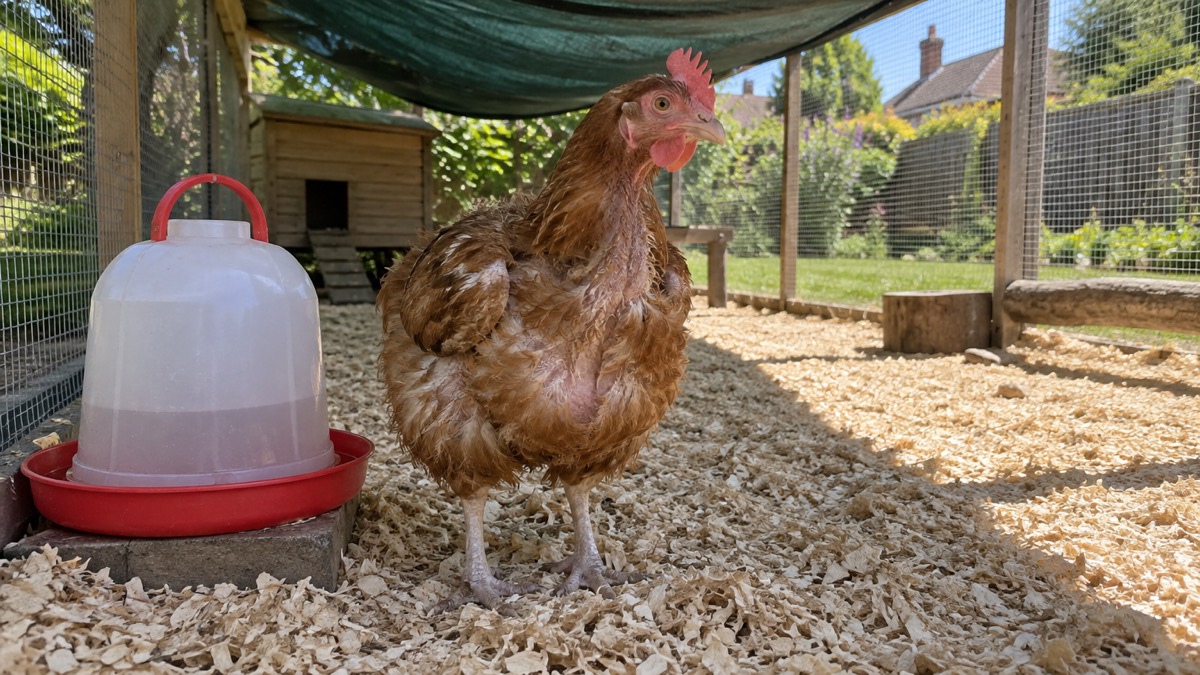
Bird flu is the disease that changes what a backyard keeper must do, and the rules are set nationally rather than by your council. The main causes of bird flu in poultry and other captive birds are contact with wild birds, in particular waterfowl such as geese, ducks and swans and gulls, faeces from infected birds, and dirty footwear, clothing and vehicles and equipment5. That list tells you where to put your effort: keep wild birds away from feed and water, and change or clean footwear before you go into the run.
Register your poultry, even if only kept as pets, so you can be contacted during an outbreak5. The registration covers chickens, ducks, turkeys, geese, pigeon bred for meat, partridge, quail, guinea fowl and pheasants, and any pet bird or bird kept outside for shows, races, exhibitions, competitions, breeding or for sale5.
In all disease control zones you must follow biosecurity rules, keep a record of anyone that transports or markets poultry or poultry eggs (with exemptions for table eggs), follow rules for fresh meat, comply with biosecurity rules imposed by a veterinary inspector, not organise or attend bird gatherings, and not release game birds5. The day-to-day habits are set out in Daily Biosecurity for Backyard Poultry Keepers.
If you have any concerns about the health of your birds and think they could have bird flu, contact the Animal and Plant Health Agency on 03000 600 7045. The same advice is given by Scottish Borders Council for keepers north of the border4. Arrangements are broadly consistent across Great Britain, but check the current zone rules for your area before moving birds or eggs.
Keeping the setup ready through winter and the laying years
Rescue hens are rehomed because they are deemed no longer commercially viable, often because they may be laying fewer eggs1. That is the honest starting point. The charity cannot guarantee the future laying capability of any individual hen, but most will carry on laying; eggs will increase in size over time, but it is likely they will decrease in numbers, and egg shell quality may decrease, with soft shelled eggs possible1. A steady supply of oyster shell helps with the shells2.
Winter changes the rhythm rather than the routine. Hens follow daylight, so short days mean less activity and earlier roosting, and you will see fewer eggs. Keep the coop dry and clean, replace bedding when it is soiled, and check birds over for parasites, since coops need regular cleaning and disinfection to remove parasites2. A small amount of mixed corn in the afternoon is fine in cold weather, but the rule against overfeeding treats and scattering food on the ground still applies1.
Bullying is the other thing that flares in a confined winter run. Smear Vaseline on the combs of bullied hens, put several sources of food and water in the pen, hang up distractions such as shiny CDs, half cabbages or corn on the cobs just above head height, and give them space so the lowest ranking hen can stay out of trouble1. The How to Introduce New Hens to an Existing Flock page covers the introductions that prevent most of it.
Finally, keep a small store of hen supplies alongside your household kit. Official emergency kit lists include emergency medication and food for pets10, and a household grab-and-go list includes pet items if applicable11. A spare sack of feed and a full drinker mean a power cut or a snowed-in day does not become a hen emergency. The Self-Reliance at Home: Growing Food, Hens, Bees, Rainwater and Off-Grid Power section covers the wider picture.
Sources (11)
- Hen adoption FAQs, British Hen Welfare Trust, 2026-02-05
- Chicken health and welfare, RSPCA, 2026-11-04
- Feeding your hens | British Hen Welfare Trust, British Hen Welfare Trust
- Avian influenza, Scottish Borders Council, 2026-10-29
- Avian influenza (bird flu), Suffolk County Council, 2026-10-29
- Heat exhaustion and heatstroke, NHS 111 Wales, 2026-06-22
- Hot weather and its impacts, Met Office, 2026-11-03
- Amber extreme heat warning, Met Office, 2022-08-11
- Hot weather and your child's school, Department for Education, 2026-07-03
- Planning for an emergency kit, Wiltshire Council, 2026-10-29
- Household emergency plan, Hillingdon Council, 2025-08
 Beekeeping Starter Equipment
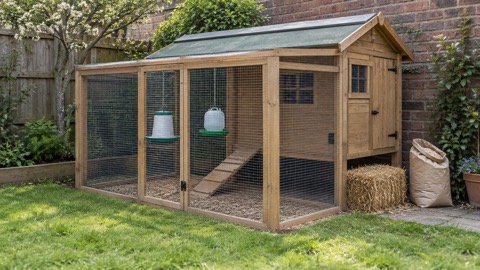 Pet Hens Starter Kit
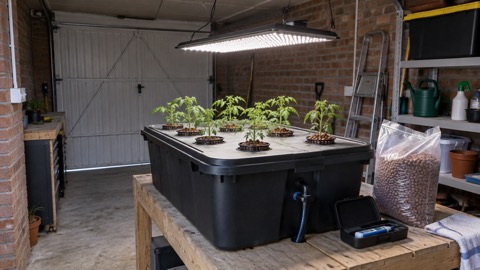 Hydroponic System Parts List