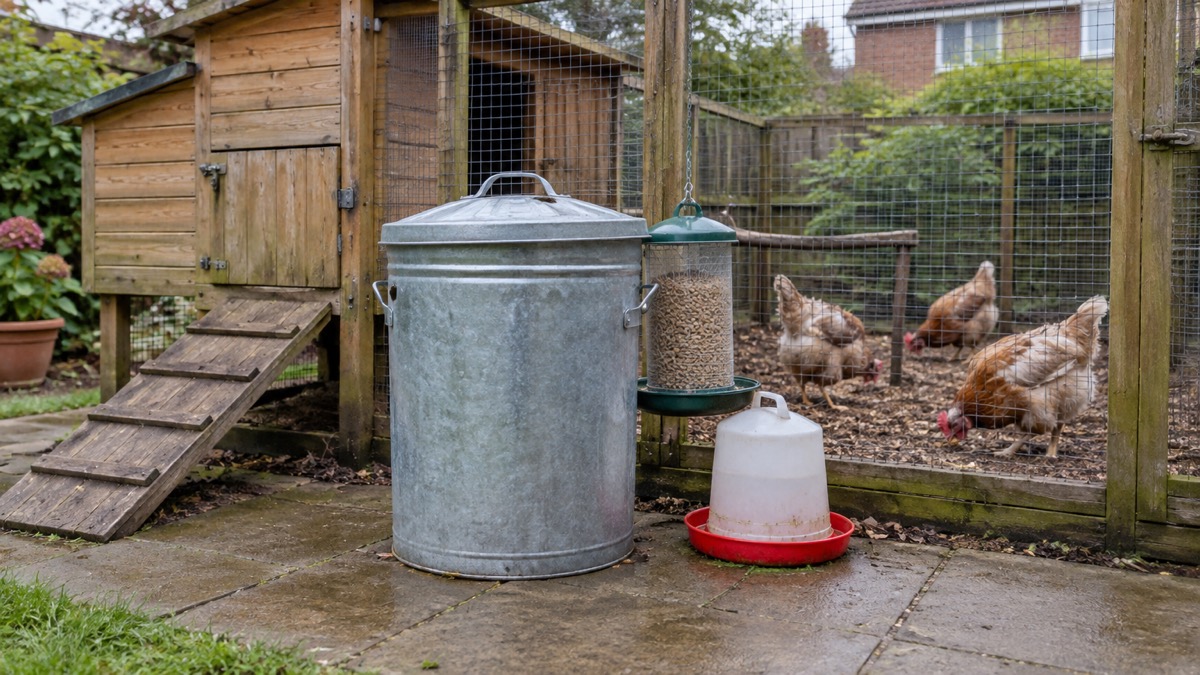
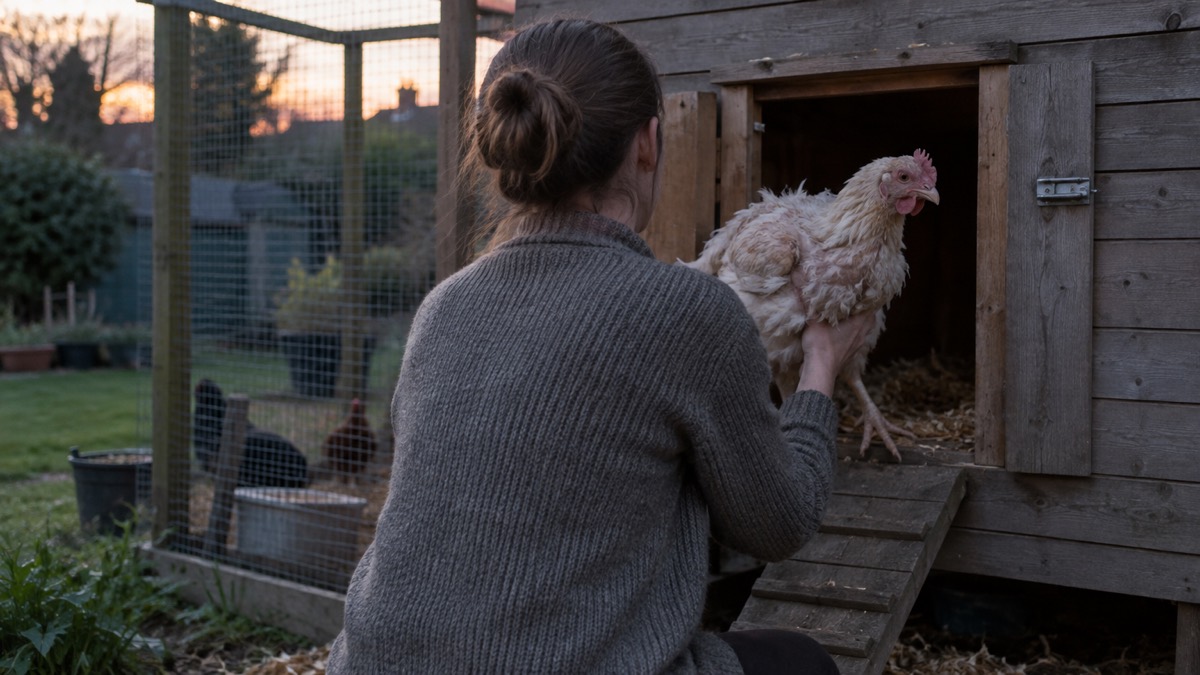
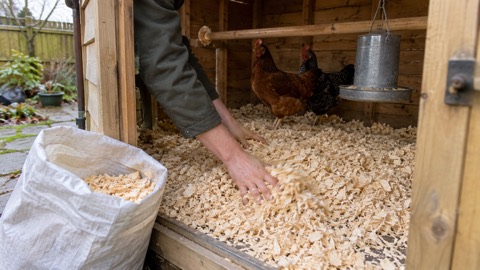
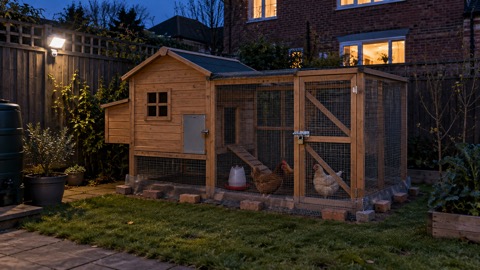
Bringing rescue hens home is mostly about routine and a few firm rules. Put the hens straight into their hen house and, if you have a small enclosed run, leave the door or pop-hole open so they can find their way out; if there is no enclosure, make sure they are secure and cannot wander off. Keeping them restricted at first helps them "become homed"1. Then help them learn the new daily rhythm by encouraging them out in the morning and tucking them up ready for bed in the evening1.
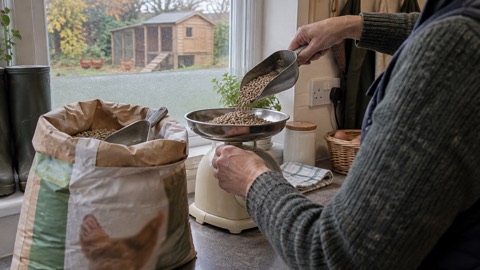
Feed them layers' feed, never kitchen scraps, and give them insoluble grit such as hard flint grit to grind their food plus oyster shell as a soluble calcium source for strong eggshells2. Handle them regularly so you get to know what a well hen feels like, because a healthy hen is busy and active, scratching, feeding and drinking well but not excessively, and preening3.
The British Hen Welfare Trust, which runs the main rescue hen adoption scheme, says the vast majority of hens are healthy and laying well, and that it is a common misconception that ex-bats are unhealthy1. Expect eggs to get larger over time but likely fewer in number, with shell quality possibly dropping and soft-shelled eggs possible4. This page covers settling in, feeding, the health problems to watch for, the bird flu rules in force, and winter care.
Settling in: the first week and the first month
The first job is to get the hens eating, drinking and going to bed in the right place. Put them in the hen house on arrival, leave the pop-hole open if there is a small enclosed run, and keep them restricted for the first few days so they learn where home is1. A secure enclosed area matters whenever you are not at home during the day, to keep them safe7.
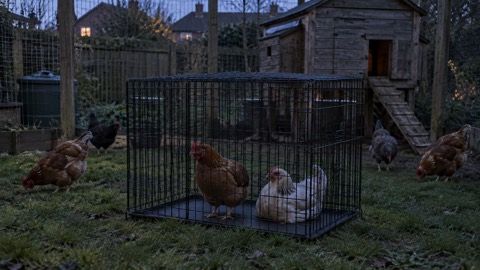
If you already keep hens, do not simply tip the new birds in. All new hens should ideally be kept separate but within sight and sound of your existing flock for a week to ten days8. That lets everyone see and hear each other before they share space. When you do merge, adopt more new birds than you already have: if you keep three hens, take at least four new ones so the incoming hens have the advantage of numbers4.
Handle the birds regularly from the start. Hens can become really tame if handled correctly on a regular basis, and regular handling is also how you learn what is normal for each bird9. Check the flock routinely so you notice when one is feeling poorly3.
Grit and shell: what hens need to digest food and lay
Hens have no teeth, so digestion depends on what they swallow. They need insoluble grit, such as hard flint grit, which sits in the gizzard and helps them grind and digest food. They also need oyster shell, a soluble grit that provides extra calcium, particularly important for laying hens for stronger eggshells2.
The crop is the best daily gauge of whether this is working. First thing in the morning the crop should be empty, and it gradually increases in size as the hen eats; feed passes out of the crop into the gizzard overnight, where it mixes with grit and is ground down10. A crop that is still full and squishy in the morning points to a problem, and a pendulous crop is one the Trust covers in its health guidance10.
Soft-shelled eggs are the other common sign that calcium and shell quality need attention. If a shell breaks inside the hen, the Trust's advice is to gently tease the fragments out a millimetre at a time while the hen is relaxed; on successful removal the hen should bounce back and feel better almost immediately11. If a hen prolapses, the Trust advises encouraging her to stop laying to give the vent time to recover by removing all pellets and crumble and feeding a mixed corn diet only12. Both are cases for a poultry-friendly vet as well as first aid.
| What to provide | What it does | Why it matters |
|---|---|---|
| Insoluble grit (hard flint) | Grinds food in the gizzard | Hens have no teeth, so they cannot digest feed without it2 |
| Oyster shell | Soluble calcium | Stronger eggshells for laying hens2 |
| Layers' pellets or crumble | Complete daily feed | The base of the diet; remove it only on veterinary-style advice for a prolapse12 |
| Mixed corn | Afternoon treat | Fine in small amounts; overfeeding harms egg production4 |
Feeding rules: no kitchen scraps, and what to do with treats
The single rule that catches out new keepers is the law on scraps. It is illegal to feed kitchen scraps to chickens because of the risk of disease2. Hens are not waste disposal units: they should not be fed bread, which can ferment in the crop and cause sour crop, nor potato peelings13.
Treats are fine within limits. A small amount of mixed corn in the afternoon is acceptable, but do not overfeed with treats or scatter food on the ground, because this attracts mice and rats and may adversely affect egg production4. The Trust recommends Smallholder Range Natural Free Range Layers Crumble and Pellets, both GM and soya free, as a complete feed4.
Mealworms need care. Defra announced a ban in 2014 on feeding dead mealworms to chickens, which does not apply to live insects, insect fats and oils13. Hens are not waste disposal units: do not feed them bread, which can ferment in the crop and cause sour crop, or potato peelings7. If in doubt, stick to the complete feed and a little corn.
Worm control belongs with feeding, because both happen on the ground. Establish a routine hen health plan with regular preventative worming, use a ground sanitiser, pick up droppings regularly, change bedding as and when soiled, and stop hens reaching intermediate hosts14. Picking up droppings and using a ground sanitiser in areas of high traffic keeps the ground clear of worm eggs, and a droppings sample can be sent for checking15.
Spotting heatstroke, and other signs a hen is unwell
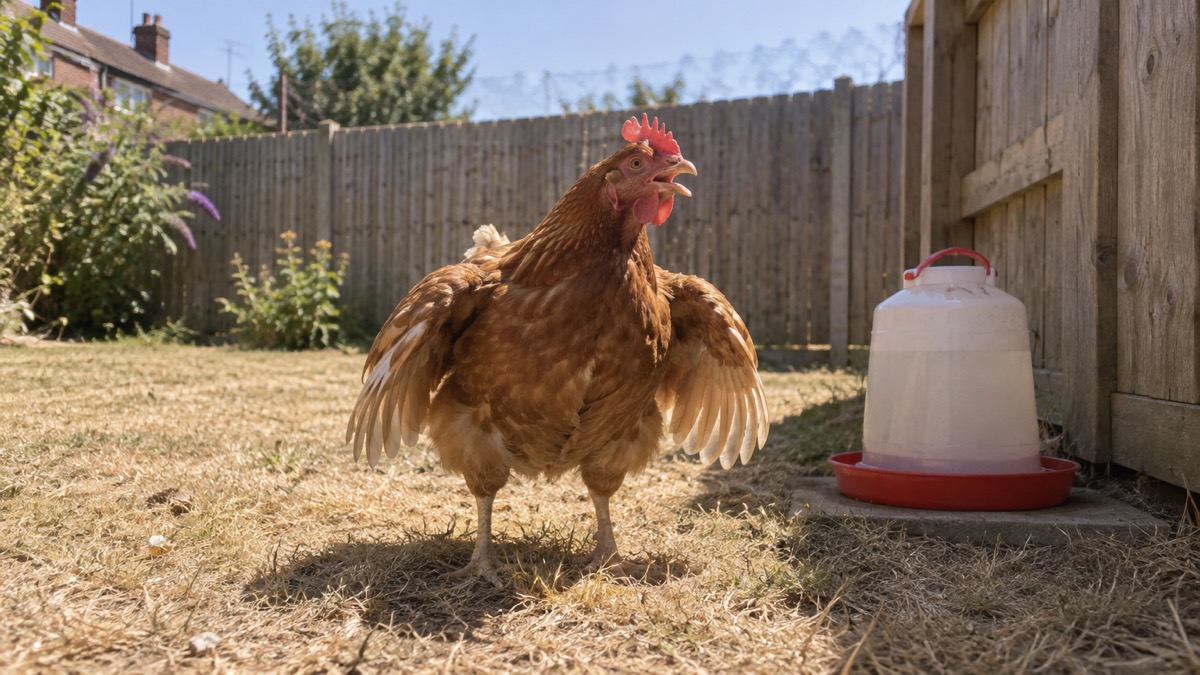
Hens cope badly with heat. Watch for open-mouth breathing, wings and legs outstretched, reduced appetite and egg production, and staggering or falling over6. These symptoms can also indicate other health issues, so if you suspect heatstroke, call a poultry-friendly vet immediately for advice6.
While you wait, act on the same principles official hot weather guidance gives for people and pets: move the bird somewhere cooler if possible, increase ventilation, and cool it down quickly16. Keep the coop and run shaded and make sure drinkers are working; a hen that is off her food and panting in still air is in trouble.
Beyond heat, get to know the healthy picture. A healthy hen should be busy and active, scratching the ground, feeding and drinking well though not excessively, and preening3. A bird that sits hunched, stops eating or hides is the one to examine. Regular checks mean you spot the change early, which is the whole point of handling the flock3.
The British Hen Welfare Trust never knowingly rehomes a poorly hen; poorly hens are cared for by the Trust or with the help of volunteer poorly carers1. That does not mean a rescue hen will never fall ill, but it does mean a bird that arrives unwell is unusual and worth reporting.
Sick or dead birds during the bird flu prevention zone
An Avian Influenza Prevention Zone is currently in place across the UK, and it changes what you should do with a sick or dead bird. Do not touch or handle sick or dead birds. If you have to, thoroughly wash your hands immediately afterwards, keeping them away from your face or food2.
The zone also sets biosecurity duties for all poultry keepers, including pet hen keepers: cleansing and disinfecting equipment, vehicles and footwear; storing feed, water and bedding undercover; effective vermin control; keeping birds in a fenced off area so they cannot reach standing water; regularly disinfecting the coop and run; and discouraging wild birds from entering the area5.
In all disease control zones you must follow biosecurity rules, keep a record of anyone who transports or markets poultry or poultry eggs (with exemptions for table eggs), follow the rules for fresh meat, comply with biosecurity rules imposed by a veterinary inspector, not organise or attend bird gatherings, and not release game birds17.
For the day to day routine that keeps a backyard flock compliant, see daily biosecurity for backyard poultry keepers.
Winter care: more food, more sleep, fewer eggs
Hens change with the season, and winter asks more of the keeper. Chickens will eat more in colder months to generate body heat, and they sleep more in winter to conserve energy, generally less active during the day19. Egg production slows as they prepare for colder weather, unless they are selectively bred laying hens kept indoors with artificial lighting19.
That makes winter a time to check the setup rather than the birds alone. The starter shopping list for hens covers the hen house or coop, bedding, run, daytime shelter, substrate, drinkers and feeders20. In cold, wet weather, bedding and ventilation matter more than warmth for its own sake, and a dry, draught-free coop with clean bedding is the aim.
Keep your own routine going too. The fire and rescue service's cold weather advice for households is to eat hot meals and hot drinks, wear lots of thin layers, and stock up on food and medication in bad weather21. The same principle applies to the hens: keep feed and bedding in store so a cold snap does not leave you short.
The pecking order: bullying, space and mixing flocks
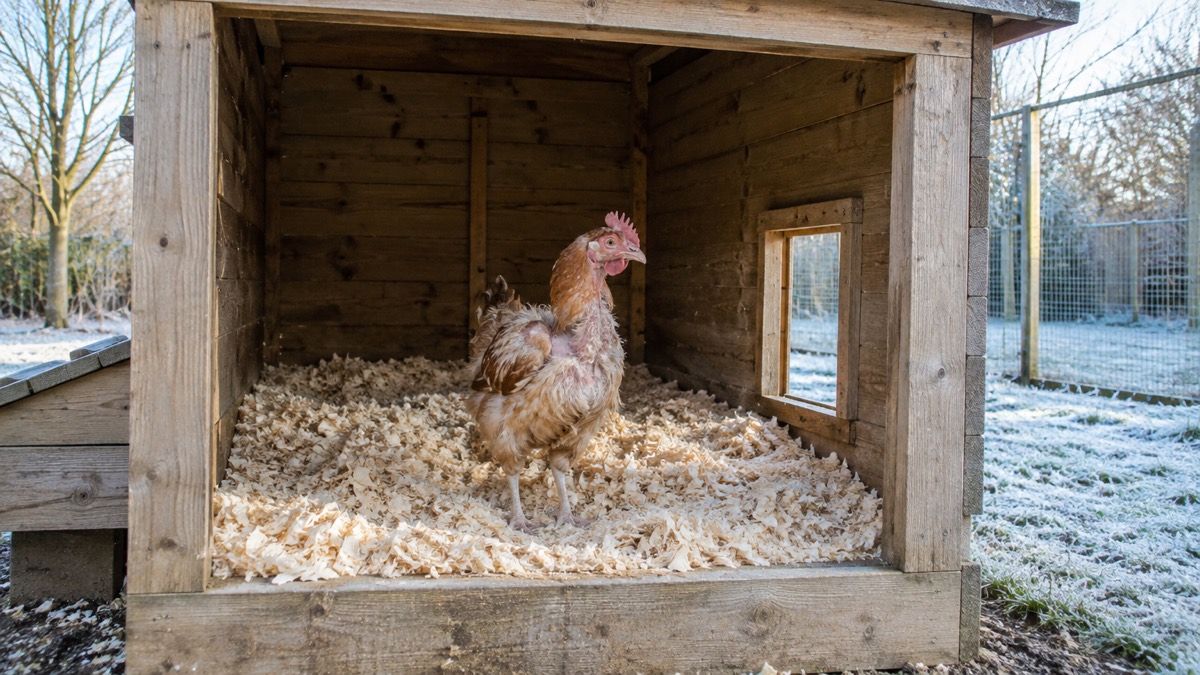
Every flock has a pecking order, and rescue hens arriving together still sort one out. Give them space so the lowest ranking hen can stay out of trouble, put several sources of food and water in the pen, and hang up distractions such as shiny CDs, half cabbages or corn on the cobs just above head height4. Smear Vaseline on the combs of bullied hens, because the bullies will not be able to get a grip4.
If a particularly vulnerable low ranking hen has no space to separate the bully, take her out three to four times each day to allow her to eat and drink on her own for about 15 minutes so she can build both strength and confidence. Use Vaseline on her comb and replenish it regularly, and progress the merge by encouraging her to feed with the other birds while staying close22.
If bullying is so persistent that blood is drawn or the low ranking hen is miserable, remove the bully from the group for a day to give the rest of the flock some peace. Penning the bully separately with food and water for a short while may reduce her confidence and lessen her dominance. Keep the victim within the flock, except for short periods22.
For the full method, see how to introduce new hens to an existing flock.
Where to get help and what to read next
The British Hen Welfare Trust is the main source of adoption and hen health guidance in the UK, and its health pages cover soft-shell eggs, prolapse, pendulous crop and worms in detail11. For a suspected case of heatstroke or a prolapse, call a poultry-friendly vet immediately rather than waiting6.
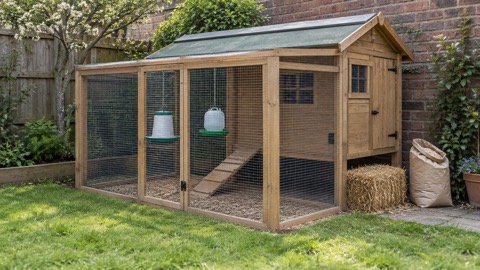
If you are still planning your setup, the pet hens kit checklist lists what to have ready, and the checklist for bringing home rescue hens covers arrival day. For housing, feeding and the law more broadly, see keeping chickens, and for mites, lice and worms see chicken health. Space and fox-proofing are covered in how much coop and run space hens need and how to fox-proof a chicken coop.
Sources (22)
- Newly adopted hens, British Hen Welfare Trust, 2025-10-16
- Chickens: environment, RSPCA, 2026-10-29
- Hen examination guidelines, British Hen Welfare Trust, 2025-10-30
- Hen adoption FAQs, British Hen Welfare Trust, 2026-02-05
- Avian influenza (bird flu), British Hen Welfare Trust, 2025-11-13
- How to care for small pets in the hot weather, Woodgreen, 2026-09-02
- Hen setup, British Hen Welfare Trust, 2025-10-30
- Hen husbandry, British Hen Welfare Trust, 2026-06-01
- Handling and welfare guidelines, Poultry Club of Great Britain, 2026-11-04
- Pendulous crop, British Hen Welfare Trust, 2026-11-04
- Soft shell eggs, British Hen Welfare Trust, 2026-11-04
- Prolapse, British Hen Welfare Trust, 2026-11-04
- Feeding your hens, British Hen Welfare Trust, 2024-11-18
- Worms, British Hen Welfare Trust, 2026-11-04
- Hen health FAQs, British Hen Welfare Trust, 2025-03-31
- Be prepared: heatwave, Lancaster City Council, 2026-10-26
- Avian influenza (bird flu), Suffolk County Council, 2026-10-29
- Caring For Pet Birds In Winter - RSPCA - rspca.org.uk, RSPCA
- Chickens, RSPCA, 2026-11-04
- Hen keeping starter guide, British Hen Welfare Trust, 2026-10-22
- Cold weather, Derbyshire Fire and Rescue Service, 2026-10-29
- The pecking order, British Hen Welfare Trust, 2026-10-22
 Beekeeping Starter Equipment
 Pet Hens Starter Kit
 Bringing Home Rescue Hens
 Hay Bale Fires
 Livestock in a Heatwave
 Livestock Water Outage
 Sky Lanterns
 BeeBase Registration
 Broody Hen Hatching
 Cleaning a Chicken Coop
 Coop and Run Space for Hens
 Reporting Foulbrood
 Fox-Proofing a Chicken Coop
 Daily Hen Feed Amounts
 Introducing New Hens